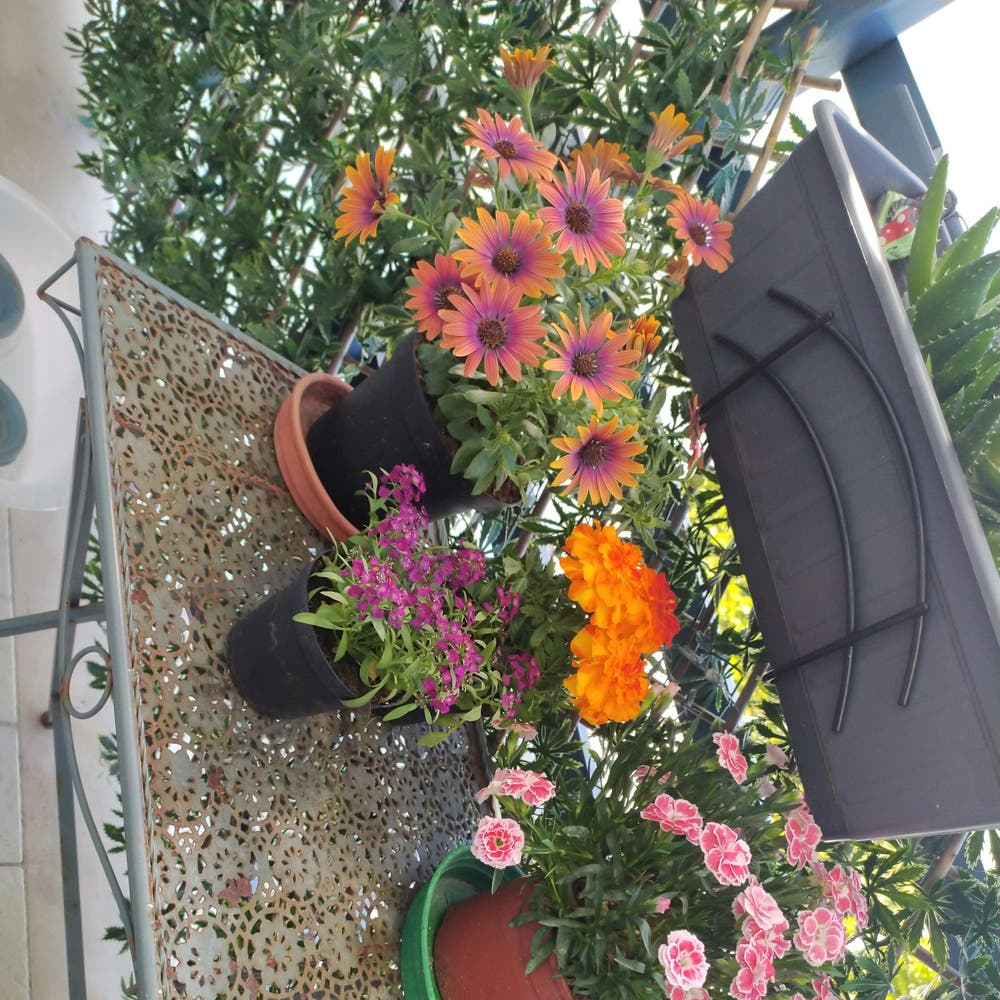
❄️ Best Humidity Levels for Snow Princess Alyssum
Lobularia maritima 'Snow Princess'
By the Greg Editorial Team
Sep 28, 2024•5 min read
This article was created with the help of AI so we can cover more plants for you. May contain errors. See one? Report it here.
Keep your Snow Princess Alyssum thriving 🌱 by mastering humidity management for vibrant blooms and healthy growth!
- 🌬️ Ideal humidity for Snow Princess Alyssum is 40%-60% for optimal health.
- 🌱 Low humidity causes wilting and browning, while high humidity risks mold and rot.
- 📊 Monitor local humidity levels and adjust care practices seasonally for best results.
Optimal Humidity Levels
Ideal humidity range 🌬️
For Snow Princess Alyssum, the ideal relative humidity is between 40% and 60%. This range not only supports vibrant flowering but also enhances the plant's delightful fragrance.
Seasonal adjustments are crucial. As temperatures change, so do humidity needs, requiring gardeners to monitor and adapt accordingly.
Effects of Low Humidity 🚫
Low humidity can lead to noticeable symptoms like wilting and browning leaf edges. These signs indicate that your plant is struggling and may become more susceptible to pests and diseases.
Over time, prolonged low humidity can stunt growth and reduce flowering potential. Keeping an eye on humidity levels is essential for maintaining a healthy plant.
Effects of High Humidity 💦
Conversely, high humidity can trigger issues such as mold growth and leaf spot diseases. These problems can quickly escalate, leading to potential root rot and other fungal complications.
Maintaining a balance in humidity is vital for healthy growth. Too much moisture can be just as detrimental as too little, so monitoring is key for your Snow Princess Alyssum's success.
Local Humidity Considerations
Assessing Local Conditions 🌦️
Understanding local humidity levels is crucial for the health of your Snow Princess Alyssum. You can easily determine these levels using online resources or local weather stations, which provide real-time data.
Additionally, grasping the concept of microclimates in your garden can make a significant difference. Factors like nearby structures, trees, and water bodies can create unique humidity zones that affect your plants.
Seasonal Variations 🌍
Humidity levels fluctuate throughout the year, impacting plant care. For instance, summer often brings higher humidity, while winter can dry things out.
Adjusting your care practices based on these seasonal changes is essential. During drier months, consider increasing humidity-boosting techniques to keep your Alyssum thriving.
With a solid grasp of local conditions and seasonal variations, you can better cater to your Snow Princess Alyssum's needs. This understanding sets the stage for effective humidity management strategies, ensuring your plants flourish year-round.
Strategies for Managing Humidity
🌧️ Boosting Humidity
Using Humidity Trays (difficulty: easy)
Creating humidity trays is a simple yet effective way to maintain moisture levels around your Snow Princess Alyssum. To set one up, fill a shallow tray with pebbles and add water until it just touches the pebbles, ensuring the plant pots sit above the waterline.
This setup not only increases humidity but also provides a consistent moisture source, promoting healthier growth and vibrant blooms.
Misting Techniques (difficulty: moderate)
Misting can be a great way to boost humidity, but timing is key. Aim to mist your plants in the morning to allow leaves to dry throughout the day, reducing the risk of mold.
However, be cautious—excessive misting can lead to waterlogged soil and fungal issues. Balance is essential!
Grouping Plants (difficulty: easy)
Grouping your Snow Princess Alyssum with other plants can create a microenvironment that retains humidity. When plants are close together, they share moisture through transpiration, which can significantly enhance humidity levels.
Arrange them in a way that maximizes airflow while still keeping them close enough to benefit from each other’s moisture.
💨 Reducing Humidity
Improving Air Circulation (difficulty: moderate)
Enhancing airflow around your plants is crucial in preventing mold and mildew. You can achieve this by spacing plants adequately and using fans to promote air movement.
Good air circulation helps to keep humidity levels in check, ensuring your Alyssum remains healthy and vibrant.
Using Dehumidifiers (difficulty: hard)
If humidity levels are consistently high, a dehumidifier can be a valuable tool. Use it in enclosed spaces to effectively reduce moisture in the air.
Set it to maintain humidity levels between 40% and 60% for optimal growth conditions. Regular monitoring will help you adjust settings as needed.
Choosing Potting Materials (difficulty: easy)
Selecting the right potting materials is essential for effective humidity management. Look for soil mixes that promote drainage, such as those containing perlite or coarse sand.
Proper soil composition not only prevents water retention but also supports healthy root development, allowing your Snow Princess Alyssum to thrive.
With these strategies in hand, you can create the perfect humidity environment for your Snow Princess Alyssum, ensuring it flourishes beautifully. Next, let’s explore local humidity considerations to further tailor your care practices.
Brief Mention of Temperature
🌫️ Interaction with Humidity
Temperature and humidity are closely intertwined, especially for delicate plants like Snow Princess Alyssum. When temperatures rise, humidity levels can drop, leading to stress for your plants.
Maintaining a stable environment is crucial. Fluctuations can affect not only growth but also flowering and fragrance production. Keeping both temperature and humidity in check ensures your Alyssum thrives beautifully.
Understanding this relationship allows you to create the ideal conditions for your plants. A balanced environment fosters healthy growth and vibrant blooms, making your gardening experience all the more rewarding.
As we dive deeper into managing humidity, remember that temperature plays a vital role in your plant's overall health. Let's explore effective strategies for maintaining the right humidity levels next.
⚠️ Safety First
This content is for general information and may contain errors, omissions, or outdated details. It is not medical, veterinary advice, or an endorsement of therapeutic claims.
Always consult a qualified healthcare professional before using any plant as food, medicine, or supplement.
Never eat any plant (or feed one to pets) without confirming its identity with at least two trusted sources.
If you suspect poisoning, call Poison Control (800) 222-1222, the Pet Poison Helpline (800) 213-6680, or your local emergency service immediately.
Spotted an error? Please report it here.
Keep your Snow Princess Alyssum blooming beautifully 🌼 by using Greg's tailored reminders to maintain that perfect 40% to 60% humidity range for thriving growth!