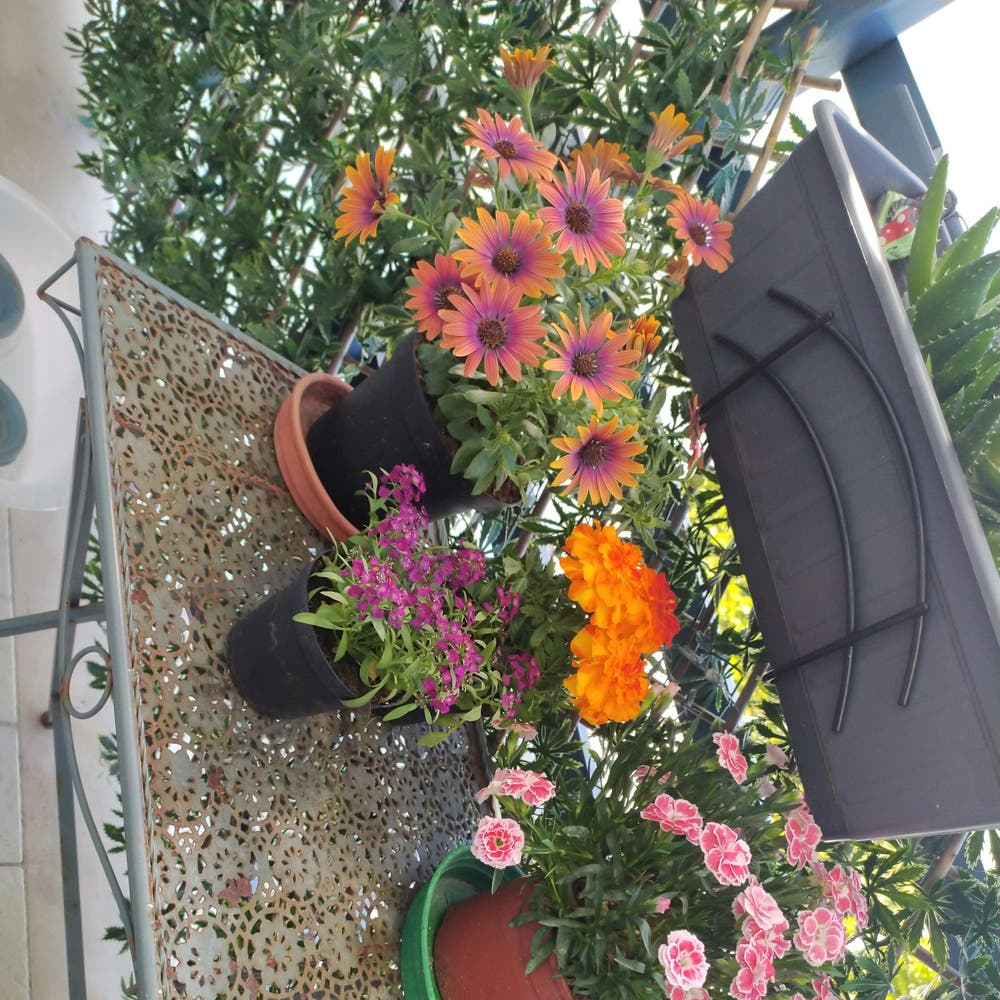
❄️ Why Your Snow Princess Alyssum Leaves Are Dropping
Lobularia maritima 'Snow Princess'
By the Greg Editorial Team
Sep 28, 2024•4 min read
This article was created with the help of AI so we can cover more plants for you. May contain errors. See one? Report it here.
Unlock the secret to a thriving Snow Princess Alyssum 🌼 with these vital care tips for lasting beauty!
- 💧 Check soil moisture regularly to avoid over or underwatering your Alyssum.
- 🌱 Use well-draining soil for optimal root health and prevent water pooling.
- 🐛 Monitor for pests and treat promptly to keep your Snow Princess thriving.
Preventive Measures
Proper Watering Techniques 🌊
To keep your Snow Princess Alyssum thriving, checking soil moisture before watering is crucial. Water deeply but infrequently to encourage strong root development.
Soil Selection and Drainage Solutions 🪴
Choosing the right soil is essential. A well-draining potting mix is recommended, and you can enhance drainage by adding perlite or sand to improve aeration.
Pest Management Strategies 🐛
Regular monitoring is key to keeping pests at bay. Inspect your plants weekly and consider using organic treatments like neem oil or insecticidal soap for any infestations.
Seasonal Care Adjustments 🌦️
As seasons change, so should your watering routine. Increase watering frequency during hot months and consider mulching to help retain moisture and regulate soil temperature.
Fertilization Guidelines 🌱
Establish a fertilizing schedule of every 4-6 weeks during the growing season. A balanced NPK formula will provide the nutrients your Snow Princess needs to flourish.
By implementing these preventive measures, you can create a robust environment for your Snow Princess Alyssum, minimizing the chances of leaf drop. Next, let’s explore effective treatment solutions if you encounter any issues.
Treatment Solutions
Adjusting Watering Schedule 🌧️
Adjusting your watering schedule is crucial for the health of your Snow Princess Alyssum. As seasons change, so should your frequency of watering; during hotter months, you may need to water more often.
Watch for signs like leaf color and soil moisture to guide your adjustments. Yellowing leaves may indicate overwatering, while dry, crispy edges suggest underwatering.
Improving Soil Drainage 🕳️
Soil drainage is another key factor in keeping your plants healthy. If you notice water pooling at the surface, consider repotting your Alyssum with a better-draining soil mix.
Adding drainage holes to pots can also help excess water escape. This simple step can prevent root rot and promote healthier growth.
Treating Pest Infestations 🐛
Pest infestations can quickly derail your plant care efforts. Start by identifying the pest type before choosing a treatment method.
Options like insecticidal soap and neem oil are effective and safe for your plants. Manual removal of pests is also a viable option if you catch them early.
Addressing Fungal Issues 🍄
Fungal issues can be more challenging to tackle. For severe cases, fungicides may be necessary to restore your plant's health.
Prevention is key; ensure proper watering and drainage to minimize the risk of fungal growth. Keeping an eye on humidity levels can also help.
Environmental Adjustments 🌍
Environmental factors play a significant role in plant health. If your Alyssum isn't thriving, consider moving it to a sunnier location to boost its light exposure.
Temperature control is equally important; providing shade during extreme heat can protect your plant from stress. Small adjustments can lead to significant improvements in your plant's vitality.
With these treatment solutions in place, your Snow Princess Alyssum will be on the path to recovery. Next, let’s explore how to care for your plants post-treatment to ensure they thrive long-term.
Post-Treatment Care
Recovery Techniques for Affected Plants 🌱
Pruning damaged leaves is essential for encouraging new growth. This simple step helps your Snow Princess Alyssum focus its energy on healthy foliage.
Adjusting care practices based on your plant's specific needs can make a significant difference. Tailor your watering and light exposure to support recovery.
Monitoring Plant Health After Treatment 👀
Regular checks are crucial for observing new growth and overall leaf health. Keep an eye out for vibrant colors and fresh leaves as signs of recovery.
Look for indicators like new leaves forming and improved color. These signals show that your plant is bouncing back and thriving.
Long-term Care Strategies to Prevent Recurrence 🔄
Establishing a consistent care routine is vital for your plant's long-term health. A reliable watering and feeding schedule will keep your Snow Princess Alyssum flourishing.
Don't forget to make seasonal adjustments based on climate changes. Adapting your care practices ensures your plant remains healthy throughout the year.
By implementing these post-treatment care strategies, you can help your Snow Princess Alyssum thrive and prevent future issues. Next, let's explore how to adjust your watering schedule effectively.
⚠️ Safety First
This content is for general information and may contain errors, omissions, or outdated details. It is not medical, veterinary advice, or an endorsement of therapeutic claims.
Always consult a qualified healthcare professional before using any plant as food, medicine, or supplement.
Never eat any plant (or feed one to pets) without confirming its identity with at least two trusted sources.
If you suspect poisoning, call Poison Control (800) 222-1222, the Pet Poison Helpline (800) 213-6680, or your local emergency service immediately.
Spotted an error? Please report it here.
Keep your Snow Princess Alyssum thriving 🌼 by using Greg for tailored watering reminders and expert tips that adapt to your plant's needs!