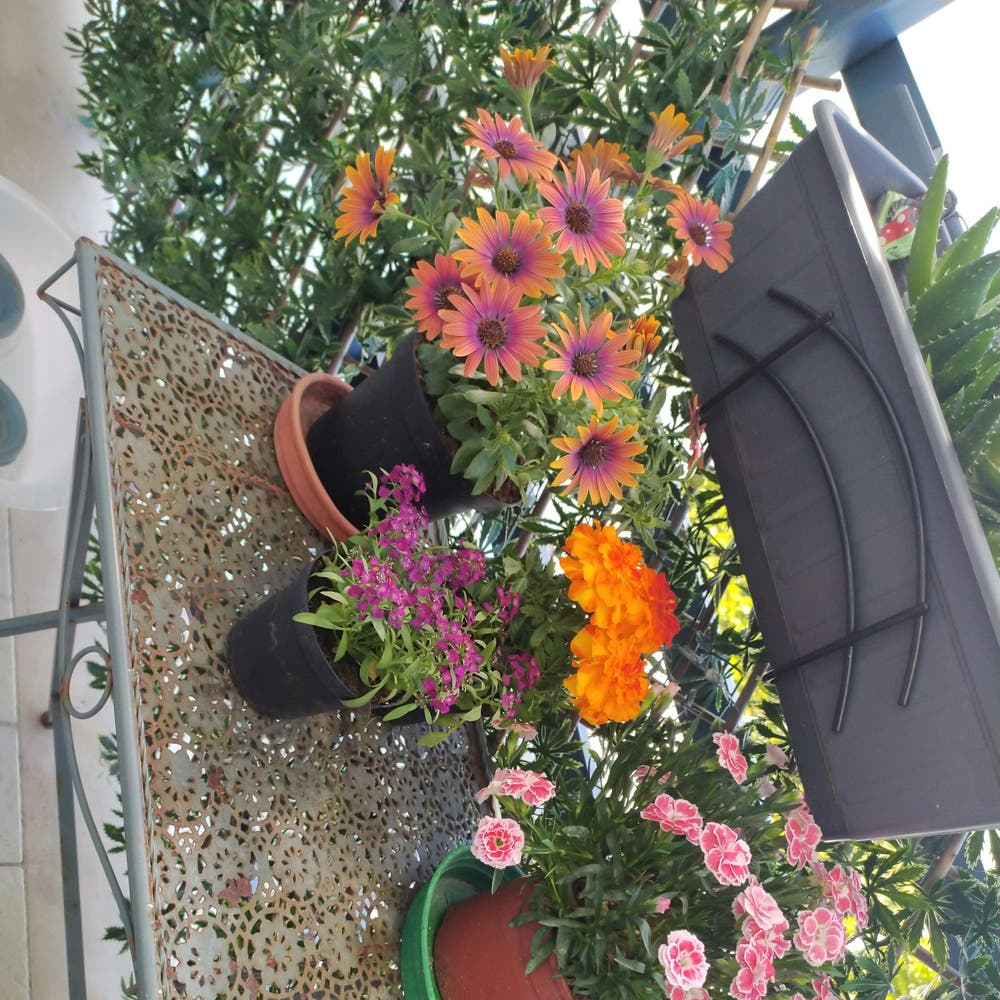
❄️ 5 Secrets to Thriving Outdoor Snow Princess Alyssum
Lobularia maritima 'Snow Princess'
By the Greg Editorial Team
Sep 28, 2024•9 min read
This article was created with the help of AI so we can cover more plants for you. May contain errors. See one? Report it here.
Transform your garden into a vibrant paradise with essential tips for nurturing your Alyssum! 🌼🌱
- ☀️ Alyssum needs 6-8 hours of sunlight daily for optimal growth.
- 💧 Water deeply when the top inch is dry to promote strong roots.
- 🌱 Well-draining soil and regular fertilization are key for thriving Alyssum.
Sunlight Needs
Ideal Sunlight Exposure 🌞
To thrive, Alyssum requires 6-8 hours of direct sunlight each day. Without this full sun exposure, you may notice stunted growth and fewer flowers, which can be disappointing for any gardener.
Adjustments for Different Climates 🌤️
In hotter climates, consider providing partial shade during peak afternoon heat to protect your plants from scorching. Conversely, in cooler areas, ensure your Alyssum gets full sun exposure to maximize warmth and encourage vibrant blooms.
Understanding these sunlight needs is crucial for the health of your Alyssum. With the right conditions, you’ll set the stage for a flourishing garden that brings joy and beauty to your outdoor space.
Next, let’s explore the watering requirements and techniques that will keep your Alyssum thriving.
Watering Requirements and Techniques
🌧️ General Watering Guidelines
To keep your outdoor Snow Princess Alyssum thriving, water it when the top inch of soil feels dry. This simple check ensures your plant gets the moisture it needs without overdoing it.
Deep watering is essential for encouraging robust root development. Aim to saturate the soil thoroughly, allowing roots to reach deeper for nutrients and stability.
💧 Techniques for Effective Watering
Consider using drip irrigation for an efficient watering solution. This method minimizes water waste and delivers moisture directly to the roots, promoting healthier growth.
Hand watering is another effective technique, especially for container plants. It allows for even distribution of water, ensuring every part of the plant gets the hydration it needs.
🚨 Signs of Overwatering and Underwatering
Be vigilant for signs of overwatering, such as yellowing leaves and root rot. These symptoms indicate that your plant is drowning and needs immediate attention.
On the flip side, underwatering can lead to wilting and dry leaves. If you notice these signs, it’s time to adjust your watering routine to keep your Alyssum flourishing.
Understanding these watering requirements and techniques will set you on the right path to nurturing your Snow Princess. Next, let’s explore the ideal soil preferences and amendments to further enhance its growth.
Soil Preferences and Amendments
Ideal Soil Composition 🌱
For Alyssum to thrive, it needs well-draining soil. This is crucial for root health, as poor drainage can lead to root rot and other issues.
The best soil types for Alyssum include sandy loam or a quality potting mix if you're planting in containers. These options provide the right balance of drainage and nutrients.
Soil pH and Nutrient Needs ⚗️
Alyssum flourishes in soil with a pH range of 6.0 to 7.0. This slightly acidic to neutral range ensures optimal nutrient availability.
To enhance soil fertility, consider incorporating compost. This organic amendment not only boosts nutrient levels but also improves soil structure, making it more conducive to healthy root growth.
By focusing on the right soil composition and pH, you set the stage for a vibrant Alyssum garden. Next, let’s explore effective fertilization tips to keep your plants thriving.
Fertilization Tips for Optimal Growth
Fertilization Schedule 🌱
To ensure your outdoor snow princess Alyssum thrives, timing is everything. Apply fertilizer in early spring and again in mid-summer to give your plants the nutrients they need during their peak growth periods.
Aim to fertilize every 4-6 weeks throughout the growing season. This regular feeding helps maintain vibrant blooms and robust foliage.
Recommended Fertilizers 🌿
When it comes to fertilizers, balanced NPK options are your best bet. These fertilizers contain nitrogen, phosphorus, and potassium, which are essential for healthy plant growth.
For those leaning towards organic methods, consider compost tea or fish emulsion. These sustainable options not only nourish your plants but also enrich the soil, promoting a healthier garden ecosystem.
By following these fertilization tips, you'll set your Alyssum up for success. Next, let’s explore the best planting options to maximize their growth potential.
Planting Options
🌱 Benefits of Container Planting
Container planting offers remarkable mobility. You can easily relocate your Alyssum based on sunlight and weather conditions, ensuring it thrives.
Another advantage is soil control. You can customize the soil mix to create the perfect environment for optimal growth.
⚠️ Drawbacks of Container Planting
However, container planting has its drawbacks. Limited root space can lead to stunted growth, which is something to consider if you want your plants to flourish.
Additionally, containers tend to dry out faster, requiring increased watering frequency. This can be a hassle, especially during hot spells.
🌍 Benefits of Planting in the Ground
On the flip side, planting in the ground provides a natural growth environment. Your Alyssum will have more space for root expansion, allowing for healthier plants.
Ground soil also offers better moisture retention. It typically holds moisture longer, reducing the need for frequent watering.
🚧 Drawbacks of Planting in the Ground
Yet, there are some drawbacks to consider. You have less control over soil quality, which may require amendments for optimal growth.
Moreover, planting in the ground means a permanent location. If conditions change, relocating your plants can be challenging.
In summary, both container and ground planting have their pros and cons. Choose the option that best fits your gardening style and the specific needs of your Alyssum. Next, let’s explore how to protect your plants from extreme weather conditions.
Weather Protection
🌪️ Strategies for Protecting from Extreme Weather
Protecting your outdoor snow princess Alyssum from extreme weather is crucial for its health. Mulching is a fantastic strategy; it retains moisture and helps regulate soil temperature, creating a stable environment for your plants.
Another effective method is using temporary covers. Row covers can shield your Alyssum during frost or extreme heat, ensuring they stay safe and thriving.
☀️ Seasonal Care Adjustments for Different Climates
In spring, keep an eye out for late frosts. If temperatures dip unexpectedly, be ready to protect your plants to prevent damage.
During summer, heatwaves can be tough. Providing shade can help your Alyssum cope with intense sunlight and keep it flourishing.
As fall approaches, it's time to prepare for winter. Cutting back your plants and adding mulch will insulate their roots against the cold, setting them up for a successful hibernation.
With these weather protection strategies, your Alyssum will be well-equipped to handle the elements. Next, let’s dive into pest and disease management to keep your plants healthy year-round.
Pest and Disease Management
🐜 Common Outdoor Pests
Aphids
Aphids are tiny pests that can wreak havoc on your Alyssum. Look for sticky residue on leaves and curled foliage as signs of infestation.
To control aphids, consider using neem oil or insecticidal soap. These options are effective and less harmful to beneficial insects.
Slugs and Snails
Slugs and snails can also be troublesome, leaving behind holes in leaves and slimy trails. Their presence can quickly diminish the beauty of your plants.
To combat these pests, try beer traps or sprinkle diatomaceous earth around your plants. Both methods are simple and can significantly reduce their numbers.
🚫 Disease Prevention Strategies
Maintaining good air circulation around your Alyssum is crucial for preventing fungal diseases. Proper spacing between plants allows for airflow, reducing humidity levels that fungi thrive in.
Regular inspections are key to early detection of any issues. Catching problems early can save your plants from severe damage.
🌱 Organic Pest Control Methods
Consider companion planting as a natural way to deter pests. Certain plants can repel unwanted visitors, creating a healthier garden ecosystem.
Handpicking pests is another effective method. While it may seem tedious, manually removing pests can make a big difference in keeping your Alyssum thriving.
By staying vigilant and employing these strategies, you can protect your outdoor snow princess from pests and diseases. This proactive approach ensures a vibrant and flourishing garden, setting the stage for the next topic: Seasonal Care.
Seasonal Care
Spring Care Tips 🌸
Spring is the perfect time to rejuvenate your Alyssum. Start by deadheading spent blooms to encourage new growth and vibrant flowers.
Next, apply a balanced fertilizer to give your plants the nutrients they need as they wake up from winter dormancy. This simple step can make a significant difference in their growth.
Summer Maintenance and Watering ☀️
As temperatures rise, your watering routine will need to adjust. Increase the frequency of watering, ensuring the soil remains consistently moist but not soggy.
Mulching is another essential summer task. A good layer of mulch helps retain moisture and suppresses pesky weeds, allowing your Alyssum to thrive.
Fall Preparation for Winter 🍂
As fall approaches, it’s time to prepare your plants for the colder months. Start by cutting back the foliage to reduce the risk of damage from heavy snow.
Don’t forget to mulch again! This will insulate the roots and protect them from freezing temperatures, ensuring a healthy start come spring.
Winter Care and Protection Strategies ❄️
During winter, frost can be a real threat to your Alyssum. Use protective covers during extreme cold spells to shield your plants from harsh conditions.
Additionally, keep an eye out for any overwintering pests. Regular monitoring can help you catch any issues early, ensuring your plants remain healthy and ready to bloom when the weather warms up.
With these seasonal care tips, your Alyssum will not only survive but thrive through the changing seasons. Next, let’s explore how climate zones affect your growing strategy.
Climate Zone Considerations
Best Climate Zones for Growing 🌍
When it comes to thriving, outdoor Snow Princess Alyssum, understanding USDA Hardiness Zones is crucial. This plant flourishes best in zones 3-9, where it can enjoy the right balance of warmth and coolness.
Adaptations for Different Zones 🌦️
Each climate zone presents unique challenges and opportunities. Adjusting care based on local conditions ensures your Alyssum thrives, whether you're in a hot or cold climate.
Adjusting Care Based on Local Climate Conditions 💧
In hot climates, increased watering is essential to keep the soil moist. Consider providing afternoon shade to protect your plants from the harsh sun.
Cold Climate Considerations ❄️
For those in colder regions, extra winter protection is vital. Timing your planting carefully can make all the difference in ensuring your Alyssum survives the chill.
Understanding your climate zone and adapting your care practices accordingly will set you up for success. With the right approach, your Snow Princess Alyssum can flourish beautifully, no matter where you are.
Next, let’s dive into effective pest and disease management strategies to keep your plants healthy and vibrant.
⚠️ Safety First
This content is for general information and may contain errors, omissions, or outdated details. It is not medical, veterinary advice, or an endorsement of therapeutic claims.
Always consult a qualified healthcare professional before using any plant as food, medicine, or supplement.
Never eat any plant (or feed one to pets) without confirming its identity with at least two trusted sources.
If you suspect poisoning, call Poison Control (800) 222-1222, the Pet Poison Helpline (800) 213-6680, or your local emergency service immediately.
Spotted an error? Please report it here.
Unlock a blooming paradise 🌼 with your Snow Princess Alyssum by using Greg's tailored care reminders to ensure it gets the perfect sunlight, watering, and nutrients for thriving growth!