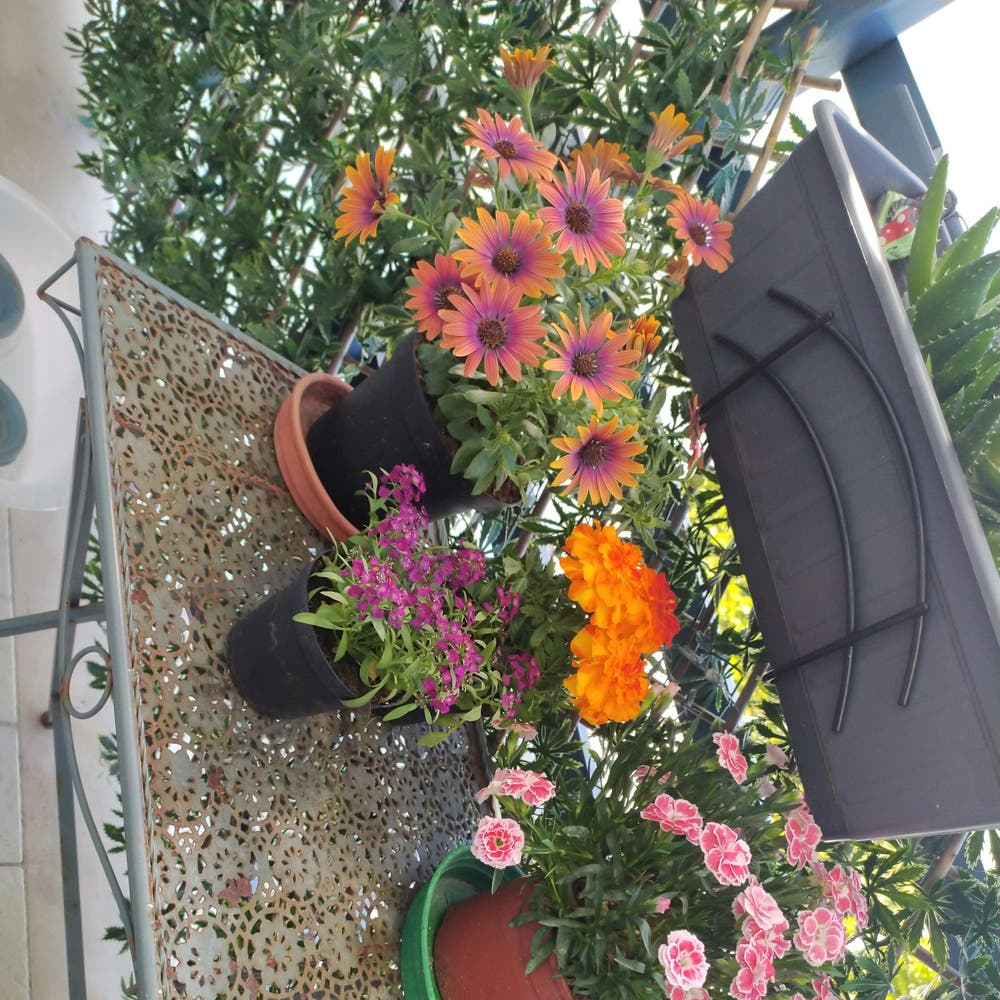
What You Should Know About Snow Princess Sweet Alyssum ❄️
Lobularia maritima 'Snow Princess'
By the Greg Editorial Team
Jan 09, 2025•11 min read
This article was created with the help of AI so we can cover more plants for you. May contain errors. See one? Report it here.
Elevate your garden with Snow Princess Sweet Alyssum, a low-maintenance beauty that attracts pollinators and delights the senses! 🌼
- 🌞 Snow Princess thrives in full sun to partial shade, perfect for diverse gardens.
- 🌱 Well-drained, fertile soil with pH 6.0-7.0 is ideal for growth.
- 🐝 Attracts pollinators like bees and butterflies, enhancing your garden's ecosystem.
How to Grow
Choosing a Location 🌞
Snow Princess Sweet Alyssum thrives in full sun to partial shade. When selecting a spot, consider whether you’ll be planting outdoors or in containers, as this can affect light exposure and growth.
Soil Preparation 🌱
For optimal growth, aim for well-drained, fertile soil. The ideal soil pH range for these plants is between 6.0 and 7.0, ensuring they have the nutrients they need.
Planting Techniques 🌼
When planting seeds, bury them about 1/4 inch deep. Space your plants 12-18 inches apart to allow for healthy growth and airflow.
Watering Requirements 💧
Keep the soil consistently moist but avoid sogginess. Watch for signs of overwatering, like yellowing leaves, or underwatering, which may cause wilting.
Fertilizing Schedule 🌿
Use a balanced NPK fertilizer to nourish your plants. Fertilize every 4-6 weeks during the growing season for best results.
Pruning and Ongoing Care ✂️
Regular deadheading is essential; remove spent flowers to encourage new blooms. Seasonal care tips include monitoring for pests and ensuring adequate sunlight.
Outdoor vs. Container Growing 🏡
Caring for outdoor beds differs from container gardening. For pots, choose a container that is at least 6-8 inches deep to provide enough space for root development.
This section sets the stage for a successful growing experience with Snow Princess Sweet Alyssum. Next, we’ll explore how to propagate this lovely plant, ensuring you can expand your garden effortlessly.
Propagation
Seed Propagation 🌱
To propagate Snow Princess Sweet Alyssum from seeds, timing is crucial. Start your seeds indoors about 6-8 weeks before the last frost to give them a head start.
Germination typically takes between 7 to 14 days. This means you'll be well on your way to a beautiful display of flowers by the time the weather warms up.
Cutting Propagation ✂️
For those who prefer cutting propagation, select healthy stems that are 4-6 inches long. This method can be a rewarding way to expand your garden without starting from scratch.
Use a rooting medium that combines perlite and peat moss for the best results. This mix provides excellent drainage and aeration, which are essential for root development.
Expect rooting to take about 2-3 weeks. With a little patience, you'll soon have new plants ready to thrive in your garden.
This propagation knowledge sets the stage for understanding the lifecycle of the Snow Princess Sweet Alyssum, which we'll explore next.
Lifecycle
Annual Lifecycle 🌼
Snow Princess Sweet Alyssum is an annual plant, meaning it completes its entire life cycle within a single growing season. This characteristic makes it a popular choice for gardeners looking for vibrant blooms without the commitment of perennials.
Germination Process 🌱
For successful germination, aim for an optimal temperature range of 65°F to 70°F (18°C to 21°C). This warm environment encourages seeds to sprout effectively.
Seedling Stage 🌿
After germination, the seedling stage lasts about 2-3 weeks until true leaves begin to appear. During this time, ensure the seedlings receive adequate light and moisture for healthy growth.
Vegetative Growth 🌳
Following the seedling stage, Snow Princess Sweet Alyssum enters a vegetative growth period lasting 4-6 weeks. This phase is crucial for establishing a strong foundation before the plant transitions to flowering.
Flowering and Seed Production 🌸
The blooming period typically spans from late spring to early fall. After flowering, the plant produces seeds, which can be collected for future planting.
Growth Timeline and Speed ⏳
From seed to bloom, expect a timeline of approximately 8-10 weeks. The growth rate is moderate, but once established, the plant will exhibit rapid flowering, adding beauty to your garden.
This lifecycle overview highlights the ease of growing Snow Princess Sweet Alyssum, making it an excellent choice for both novice and experienced gardeners. Next, we’ll explore the size of this charming plant and what you can expect in terms of height and spread.
Roots
🌱 Root System Characteristics
Snow Princess Sweet Alyssum features a fibrous root system. This type of root structure is essential for stability and nutrient absorption.
📏 Depth and Spread of Roots
Typically, the roots extend to a depth of 6-12 inches. They also spread laterally, which helps support the plant and access moisture and nutrients.
⚠️ Common Root-Related Issues
One of the most common issues is root rot, often caused by overwatering and poor drainage. This condition can severely impact the health of your plants.
👀 Identifying Healthy vs. Unhealthy Roots
Healthy roots are firm, white, and spread evenly throughout the soil. In contrast, unhealthy roots may appear dark, mushy, or emit a foul smell, indicating a problem.
🔒 Recognizing and Addressing Rootbound Conditions
If you notice roots growing out of the drainage holes, your plant may be rootbound. To remedy this, consider repotting into a larger container or dividing the plant to promote healthy growth.
Understanding the root system of Snow Princess Sweet Alyssum is crucial for successful cultivation. Proper care can prevent common issues and ensure your plants thrive.
Next, we will explore the benefits of growing this lovely flower in your garden.
Benefits
Key Benefits of Growing 🌼
Growing Snow Princess Sweet Alyssum offers a range of advantages that can enhance any garden.
- Attracts Beneficial Pollinators: These lovely flowers draw in bees and butterflies, promoting a healthy ecosystem.
- Weed Suppression: Their dense growth provides excellent ground cover, helping to keep pesky weeds at bay.
- Fragrant Flowers: The sweet scent of Alyssum adds an aromatic touch to your garden, making it more inviting.
- Container Gardening: Perfect for pots, they bring vibrant beauty to patios and balconies.
- Drought-Tolerant: Once established, they require less water, making them a low-maintenance choice for busy gardeners.
Symbolism and Cultural Significance 🌸
Beyond their practical benefits, Snow Princess Sweet Alyssum holds a special place in various cultures.
These flowers symbolize purity and innocence, often featured in wedding bouquets and floral arrangements. Their delicate beauty not only enhances gardens but also carries a deeper meaning, making them a cherished choice for special occasions.
Incorporating these blooms into your garden can bring both aesthetic pleasure and a touch of cultural significance, enriching your gardening experience.
As you explore the benefits of growing Snow Princess Sweet Alyssum, consider how they can transform your outdoor space while supporting local wildlife and adding a layer of meaning to your floral displays.
Next, let’s dive into the fascinating world of companion plants that thrive alongside Alyssum, enhancing your garden's diversity and health.
Companion Plants
🌱 Concept of Companion Planting
Companion planting is a gardening strategy that enhances diversity and promotes pest management. By pairing plants that support each other, you can create a healthier garden ecosystem.
🌼 Best Companion Plants
When growing Snow Princess Sweet Alyssum, consider companions like pansies, petunias, and snapdragons. These plants share similar care needs and add vibrant visual appeal to your garden.
🚫 Plants to Avoid
Be cautious with heavy feeders like tomatoes, as they may compete for nutrients. Keeping your Snow Princess Sweet Alyssum away from such plants ensures it thrives without competition.
By selecting the right companions, you can enhance the beauty and health of your garden. This thoughtful approach not only supports your Snow Princess but also creates a more resilient growing environment.
Toxicity to Humans
Snow Princess Sweet Alyssum is not considered toxic by major poison control centers. This makes it a safe choice for gardens, especially if you have children or curious pets.
While generally safe, there can be minor issues from contact or ingestion. Some individuals may experience mild skin irritation or digestive discomfort if they consume large quantities of the plant.
⚠️ Caution and Care
It's always wise to exercise caution when introducing new plants into your environment. If you notice any unusual symptoms after contact or ingestion, seek medical advice promptly.
By staying informed, you can enjoy the beauty of Snow Princess Sweet Alyssum without worry.
Toxicity to Dogs
Snow Princess Sweet Alyssum is not listed as toxic by major pet poison control centers. This means you can enjoy its beauty without worrying about your furry friends experiencing severe reactions.
However, if consumed in large quantities, it may cause mild gastrointestinal upset. It's always best to monitor your dog's behavior around the plant to ensure they don't overindulge.
🐶 Tips for Introducing to Homes with Dogs
When bringing Snow Princess Sweet Alyssum into your home, consider proper placement. Keep the plant in areas that are less accessible to your dog, reducing the chance of nibbling.
Additionally, observe your dog's interactions with the plant. If they show interest, redirect their attention to safe toys or treats to keep them engaged and away from the flowers.
With these precautions, you can enjoy the vibrant blooms of Sweet Alyssum while keeping your canine companions safe.
As we explore further, let's look into how to manage common problems that may arise when growing this lovely plant.
Toxicity to Cats
Snow Princess Sweet Alyssum is not considered toxic to cats according to major pet poison control centers. This means you can enjoy these lovely flowers in your garden without worrying about your feline friends getting hurt.
However, if a cat consumes a large quantity of the plant, it may experience mild gastrointestinal upset. Keep an eye on your cat’s behavior if it shows interest in nibbling on the flowers.
🐾 Tips for Introducing to Homes with Cats
To ensure a harmonious relationship between your plants and pets, consider these tips:
Proper Placement: Position your Snow Princess Sweet Alyssum in areas that are less accessible to your cat. This can help minimize any potential munching.
Monitoring Behavior: Observe your cat’s interactions with the plants. If you notice any unusual interest, it might be time to rethink their location.
By taking these precautions, you can enjoy the beauty of your Sweet Alyssum while keeping your furry companions safe.
As we move forward, let’s explore the common problems that can arise when growing this delightful plant.
Problems
🌼 Common Problems with Snow Princess Sweet Alyssum
Growing Snow Princess Sweet Alyssum can be rewarding, but it comes with its share of challenges. Understanding these common problems will help you maintain a healthy and vibrant garden.
💧 Incorrect Watering
Watering is crucial for the health of your plants. Signs of overwatering include yellowing leaves and root rot, while underwatering may cause wilting and dry soil.
☀️ Incorrect Light Conditions
Light conditions significantly impact growth. Too much sun can scorch the leaves, while insufficient light may lead to leggy growth and fewer blooms.
🌡️ Incorrect Temperature
Temperature extremes can stress your plants. Excessive heat can cause wilting, while cold snaps may stunt growth or damage the flowers.
🦠 Diseases
Fungal diseases can be a concern for Snow Princess Sweet Alyssum. Look for signs like discolored leaves or mold, and manage these issues promptly with appropriate treatments.
🌱 Growth Problems
If your plants appear leggy or fail to bloom, it may indicate underlying issues. Ensure they receive adequate light and nutrients to promote healthy growth and abundant flowers.
By being aware of these common problems, you can take proactive steps to ensure your Snow Princess Sweet Alyssum thrives. Next, let’s explore potential pest issues that could affect your plants.
Bugs
🐛 Potential Pest Issues
Snow Princess Sweet Alyssum is generally known for its moderate pest resistance. However, it can still fall victim to a few common pests that gardeners should watch for.
🔍 Identification and Damage
- Spider Mites: Look for fine webbing and stippled leaves, which indicate these tiny pests are at work.
- Aphids: These pests cause curling leaves and leave behind a sticky residue, often attracting ants.
- Mealybugs: Identified by their white cottony masses on stems, mealybugs can weaken your plants if not addressed promptly.
🧪 Effective Treatment Options
If you encounter these pests, don't worry—there are effective organic methods to manage them.
- Neem Oil: This natural pesticide disrupts the life cycle of pests without harming beneficial insects.
- Insecticidal Soap: A simple solution that suffocates soft-bodied insects like aphids and mealybugs.
- Beneficial Insects: Introduce ladybugs or lacewings, which feast on aphids and other pests, helping to keep your garden healthy.
By staying vigilant and employing these treatments, you can protect your Snow Princess Sweet Alyssum and enjoy its beauty all season long. Next, let’s explore what animals might be interested in nibbling on your lovely flowers.
What Eats
🦌 Common Animals
Snow Princess Sweet Alyssum can attract a variety of garden visitors. Deer, rabbits, and squirrels often find these delicate flowers irresistible.
🕵️♂️ Signs of Animal Presence and Damage
If you notice chewed leaves, missing flowers, or even animal droppings around your plants, it’s a clear sign that these critters have been snacking. Keeping an eye out for these indicators can help you address the issue early.
🚫 Deterrent Methods
To protect your precious blooms, consider using chemical repellents, such as commercial deer repellents, which can effectively keep larger animals at bay.
For a more natural approach, try planting deterrent herbs like lavender nearby; their strong scent can help mask the allure of your Sweet Alyssum.
By implementing these strategies, you can enjoy a thriving garden while minimizing unwanted nibbling.
⚠️ Safety First
This content is for general information and may contain errors, omissions, or outdated details. It is not medical, veterinary advice, or an endorsement of therapeutic claims.
Always consult a qualified healthcare professional before using any plant as food, medicine, or supplement.
Never eat any plant (or feed one to pets) without confirming its identity with at least two trusted sources.
If you suspect poisoning, call Poison Control (800) 222-1222, the Pet Poison Helpline (800) 213-6680, or your local emergency service immediately.
Spotted an error? Please report it here.
Grow your Snow Princess Sweet Alyssum effortlessly 🌼 with Greg's tailored watering alerts and care tips, ensuring a vibrant garden display all season long!