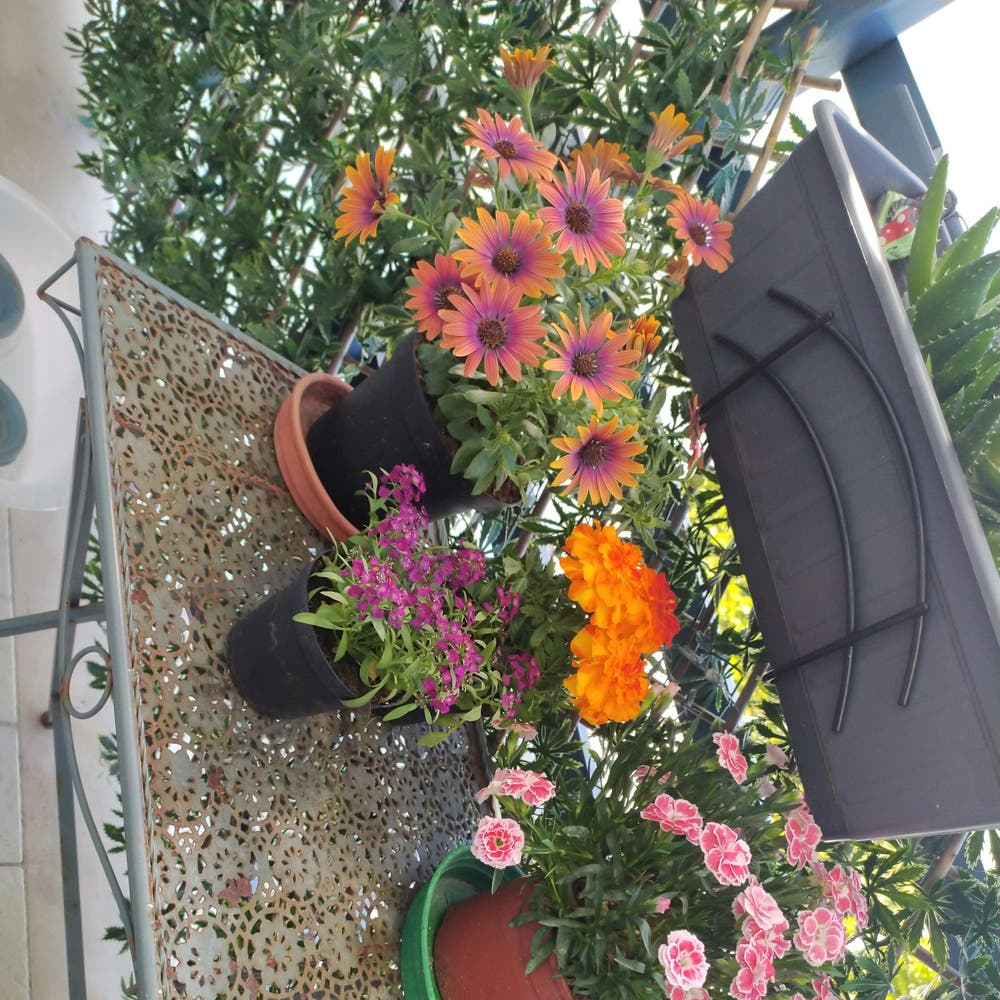
❄️ Best Tips for Repotting Snow Princess Alyssum
Lobularia maritima 'Snow Princess'
By the Greg Editorial Team
Sep 28, 2024•5 min read
This article was created with the help of AI so we can cover more plants for you. May contain errors. See one? Report it here.
Ensure your Snow Princess Alyssum thrives 🌼 by spotting repotting signs early and taking action! 🌱
- 🌱 Signs of root bound include roots out of drainage holes and stunted growth.
- 🌼 Repot in early spring or fall for optimal growth and blooming.
- 🪴 Choose well-draining soil and appropriate pot size for healthy Alyssum roots.
Signs That Alyssum Needs Repotting
🌱 Root Bound Indicators
One of the first signs that your Snow Princess Alyssum needs repotting is when you notice roots growing out of the drainage holes. This is a clear indication that the plant has outgrown its current pot.
Another telltale sign is when roots start circling the pot. This behavior suggests that the plant is running out of space, which can hinder its growth.
🩺 Plant Health Symptoms
Keep an eye on your plant's health. If you see stunted growth or yellowing leaves, it might be time for a new pot. These symptoms often indicate that the roots are cramped and struggling to absorb nutrients.
Wilting, even when you've watered adequately, is another red flag. This could mean the roots are too confined to take up enough moisture.
🌼 Seasonal Changes
Changes in blooming patterns can also signal the need for repotting. If you notice a decline in flowering or reduced blooming frequency, your Alyssum may be signaling that it needs more space to thrive.
Recognizing these signs early can help ensure your Alyssum remains vibrant and healthy. Now that you know when to repot, let’s explore the best time of year to make that move.
Best Time of Year to Repot Alyssum
🌱 Ideal Seasons
The best times to repot your Snow Princess Alyssum are early spring and fall. Early spring is ideal because it allows you to repot before new growth begins, giving your plant a fresh start.
In the fall, repotting after flowering has ceased helps prepare your Alyssum for the cooler months ahead. This timing ensures the plant can settle into its new home before winter sets in.
🌡️ Temperature Considerations
When repotting, aim for an optimal temperature range of 60°F to 75°F (15°C to 24°C). This temperature range promotes healthy root development and minimizes stress on the plant.
Avoid repotting during extreme heat or cold, as these conditions can shock the plant and hinder its growth. A stable environment is key to a successful repotting experience.
Transitioning to the next section, understanding the right time and conditions for repotting sets the stage for a smooth and effective process. Let’s dive into the step-by-step guide to repotting your Alyssum!
Pot Material Options
Benefits of Terracotta Pots 🌱
Terracotta pots are a gardener's best friend when it comes to promoting healthy root systems. Their breathability allows air circulation, which is crucial for root health, while their moisture regulation helps prevent overwatering.
Advantages of Plastic Pots ♻️
Plastic pots are lightweight and incredibly easy to handle, making them a popular choice for many gardeners. They also retain moisture longer, which means you won't have to water as frequently.
Disadvantages of Metal Pots ⚙️
While metal pots can look stylish, they come with some drawbacks. They tend to retain heat, which can lead to overheating of the roots, and their lack of drainage may require you to make modifications for optimal plant health.
Choosing the Right Size Pot 📏
Selecting the right pot size is essential for your Alyssum's growth. A pot diameter of 6-8 inches is recommended for mature plants, while young plants should start in smaller pots and be upgraded as they grow.
Understanding the pros and cons of different pot materials will help you make informed choices for your Alyssum. Next, let’s dive into the best potting soil and drainage options to ensure your plants thrive.
Potting Soil and Drainage
🌱 Recommended Potting Soil
For your Snow Princess Alyssum, a well-draining potting mix is essential. Aim for a blend of peat moss, perlite, and compost to create a nutrient-rich environment.
The ideal pH level for this mix should be slightly acidic to neutral, ranging from 6.0 to 7.0. This balance helps your plant thrive and absorb nutrients effectively.
💧 Importance of Drainage
Proper drainage is crucial for preventing root rot, which can devastate your Alyssum. Good drainage promotes healthy growth and ensures that your plant receives the right amount of moisture.
Without adequate drainage, excess water can accumulate, leading to soggy soil and unhealthy roots. This is why choosing the right pot and soil mix is vital.
🪴 How to Improve Drainage
To enhance drainage, consider incorporating perlite or coarse sand into your potting mix. These materials create air pockets that allow excess water to escape easily.
Always use pots with drainage holes to facilitate this process. You might also want to add a layer of gravel or small stones at the bottom of the pot for extra drainage support.
With the right potting soil and drainage setup, your Snow Princess Alyssum will be well on its way to flourishing. Next, let’s explore the various pot material options to find the best fit for your plant.
Post-Repotting Care
💧 Watering Tips After Repotting
After repotting your Snow Princess Alyssum, the initial watering is crucial. Ensure the soil is moist but not soggy to help the plant acclimate.
Monitor the watering frequency closely. Allow the top inch of soil to dry out before rewatering, which helps prevent overwatering and root rot.
☀️ Light Requirements After Repotting
Your Alyssum thrives in full sun to partial shade, needing about 6-8 hours of sunlight daily. If your plant was previously in lower light, gradually acclimate it to full sun to avoid shock.
🌱 Fertilization Considerations Post-Repotting
It’s best to delay fertilization for 2-4 weeks after repotting. This waiting period allows the roots to settle into their new environment.
Once settled, use a balanced, water-soluble fertilizer at half strength to give your Alyssum a gentle boost. This approach ensures your plant receives the nutrients it needs without overwhelming its delicate roots.
With proper post-repotting care, your Snow Princess Alyssum will flourish beautifully. Next, let’s explore the best pot material options to enhance your plant's growth.
⚠️ Safety First
This content is for general information and may contain errors, omissions, or outdated details. It is not medical, veterinary advice, or an endorsement of therapeutic claims.
Always consult a qualified healthcare professional before using any plant as food, medicine, or supplement.
Never eat any plant (or feed one to pets) without confirming its identity with at least two trusted sources.
If you suspect poisoning, call Poison Control (800) 222-1222, the Pet Poison Helpline (800) 213-6680, or your local emergency service immediately.
Spotted an error? Please report it here.
Repotting your Snow Princess Alyssum is the key to blooming brilliance 🌼, and with Greg's tailored reminders and expert tips, you'll create the perfect environment for your plant to flourish!