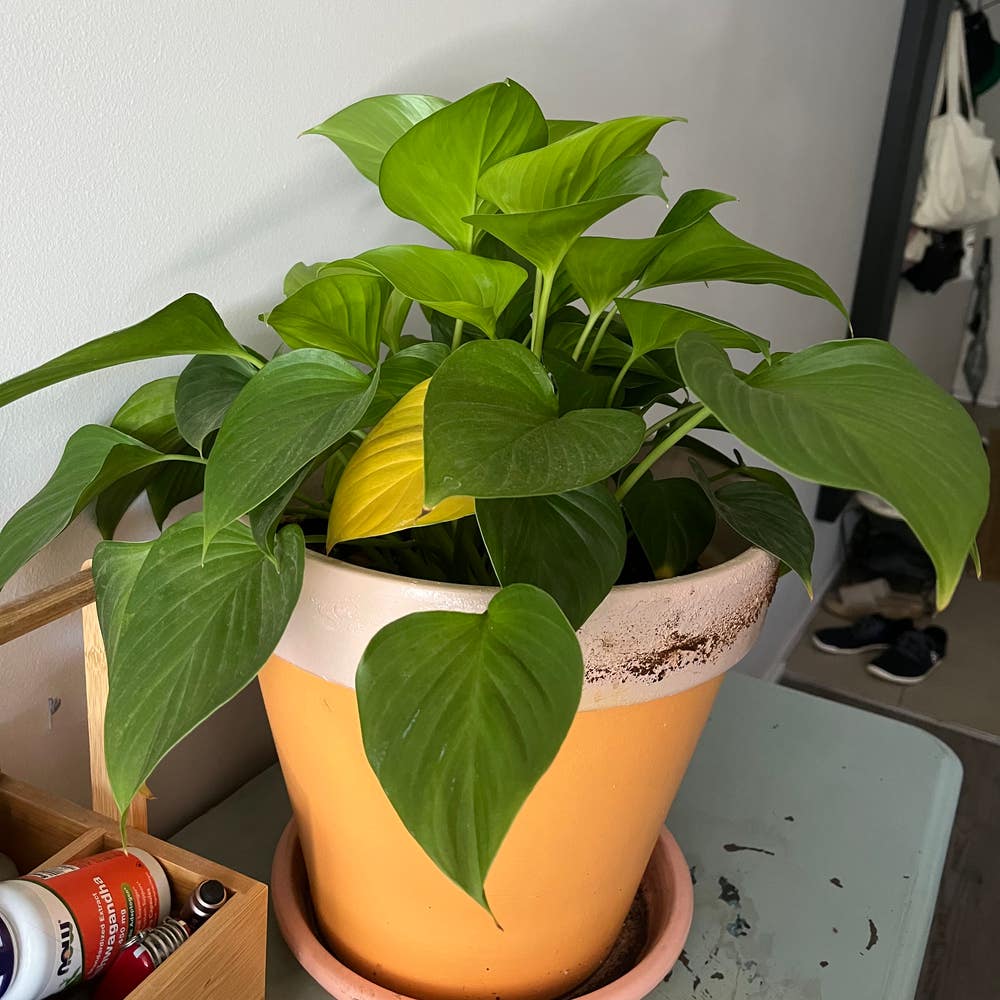
🔍 Identifying What is Eating Your Homalomena 'Camouflage'
Homalomena 'Camouflage'
By the Greg Editorial Team
Nov 07, 2024•5 min read
This article was created with the help of AI so we can cover more plants for you. May contain errors. See one? Report it here.
Safeguard your Homalomena 'Camouflage' from pesky herbivores with these essential protection tips! 🌿
- 🐾 Identify herbivores like deer and rabbits to protect your Homalomena 'Camouflage'.
- 🚫 Use effective deterrents such as sprays and barriers to keep pests away.
- 🌱 Monitor regularly for signs of damage to ensure your plant's health.
Signs of Presence and Damage by Common Herbivores
🦌 Deer
Signs and Damage
Deer can be quite the nuisance for your Homalomena 'Camouflage.' Look for hoof prints in muddy areas nearby, and check for irregularly shaped leaf edges or stripped foliage, which indicate browsing.
Impact on Plant Health
The impact of deer is generally harmful. If left unmanaged, they can severely damage or even kill your plant.
Deterrent Methods
To keep deer at bay, consider using commercial repellents with strong scents. Alternatively, planting deer-resistant companion plants or scattering human hair around your garden can be effective organic methods.
🐇 Rabbits
Signs and Damage
Rabbits leave behind small, round droppings and create nibbling marks on leaves. You may also notice cleanly cut stems and leaves, often at a 45-degree angle.
Impact on Plant Health
Rabbits can stunt growth and reduce the overall vigor of your plant. Their feeding habits are generally harmful.
Deterrent Methods
For an easy solution, try applying bitter-tasting sprays. Additionally, erecting a fence that is 2-3 feet high or using repellents like cayenne pepper can help deter these furry pests.
🐿️ Squirrels
Signs and Damage
Squirrels are notorious for their destructive habits. Look for chewed leaves and scattered debris around the base of your plant, along with gnaw marks on stems and leaves.
Impact on Plant Health
The damage caused by squirrels is generally harmful. Their activities can weaken the plant and make it more susceptible to disease.
Deterrent Methods
To deter squirrels, consider using capsaicin-based sprays. Installing squirrel-proof feeders or employing noise deterrents can also help keep them away.
🐦 Birds
Signs and Damage
Birds can be both friends and foes. Signs of their presence include peck marks on leaves and scattered feathers, while damage may manifest as holes in leaves or even potential nest building in the plant.
Impact on Plant Health
The impact of birds is mixed. While some birds help control pests, others can cause significant damage.
Deterrent Methods
To scare birds away, use reflective tape or shiny objects. Organic options like netting can also protect your plant from pecking.
🐭 Rodents and Groundhogs
Signs and Damage
Rodents leave small holes in the soil and gnaw marks on stems. Groundhogs, on the other hand, can cause root damage and completely remove young shoots and leaves.
Impact on Plant Health
Both rodents and groundhogs are generally harmful. Their activities can lead to significant plant decline.
Deterrent Methods
For a hard-to-manage problem, consider using rodent bait stations. Organic solutions include traps and planting mint or other deterrent plants nearby, along with fencing that is 3-4 feet high for groundhogs.
Understanding the signs and damage caused by these common herbivores is crucial for maintaining the health of your Homalomena 'Camouflage.' By implementing effective deterrent methods, you can protect your plant and ensure its thriving growth. Next, let’s explore the beneficial animals that can positively impact your garden ecosystem.
Beneficial Animals and Their Ecological Roles
🐝 Pollinators: The Unsung Heroes
Pollinators like bees and butterflies play a crucial role in the health of your garden. They visit plants for nectar, facilitating the process of pollination that leads to fruit and seed production.
🐞 Predatory Insects: Nature's Pest Control
Ladybugs and lacewings are not just pretty to look at; they are effective predators of common garden pests. By keeping aphid populations in check, these beneficial insects help maintain a balanced ecosystem.
🌱 Positive Impacts on Biodiversity
The presence of beneficial animals enhances biodiversity, which is vital for a thriving garden. A diverse ecosystem promotes resilience against pests and diseases, creating a healthier environment for your plants.
⚖️ Creating a Balanced Ecosystem
Encouraging beneficial animals in your garden can lead to a more harmonious environment. By understanding their roles, you can create conditions that attract these helpful creatures, ultimately supporting your Homalomena 'Camouflage' and other plants.
Incorporating these beneficial animals into your gardening strategy not only protects your plants but also enriches the overall ecosystem. As we move forward, let’s explore general strategies for protecting your plants from herbivores.
General Strategies for Protection
🛡️ Preventive Measures
Regular monitoring is crucial for keeping your Homalomena 'Camouflage' safe from herbivores. Look for signs of activity, such as tracks or nibbling, to catch any issues early.
Creating a diverse planting scheme can also confuse and deter herbivores. Mixing in various plants not only enhances your garden's aesthetic but also makes it harder for pests to target your Homalomena.
⚠️ Reactive Solutions
If you notice damage, act quickly by removing affected foliage. This helps the plant recover and prevents further issues.
Implementing traps or barriers can be an effective way to protect your plants. Consider using physical barriers like fences or traps to keep herbivores at bay.
🌱 Seasonal Variations
Be aware that herbivore activity often spikes in spring and early summer. Young shoots are particularly appealing during this time, so stay vigilant.
Adjust your protection strategies seasonally. For example, consider using stronger deterrents or barriers when you know herbivores are more active.
By employing these strategies, you can create a healthier environment for your Homalomena 'Camouflage' and minimize the impact of unwanted visitors. Next, let’s explore the beneficial animals that can enhance your garden’s ecosystem.
Toxicity and Safety
Homalomena 'Camouflage' exhibits mild toxicity, which can deter some animals from feasting on its leaves. This natural defense mechanism is beneficial, but it’s essential to understand the implications for pets and wildlife.
Educating gardeners about the plant's toxicity is crucial to prevent accidental ingestion. Awareness can help ensure a safe environment for both pets and local wildlife, allowing everyone to coexist harmoniously.
By understanding these safety aspects, you can enjoy the beauty of your Homalomena while keeping your garden safe. Now that we've covered toxicity, let’s explore the beneficial animals that can enhance your garden's ecosystem.
🐾 Understanding Plant Toxicity
🌿 Safe Gardening Practices
⚠️ Safety First
This content is for general information and may contain errors, omissions, or outdated details. It is not medical, veterinary advice, or an endorsement of therapeutic claims.
Always consult a qualified healthcare professional before using any plant as food, medicine, or supplement.
Never eat any plant (or feed one to pets) without confirming its identity with at least two trusted sources.
If you suspect poisoning, call Poison Control (800) 222-1222, the Pet Poison Helpline (800) 213-6680, or your local emergency service immediately.
Spotted an error? Please report it here.
Safeguard your Homalomena 'Camouflage' from pesky herbivores with Greg's tailored alerts and expert tips, ensuring your plant thrives in a healthy garden ecosystem! 🌿