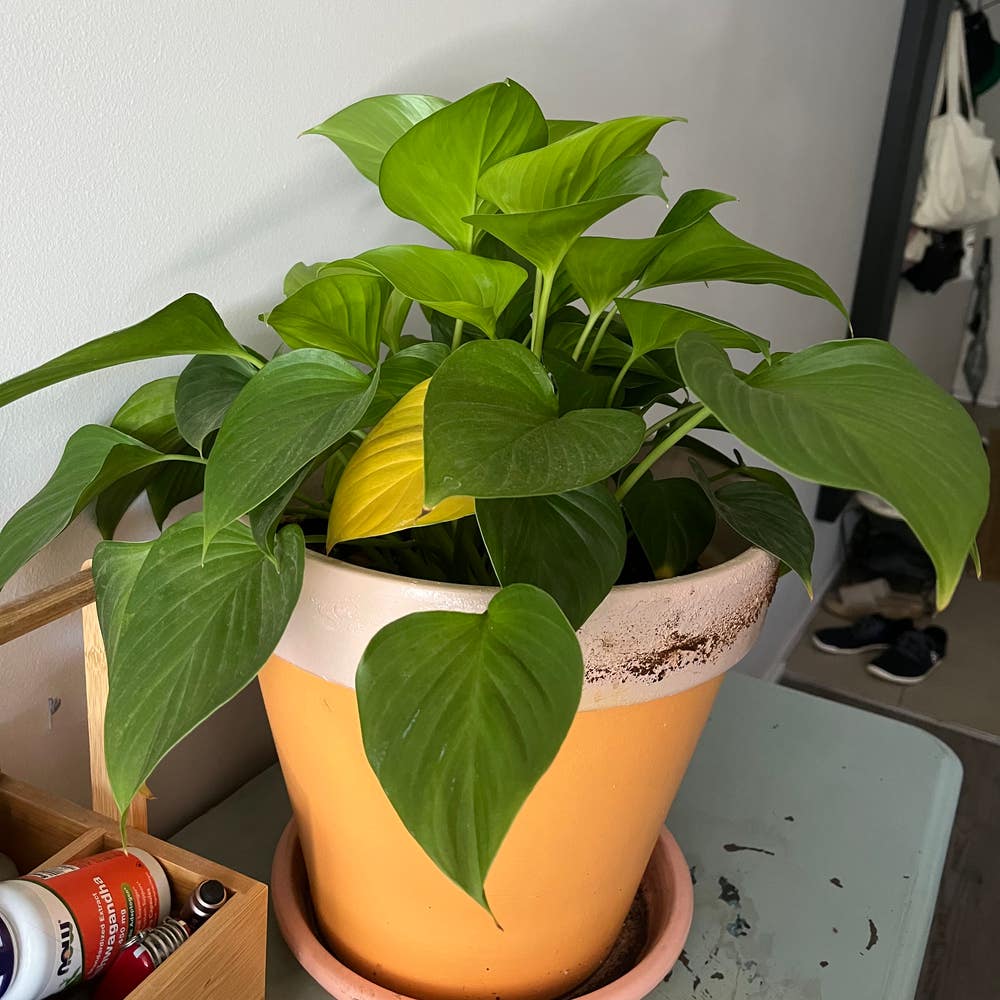
How to Cure Curling Leaves on Your Homalomena 'Camouflage' 🩹
Homalomena 'Camouflage'
By the Greg Editorial Team
Nov 07, 2024•7 min read
This article was created with the help of AI so we can cover more plants for you. May contain errors. See one? Report it here.
Transform your Homalomena 'Camouflage' into a thriving beauty by preventing curling leaves with these essential tips! 🌿
- 🌱 Curling leaves signal stress from overwatering, underwatering, pests, or fungal infections.
- 💧 Maintain humidity at 60-80% and temperatures between 20°C to 30°C for optimal health.
- 🐛 Inspect regularly for pests like spider mites and aphids to prevent damage.
Causes of Curling Leaves
🌪️ Environmental Stress Factors
Homalomena 'Camouflage' is sensitive to changes in its environment. Fluctuations in light, humidity, and temperature can lead to curling leaves, discoloration, and wilting.
To thrive, this plant prefers humidity levels between 60-80% and temperatures ranging from 20°C to 30°C (68°F to 86°F). When these conditions are not met, stress symptoms become evident.
💧 Overwatering and Root Rot
Overwatering is a common issue that can cause serious damage. Symptoms include yellowing leaves and mushy roots, indicating that the plant is struggling.
Root rot often results from poor drainage and soil that retains too much moisture. Ensuring well-draining soil and selecting the right pot can prevent these problems.
🚰 Underwatering and Drought Stress
On the flip side, underwatering can also lead to curling leaves. Symptoms include crispy leaf edges and inward curling, signaling that the plant is thirsty.
To maintain healthy moisture levels, allow the top 1-2 inches of soil to dry out before watering. Consistent moisture is key to keeping your Homalomena happy.
🕷️ Pest Infestations
🕸️ Spider Mites
Spider mites can wreak havoc on your plant. Look for fine webbing on leaves and yellow speckling as signs of an infestation.
To control spider mites, increase humidity around the plant and consider using insecticidal soap or neem oil for treatment.
🐜 Aphids
Aphids are another pest to watch out for. Signs include sticky residue on leaves and distorted new growth, indicating these pests are feeding on your plant.
Introducing beneficial insects like ladybugs can help manage aphid populations, along with applying insecticidal soap for effective control.
🍄 Fungal Infections and Diseases
Fungal issues can also cause curling leaves. Common problems include powdery mildew and leaf spot diseases, which present as a white powdery coating or dark spots on leaves.
To prevent and treat these infections, improve air circulation around the plant and use fungicides as needed. Keeping your plant healthy is essential for avoiding these diseases.
Understanding these causes is crucial for maintaining the health of your Homalomena 'Camouflage.' By addressing environmental stress, watering practices, pests, and diseases, you can keep your plant thriving and prevent curling leaves.
Diagnosing Curling Leaves
🌿 Identifying Symptoms of Leaf Curl
Curling leaves can signal various issues with your Homalomena 'Camouflage.' Inward curling often indicates underwatering, while outward curling typically points to overwatering or pest damage.
🔍 Differentiating Between Causes
To pinpoint the problem, check soil moisture levels using a moisture meter. Observing changes in leaf texture and color can also provide clues about whether your plant is overwatered or underwatered.
🐛 Recognizing Pest Damage
Inspect the undersides of leaves for pests that may be causing damage. Look for sticky residue or fine webbing, which are telltale signs of infestations.
🌞 Assessing Environmental Conditions
Evaluate your plant's light exposure to ensure it receives adequate indirect sunlight. Use a hygrometer to monitor humidity levels, and keep your plant away from drafts and heat sources to maintain a stable temperature.
By carefully diagnosing these symptoms and conditions, you can take the necessary steps to restore your Homalomena 'Camouflage' to health. Next, we’ll explore effective treatment methods for curling leaves.
Treating Curling Leaves
🌊 Step-by-Step Guide to Adjusting Watering Practices
To start, checking soil moisture is crucial. Use your finger or a moisture meter to determine if the top 1-2 inches of soil are dry.
If they are, water thoroughly until excess moisture drains out. This ensures your Homalomena 'Camouflage' gets the hydration it needs without becoming waterlogged.
Adjust your watering frequency based on seasonal changes. During warmer months, you may need to water more often, while cooler months may require less.
🐛 How to Treat Pest Infestations
Pest control begins with identification. Inspect your plant visually to determine the type of pest affecting it.
Once identified, apply insecticidal soap or neem oil according to the package instructions. These treatments can effectively eliminate pests without harming your plant.
Increasing humidity can also deter spider mites, which thrive in dry conditions. Regular monitoring is essential to catch any signs of re-infestation early.
🍄 Methods for Addressing Fungal Infections
Fungal infections can be tricky, but early intervention is key. Start by removing any affected leaves to prevent the spread of the fungus.
Improving air circulation around your plant can significantly reduce the risk of fungal issues. Consider repositioning your plant or using a small fan to enhance airflow.
Next, apply a suitable fungicide as directed on the label. This can help manage existing infections and protect your plant from future outbreaks.
Finally, ensure your watering practices are appropriate to avoid creating damp conditions that foster fungal growth. Consistency is vital for maintaining a healthy environment for your Homalomena.
By following these steps, you can effectively treat curling leaves and restore your plant's health. With proper care, your Homalomena 'Camouflage' will thrive, leading us to the next important topic: preventing curling leaves in the future.
Preventing Curling Leaves
🌊 Best Practices for Watering
To keep your Homalomena 'Camouflage' thriving, water it when the top 1-2 inches of soil feel dry. Using room temperature water helps avoid shocking the plant, promoting healthy growth.
Ensure your pots have drainage holes to prevent waterlogging, which can lead to root rot. Proper drainage is crucial for maintaining the right moisture balance.
🌡️ Maintaining Ideal Humidity and Temperature
Your plant loves a warm, humid environment, so keep it cozy. Avoid placing it near air conditioning vents or heaters, as these can create temperature fluctuations that stress the plant.
Regularly check humidity levels with a hygrometer and adjust as necessary. Aim for a humidity range of 60-80% to keep your plant happy and healthy.
🔍 Regular Inspection for Pests and Diseases
Conduct weekly inspections to catch early signs of pests or diseases. Look for any unusual spots or sticky residues on leaves, which can indicate infestations.
Promptly remove any dead or yellowing leaves to maintain plant health. Keeping the growing area clean also reduces the risk of disease, ensuring your Homalomena stays vibrant.
By following these preventive measures, you can significantly reduce the chances of curling leaves and keep your plant flourishing. Next, let’s explore how to monitor your plant's health effectively.
Monitoring Plant Health
🌱 Signs of Recovery from Leaf Curl
When your Homalomena 'Camouflage' starts to bounce back, you'll notice new growth that looks healthy and firm. Additionally, the leaves will gradually return to their normal shape and vibrant color, signaling that your care is paying off.
Keep an eye out for reduced signs of pests or diseases. A healthy plant will show fewer issues, indicating that your interventions are working.
🛠️ Regular Care Routines to Prevent Future Issues
To maintain your plant's health, establish a consistent watering and fertilization schedule. This routine helps ensure your plant receives the nutrients and moisture it needs to thrive.
Rotating the plant periodically is also beneficial. This practice promotes even light exposure, preventing any side from becoming leggy or weak.
Consider keeping a journal of your plant care. Tracking changes and improvements can help you identify what works best for your Homalomena.
🌿 Importance of Proper Fertilization
Using a balanced, water-soluble fertilizer during the growing season is crucial. This approach provides essential nutrients that support healthy growth.
Always follow the package instructions for dilution and frequency. Over-fertilizing can harm your plant, so moderation is key.
Finally, monitor your plant's response to fertilization. Adjust your approach as needed to ensure your Homalomena continues to flourish.
By staying vigilant and proactive, you can keep your plant healthy and vibrant, minimizing the chances of curling leaves in the future.
⚠️ Safety First
This content is for general information and may contain errors, omissions, or outdated details. It is not medical, veterinary advice, or an endorsement of therapeutic claims.
Always consult a qualified healthcare professional before using any plant as food, medicine, or supplement.
Never eat any plant (or feed one to pets) without confirming its identity with at least two trusted sources.
If you suspect poisoning, call Poison Control (800) 222-1222, the Pet Poison Helpline (800) 213-6680, or your local emergency service immediately.
Spotted an error? Please report it here.
Transform curling leaves into lush growth 🌿 by using Greg's tailored watering reminders and pest control tips to keep your Homalomena 'Camouflage' thriving!