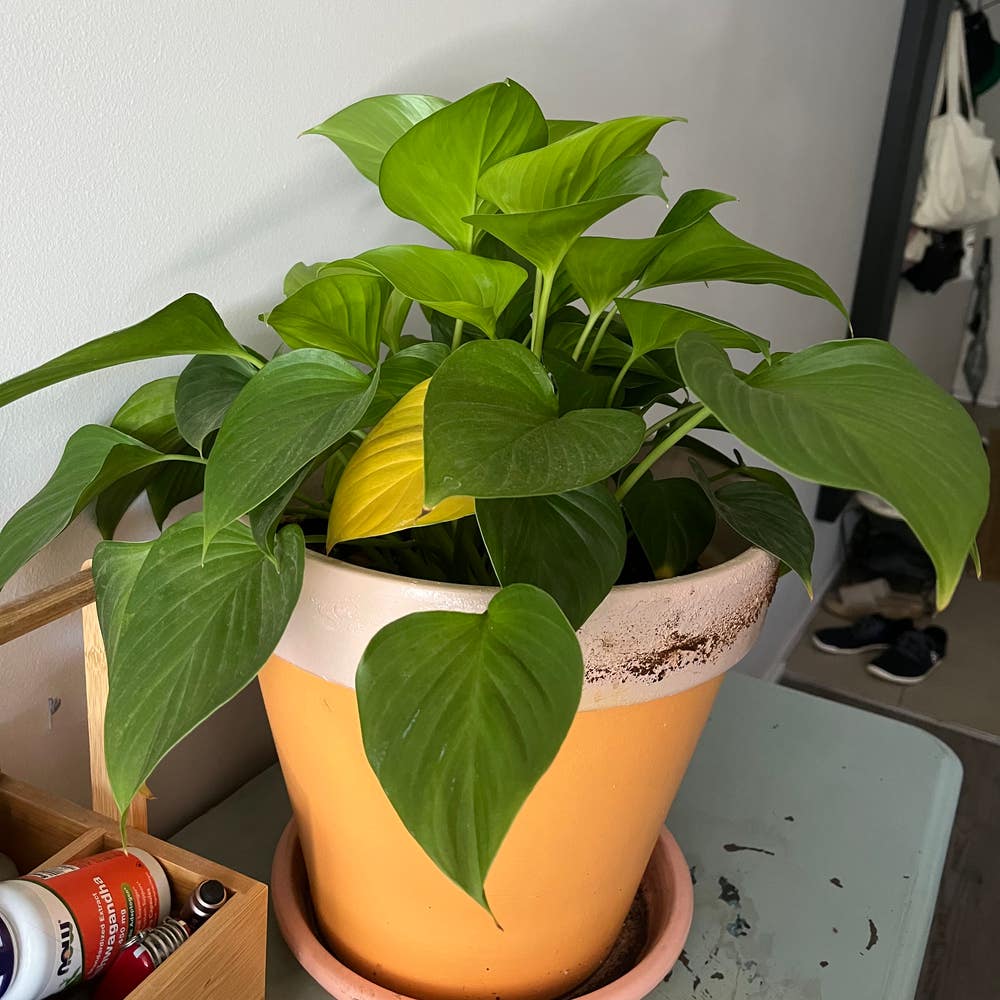
How to Cure Brown Spots on Your Homalomena 'Camouflage' 🩹
Homalomena 'Camouflage'
By the Greg Editorial Team
Nov 07, 2024•7 min read
This article was created with the help of AI so we can cover more plants for you. May contain errors. See one? Report it here.
Revive your Homalomena 'Camouflage' and banish brown spots for vibrant, healthy growth! 🌱✨
- 🌧️ Brown spots arise from overwatering, underwatering, pests, or nutrient deficiencies.
- 🌬️ Maintain 60% humidity and well-draining soil for optimal plant health.
- 🐞 Regularly inspect for pests and treat with neem oil to prevent damage.
Causes of Brown Spots
💧 Overwatering and Root Rot
Brown spots on your Homalomena 'Camouflage' often stem from overwatering. Symptoms include yellowing leaves, mushy roots, and those dreaded brown spots.
Excess water leads to poor drainage and ultimately root rot. To prevent this, ensure you use well-draining soil and allow the top inch of soil to dry out before watering.
🚰 Underwatering and Leaf Dehydration
On the flip side, underwatering can also cause brown spots. If you notice crispy, dry edges along with the spots, your plant may be dehydrated.
Infrequent watering is the main culprit here. To combat this, make it a habit to water consistently when the top inch of soil feels dry.
🌬️ Low Humidity Levels
Low humidity can wreak havoc on your plant, leading to brown tips and spots, especially in dry environments. Homalomena 'Camouflage' thrives in high humidity, ideally around 60% or higher.
To prevent humidity-related issues, consider using a humidifier or placing pebble trays filled with water under your plant.
🐜 Pest Infestations
🕷️ Spider Mites
Spider mites are notorious for causing damage. Look for fine webbing and stippled leaves as signs of an infestation.
To control these pests, increase humidity around the plant and apply insecticidal soap as needed.
🧼 Mealybugs
Another common pest is the mealybug, identifiable by cotton-like clusters on leaves and stems.
You can remove these pests manually or treat your plant with neem oil for effective control.
🍄 Fungal Infections
🌿 Leaf Spot Disease
Fungal infections, particularly leaf spot disease, can lead to dark brown spots with yellow halos. This condition often arises from overwatering and poor air circulation.
To prevent leaf spot disease, ensure good airflow around your plant and avoid overhead watering.
🌱 Nutrient Deficiencies
🥔 Potassium Deficiency
A potassium deficiency can manifest as marginal leaf burn and brown spots.
To treat this, use a balanced fertilizer that includes potassium to restore your plant's health.
🧂 Magnesium Deficiency
If you notice interveinal chlorosis along with brown spots, your plant may be suffering from magnesium deficiency.
Applying Epsom salt can serve as an effective magnesium supplement to help your plant recover.
Understanding these causes is crucial for maintaining the health of your Homalomena 'Camouflage.' By addressing these issues promptly, you can prevent further damage and promote vibrant growth. Next, let’s explore how to diagnose brown spots effectively.
Diagnosing Brown Spots
🕵️♂️ Identifying the Type of Brown Spots
Brown spots on your Homalomena 'Camouflage' can be categorized into two main types: dry and wet. Dry spots often signal underwatering or low humidity, while wet spots typically indicate overwatering or fungal infections.
🌦️ Assessing Environmental Conditions
To effectively diagnose the issue, start by evaluating the environmental conditions. Ensure your plant receives bright, indirect light, as direct sunlight can scorch the leaves.
Next, measure the humidity levels; aim for a minimum of 60% to keep your plant thriving. Lastly, maintain temperatures between 65°F to 80°F (18°C to 27°C) for optimal growth.
🐜 Checking for Pests and Signs of Infestation
Pests can also contribute to brown spots, so inspect the leaves and stems regularly. Look for signs such as fine webbing, sticky residue, or visible insects that may indicate an infestation.
💧 Evaluating Watering Practices and Soil Moisture
Watering practices play a crucial role in plant health. Use a moisture meter to check soil moisture levels before watering.
Adjust your watering frequency based on the plant's needs and the environmental conditions to prevent further damage.
By carefully diagnosing the type of brown spots and assessing the surrounding conditions, you can take the necessary steps to restore your Homalomena 'Camouflage' to its vibrant state.
Next, we’ll explore effective treatment options to address these brown spots and promote healthy growth.
Treatment Options
When it comes to curing brown spots on your Homalomena 'Camouflage', effective treatment options are essential. Here’s a breakdown of practical steps you can take to restore your plant's health.
🌊 Adjusting Watering Practices
Proper watering is crucial for your plant's well-being.
- Check soil moisture before watering. This ensures you only water when necessary.
- Water thoroughly until excess drains from the bottom. This promotes healthy root growth.
- Allow the top inch of soil to dry out between waterings. This prevents overwatering and root rot.
💧 Increasing Humidity
Homalomena 'Camouflage' thrives in high humidity.
- Use a humidifier to maintain humidity levels. Aim for at least 60% humidity.
- Place a tray of water with pebbles under the pot. This creates a localized humid environment.
- Group plants together to create a microclimate. This can help boost humidity levels naturally.
🐛 Treating Pests
Pest infestations can lead to unsightly brown spots.
- Identify the pest type. Common culprits include spider mites and mealybugs.
- Apply organic solutions like neem oil or insecticidal soap. These treatments are effective and safe for your plant.
- Monitor for re-infestation and repeat treatments as necessary. Consistency is key to keeping pests at bay.
🍄 Addressing Fungal Infections
Fungal issues can be tricky but manageable.
- Remove affected leaves with sterilized scissors. This helps prevent the spread of the infection.
- Apply fungicides according to package instructions. Follow directions carefully for best results.
- Improve air circulation around the plant. Good airflow reduces humidity around the leaves, minimizing fungal growth.
✂️ Pruning Affected Leaves
Pruning is a straightforward way to enhance your plant's appearance.
- Identify leaves with severe damage. Focus on the most affected areas first.
- Use clean, sharp pruning shears. This minimizes stress on the plant.
- Cut leaves at the base, avoiding damage to healthy tissue. This promotes new growth and keeps your plant looking tidy.
By following these treatment options, you can effectively manage and cure brown spots on your Homalomena 'Camouflage'. With a little care and attention, your plant will thrive once again.
Next, let’s explore how to prevent brown spots from occurring in the first place.
Preventing Brown Spots
🌊 Best Practices for Watering and Soil Management
To keep your Homalomena 'Camouflage' healthy, start with well-draining soil and pots that have drainage holes. Consistent watering is key; adjust your schedule based on the plant's needs and environmental conditions.
💧 Maintaining Optimal Humidity Levels
Humidity plays a crucial role in your plant's health. Regularly check humidity levels and make adjustments as needed, using a hygrometer for accurate readings.
🐛 Regular Pest Inspections and Preventive Treatments
Pests can sneak up on you, so inspect your plants weekly for any signs of infestation. During peak pest seasons, apply preventive treatments to keep these unwanted guests at bay.
🌱 Fertilization Tips to Avoid Nutrient Deficiencies
To ensure your plant gets the nutrients it needs, use a balanced fertilizer every 4-6 weeks during the growing season. A slow-release fertilizer can also provide a steady supply of nutrients over time.
☀️ Proper Placement and Light Conditions
Placement is everything! Position your plant in bright, indirect light to promote healthy growth. Avoid spots near drafts or direct heat sources, as these can stress your plant.
By following these preventive measures, you can significantly reduce the chances of brown spots appearing on your Homalomena 'Camouflage.' Keeping a close eye on watering, humidity, pests, and light conditions will help maintain its vibrant health. Next, let's explore how to monitor your plant's health effectively.
Monitoring Plant Health
🌱 Signs of Recovery from Brown Spots
As your Homalomena 'Camouflage' begins to heal, watch for new growth. Healthy, green leaves sprouting are a clear indicator that your plant is bouncing back.
Fewer brown spots on existing leaves also signal improvement. This reduction shows that your care adjustments are making a difference.
🧑🌾 Regular Care Routines to Maintain Leaf Health
Establishing a consistent watering and fertilization schedule is crucial for your plant's ongoing health. Regularly check the soil moisture and adjust your watering frequency based on the plant's needs.
Don't forget to monitor humidity levels as well. Keeping humidity stable will help your plant thrive and prevent future issues.
🌍 Importance of Environmental Stability
Maintaining a stable environment is key to reducing stress on your plant. Sudden changes in light, temperature, or humidity can lead to setbacks.
Aim for consistency in your plant's surroundings to support its recovery. A little stability goes a long way in promoting overall health and resilience.
With these practices in place, your Homalomena 'Camouflage' will not only recover but flourish, setting the stage for vibrant growth ahead.
⚠️ Safety First
This content is for general information and may contain errors, omissions, or outdated details. It is not medical, veterinary advice, or an endorsement of therapeutic claims.
Always consult a qualified healthcare professional before using any plant as food, medicine, or supplement.
Never eat any plant (or feed one to pets) without confirming its identity with at least two trusted sources.
If you suspect poisoning, call Poison Control (800) 222-1222, the Pet Poison Helpline (800) 213-6680, or your local emergency service immediately.
Spotted an error? Please report it here.
Eliminate those stubborn brown spots on your Homalomena 'Camouflage' by ensuring consistent care and environmental stability, and let Greg help you thrive with custom watering reminders and humidity tracking! 🌿