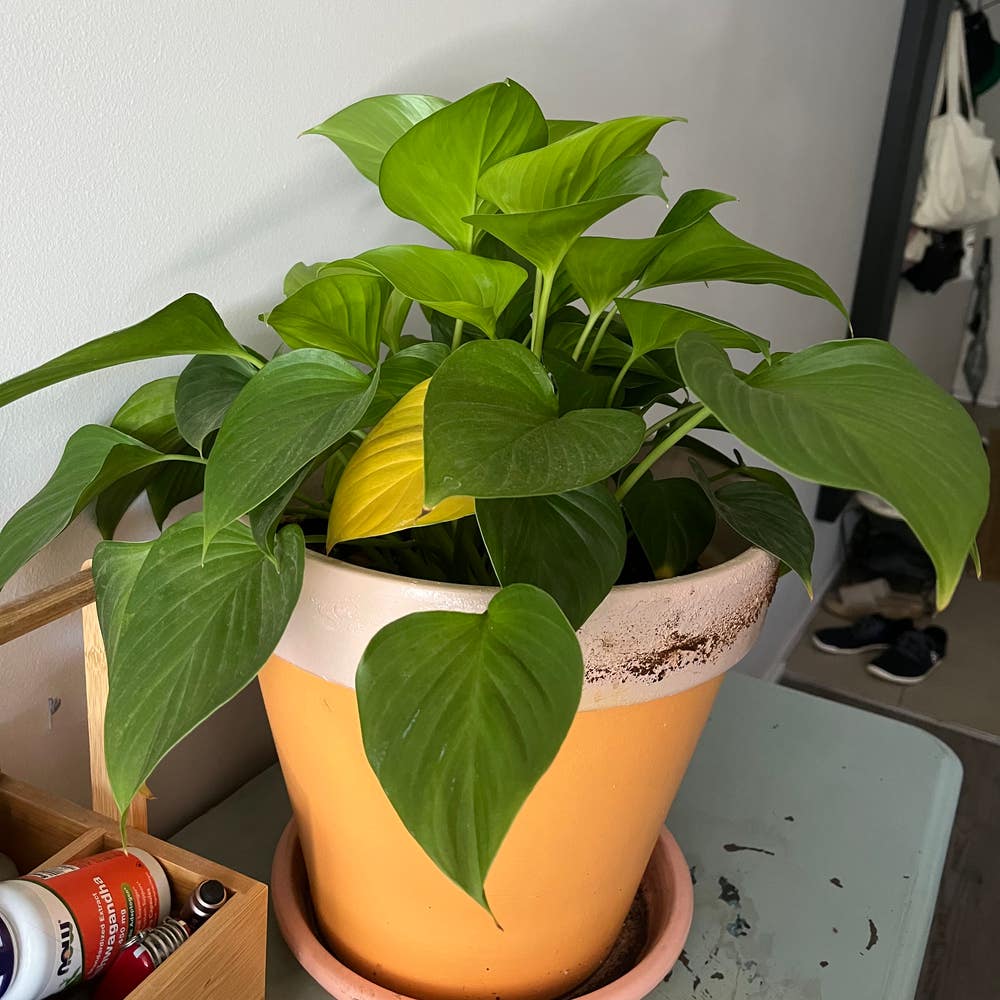
Why Your Homalomena 'Camouflage' Leaves Are Falling Over
Homalomena 'Camouflage'
By the Greg Editorial Team
Nov 07, 2024•6 min read
This article was created with the help of AI so we can cover more plants for you. May contain errors. See one? Report it here.
Transform your Homalomena 'Camouflage' into a lush beauty 🌱 by mastering essential care tips to prevent leaf drop!
- 🌞 Bright, indirect light is crucial; low light causes leaf drop in Homalomena 'Camouflage'.
- 💧 High humidity (60%+) prevents curling; maintain optimal levels for healthy leaves.
- 🌡️ Ideal temperature is 65°F to 80°F; avoid stress-related leaf drop with proper care.
Common Causes of Leaf Drop
🌪️ Environmental Stressors
Understanding the environmental stressors that affect your Homalomena 'Camouflage' is crucial for maintaining its health. Let's dive into the three main factors: light, humidity, and temperature.
💡 Light
Homalomena 'Camouflage' thrives in bright, indirect light. When exposed to low light conditions, you may notice leaves dropping as the plant struggles to photosynthesize effectively.
💧 Humidity
This plant prefers high humidity levels, ideally around 60% or more. If the air is too dry, you might see symptoms like leaf curling or browning, leading to eventual leaf drop.
🌡️ Temperature
The ideal temperature range for your Homalomena is between 65°F and 80°F (18°C to 27°C). Temperatures outside this range can stress the plant, causing leaves to droop or fall off as it tries to cope with the unfavorable conditions.
By keeping these environmental factors in check, you can significantly reduce the risk of leaf drop in your Homalomena 'Camouflage'. Next, let’s explore how your watering practices can impact your plant's health.
Watering Practices
💧 Overwatering: Symptoms and Solutions
Overwatering is a common issue for plant enthusiasts, especially with Homalomena 'Camouflage.' The first signs often include yellowing leaves and mushy stems, indicating that the roots are drowning.
Root rot is a serious consequence of overwatering. It occurs when the roots sit in waterlogged soil, leading to decay. To prevent this, ensure your pot has proper drainage and consider using a well-aerated potting mix.
To address overwatering, adjust your watering frequency. Allow the top inch of soil to dry out before watering again. Improving drainage can also help; consider repotting your plant in a container with drainage holes or adding perlite to your soil mix.
🚰 Underwatering: Signs and Remedies
On the flip side, underwatering can also lead to leaf drop. Symptoms include dry, crispy leaves and wilting, which signal that your plant is thirsty.
To recover from underwatering, gradually rehydrate your plant. Start by soaking the soil thoroughly, then allow it to dry out slightly before the next watering. This helps the roots absorb moisture without shock.
Monitoring soil moisture is crucial for maintaining healthy plants. Use moisture meters for accuracy or perform a simple finger test by inserting your finger into the soil. If it feels dry an inch down, it’s time to water.
By mastering your watering practices, you can significantly improve the health of your Homalomena 'Camouflage.' Next, let’s explore how to manage pests and diseases that can also affect your plant's vitality.
Pest and Disease Management
🐜 Common Pests and Their Impact
Pests can wreak havoc on your Homalomena 'Camouflage,' leading to leaf drop and overall decline. Understanding the most common culprits is crucial for effective management.
Spider Mites
Spider mites are tiny, often invisible pests that can cause significant damage. Look for fine webbing on the leaves and stippling, which appears as tiny yellow or white spots.
Mealybugs
Mealybugs are cottony pests that cluster in leaf joints and on stems. They suck sap from the plant, leading to yellowing leaves and stunted growth.
Other Potential Pests
Aphids and scale insects can also affect your plant's health. Aphids are small and can be green, black, or brown, while scale insects appear as small, hard bumps on stems and leaves.
🔍 Identifying and Treating Pest Infestations
Regular inspections are key to catching infestations early. Check the undersides of leaves and along stems for any signs of pests.
Inspection Techniques
Use a magnifying glass if needed to spot tiny pests. Look for discoloration, webbing, or sticky residue, which can indicate a problem.
Treatment Options
For treatment, consider insecticidal soap or neem oil, both effective against many pests. Manual removal can also work; simply wipe off pests with a damp cloth.
🛡️ Preventive Measures
Maintaining plant health is your best defense against pests. Ensure your Homalomena has optimal light, humidity, and watering practices to keep it thriving and less susceptible to infestations.
By staying vigilant and proactive, you can protect your plant from pests and ensure it remains healthy and vibrant. Next, let’s explore preventive measures to maintain leaf health and avoid future issues.
Preventive Measures
Best Practices for Maintaining Leaf Health 🌿
Regular monitoring is key to keeping your Homalomena 'Camouflage' healthy. Check for signs of stress, such as drooping or discolored leaves, and inspect for pests regularly.
Proper watering techniques are essential for consistent moisture levels. Ensure the soil is neither too dry nor waterlogged, as both extremes can lead to leaf drop.
A balanced fertilization schedule can make a significant difference during the growing season. Use fertilizers that provide essential nutrients to support robust leaf growth and overall plant health.
Seasonal Care Tips to Prevent Leaf Drop ❄️
Adjusting care during winter is crucial for your plant's well-being. Reduce watering and humidity levels to match the plant's dormant phase, preventing excess moisture that can lead to root issues.
In summer, ensure your Homalomena receives adequate light and humidity. This is the time for growth, so maintaining optimal conditions will help keep those beautiful leaves vibrant.
Seasonal pest checks are vital, especially during warmer months. Increase your vigilance, as pests tend to thrive in these conditions, and early detection can save your plant from significant damage.
By following these preventive measures, you can create a thriving environment for your Homalomena 'Camouflage' and minimize the risk of leaf drop. Next, let's dive into troubleshooting leaf issues to address any problems that may arise.
Troubleshooting Leaf Issues
Step-by-Step Guide to Diagnosing Leaf Problems 🌱
Diagnosing leaf issues in your Homalomena 'Camouflage' starts with assessing environmental conditions. Check the light, humidity, and temperature to ensure they align with the plant's needs.
Next, evaluate your watering practices. Determine whether you are overwatering or underwatering by observing the soil's moisture level and the plant's overall health.
Finally, inspect for pests and diseases. A visual examination of the leaves and stems can reveal any unwanted guests or signs of illness.
Solutions for Specific Leaf Conditions 💧
If you notice wilting leaves, it’s time to adjust your watering and humidity levels. Increasing humidity and ensuring consistent moisture can help revive your plant.
For yellowing leaves, evaluate the plant's nutrient needs and watering practices. A balanced approach to fertilization and watering can often restore vibrant green foliage.
Drooping leaves may indicate root health issues or environmental stress. Check the roots for signs of rot or damage and adjust care accordingly.
When to Seek Professional Help for Plant Issues 🆘
Be on the lookout for signs of severe stress, such as persistent leaf drop despite your best care efforts. This could indicate a deeper problem that needs expert attention.
If you encounter unidentified pests or diseases, it might be time to consult a professional. Difficulty in diagnosis can lead to further issues if not addressed promptly.
Lastly, don’t hesitate to seek expert advice when DIY solutions fail to resolve your plant's problems. Sometimes, a fresh perspective can make all the difference in restoring your Homalomena's health.
With these troubleshooting tips, you can confidently address leaf issues and keep your plant thriving. Next, let’s explore preventive measures to maintain leaf health and prevent future problems.
⚠️ Safety First
This content is for general information and may contain errors, omissions, or outdated details. It is not medical, veterinary advice, or an endorsement of therapeutic claims.
Always consult a qualified healthcare professional before using any plant as food, medicine, or supplement.
Never eat any plant (or feed one to pets) without confirming its identity with at least two trusted sources.
If you suspect poisoning, call Poison Control (800) 222-1222, the Pet Poison Helpline (800) 213-6680, or your local emergency service immediately.
Spotted an error? Please report it here.
Keep your Homalomena 'Camouflage' thriving 🌿 by using Greg's tailored care reminders to ensure optimal light, humidity, and watering, so you can say goodbye to leaf drop!