💧 Homalomena 'Camouflage' SOS: Rescue Your Plant from Root Rot
Homalomena 'Camouflage'
By the Greg Editorial Team
Nov 07, 2024•6 min read
This article was created with the help of AI so we can cover more plants for you. May contain errors. See one? Report it here.
Rescue your Homalomena 'Camouflage' from root rot and enjoy a thriving plant again! 🌿
- 🌱 Treat root rot in Homalomena 'Camouflage' with a step-by-step recovery approach.
- 🥄 Inspect roots carefully; healthy ones are firm, while rotting ones feel mushy.
- 💧 Prevent root rot by ensuring proper drainage and a consistent watering schedule.
Treating Root Rot
Step-by-Step Treatment Process 🌱
Treating root rot in your Homalomena 'Camouflage' requires a careful approach. Follow these steps to give your plant the best chance of recovery.
- Remove the Plant: Gently take the plant out of its pot, being careful not to damage the roots.
- Inspect the Roots: Look closely at the roots to distinguish between healthy and rotting sections.
- Trim Affected Roots: Use sterilized scissors to cut away any mushy or blackened roots, ensuring you only leave healthy tissue.
- Clean the Pot: Disinfect the pot with a bleach solution, mixing 1 part bleach to 10 parts water to eliminate any lingering pathogens.
- Prepare New Soil: Use a well-draining soil mix that’s suitable for tropical plants to promote healthy root growth.
- Repot the Plant: Place the plant back into the new soil, ensuring it is positioned correctly and securely.
- Water Sparingly: Allow the soil to dry slightly before the next watering to prevent further issues.
Tools and Materials Needed for Treatment 🛠️
To effectively treat root rot, gather the following tools and materials:
- Sterilized scissors or pruning shears: Essential for trimming affected roots.
- Disinfectant for cleaning pots: A bleach solution or a commercial disinfectant works well.
- Well-draining potting mix: Look for a mix designed for tropical plants.
- Moisture meter or soil probe: Useful for checking soil moisture levels accurately.
- New pot with drainage holes: Ensure your new pot has adequate drainage to prevent future rot.
By following these steps and using the right tools, you can help your Homalomena 'Camouflage' recover from root rot. Next, let’s explore how to diagnose root rot effectively.
Diagnosing Root Rot
Identifying root rot early can save your beloved Homalomena 'Camouflage' from further decline. Here’s how to spot the symptoms and diagnose the issue effectively.
Symptoms to Look For 🌿
Yellowing Leaves
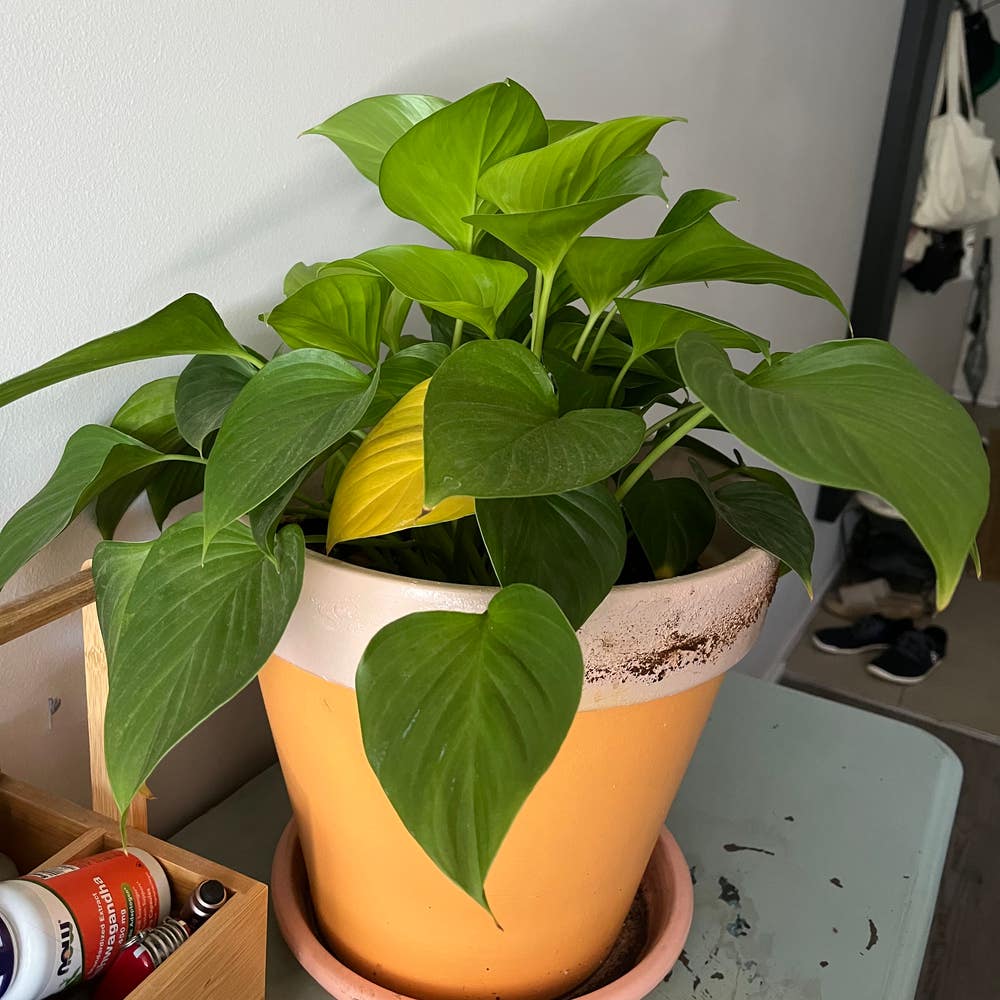
One of the first signs of trouble is yellowing leaves. This often indicates stress and nutrient deficiency, signaling that your plant needs immediate attention.
Wilting
If your plant is wilting despite regular watering, it’s a red flag. This paradox can stem from root rot, where roots are too damaged to absorb water properly.
Soft, Mushy Roots
Upon inspection, if you find soft, mushy roots, it’s a clear sign of decay. Healthy roots should feel firm and resilient, not squishy or discolored.
Foul Odor
A musty smell emanating from the soil is another alarming symptom. This odor often indicates that the roots are rotting and the soil is becoming anaerobic.
Diagnosis Techniques 🕵️♂️
Visual Inspection
Start with a visual inspection of the roots. Look for discoloration and texture changes that could indicate rot.
Soil Moisture Check
Use a moisture meter or simply stick your finger into the soil to check moisture levels. This will help you determine if overwatering is the culprit.
Root Examination
For a thorough diagnosis, remove the plant from its pot. This allows you to assess root health directly and identify any affected areas.
Assessing Environmental Conditions
Finally, evaluate the environmental conditions around your plant. High humidity and poor air circulation can contribute to root rot, so ensure your plant is in a suitable environment.
By recognizing these symptoms and employing effective diagnosis techniques, you can take proactive steps to rescue your Homalomena 'Camouflage' from root rot. Next, let’s explore how to treat this condition effectively.
Preventing Root Rot
🌊 Best Watering Practices
To keep your Homalomena 'Camouflage' thriving, establish a consistent watering schedule. Allow the top 1-2 inches of soil to dry out between waterings to prevent excess moisture.
Use room temperature, non-chlorinated water for optimal results. This simple adjustment can make a significant difference in your plant's health.
Watch for signs of underwatering, such as drooping leaves or dry soil. These indicators can help you adjust your watering routine before issues arise.
🕳️ Importance of Drainage
Choosing the right pot is crucial for preventing root rot. Always opt for pots with sufficient drainage holes to allow excess water to escape.
Soil composition plays a vital role as well. Incorporate materials like perlite or orchid bark to enhance drainage and aeration.
Consider elevating your pots using pot feet. This small change can improve airflow beneath the pot, further reducing the risk of root rot.
🌱 Choosing the Right Soil Mix
Select a soil mix specifically designed for tropical houseplants. This ensures your plant receives the nutrients it needs while maintaining proper moisture levels.
Aim for a slightly acidic to neutral pH, ideally between 6.0 and 7.0. This pH range supports healthy root development and overall plant vitality.
For those who enjoy a DIY approach, create a custom mix by combining peat, perlite, and orchid bark. This blend offers optimal drainage and aeration, setting your plant up for success.
By implementing these preventive measures, you can significantly reduce the risk of root rot and keep your Homalomena 'Camouflage' flourishing. Next, let’s explore the signs of recovery to watch for after treatment.
Signs of Recovery
🌱 Indicators That the Plant is Healing
After treating your Homalomena 'Camouflage' for root rot, look for signs that it’s on the mend.
- New Growth: Fresh leaves or shoots are a promising indication that your plant is recovering.
- Improved Leaf Color: Watch for a shift from yellowing to vibrant green, signaling better health.
- Firm Roots: Healthy roots should feel firm and not mushy, a clear sign of recovery.
⏳ Timeline for Recovery
Understanding the recovery timeline can help you manage your expectations.
- Initial Signs: You might see new growth within 1-2 weeks post-treatment, which is a great sign.
- Full Recovery: Expect the plant to stabilize and thrive again in about 4-6 weeks.
Monitoring these indicators will not only reassure you but also help you provide the best care for your plant as it heals. With patience and proper care, your Homalomena 'Camouflage' can bounce back beautifully.
As you nurture your plant back to health, let’s explore common misconceptions about root rot to ensure you’re equipped with the right knowledge moving forward.
Common Misconceptions about Root Rot
🌧️ Myths About Overwatering
One of the biggest myths in plant care is that all plants need daily watering. In reality, overwatering is a leading cause of root rot, particularly for sensitive species like Homalomena 'Camouflage'.
Understanding your plant's specific needs is crucial. While some plants thrive on frequent moisture, others prefer to dry out between waterings.
🤔 Misunderstanding Plant Symptoms
Another common misconception is that yellow leaves always indicate a lack of nutrients. However, yellowing can also signal root rot or overwatering, which means careful diagnosis is essential.
It's important to assess the overall health of your plant, including root condition and soil moisture, before jumping to conclusions about nutrient deficiencies.
By debunking these myths, you can better care for your plants and prevent the dreaded root rot. Next, let’s explore how to recognize the signs of recovery after treatment.
⚠️ Safety First
This content is for general information and may contain errors, omissions, or outdated details. It is not medical, veterinary advice, or an endorsement of therapeutic claims.
Always consult a qualified healthcare professional before using any plant as food, medicine, or supplement.
Never eat any plant (or feed one to pets) without confirming its identity with at least two trusted sources.
If you suspect poisoning, call Poison Control (800) 222-1222, the Pet Poison Helpline (800) 213-6680, or your local emergency service immediately.
Spotted an error? Please report it here.
Revive your Homalomena 'Camouflage' from root rot with patience and care 🌱, and let Greg guide you with personalized watering reminders to keep your plant thriving and healthy!