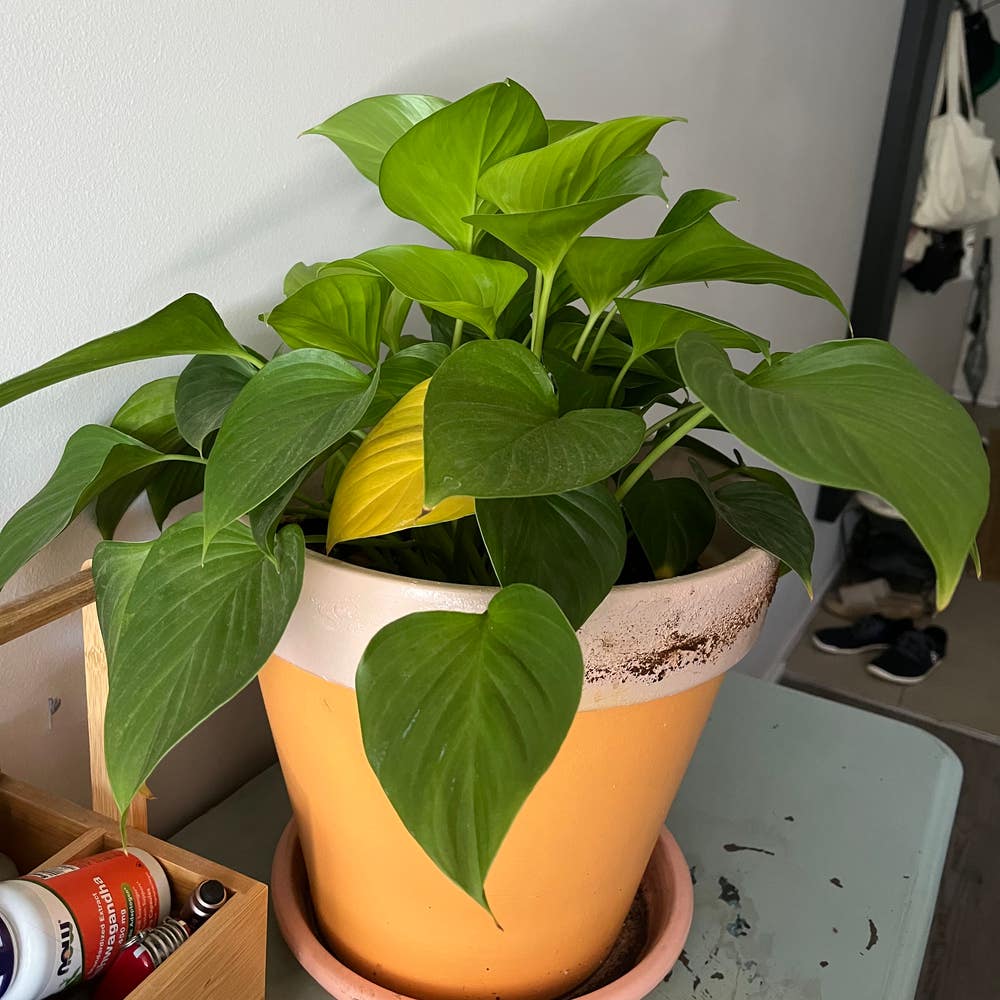
💧 How to Fix Droopy Leaves on Your Homalomena 'Camouflage'
Homalomena 'Camouflage'
By the Greg Editorial Team
Nov 07, 2024•6 min read
This article was created with the help of AI so we can cover more plants for you. May contain errors. See one? Report it here.
Revive your droopy Homalomena leaves 🌿 with simple solutions to common care issues for vibrant growth!
- 💧 Droopy leaves result from overwatering, underwatering, or low humidity.
- 🌞 Bright, indirect light is essential to prevent drooping and stretched stems.
- 🌡️ Maintain temperatures between 65°F to 80°F to keep your Homalomena healthy.
Common Causes of Droopy Leaves
💧 Overwatering
Overwatering is a common culprit behind droopy leaves. Symptoms include yellowing leaves, soggy soil, and root rot, which suffocate the roots and lead to droop.
🚰 Underwatering
On the flip side, underwatering can also cause droopy leaves. Look for crispy leaf edges, dry soil, and wilting, as dehydration takes its toll on your plant.
🌫️ Low Humidity
Low humidity levels can significantly affect your Homalomena 'Camouflage'. Ideally, humidity should be 60% or higher; otherwise, you may notice leaf curling, browning tips, and droop.
💡 Inadequate Light
Inadequate light can lead to droopy leaves as well. Your plant thrives in bright, indirect light; without it, you might see stretched stems and droopy leaves due to insufficient energy.
🌡️ Temperature Fluctuations
Temperature fluctuations can stress your plant, causing sudden leaf droop. Aim to maintain a temperature range of 65°F to 80°F (18°C to 27°C) to keep your Homalomena happy and healthy.
Understanding these common causes is crucial for diagnosing and fixing droopy leaves. By addressing these issues, you can help your plant thrive and prevent further drooping.
Diagnosing the Problem
🚰 Signs of Overwatering vs. Underwatering
Understanding the signs of overwatering and underwatering is crucial for your Homalomena 'Camouflage.'
Overwatering indicators include soggy soil, yellowing leaves, and root rot. Conversely, underwatering symptoms manifest as dry soil, wilting, and crispy leaf edges.
🌫️ Assessing Humidity Levels
Humidity plays a significant role in your plant's health.
Use a hygrometer for accurate measurement of humidity levels. Aim for an ideal humidity of 60% or higher to ensure optimal growth.
💡 Evaluating Light Exposure
Light exposure is another key factor to consider.
Assess your plant's current light conditions by evaluating the location, duration, and intensity of light it receives. Signs of inadequate light include stretched growth and droopy leaves, indicating your plant isn't getting enough energy.
🐛 Identifying Pests and Their Effects
Pests can also contribute to droopy leaves, so regular inspections are essential.
Check the undersides of leaves and stems for any signs of infestation. Symptoms of pest damage include wilting, discoloration, and droop, which can severely affect your plant's vitality.
By diagnosing these issues accurately, you can take the necessary steps to restore your Homalomena 'Camouflage' to its vibrant self. Next, we’ll explore effective solutions to address these common problems.
Solutions for Droopy Leaves
🌊 Adjusting Watering Practices
Proper watering is crucial for the health of your Homalomena 'Camouflage.' Adjusting your watering practices can significantly improve the condition of droopy leaves.
How to Check Soil Moisture
- Insert your finger 1-2 inches into the soil.
- Assess the moisture level: If it feels dry, it's time to water; if it's moist, wait a bit longer.
Recommended Watering Schedule
- Frequency: Water your plant when the top inch of soil feels dry.
- Amount: Water thoroughly until you see it draining from the bottom of the pot.
💧 Increasing Humidity
Low humidity can lead to droopy leaves, so increasing moisture in the air is essential for your plant's recovery.
Methods to Raise Humidity Levels
- Grouping plants: Place your Homalomena near other plants to create a microclimate.
- Misting leaves: Mist the leaves regularly, ideally in the morning, to avoid excess moisture overnight.
Using Humidity Trays or Humidifiers
- Setting up a humidity tray: Fill a shallow tray with water and pebbles, then place your pot on top.
- Using a humidifier: Position it near your plants and set it to maintain optimal humidity levels.
💡 Optimizing Light Conditions
Light plays a vital role in plant health. Ensuring your Homalomena receives the right amount of light can help perk up those droopy leaves.
Best Light Conditions
- Bright, indirect light: This is ideal; avoid placing your plant in direct sunlight.
- Signs of proper light: Look for healthy growth and vibrant leaf color as indicators.
How to Reposition Your Plant
- Ideal locations: Place your plant near east or north-facing windows for the best light.
- Adjusting based on seasonal light changes: Be mindful of how the sun's position changes with the seasons and adjust accordingly.
🌡️ Managing Temperature
Temperature fluctuations can stress your plant, leading to droopy leaves. Maintaining a stable environment is key.
Ideal Temperature Range
- Keep your Homalomena in temperatures between 65°F to 80°F (18°C to 27°C).
- Monitoring temperature fluctuations: Use a thermometer to keep track of any significant changes.
Avoiding Drafts and Heat Sources
- Identifying common sources of drafts: Check for cold air from windows, doors, or vents.
- Placement tips: Keep your plant away from heating and cooling units to avoid temperature stress.
By implementing these solutions, you can help your Homalomena 'Camouflage' regain its vitality and shed those droopy leaves. Next, let’s explore preventative measures to keep your plant healthy in the long run.
Preventative Measures
Regular Plant Care Routine 🌱
Establishing a consistent watering and feeding schedule is crucial for your Homalomena 'Camouflage'. Regular inspections help catch potential issues early, ensuring your plant stays healthy and vibrant.
Monitoring Environmental Conditions 🌡️
Keeping track of humidity and temperature levels is essential for optimal plant health. Adjust your care routine based on seasonal changes to maintain the right environment for your plant.
Seasonal Adjustments for Care 🍂
Modifying your watering and humidity practices during different seasons can significantly impact your plant's well-being. Recognizing seasonal light changes and adjusting your plant's placement will help it thrive year-round.
By implementing these preventative measures, you can create a nurturing environment for your Homalomena 'Camouflage', minimizing the risk of droopy leaves and other issues. Next, let’s explore when to seek professional help if problems persist.
When to Seek Professional Help
🚨 Signs That Indicate a Serious Issue
If your Homalomena 'Camouflage' continues to droop despite your best care efforts, it may be time to consider professional help. Persistent droop can signal deeper problems, such as severe pest infestations or diseases that require expert intervention.
🧑🌾 Consulting with Plant Care Experts
Knowing when to reach out for assistance is crucial. If you notice ongoing issues or a lack of improvement in your plant's condition, don't hesitate to consult with plant care experts.
You can find local specialists or utilize online resources to connect with knowledgeable individuals who can provide tailored advice. Their expertise can help you navigate complex problems and restore your plant to health.
Taking action early can make all the difference in your plant's recovery. Don't let uncertainty hold you back; seek help when needed to ensure your Homalomena thrives.
⚠️ Safety First
This content is for general information and may contain errors, omissions, or outdated details. It is not medical, veterinary advice, or an endorsement of therapeutic claims.
Always consult a qualified healthcare professional before using any plant as food, medicine, or supplement.
Never eat any plant (or feed one to pets) without confirming its identity with at least two trusted sources.
If you suspect poisoning, call Poison Control (800) 222-1222, the Pet Poison Helpline (800) 213-6680, or your local emergency service immediately.
Spotted an error? Please report it here.
Keep your Homalomena 'Camouflage' perky and proud 🌿 with Greg's tailored reminders and expert tips to master the art of plant care!