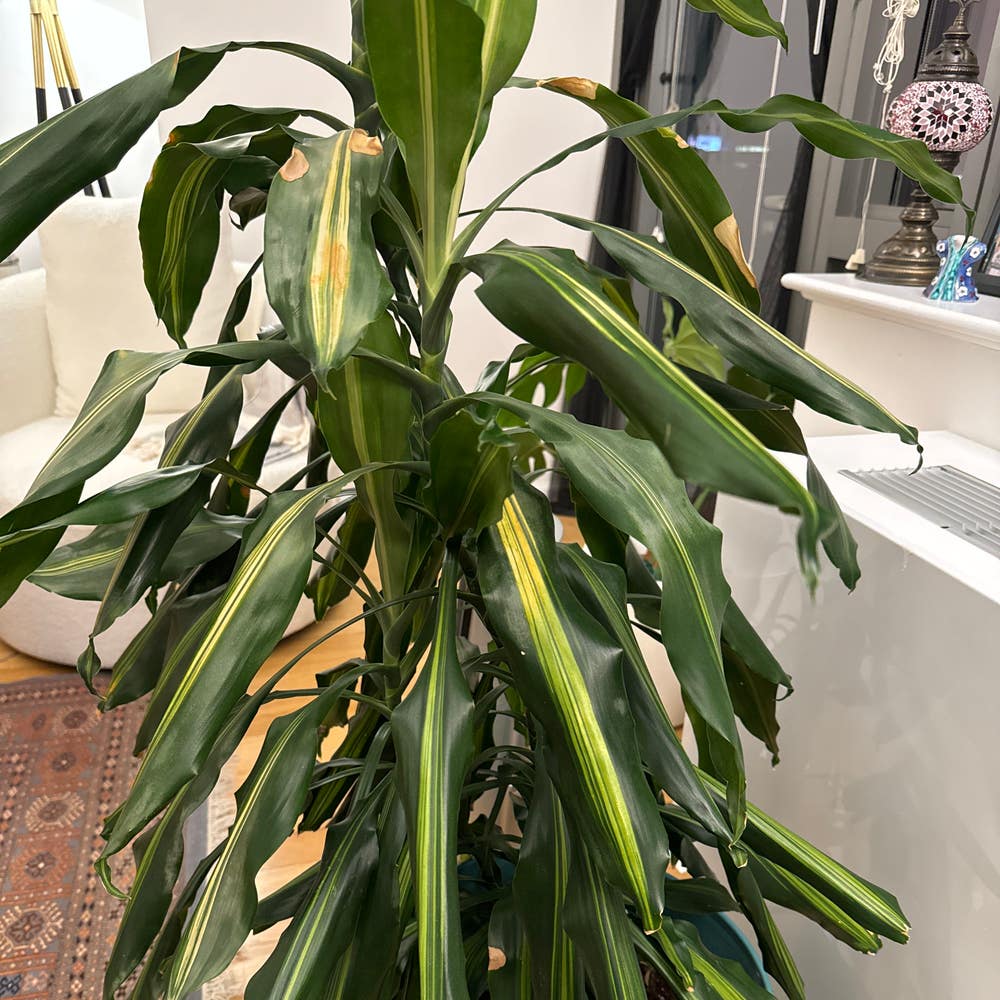
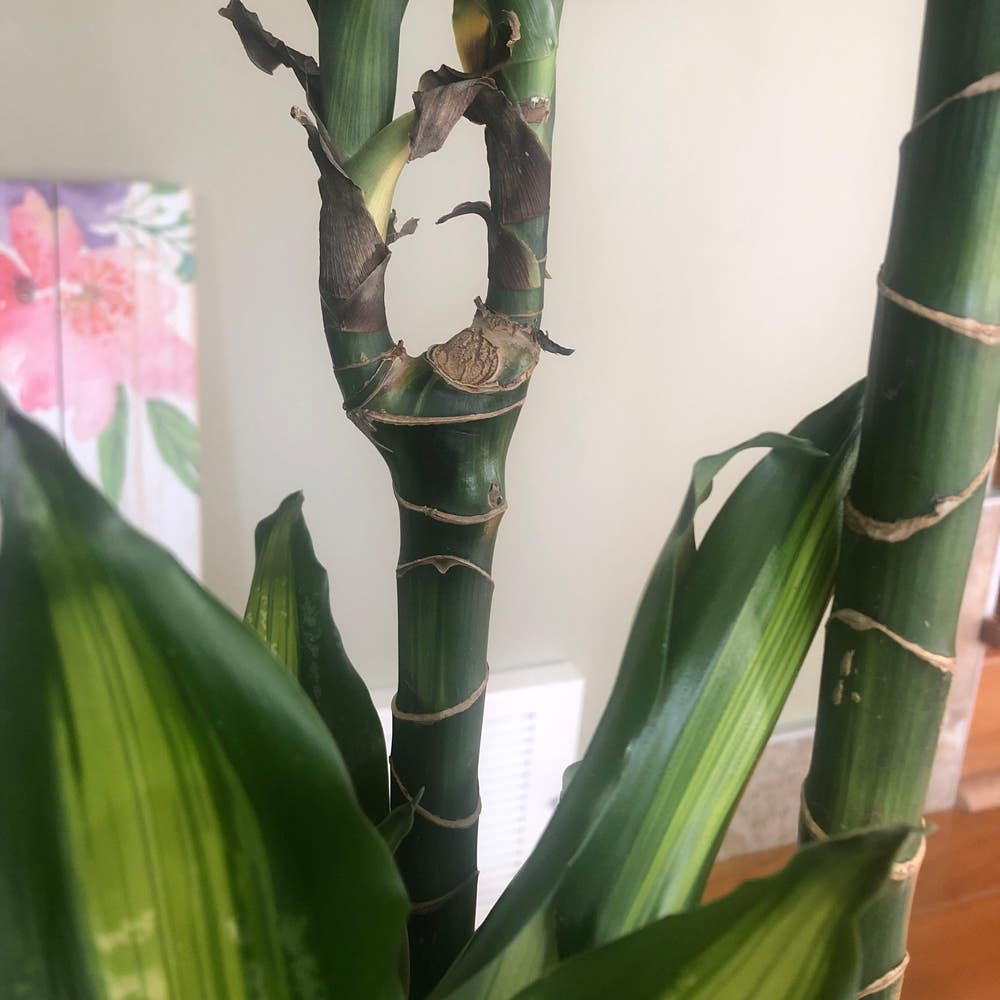
Identifying What is Eating Your Dracaena 'Cintho' 🐛
Dracaena fragrans 'Cintho'
By the Greg Editorial Team
Nov 07, 2024•6 min read
This article was created with the help of AI so we can cover more plants for you. May contain errors. See one? Report it here.
Safeguard your Dracaena 'Cintho' from herbivores while boosting your garden's health! 🌱
- 🦌 Deer and rabbits can severely damage Dracaena 'Cintho' by stripping leaves and stems.
- 🐿️ Squirrels and rodents weaken plants through chewing, leading to disease susceptibility.
- 🌱 Effective deterrents like repellents and barriers can protect your Dracaena from herbivores.
Signs and Damage from Common Herbivores
🦌 Deer
Signs of presence and damage caused
Deer can be a significant threat to your Dracaena 'Cintho.' Look for hoof prints in muddy areas near the plant and notice if leaves are stripped from the lower branches, especially during late winter and early spring.
Impact on the plant (beneficial or harmful)
The impact of deer is generally harmful. Their browsing can lead to significant defoliation and stress on the plant, making it more vulnerable to other issues.
Deterrent methods
To deter deer, consider using chemical repellents with strong scents like garlic or putrescent egg solids. Organic methods include erecting 8-foot tall fences and planting deer-resistant companion plants.
🐇 Rabbits
Signs of presence and damage caused
Rabbits leave behind small, round droppings and create gnaw marks on stems. You may also notice cleanly cut leaves and stems, often at a 45-degree angle.
Impact on the plant (beneficial or harmful)
Rabbits are generally harmful to your Dracaena 'Cintho.' Their feeding can severely stunt growth and, if left unchecked, may lead to plant death.
Deterrent methods
For easy deterrence, use rabbit repellents that have a bitter taste. You can also implement physical barriers, such as chicken wire around the base of the plant.
🐿️ Squirrels
Signs of presence and damage caused
Squirrels can be quite destructive, leaving chewed leaves and scattered debris from their digging. Look for bark stripping and leaf nibbling, particularly on younger plants.
Impact on the plant (beneficial or harmful)
The presence of squirrels is generally harmful. Their activities can weaken the plant and increase its vulnerability to diseases.
Deterrent methods
To keep squirrels at bay, try capsaicin-based sprays that deter chewing. Additionally, installing squirrel-proof feeders can distract them from your plants.
🐦 Birds
Signs of presence and damage caused
Birds can leave droppings on leaves and peck marks on fruits. They often feed on young shoots and flowers, which can reduce flowering overall.
Impact on the plant (beneficial or harmful)
Birds have a mixed impact. While some may help control pests, others can cause significant damage to your Dracaena 'Cintho.'
Deterrent methods
To deter birds, use reflective tape or shiny objects to scare them away. Netting can also protect young shoots and flowers from their feeding.
🐭 Rodents (mice, voles, etc.)
Signs of presence and damage caused
Rodents leave signs like tunnels in the soil and gnaw marks on roots and stems. Their damage can lead to root issues, resulting in wilting and stunted growth.
Impact on the plant (beneficial or harmful)
Rodents are generally harmful to your plant. Their activities can lead to plant decline and increased susceptibility to diseases.
Deterrent methods
For rodent control, consider using bait stations placed strategically around your garden. Organic methods include traps and natural repellents like peppermint oil.
🦡 Groundhogs/Woodchucks
Signs of presence and damage caused
Groundhogs leave large burrows near the plant and can cause extensive chewing on stems. Their feeding can result in significant defoliation and even uprooting of young plants.
Impact on the plant (beneficial or harmful)
The impact of groundhogs is generally harmful. They can devastate a garden area quickly, making them a serious concern for plant health.
Deterrent methods
To deter groundhogs, use commercial repellents with strong odors. Organic methods include fencing that is at least 3 feet high and buried underground to prevent burrowing.
Understanding these common herbivores and their impacts can help you protect your Dracaena 'Cintho' effectively. Next, we’ll explore the beneficial animals that can enhance your garden ecosystem.
Beneficial Animals and Ecosystem Impact
🐝 Description of beneficial animals attracted to Dracaena 'Cintho'
Dracaena 'Cintho' isn't just a feast for herbivores; it also attracts a variety of beneficial animals. Pollinators like bees and butterflies are drawn to its flowers, playing a crucial role in pollination.
Additionally, predatory insects such as ladybugs and lacewings help keep pest populations in check. Their presence can significantly reduce the need for chemical pest control, making your garden healthier.
🌱 Positive impacts on the garden ecosystem
Attracting these beneficial insects enhances biodiversity in your garden. A diverse ecosystem can lead to a more resilient environment, where plants thrive and pests are naturally managed.
Moreover, maintaining a balanced ecosystem reduces reliance on chemical interventions. This not only benefits your plants but also promotes a healthier environment for all garden inhabitants.
By fostering a habitat that supports beneficial wildlife, you contribute to a vibrant and sustainable garden ecosystem. This approach not only protects your Dracaena 'Cintho' but also enriches the entire garden landscape.
As we explore further, let's look at general strategies for protecting your Dracaena 'Cintho' from potential threats.
General Strategies for Protection
🛡️ Preventive Measures for Protecting Dracaena 'Cintho'
To safeguard your Dracaena 'Cintho', start with strategic plant placement. Position your plants away from known herbivore pathways to minimize encounters.
Companion planting is another effective tactic. Choose plants that deter herbivores or attract beneficial insects, creating a natural barrier and promoting a healthy ecosystem.
⚠️ Reactive Solutions for Managing Animal Interactions
Regular monitoring is crucial for early detection of damage. Check your plants frequently and address any issues promptly to prevent further harm.
Consider implementing integrated pest management. This approach combines chemical and organic methods for effective control, ensuring your Dracaena thrives despite potential threats.
🌱 Seasonal Variations in Animal Attraction to Dracaena 'Cintho'
Be aware of seasonal changes in animal behavior. In spring, herbivores become more active as they seek tender new growth, increasing the risk to your plants.
Late summer brings another wave of attention, as animals may be drawn to fruits and flowers. Stay vigilant during this time to protect your Dracaena from potential damage.
With these strategies in place, you can enjoy a thriving Dracaena 'Cintho' while minimizing the impact of herbivores. Next, let’s explore the toxicity and ecological role of this fascinating plant.
Toxicity and Ecological Role
Toxic Effects of Dracaena 'Cintho' on Animals 🐾
Dracaena 'Cintho' has mild toxicity, primarily affecting pets. If ingested, it can cause gastrointestinal upset, which may deter some herbivores from munching on its leaves.
Ecological Role of Dracaena 'Cintho' in Local Environments 🌍
This plant plays a vital role in local ecosystems. It provides shelter and food for various wildlife, enhancing biodiversity in the area.
Habitat Contribution 🐞
Dracaena 'Cintho' serves as a habitat for beneficial insects and small animals. Its presence can create a thriving microenvironment that supports a variety of species.
Soil Health Enhancement 🌱
Moreover, the plant contributes to soil health. Through its leaf litter and root systems, it improves soil quality, which in turn supports other plant life.
In summary, while Dracaena 'Cintho' may pose some risks to pets, its ecological benefits far outweigh these concerns. Understanding its role can help gardeners appreciate the balance of their ecosystems and promote healthier gardens.
Next, we will explore general strategies for protecting Dracaena 'Cintho' from herbivores and ensuring its continued growth.
⚠️ Safety First
This content is for general information and may contain errors, omissions, or outdated details. It is not medical, veterinary advice, or an endorsement of therapeutic claims.
Always consult a qualified healthcare professional before using any plant as food, medicine, or supplement.
Never eat any plant (or feed one to pets) without confirming its identity with at least two trusted sources.
If you suspect poisoning, call Poison Control (800) 222-1222, the Pet Poison Helpline (800) 213-6680, or your local emergency service immediately.
Spotted an error? Please report it here.
Keep your Dracaena 'Cintho' thriving 🌱 by using Greg's tailored care tips and reminders to fend off pesky herbivores and ensure its health!