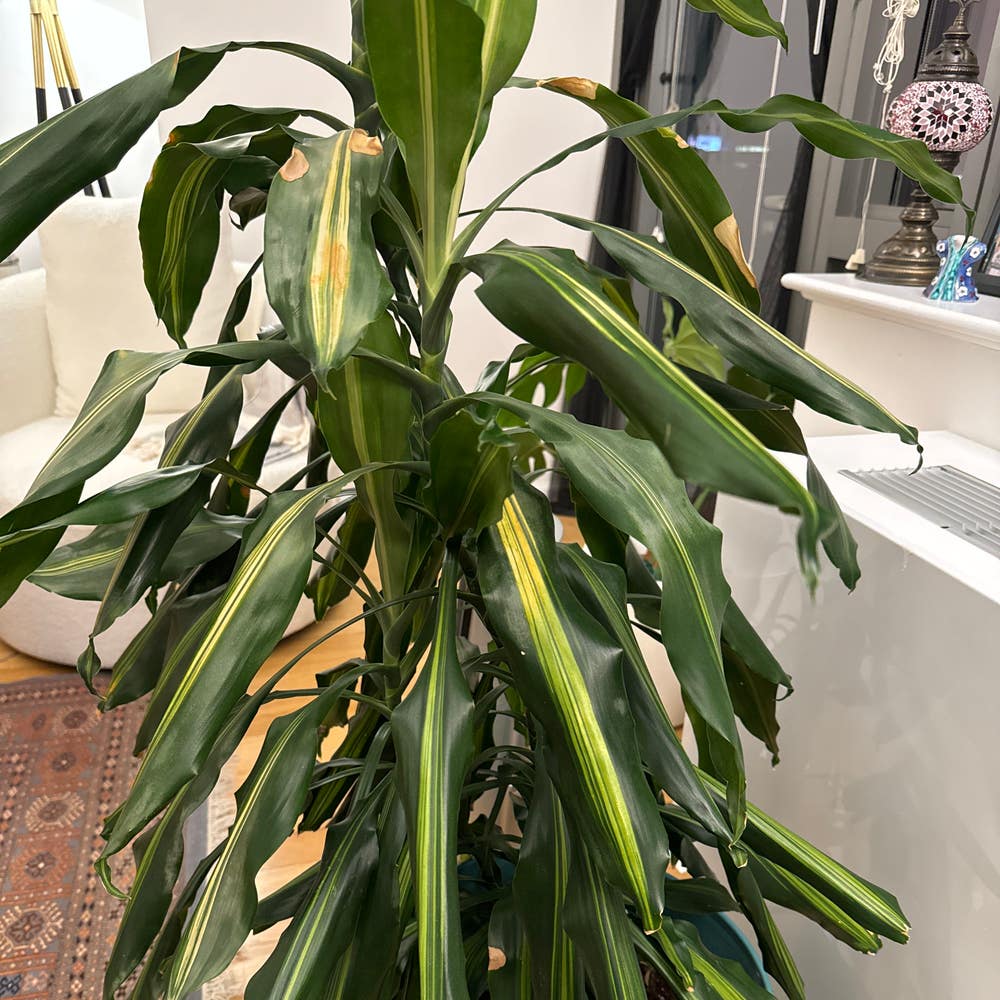
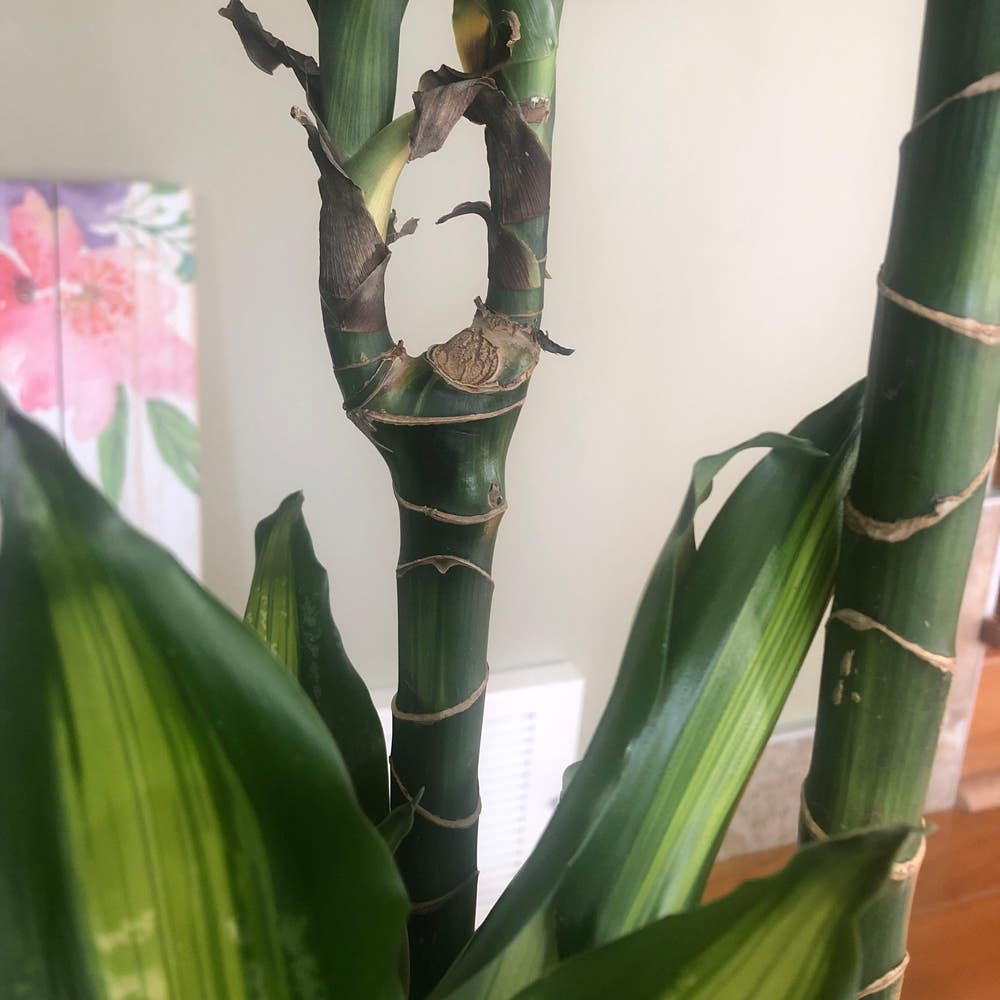
Choosing Fertilizer For My Dracaena 'Cintho'
Dracaena fragrans 'Cintho'
By the Greg Editorial Team
Jun 18, 2024•5 min read
This article was created with the help of AI so we can cover more plants for you. May contain errors. See one? Report it here.
Boost your Dracaena 'Cintho's' growth 🌿 with the ideal fertilizer mix and timing for lush, vibrant leaves!
- Balanced N-P-K ratio of 10-10-10 nourishes Dracaena 'Cintho' effectively.
- 🌱 Organic vs. Synthetic: Choose based on nutrient release speed and cost.
- Monthly fertilization in spring/summer, none in fall/winter, prevents overfeeding.
What's on the Menu? Decoding Dracaena 'Cintho' Nutrient Needs
💪 Key Nutrients for Vibrant Growth
Dracaena 'Cintho' thrives on a balanced diet of key nutrients. Nitrogen (N) is the muscle behind lush, green leaves, while phosphorus (P) strengthens the roots. Potassium (K) acts as the plant's immune system, fending off diseases.
📊 Understanding N-P-K Ratios for Dracaena 'Cintho'
The N-P-K ratio is like a plant's nutritional label. For Dracaena 'Cintho', a balanced fertilizer—think 10-10-10—is typically a safe bet. This ensures equal parts of nitrogen, phosphorus, and potassium, covering all bases for growth and health.
🌿 The Role of Micronutrients
Micronutrients are the unsung heroes. Calcium fortifies cell walls, while magnesium is at the heart of chlorophyll. They might be needed in smaller amounts, but they're crucial for your Dracaena 'Cintho' to perform at its best.

Picking the Perfect Fertilizer
💩 Organic Options: Pros and Cons for Dracaena 'Cintho'
Organic fertilizers are the slow burners, gradually releasing nutrients into the soil. They're like a trust fund for your Dracaena 'Cintho', providing a steady income of nourishment. Pros: they improve soil structure and encourage friendly microbes. Cons: they're slow to kick in and can be pricier. Plus, if you're not careful, you might host an unwanted pest party.
⚡ Synthetic Solutions: Tailoring to Dracaena 'Cintho' Needs
Synthetic fertilizers are the quick fixes of the plant world, delivering nutrients at warp speed. They're perfect when your Dracaena 'Cintho' needs a rapid green-up. Pros: fast results and easy to measure. Cons: they can lead to salt build-up, which is as bad for plants as junk food is for us. Overuse can cause root damage, so think of them as a potent spice – a little goes a long way.
🕰️ The Lowdown on Slow-Release Fertilizers
Slow-release fertilizers are the set-it-and-forget-it option. They're ideal for the forgetful gardener, releasing nutrients over time like a time-release capsule. Pros: they offer a low-maintenance approach and reduce the risk of over-fertilization. Cons: they don't allow for quick nutrient adjustments and can be unpredictable in their release patterns. It's like having a savings account you can't access immediately when you really need it.

Timing is Everything: Fertilizing Schedule for Dracaena 'Cintho'
⏰ Growth Spurts: When to Fertilize for Optimal Results
Dracaena 'Cintho' has its own calendar when it comes to feeding time. Spring and summer are its heydays, the plant's version of a growth spurt. During these months, a monthly dose of fertilizer will do the trick. Think of it as a regular, balanced diet for your green buddy.
🔍 Reading the Signs: Adjusting Fertilization in Dormancy
Come fall, your Dracaena 'Cintho' starts to snooze. It's the plant's way of saying, "I'm good with what I've got." Skip the fertilizer during the fall and winter months. Over-fertilizing now is like offering a heavy meal right before bedtime – unnecessary and a bit uncomfortable for the plant. If you notice your Dracaena 'Cintho' is still hungry, evidenced by slow growth, consider a light snack – a very diluted fertilizer every other month, at most.

Fertilizer Application: Tips and Tricks
🌱 Mixing it Right: Dilution Ratios for Dracaena 'Cintho'
When it comes to fertilizing your Dracaena 'Cintho', less is more. Start with a half-strength solution of the recommended dose to avoid overfeeding. It's like making a cocktail for your plant; too strong and you'll end up with a less-than-lively companion.
Ensure you're using room-temperature water for mixing, as extreme temperatures can shock the roots. Stir until the fertilizer is fully dissolved—no shortcuts here. Undissolved granules can release a concentrated dose that's not exactly a treat for your plant.
🛡️ Spot-On Techniques: Preventing Fertilizer Burn
Fertilizer burn is the silent killer of indoor plants. To sidestep this tragedy, never fertilize dry soil. Always pre-water your Dracaena 'Cintho' before applying the fertilizer mix. This helps distribute nutrients evenly and reduces the risk of root burn.
If you notice white crust forming on the soil's surface, that's salt buildup—a red flag. Flush the soil with water to rinse away accumulated salts. And remember, if you're ever in doubt, dilute even more. It's better to underwhelm your plant with nutrients than to overwhelm it.
Oops, Too Much! Handling Over-Fertilization
🚨 Spotting Trouble: Signs of Excess Fertilizer
Over-fertilization can turn your Dracaena 'Cintho' from a lush green beauty into a sad, withering mess. Yellowing leaves or browning at the tips are your plant waving a white flag. If you see a white crust on the soil surface or the pot's edges, that's salt buildup—your cue that you've been a little too generous with the feed. Roots looking burnt or blackened? That's another distress signal. And if your plant's growth has stunted or it's dropping leaves like confetti, it's time to reassess your fertilizing strategy.
🛠️ Quick Fixes: Remedies for a Greener Recovery
First things first: stop fertilizing. Your plant needs a break to recover from the nutrient overdose. The next step is to flush the soil with water to leach out the excess fertilizer—think of it as a detox for your plant's roots. If the situation looks dire, consider repotting with fresh soil to give your Dracaena 'Cintho' a new lease on life. Prune away any wilted or burned leaves; they're not coming back. And remember, moving forward, less is often more. Stick to the recommended dosage and frequency to avoid another fertilizer fiasco.
⚠️ Safety First
This content is for general information and may contain errors, omissions, or outdated details. It is not medical, veterinary advice, or an endorsement of therapeutic claims.
Always consult a qualified healthcare professional before using any plant as food, medicine, or supplement.
Never eat any plant (or feed one to pets) without confirming its identity with at least two trusted sources.
If you suspect poisoning, call Poison Control (800) 222-1222, the Pet Poison Helpline (800) 213-6680, or your local emergency service immediately.
Spotted an error? Please report it here.
Nourish your Dracaena 'Cintho' to perfection by using Greg for custom fertilizing reminders 🌿, ensuring you provide just the right nutrients at the right time.