How Can You Tell If A Dracaena 'Cintho' Is Dying?
Dracaena fragrans 'Cintho'
By the Greg Editorial Team
Jun 18, 2024•5 min read
This article was created with the help of AI so we can cover more plants for you. May contain errors. See one? Report it here.
Rescue your wilting Dracaena 'Cintho' 🌿 with life-saving tips on early distress signals!
- Yellow or browning leaves? Check watering habits and sun exposure.
- Root rot signs: Funky smell and discolored, mushy roots.
- Pests and mold? Use neem oil, insecticidal soap, or fungicides.
Spot the Warning Signs: Dracaena 'Cintho' Distress Calls
🚨 Leaf Language: Yellowing, Browning, and Wilting
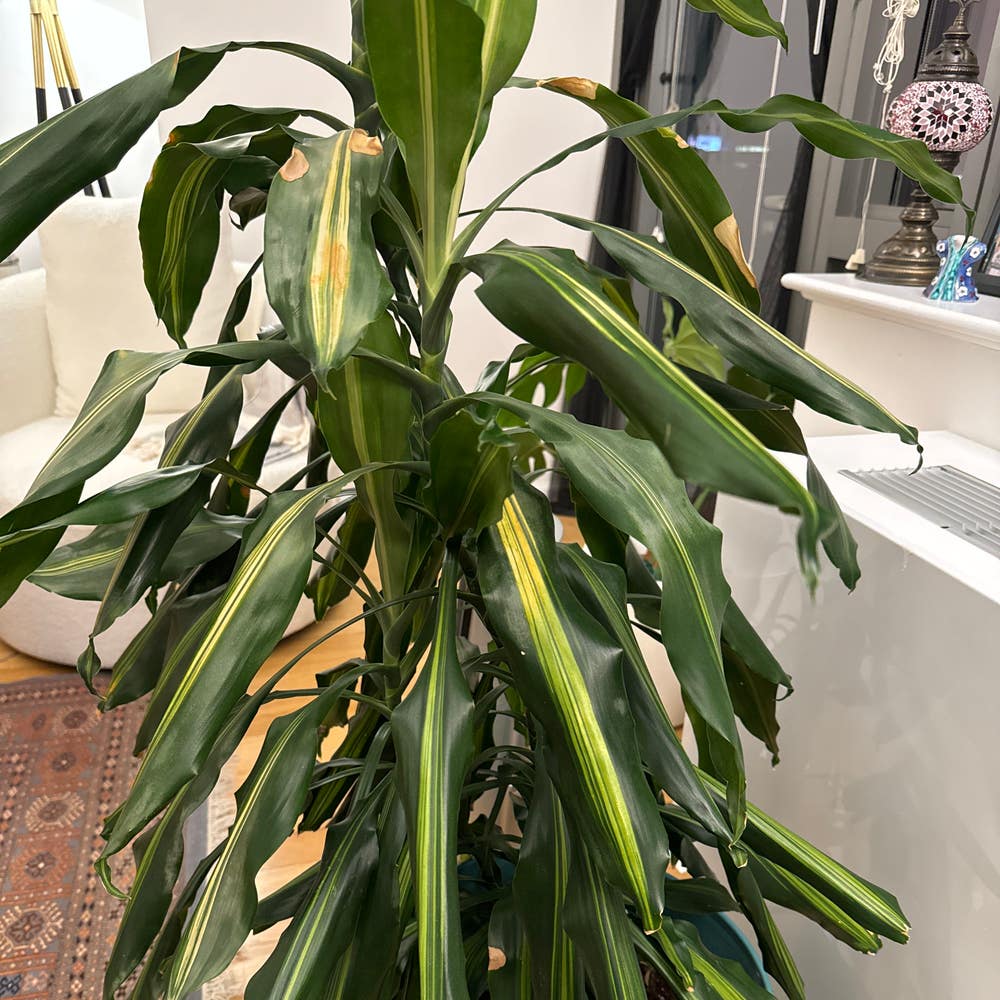
When your Dracaena 'Cintho' starts to yellow, it's not trying out a new look—it's parched or drowning. Browning leaves are crying out against too much sun or thirst. Wilting? That's your plant slumping in defeat, possibly due to improper lighting or a watering mishap.
- Yellowing leaves: Check soil moisture. Dry? Water it. Wet? Ease up and consider root rot.
- Brown tips: It's likely a sunburn or a cry for humidity. Move away from direct light and mist regularly.
- Wilting: Could be a light issue or a water woe. Assess and adjust accordingly.
🆘 Root and Soil SOS: Odor and Discoloration
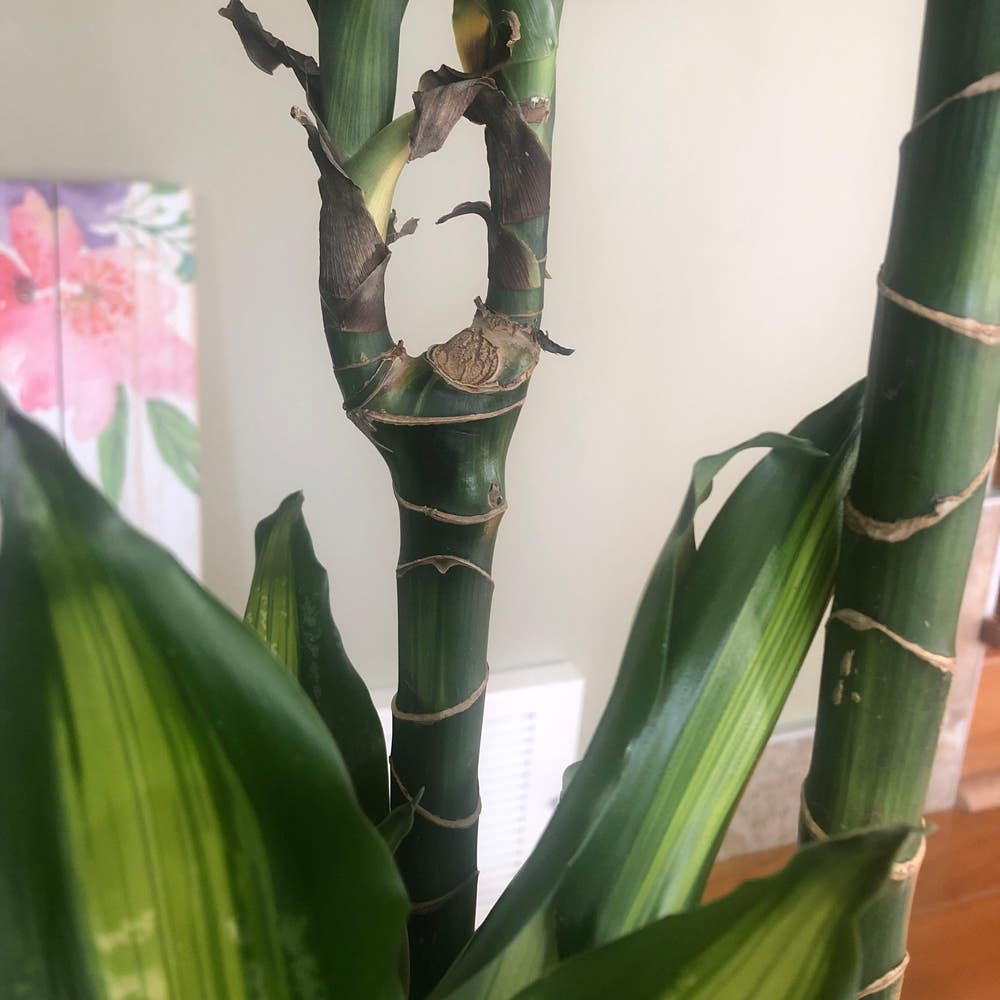
Roots should be firm and soil, odor-free. If you're hit with a funky smell or see dark, mushy roots, it's an S.O.S. Your plant's foundation is rotting away, and it's time for some serious intervention.
- Smelly soil: Unpot, inspect roots, and trim the rot. Repot with fresh, well-draining soil.
- Discolored roots: If they're not white or light tan, it's a red flag. Address drainage and review your watering habits.
Remember, your Dracaena 'Cintho' isn't just a decorative piece. It's a living entity that communicates through its leaves, roots, and soil. Keep your senses sharp and respond to its distress calls promptly.

Water Woes: Too Much or Too Little
💧 The Perils of Over-watering
Over-watering your Dracaena 'Cintho' can be a silent killer. The plant's leaves may start to yellow, and the tips can turn brown as a cry for help. Root rot is a common consequence, often signaled by a moldy smell from the soil. If you're greeted by soggy soil and a stench, it's time to act—fast.
Identifying Over-watering
Check for a consistently wet soil base, which should never be the norm. Brown leaves and a musty odor are your red flags. If the pot feels heavier than usual or water pools on the surface, you've gone too far.
Rescue Remedies for Waterlogged Plants
First, stop watering and let the soil dry out. Consider changing the soil and ensuring the pot has adequate drainage. Trim any rotten roots to prevent further decay. Remember, Dracaena 'Cintho' prefers to stay on the dryer side of damp.
🏜️ The Thirsty Plant: Signs of Under-watering
Conversely, under-watering leaves your Dracaena 'Cintho' gasping for moisture. The soil will feel as dry as a desert, and leaves may droop or crisp up like they've been in the sun too long.
How to Tell If Your Dracaena 'Cintho' is Dehydrated
Leaves shrinking in size and a parched topsoil layer are your clues. If your plant starts dropping leaves or the edges turn yellow or brown, it's screaming for water.
Quenching Your Plant's Thirst the Right Way
When the soil feels dry, give your plant a drink, but don't drown it. Aim for moist, not wet, and use room temperature water to avoid shocking the roots. Consistency is key—establish a watering routine that keeps the soil slightly moist without crossing into swamp territory.

Light and Temperature: Finding the Sweet Spot
🌞 Too Much Sun, Too Little Shade: Leaf Scorching
Dracaena 'Cintho' is no sun worshipper. Leaf scorching is the plant's SOS when it's had too much direct sunlight. The leaves might curl up, turn crispy, or develop brown patches, like a bad sunburn. To fix this, move your plant to a spot with bright, indirect light—think of it as putting on a pair of sunglasses for your plant. Rotate the plant occasionally to prevent one-sided sunburns.
❄️ Chilly Drafts and Toasty Heaters: Temperature Stress
Your Dracaena 'Cintho' doesn't appreciate the thrill of temperature rollercoasters. Keep it away from drafty windows and heaters to avoid leaf discoloration or a sudden leaf drop-off. Consistent temperatures between 65°F and 80°F will keep your plant comfortable. If you notice the leaves taking on a dark, water-stained look or the edges becoming crispy, it's time to reassess your plant's location. Remember, a happy Dracaena 'Cintho' is one that doesn't shiver or sweat.

Uninvited Guests: Tackling Pests and Disease
🐜 Pests: The Usual Suspects
Your Dracaena 'Cintho' might be under siege by pests. Spider mites, mealybugs, and thrips are the usual suspects. These tiny terrorists can turn your plant's leaves into their personal snack bar.
👀 Spotting and Evicting Pests
Inspect the undersides of leaves for any signs of an invasion. If you spot tiny bugs or webbing, it's time for action. A strong stream of water can dislodge these freeloaders. For a more thorough eviction, neem oil or insecticidal soap can be your allies in this miniature war. Reapply as needed, because pests are like bad habits—they tend to make unwanted comebacks.
🍄 Mold and Fungus: The Stealthy Invaders
Mold and fungus are the ninjas of the plant disease world. They sneak in, often going unnoticed until they've made themselves at home on your plant.
🔍 Identifying and Eradicating Mold and Fungus
Look out for black spots or a powdery mildew appearance. These are the calling cards of fungal invaders. Increase air circulation around your plant; it's like setting up a no-fly zone against these airborne attackers. If the situation calls for it, a fungicide can act as your plant's personal bodyguard. Remember to follow the instructions—fungicides are potent and should be used with precision.
Keep a vigilant eye on your Dracaena 'Cintho'. Regular check-ups can prevent these uninvited guests from crashing the party.
⚠️ Safety First
This content is for general information and may contain errors, omissions, or outdated details. It is not medical, veterinary advice, or an endorsement of therapeutic claims.
Always consult a qualified healthcare professional before using any plant as food, medicine, or supplement.
Never eat any plant (or feed one to pets) without confirming its identity with at least two trusted sources.
If you suspect poisoning, call Poison Control (800) 222-1222, the Pet Poison Helpline (800) 213-6680, or your local emergency service immediately.
Spotted an error? Please report it here.
Avoid the guesswork in keeping your Dracaena 'Cintho' thriving with Greg's custom watering plan 🌿, ensuring it never suffers from too much or too little love.