5 Facts About Dracaena 'Cintho' Lifecycle
Dracaena fragrans 'Cintho'
By the Greg Editorial Team
Nov 07, 2024•7 min read
This article was created with the help of AI so we can cover more plants for you. May contain errors. See one? Report it here.
Cultivate a thriving Dracaena 'Cintho' 🌱 by mastering its essential growth stages for vibrant, lasting beauty!
- 🌱 Dracaena 'Cintho' germinates in 2-4 weeks with proper light and moisture.
- 🌞 Optimal growth requires bright, indirect light and well-draining soil for seedlings.
- 🌿 Maturity takes 3-5 years, with care evolving through each lifecycle stage.
Germination Stage
🌱 Duration of Germination
The germination period for Dracaena 'Cintho' typically spans 2 to 4 weeks. Several factors can influence this timeframe, including temperature, moisture, and light conditions.
🌡️ Conditions for Successful Germination
To ensure successful germination, maintain an optimal temperature range of 20°C to 25°C (68°F to 77°F).
Soil Requirements
Use a well-draining potting mix with a slightly acidic to neutral pH, ideally between 6.0 and 7.0.
Moisture Levels
Keep moisture levels consistent without waterlogging the seeds. A spray bottle is perfect for gentle watering, helping to maintain the right balance.
By providing these ideal conditions, you set the stage for a healthy start to your Dracaena 'Cintho.' This foundational stage is crucial for the plant's future growth and vitality.
Next, we’ll explore the seedling stage, where your plant begins to show its first signs of life.
Seedling Stage
🌱 Characteristics of Seedlings
The seedling stage is a crucial phase in the lifecycle of Dracaena 'Cintho.' During this time, you'll notice small, delicate leaves emerging, showcasing a vibrant green color that signals healthy growth.
The root system at this stage is shallow, making careful handling essential. Any rough treatment can hinder development, so be gentle when moving or repotting.
⏳ Duration and Care During This Stage
Expect the seedling stage to last between 4 to 8 weeks. This period is vital for establishing a strong foundation for future growth.
Light Requirements
Seedlings thrive in bright, indirect light. Direct sunlight can scorch their tender leaves, so find a spot that offers filtered light.
Watering Frequency
Watering should be done thoughtfully. Allow the top inch of soil to dry out between waterings to prevent over-saturation, which can lead to root rot.
Fertilization
During this stage, light feeding is recommended. Use a diluted liquid fertilizer every 4 to 6 weeks to provide essential nutrients without overwhelming the young plant.
As your Dracaena 'Cintho' transitions from the seedling stage, it will be ready to embark on its vegetative growth phase. This next stage will bring even more exciting developments!
Vegetative Growth Stage
Growth Patterns and Changes 🌱
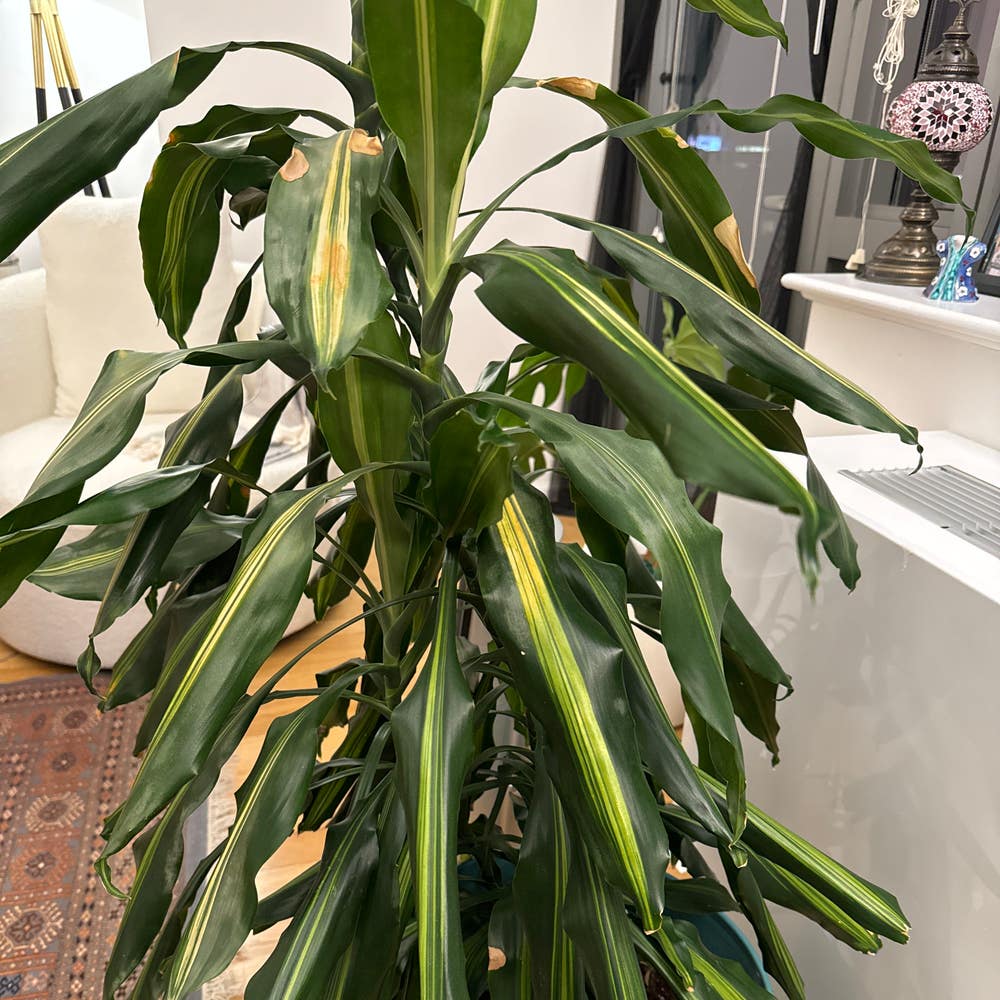
During the vegetative growth stage, Dracaena 'Cintho' showcases its stunning transformation. You'll notice the development of larger, more robust leaves adorned with characteristic variegation, adding a vibrant touch to your indoor space.
As the plant thrives, it can grow an impressive 6-12 inches per year under optimal conditions. This growth not only enhances its aesthetic appeal but also signifies a healthy, flourishing plant.
Duration of Vegetative Growth ⏳
The vegetative growth stage typically lasts approximately 1-3 years. This duration can vary based on environmental factors, so keep an eye on your plant's surroundings.
To ensure healthy growth, provide well-draining soil, indirect light, and moderate humidity levels. These conditions are crucial for supporting the plant's development and maximizing its potential.
In summary, nurturing your Dracaena 'Cintho' during this stage is essential for its long-term health and beauty. As it grows, you'll witness its transformation into a striking centerpiece in your home.
Next, we will explore the flowering stage, where the plant may surprise you with its rare blooms.
Flowering Stage
🌸 Description of Flowering Process
Flowering in Dracaena 'Cintho' is a rare spectacle, especially when grown indoors. The flowers are small and clustered, often going unnoticed among the lush foliage.
Pollination can be tricky; it may require cross-pollination to produce seeds. This means that if you're hoping for seed production, you might need more than one plant to get the job done.
⏳ Duration and Conditions for Flowering
Typically, the flowering phase occurs in late spring to early summer. This is when the plant is most vibrant and ready to showcase its blooms.
For successful flowering, ensure your 'Cintho' receives adequate light and proper nutrition. A stress-free environment is crucial, as any disturbances can hinder this delicate process.
In summary, while flowering may not be a common occurrence, understanding the conditions that promote it can enhance your experience as a plant parent. With the right care, you might just witness this beautiful phase of the 'Cintho' lifecycle.
Next, we’ll explore the fascinating process of seed production and its significance in the lifecycle of Dracaena 'Cintho'.
Seed Production
Duration and Significance of Seed Production 🌱
The journey from flowering to seed maturity for Dracaena 'Cintho' typically spans 3 to 6 months. This timeframe is crucial, as it marks the plant's transition into a new phase of life.
Seed production is more than just a biological process; it plays a vital role in enhancing genetic diversity. This diversity is essential for the resilience of the species and offers exciting opportunities for propagation. By producing seeds, 'Cintho' ensures its survival and adaptability in various environments.
In addition to genetic benefits, seed production allows enthusiasts and gardeners to cultivate new plants. This not only enriches personal collections but also contributes to the broader community of plant lovers.
Understanding this stage of the lifecycle can deepen your appreciation for Dracaena 'Cintho' and its remarkable ability to thrive and reproduce. As we explore the next stages, keep in mind how each phase builds upon the last, creating a vibrant cycle of growth and renewal.
Growth Rate and Maturation
How Long Until Fully Grown? 🌱
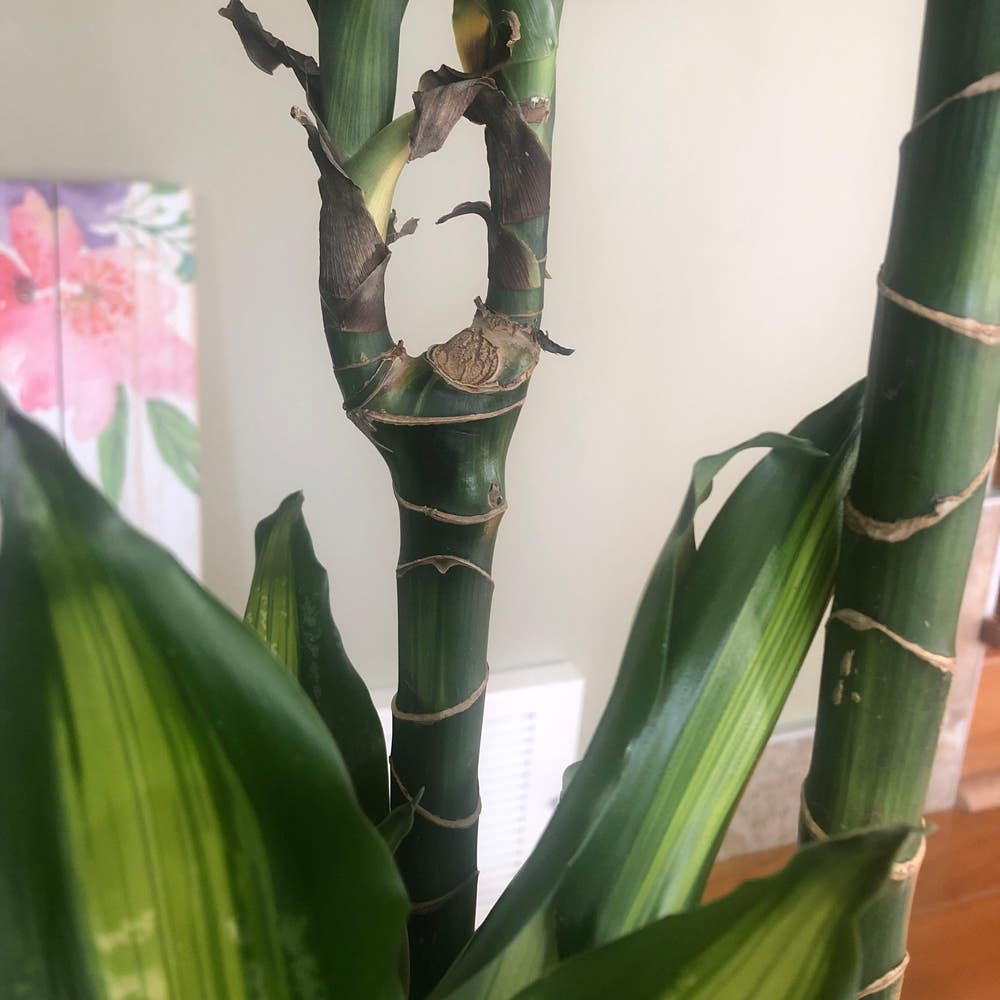
Dracaena 'Cintho' typically reaches maturity in about 3 to 5 years when provided with optimal conditions. You'll know it's mature when you see a thicker trunk and fuller foliage, showcasing its vibrant character.
Factors Affecting Growth Rate ⚡️
Several factors can influence how quickly your 'Cintho' grows:
- Light Exposure: Insufficient light can significantly slow down growth. Ensure it receives bright, indirect light for best results.
- Watering Practices: Both overwatering and underwatering can hinder development. Striking a balance is key to a healthy plant.
- Nutrient Availability: Balanced fertilization is crucial. Regular feeding promotes robust growth and vibrant leaves.
Comparison of Growth Rates with Other Species 📊
When comparing 'Cintho' to other Dracaena species, like marginata, you'll find that 'Cintho' has a moderate growth rate. Marginata may outpace it under similar conditions, but 'Cintho' stands out with its striking foliage, which can influence its growth patterns and overall appeal.
In summary, understanding the growth rate and maturation of Dracaena 'Cintho' is essential for nurturing this beautiful plant. With the right care, you can enjoy its stunning presence in your home for years to come. Next, let’s explore the notable changes throughout its lifecycle, highlighting the transformations that occur as it matures.
Notable Changes Throughout Lifecycle
🌱 Physical Changes During Each Stage
The lifecycle of Dracaena 'Cintho' is marked by distinct physical transformations.
During germination, the first leaves emerge, signaling the plant's initial steps toward growth.
As it transitions to the seedling stage, these delicate leaves develop into more robust foliage, showcasing the plant's resilience.
In the vegetative stage, you'll notice a significant increase in leaf size and trunk thickness, reflecting its healthy growth.
If conditions are right, flowering may occur, introducing small, clustered flowers that add a unique touch to this plant's lifecycle.
🌿 Changes in Care Requirements as the Plant Matures
As Dracaena 'Cintho' matures, its care needs evolve.
Watering frequency should be adjusted based on the growth stage and environmental conditions; younger plants may need more frequent watering, while mature plants require less.
Fertilization also becomes crucial during the vegetative growth and flowering stages, as the plant's nutrient needs increase significantly.
🌍 Environmental Adaptations During Lifecycle
Dracaena 'Cintho' is adaptable, adjusting to its environment throughout its lifecycle.
As the plant grows, it may require changes in light exposure to ensure optimal growth; bright, indirect light is essential for its health.
Additionally, as the root system expands, transitioning to larger pots becomes necessary to provide ample space for growth and development.
These adaptations are vital for the plant's success, ensuring it thrives at every stage of its lifecycle.
With a solid understanding of these changes, you're better equipped to nurture your Dracaena 'Cintho' effectively.
Next, let’s explore the growth rate and maturation of this fascinating plant.
⚠️ Safety First
This content is for general information and may contain errors, omissions, or outdated details. It is not medical, veterinary advice, or an endorsement of therapeutic claims.
Always consult a qualified healthcare professional before using any plant as food, medicine, or supplement.
Never eat any plant (or feed one to pets) without confirming its identity with at least two trusted sources.
If you suspect poisoning, call Poison Control (800) 222-1222, the Pet Poison Helpline (800) 213-6680, or your local emergency service immediately.
Spotted an error? Please report it here.
Nurture your Dracaena 'Cintho' through its vibrant lifecycle 🌱 with Greg's personalized care reminders, ensuring it thrives from germination to maturity!