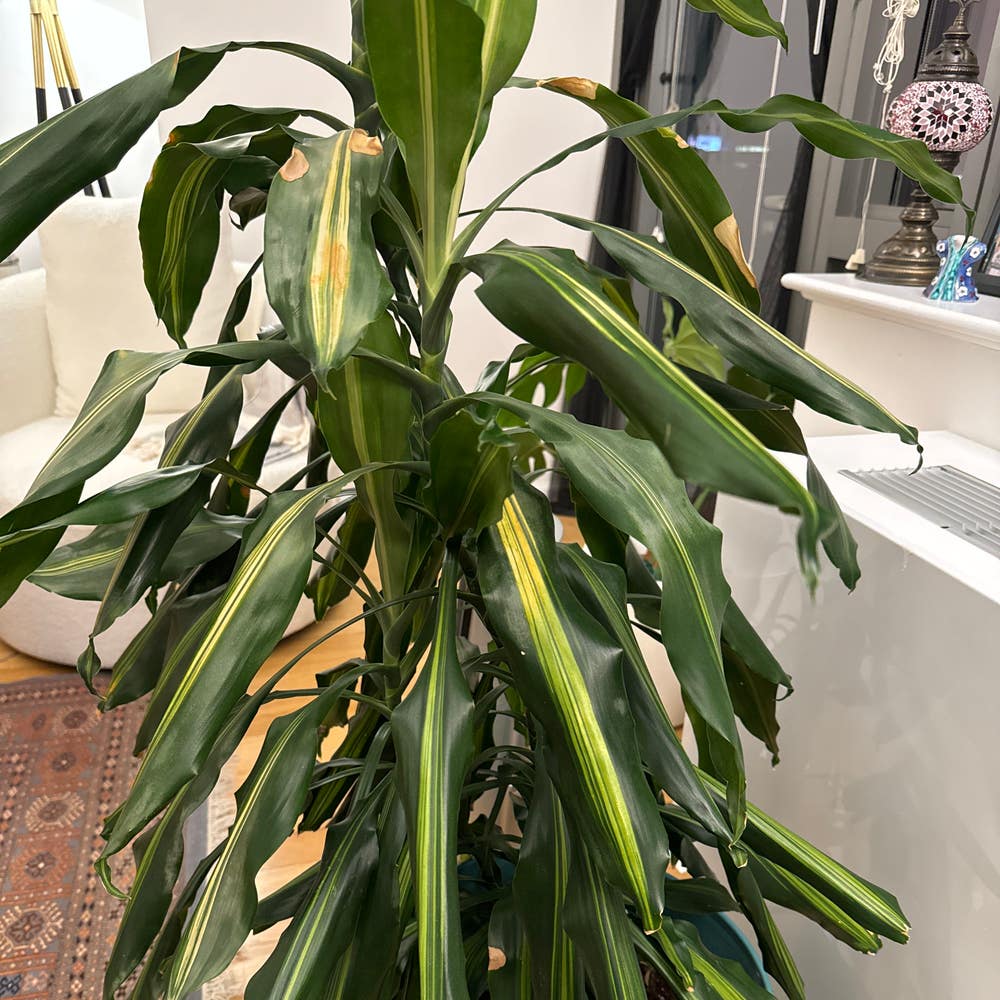
How and When Should I Cut Back My Dracaena 'Cintho'?
Dracaena fragrans 'Cintho'
By the Greg Editorial Team
Jun 18, 2024•5 min read
This article was created with the help of AI so we can cover more plants for you. May contain errors. See one? Report it here.
Prune your Dracaena 'Cintho' 🌿 in spring for lush growth and avoid common mistakes that can cost its charm!
- Spring and summer pruning aligns with Dracaena 'Cintho's growth cycle.
- Use clean, sharp tools to prevent disease and ensure healthy cuts.
- Prune strategically, not exceeding 25% to maintain shape and health.
Best Time to Prune Your Dracaena 'Cintho'
Pruning your Dracaena 'Cintho' isn't just about snipping away—it's about timing. Spring and summer are your golden windows, the plant's active growing seasons. This is when your green buddy is all about that growth, making it the perfect time to get your prune on.
🌱 Optimal Seasons for Pruning
Prune in the spring to give your plant a fresh start; it's like hitting the reset button after winter's chill. As summer rolls in, keep the momentum going. Your Dracaena 'Cintho' will be in full swing, ready to heal and sprout anew after each cut.
🔄 Understanding the Growth Cycle
Get this: Dracaena 'Cintho' has a rhythm, a life cycle dance, if you will. It slumbers in the cold months, so put those shears away in autumn and winter. Pruning during dormancy is a no-go—it's like waking a sleeping giant, and trust me, nobody wants that. Instead, wait for the longer days and warmer temps to signal the start of the growth party. That's your cue to step in with your pruning prowess.

Tools of the Trade: What You'll Need for Pruning
Pruning your Dracaena 'Cintho' isn't just a snip-snip affair; it's about precision and plant health.
🛠️ Selecting the Right Pruning Tools
First off, grab a pair of pruning shears. These are your bread and butter for making those clean cuts. For the love of foliage, ensure they're sharp; a dull blade is about as useful as a chocolate teapot. Next, you might need lopping shears for any thicker, sassier stems that think they're too tough for regular shears. And for the big leagues, a hand saw will take down any woody limbs trying to turn your elegant Dracaena into a wild bush.
🔪 Keeping Your Tools Clean and Sharp for Healthy Cuts
Before you start, and I can't stress this enough, sterilize your tools with rubbing alcohol or soap. It's like giving your shears a bath before they meet your plant. Keep a sharpening stone handy to maintain that keen edge because a blunt tool is a sad tool. And after each cut, give those shears another quick clean to prevent any unseen plant plagues from spreading.
Remember, using the right tools isn't just about making the job easier; it's about ensuring your Dracaena 'Cintho' doesn't look like it's been in a bar fight. Keep it clean, keep it sharp, and keep it precise.

Pruning Like a Pro: Techniques and Tips
🌿 Where to Make the Cut
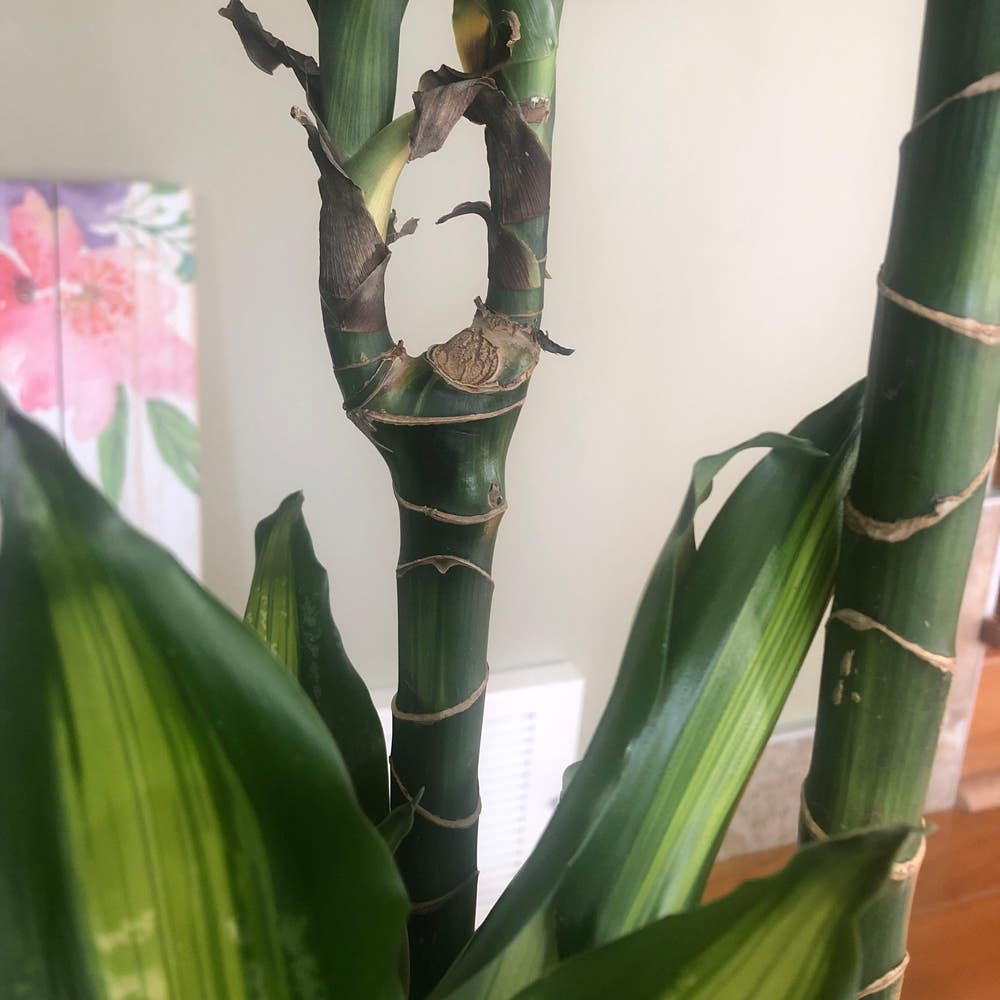
To encourage bushiness and control height in your Dracaena 'Cintho', focus on pruning back to latent buds. These are the points where leaves join the stem, signaling potential new growth. It's a strategic move to prompt your plant to branch out and become fuller.
🛠 Step-by-Step Pruning Guide
- Sanitize your tools before you start. A dip in alcohol or a disinfectant solution is like a hygiene routine for your shears.
- Inspect the plant for dead, damaged, or unsightly leaves. These are your targets.
- Make the cut confidently, close to the base but not too close. Think of it as leaving a tiny collar for protection.
- Limit your pruning to no more than 25% of the plant. It's a trim, not a complete makeover.
- Clean up after pruning. Those cuttings can be composted or used as mulch, don't just leave them lying around.
🌱 Aftercare: Ensuring a Speedy Recovery
Post-pruning care is crucial. Consistent watering and protection from harsh conditions will help your Dracaena 'Cintho' bounce back. Watch for new growth – it's a sign of recovery and resilience. Remember, a little TLC goes a long way in plant rehab.

Avoiding Common Pruning Pitfalls
🌱 Overzealous Cuts
Less is more when it comes to pruning. You might feel like a plant superhero with shears in hand, but resist the urge to go to town on your Dracaena. Over-pruning can stress the plant, leading to stunted growth or a sparse appearance. Aim for strategic cuts that maintain the plant's natural shape and vitality.
🦠 Ignoring Disease
If you spot diseased growth, act fast. Prune these areas immediately to prevent the spread. And remember, those infected clippings are not compost buddies; dispose of them properly to avoid contaminating your garden.
📏 Misjudging Size
Underestimating your Dracaena's growth rate can lead to a perpetual prune-fest. Prune with the plant's future size in mind to minimize constant trimming.
💧 Lack of Aftercare
Post-pruning, your Dracaena needs some TLC. Ensure it has adequate water and light to recover, but don't overdo it. Think of it as a patient recovering from surgery; it needs rest and the right environment to heal.
🕰 Wrong Timing
Pruning during the dormant phase can result in fewer blooms. Time your pruning just before the growth season kicks in for the best results.
🔪 Using Dull Tools
It's a no-brainer, but it bears repeating: sharp tools make for clean cuts. Dull tools can tear the plant's tissue, leading to unnecessary stress and disease. Keep your tools in tip-top shape to avoid mangling your Dracaena.
Remember, pruning is more than just a trim; it's about ensuring the health and beauty of your plant for seasons to come. So wield those pruners with care and respect the resilience of your green companion.
⚠️ Safety First
This content is for general information and may contain errors, omissions, or outdated details. It is not medical, veterinary advice, or an endorsement of therapeutic claims.
Always consult a qualified healthcare professional before using any plant as food, medicine, or supplement.
Never eat any plant (or feed one to pets) without confirming its identity with at least two trusted sources.
If you suspect poisoning, call Poison Control (800) 222-1222, the Pet Poison Helpline (800) 213-6680, or your local emergency service immediately.
Spotted an error? Please report it here.
Ensure your Dracaena 'Cintho' thrives with strategic cuts by using Greg's tailored care plans 🌿, which help you prune at the peak time without stressing your plant.