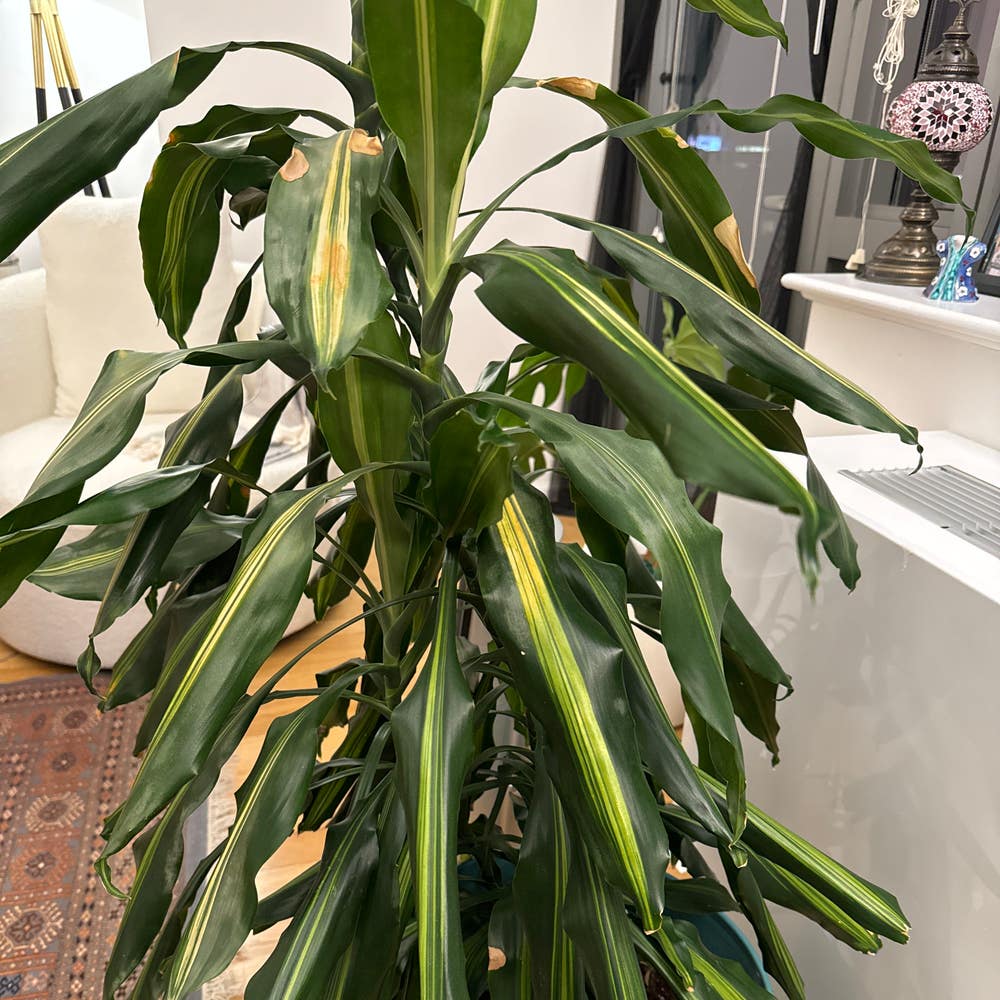
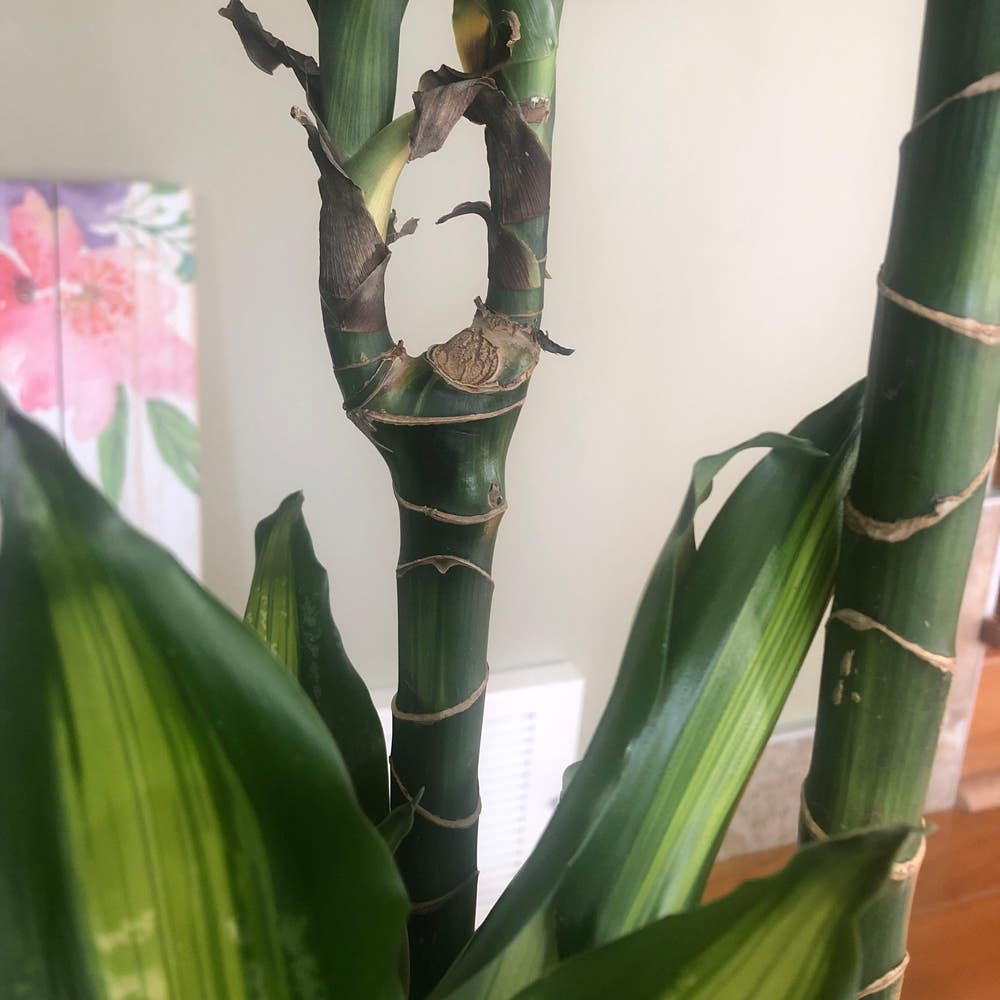
Why Are My Dracaena 'Cintho' Leaves Falling Over?
Dracaena fragrans 'Cintho'
By the Greg Editorial Team
Jun 18, 2024•3 min read
This article was created with the help of AI so we can cover more plants for you. May contain errors. See one? Report it here.
Stop droopy Dracaena 'Cintho' leaves 🍃 with proven tips for a perky, healthy plant that stands tall!
- Overwatering? Yellow leaves, soggy soil. Underwatering? Wilted, crispy leaves.
- Indirect light and stable temps keep Dracaena 'Cintho' leaves upright.
- Prune wisely and consistently care to prevent droopy leaves.
Spotting the Signs: When Your Dracaena 'Cintho' is Unhappy
🚰 Identifying Overwatering Symptoms
Yellowing leaves and a soggy soil situation scream overwatering. If your plant's pot feels heavier than your last grocery bag, you've probably been too generous with the H2O. A sniff test might reveal a musty odor – the telltale sign of root rot setting in.
🏜️ Recognizing Underwatering Red Flags
Conversely, if the soil is as dry as a stand-up comedian's wit, your Dracaena 'Cintho' is gasping for water. Wilted, crispy leaves are the plant's way of throwing a white flag. Don't wait for a plant's version of a parched throat – check the soil moisture before it's too late.
🌞 Light and Temperature: Finding the Sweet Spot
Scorch marks on leaves? That's your Dracaena 'Cintho' telling you it's not a fan of sunbathing. Indirect light is the way to go. And if the leaves are drooping like they've just watched a tearjerker, it might be time to reassess the room temperature. Keep it warm, but not 'middle of a heatwave' warm.

The Rescue Plan: Perking Up Your Plant
💧 Fine-Tuning Your Watering Technique
Adjusting your watering habits is essential for the health of your Dracaena 'Cintho'. Check the soil moisture before watering; it should feel like a damp sponge, not a wet mop. In the summer, your plant will drink more, so water accordingly. During winter, ease up on the hydration. Remember, overwatering leads to root rot, so ensure your pot has drainage holes and use a well-draining potting mix.
🌞 Balancing Light and Temperature
Your Dracaena 'Cintho' craves stable conditions. Keep it in a spot with bright, indirect sunlight and rotate it regularly to prevent lopsided growth. Avoid temperature extremes by keeping it away from drafty windows and heat sources. If your home is more like a desert than a rainforest, consider a humidifier to maintain the ideal 60-80% humidity level. Remember, consistency is key—sudden changes in environment can make your plant's leaves go limp faster than a deflated balloon.

Pruning for Health: A Surgical Approach
🌱 When to Prune
Pruning your Dracaena 'Cintho' isn't about following a strict calendar; timing is more intuitive. Late winter or early spring, right before new growth kicks in, is ideal. This is when the plant is still dormant, and fresh cuts will heal rapidly, minimizing stress. But don't be a slave to the seasons; if you spot damaged or droopy leaves, it's time to get snipping, regardless of the month.
🌿 Pruning Best Practices
Sharp shears are your best friends here. Make clean cuts where the leaf meets the stem, and do it with confidence. You're not just cutting away excess; you're directing the plant's energy to the leaves that matter. After each snip, clean your tools as if prepping for surgery—because, in a way, you are. Pruning isn't just about aesthetics; it's about health. By removing dead or dying parts, you prevent diseases from spreading and give your plant a shot at more robust growth. Remember, strategic trimming is the name of the game.

Keeping It Upright: Prevention Strategies
🌿 Consistent Care Routine
Regular checks are the backbone of plant health. Establish a care routine that's as punctual as your morning alarm. Your Dracaena 'Cintho' craves this consistency like a cat craves catnip.
🚨 Early Detection and Intervention
Spot a droop? Act fast. It's like catching a typo in a tweet before it goes viral. Adjust your care routine on the fly to stop a hiccup from becoming a disaster. Immediate action can mean the difference between a quick fix and a full-blown plant crisis.
⚠️ Safety First
This content is for general information and may contain errors, omissions, or outdated details. It is not medical, veterinary advice, or an endorsement of therapeutic claims.
Always consult a qualified healthcare professional before using any plant as food, medicine, or supplement.
Never eat any plant (or feed one to pets) without confirming its identity with at least two trusted sources.
If you suspect poisoning, call Poison Control (800) 222-1222, the Pet Poison Helpline (800) 213-6680, or your local emergency service immediately.
Spotted an error? Please report it here.
Keep your Dracaena 'Cintho' leaves perky and prevent drooping 🌿 with Greg's tailored watering reminders and care tips, ensuring your green friend thrives without the guesswork.