How Do I Propagate My Dracaena 'Cintho'?
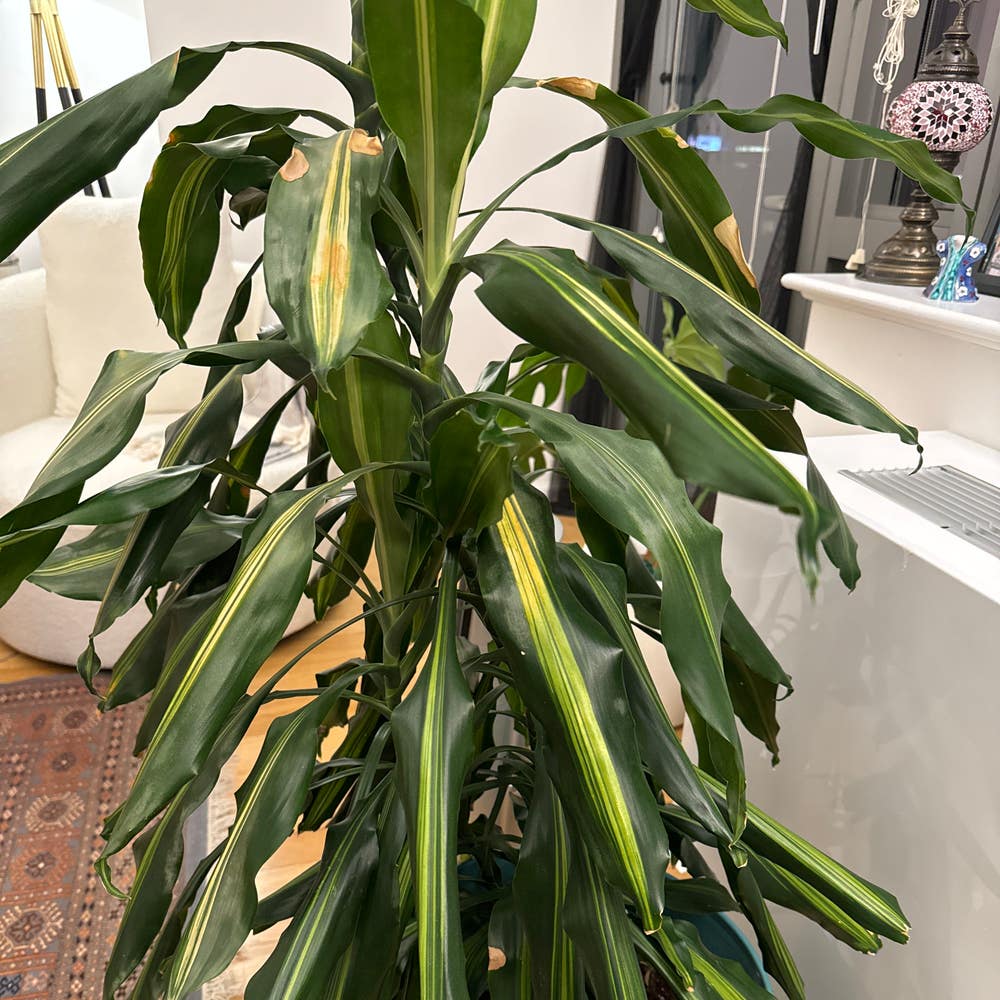
Dracaena fragrans 'Cintho'
By the Greg Editorial Team
Jun 18, 2024•5 min read
This article was created with the help of AI so we can cover more plants for you. May contain errors. See one? Report it here.
Propagate your Dracaena 'Cintho' effortlessly with our expert stem cutting and air layering guide! 🌿✂️
- Choose healthy stems and use disinfected tools for a clean cut.
- Soil may trump water for stronger root systems in 'Cintho' propagation.
- Air layering boosts survival, involving a cut, hormone, moss, and wrap.
Snip and Grow: Stem Cuttings
🌱 Choosing Your Champion
Selecting the healthiest stems for propagation is like picking an all-star athlete for your team; you want vigor and vitality. Look for stems that boast a vibrant color and a firm texture, showing no signs of wilting or disease. These are the ones that will go the distance.
✂️ The Cut is Key
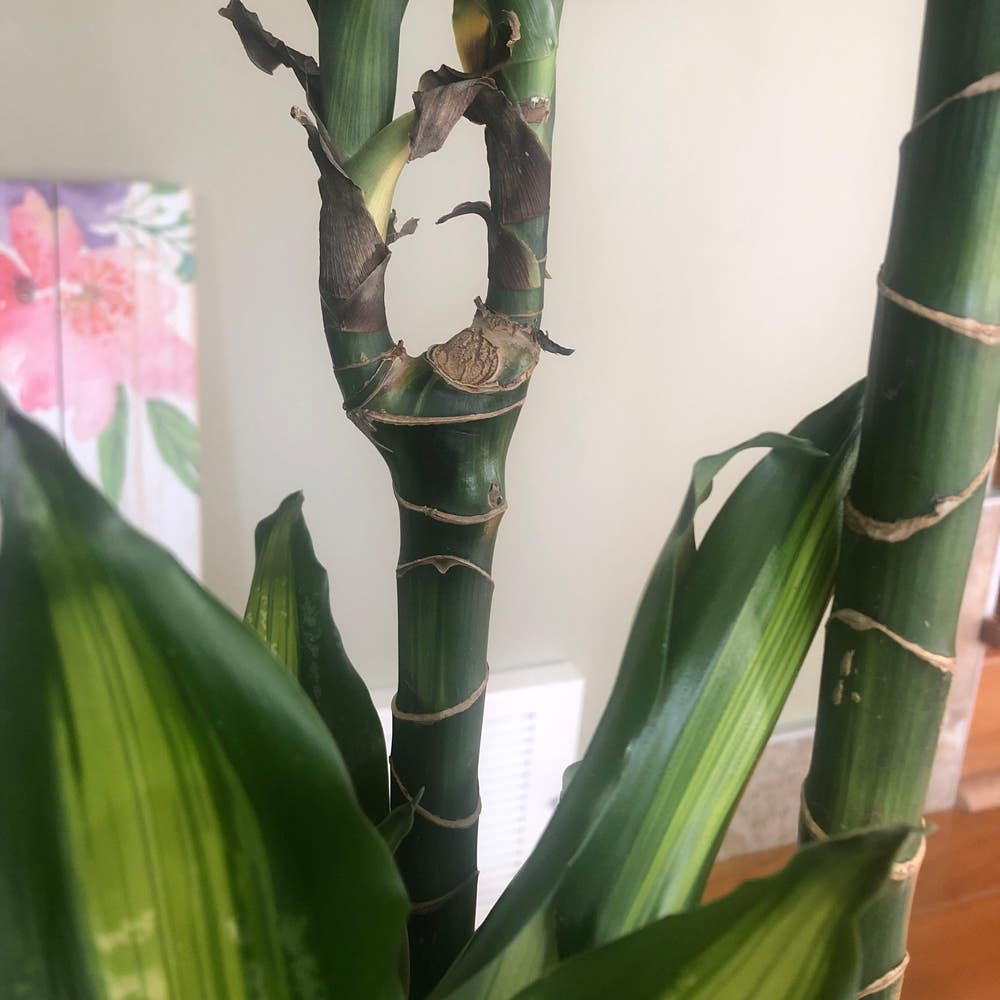
When it's time to make the cut, think of it as a surgical procedure. Use disinfected shears or a sharp knife to minimize trauma to the plant. Aim for a 4-6 inch segment, and always cut above a node—this is where the magic of new growth happens. An angled cut increases the surface area, promoting better root development.
💧 Rooting for Success
Now, the debate: water or soil for rooting your 'Cintho'? Water offers a front-row seat to the rooting process, allowing you to monitor progress and swoon over the emerging roots. Soil, on the other hand, provides a more natural environment, potentially leading to stronger root systems. Both have their merits, but for 'Cintho', soil might just edge out water with its promise of a smoother transition to the final planting phase. Keep the medium moist, but not soggy, to avoid the dreaded root rot.

Alternative Paths: Air Layering
🌱 The Air Layering Advantage
Air layering is a propagation superhero for plants like Dracaena 'Cintho' that might scoff at simpler methods. It's the trick up your sleeve when stem cuttings give you the cold shoulder. This technique encourages roots to develop while the stem is still attached to the mother plant, providing it with a steady flow of nutrients and a better shot at survival.
🛠 Step-by-Step Air Layering
🎯 Choose Your Spot
First, eye up a healthy stem on your Dracaena 'Cintho'. You're looking for one with the vigor of a plant on a mission, free from any blemishes or signs of weakness.
✂️ Make the Cut
With a sharp blade, perform a surgical incision about a third of the way through the stem. This is not the time for shaky hands; precision is key.
💪 Hormone Power
Dab some rooting hormone on that fresh wound. It's like a pep talk for the plant, encouraging roots to get moving.
🌿 Moss Wrap
Next, envelop the cut in damp sphagnum moss. It's the plant equivalent of a cozy blanket that keeps the rooting party going.
🎁 Seal the Deal
Wrap the mossy area with plastic wrap, and secure it like your life depends on it. Well, not really, but make sure it's snug with a rubber band.
⏳ The Waiting Game
Patience is a virtue, especially in propagation. Wait for the roots to show up, like guests to a party. This could take a few weeks to a few months, so don't hold your breath.
🌱 Independence Day
Once the roots are robust enough to brave the world, sever the stem below the rooted area. Congrats, you've got a new plant ready for its potting debut.
Remember, air layering is a bit like a magic trick. It may seem daunting at first, but once you've pulled it off, you'll want to do it again and again.

Caring for Your Future 'Cintho' Stars
💡 The Right Environment
Creating the ideal conditions for your new 'Cintho' cuttings is like setting the stage for a rockstar—everything needs to be just right. Bright, indirect light is your cuttings' best friend, fostering growth without the harshness of direct sun. Keep the soil moist, but not soggy, to avoid the dreaded root rot. It's a balancing act, ensuring the soil is the Goldilocks zone of dampness. And remember, stability is key; these plants aren't fans of dramatic changes.
🏜️ Transitioning to Soil
When it's time to move your water-rooted cuttings to soil, think of it as a gentle nudge rather than a shove. Use a well-draining soil mix—a concoction of cactus or succulent blend works wonders. Gently place the cuttings at the right depth, ensuring they feel snug but not suffocated. Water them in to settle the roots and let them breathe. Hold off on the fertilizer; it's like offering a seven-course meal to someone who's just had a snack. Patience is paramount—let them acclimate and strengthen before expecting them to strut their stuff.

Overcoming Propagation Pitfalls
🚨 Spotting Trouble
In the propagation journey of Dracaena 'Cintho', vigilance is non-negotiable. Watch for yellowing leaves or a halt in growth—these are your red flags.
🛠 Quick Fixes
Root rot is the arch-nemesis of propagation. If your cuttings' roots are mushy, it's time for emergency surgery—snip the rot and let the healthy roots breathe before a soil reintroduction. Overwatering is often the culprit, so reassess your moisture game.
For cuttings that seem more lethargic than a teenager on a Monday morning, consider their environment. Too cold and they'll slump; find them a cozy spot. If they're browning, they might be begging for a humidity boost—think of it as their personal spa treatment.
Remember, clean tools are as essential as clean hands during flu season. Dirty shears can introduce diseases faster than a sneeze in an elevator.
And if pests decide to crash your propagation party, show them out with insecticidal soap. It's like bouncers for bugs.
Lastly, patience isn't just a virtue; it's a requirement. Propagation is a waiting game, and your 'Cintho' is worth the wait.
⚠️ Safety First
This content is for general information and may contain errors, omissions, or outdated details. It is not medical, veterinary advice, or an endorsement of therapeutic claims.
Always consult a qualified healthcare professional before using any plant as food, medicine, or supplement.
Never eat any plant (or feed one to pets) without confirming its identity with at least two trusted sources.
If you suspect poisoning, call Poison Control (800) 222-1222, the Pet Poison Helpline (800) 213-6680, or your local emergency service immediately.
Spotted an error? Please report it here.
Ensure your Dracaena 'Cintho' cuttings thrive 🌱 with Greg's tailored reminders for the perfect soil transition, embodying patience and precision from propagation to full growth.