🔍 Determining What Might Be Eating Your Cyperus difformis
Cyperus difformis
By the Greg Editorial Team
Jan 07, 2025•7 min read
This article was created with the help of AI so we can cover more plants for you. May contain errors. See one? Report it here.
Safeguard your garden's beauty 🌿 by mastering the art of managing herbivores drawn to Cyperus difformis!
- 🌱 Cyperus difformis attracts herbivores like deer, rabbits, and squirrels due to its tender shoots.
- 🦌 Signs of damage include hoof prints from deer and round droppings from rabbits.
- 🛡️ Protect your plant with repellents, fencing, and companion planting for effective deterrence.
Appearance and Appeal
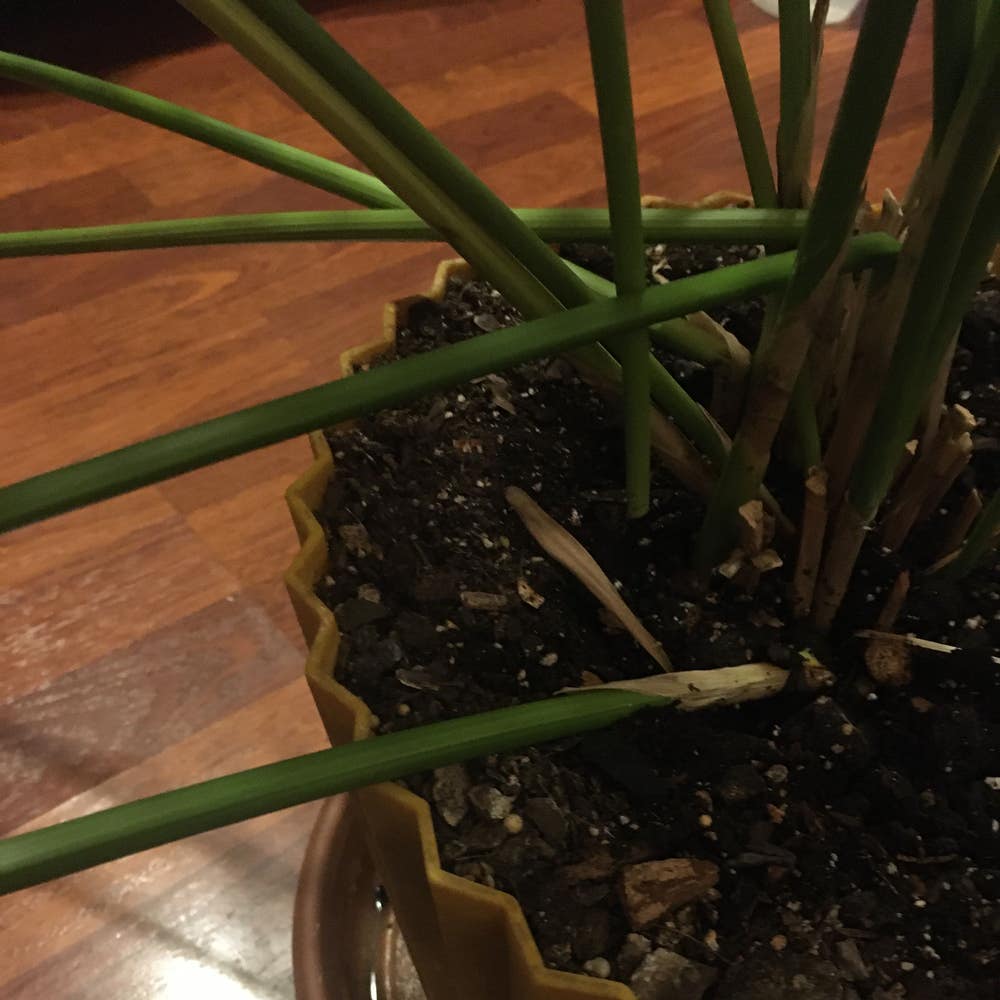
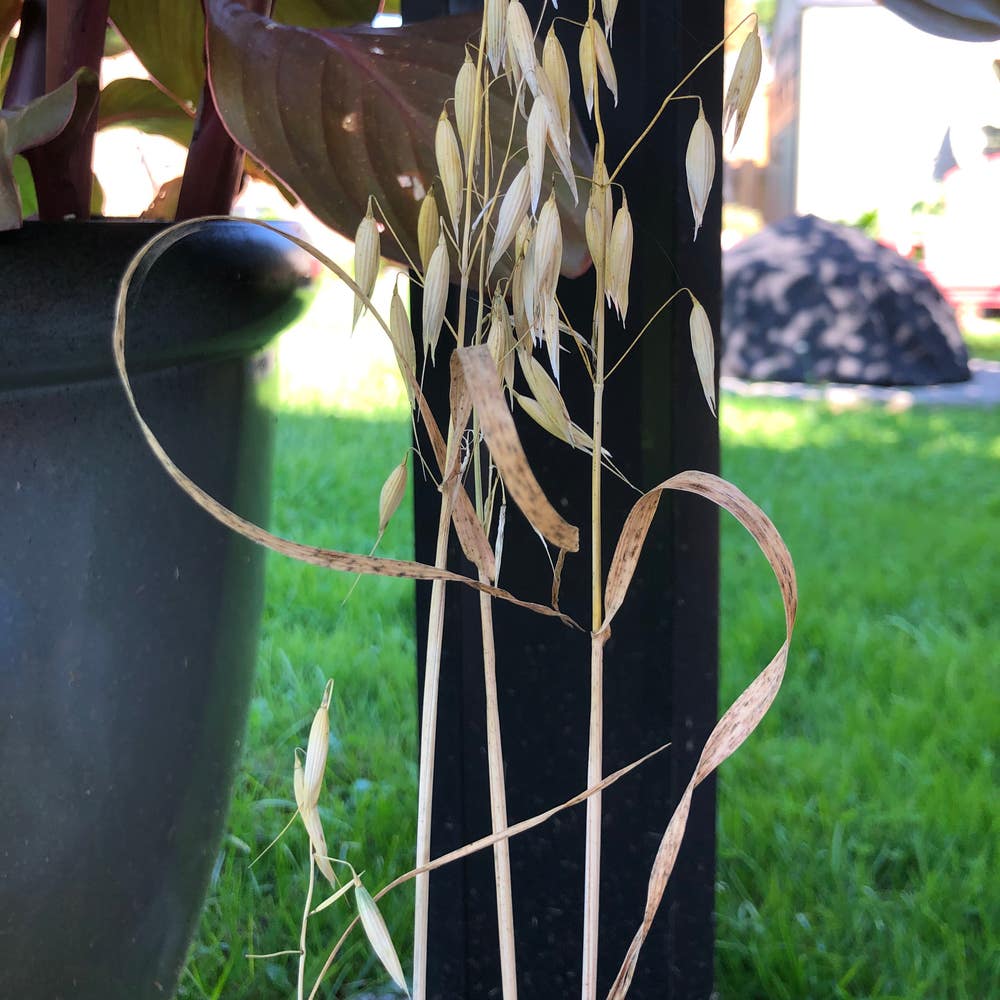
Cyperus difformis, commonly known as the umbrella sedge, is a perennial sedge that boasts a striking grass-like appearance. Its distinctive triangular stems rise gracefully, adorned with lush green foliage that adds a vibrant touch to any garden.
🐾 Most Appealing Parts to Animals
The young shoots of Cyperus difformis are particularly enticing due to their tender texture and high nutritional value. These shoots are often the first target for herbivores, drawn in by their succulent nature.
The flower heads also play a significant role in attracting various animals. They provide moisture-rich vegetation that many herbivores seek, making them a popular snack.
Additionally, the fruits of the plant are nutrient-rich and easily accessible for foraging animals. This combination of appealing features makes Cyperus difformis a favored choice among local wildlife, which can lead to both admiration and challenges for gardeners.
Understanding these attractive traits can help you better manage interactions with herbivores in your garden. As we explore the common herbivores that might be munching on your Cyperus difformis, you'll gain insights into protecting this beautiful plant.
Common Herbivores Affecting Cyperus difformis
🦌 Deer
Signs of presence and damage caused
Deer can be a significant threat to your Cyperus difformis. Look for hoof prints in muddy areas and evidence of browsing, such as stripped leaves and young shoots that appear stunted.
Impact on the plant (beneficial or harmful)
The impact of deer is generally harmful. If left unmanaged, they can decimate populations of this plant.
Deterrent methods (difficulty: moderate)
To deter deer, consider using chemical repellents with strong scents. Alternatively, homemade solutions like garlic spray or soap-based sprays can also be effective.
🐇 Rabbits
Signs of presence and damage caused
Rabbits leave clear signs of their presence. Look for small, round droppings near the base of the plant and cleanly cut stems and leaves.
Impact on the plant (beneficial or harmful)
Rabbits typically cause significant damage. Their feeding habits can lead to severe harm to your Cyperus difformis.
Deterrent methods (difficulty: easy)
Fencing is a straightforward solution; a barrier of 2-3 feet tall can effectively prevent access. Additionally, planting strong-smelling herbs like mint nearby can act as a natural deterrent.
🐿️ Squirrels
Signs of presence and damage caused
Squirrels are another common herbivore. You may notice chewed stems and leaves, along with signs of nesting nearby, such as twigs and debris.
Impact on the plant (beneficial or harmful)
Squirrels generally have a harmful impact. Their excessive feeding can weaken the plants significantly.
Deterrent methods (difficulty: moderate)
To keep squirrels at bay, consider using capsaicin-based chemical repellents. Scare tactics, such as reflective objects or noise makers, can also be effective.
🐦 Birds
Signs of presence and damage caused
Birds can be both friends and foes. Look for pecking that creates holes in leaves and flower heads, along with droppings around the plant.
Impact on the plant (beneficial or harmful)
The impact of birds is mixed. While some may help control pests, others can cause damage to your Cyperus difformis.
Deterrent methods (difficulty: easy)
Using bird netting can protect vulnerable areas of the plant. Visual deterrents like shiny tape or wind chimes can also help keep birds away.
🐭 Rodents (mice, voles, etc.)
Signs of presence and damage caused
Rodents can be particularly damaging. Look for tunneling near the plant base and gnaw marks on stems and roots.
Impact on the plant (beneficial or harmful)
The impact of rodents is generally harmful. They can cause severe damage to root systems, jeopardizing the plant's health.
Deterrent methods (difficulty: hard)
For rodent control, chemical repellents like bait stations can be effective. Alternatively, planting deterrent species such as mint or lavender nearby may help keep them at bay.
Understanding these common herbivores and their impacts on Cyperus difformis is crucial for maintaining a healthy garden. With the right deterrent methods, you can protect your plants and encourage a thriving ecosystem.
Beneficial Animals and Ecological Role
🐝 Description of Beneficial Animals Attracted to Cyperus difformis
Cyperus difformis isn't just a feast for herbivores; it also attracts a host of beneficial animals. Pollinators like bees and butterflies flock to its flower heads, drawn by their vibrant colors and nectar-rich offerings.
In addition to pollinators, beneficial insects such as ladybugs and lacewings find refuge in this plant. These insects play a crucial role in controlling pest populations, making them invaluable allies in any garden.
🌱 Positive Impacts on the Garden Ecosystem
The presence of these beneficial animals enhances biodiversity within your garden. By attracting a variety of species, Cyperus difformis contributes to a balanced ecosystem that supports plant health.
Moreover, these natural allies help reduce the need for chemical interventions. With effective pest control provided by ladybugs and lacewings, your garden can thrive without relying heavily on synthetic pesticides.
In summary, fostering a habitat for beneficial animals not only supports the health of Cyperus difformis but also enriches the entire garden ecosystem. This symbiotic relationship is a win-win for both plants and wildlife, creating a vibrant and sustainable environment.
As we explore further, let’s look at general protection strategies to safeguard your plants from potential threats while nurturing these beneficial interactions.
General Protection Strategies
🛡️ Preventive Measures for Protecting the Plant
To safeguard your Cyperus difformis, consider strategic plant placement. Positioning the plant in less accessible areas can deter herbivores from feasting on its tender shoots.
Companion planting is another effective strategy. Surrounding your sedge with plants that naturally repel herbivores can create a protective barrier, enhancing its chances of thriving.
🚨 Reactive Solutions for Managing Animal Interactions
Regular monitoring is crucial for early detection of animal interactions. Keep an eye out for signs of damage or animal presence to address issues promptly.
When you notice any signs of herbivore activity, immediate action is essential. Implementing deterrents right away can help minimize damage and protect your plant's health.
🍂 Seasonal Variations in Animal Attraction
Be aware that animal attraction to your Cyperus difformis varies with the seasons. In spring, herbivores become more active, drawn to the tender shoots that emerge.
As fall approaches, animals prepare for winter and may forage heavily. Understanding these seasonal patterns can help you anticipate and manage potential threats to your plant.
With these strategies in place, you can enjoy the beauty of your Cyperus difformis while keeping it safe from hungry visitors.
Toxicity and Safety
Mild Toxicity of Cyperus difformis 🌿
Cyperus difformis, while generally safe, exhibits mild toxicity in certain parts. This characteristic can deter excessive feeding by herbivores, providing a natural defense mechanism for the plant.
Implications for Animal Interactions 🐾
Understanding the mild toxicity of Cyperus difformis is crucial for managing animal interactions in your garden. Some animals may experience adverse effects, which can influence their feeding behavior and overall health.
Managing Interactions with Animals 🦙
To ensure a harmonious coexistence with wildlife, it's essential to monitor which animals are affected by the plant's toxicity. Implementing strategies like planting deterrent species nearby can help manage these interactions effectively.
Garden Safety Considerations 🏡
When cultivating Cyperus difformis, consider the safety of pets and local wildlife. Awareness of the plant's properties can guide you in creating a balanced ecosystem that minimizes harm while promoting biodiversity.
Conclusion 📜
Incorporating Cyperus difformis into your garden can be beneficial, but understanding its mild toxicity is key. By managing interactions thoughtfully, you can enjoy the beauty of this plant while safeguarding your garden's health.
Next, let’s explore some general protection strategies to keep your Cyperus difformis thriving amidst potential threats.
⚠️ Safety First
This content is for general information and may contain errors, omissions, or outdated details. It is not medical, veterinary advice, or an endorsement of therapeutic claims.
Always consult a qualified healthcare professional before using any plant as food, medicine, or supplement.
Never eat any plant (or feed one to pets) without confirming its identity with at least two trusted sources.
If you suspect poisoning, call Poison Control (800) 222-1222, the Pet Poison Helpline (800) 213-6680, or your local emergency service immediately.
Spotted an error? Please report it here.
Keep your Cyperus difformis thriving 🌿 by using Greg's tailored care tips and reminders to fend off pesky herbivores and monitor its health effortlessly!