Ultimate Guide to Variable Flatsedge
Cyperus difformis
By the Greg Editorial Team
Jan 24, 2025•9 min read
This article was created with the help of AI so we can cover more plants for you. May contain errors. See one? Report it here.
Elevate your garden with Variable Flatsedge 🌱, a resilient plant that beautifies spaces and supports local wildlife!
- 🌱 Variable Flatsedge thrives in moist, well-drained soil and tolerates standing water.
- 🌿 Ideal pH is 6.0 to 7.0; maintain for optimal growth and health.
- 💧 Consistent moisture is crucial; avoid overwatering and underwatering to prevent stress.
How to Grow
Choosing a Location 🌍
To thrive, Variable Flatsedge prefers moist, well-drained soil and can tolerate standing water. It flourishes in full sun to partial shade, making it versatile for various garden settings.
Soil Preparation 🏞️
For optimal growth, aim for rich, loamy soil that offers good drainage. The ideal pH level is slightly acidic to neutral, ranging from 6.0 to 7.0.
Planting Techniques 🌱
When planting, ensure the seeds or rhizomes are placed 1-2 inches deep in the soil. Space them 12-18 inches apart to allow for healthy growth and airflow.
Watering Requirements 💧
Keep the soil consistently moist, as Variable Flatsedge thrives in wet conditions. Watch for signs of overwatering, like yellowing leaves, and underwatering, which can cause wilting.
Fertilizing Tips 🌿
Fertilize every 4-6 weeks during the growing season to promote robust growth. A balanced NPK fertilizer is recommended to provide essential nutrients.
Pruning and Ongoing Care ✂️
Regularly prune by removing dead or damaged leaves to maintain plant health. Additionally, inspect your plants frequently for pests and diseases to catch any issues early.
Outdoor vs. Container Growing 🏡
If you choose container growing, ensure your pots are large enough and have adequate drainage holes. Outdoor growing mimics the plant's natural habitat, promoting better overall health and growth.
This foundational knowledge sets the stage for successful cultivation of Variable Flatsedge, leading us into the next section on propagation techniques.
Propagation
🌱 Seed Propagation
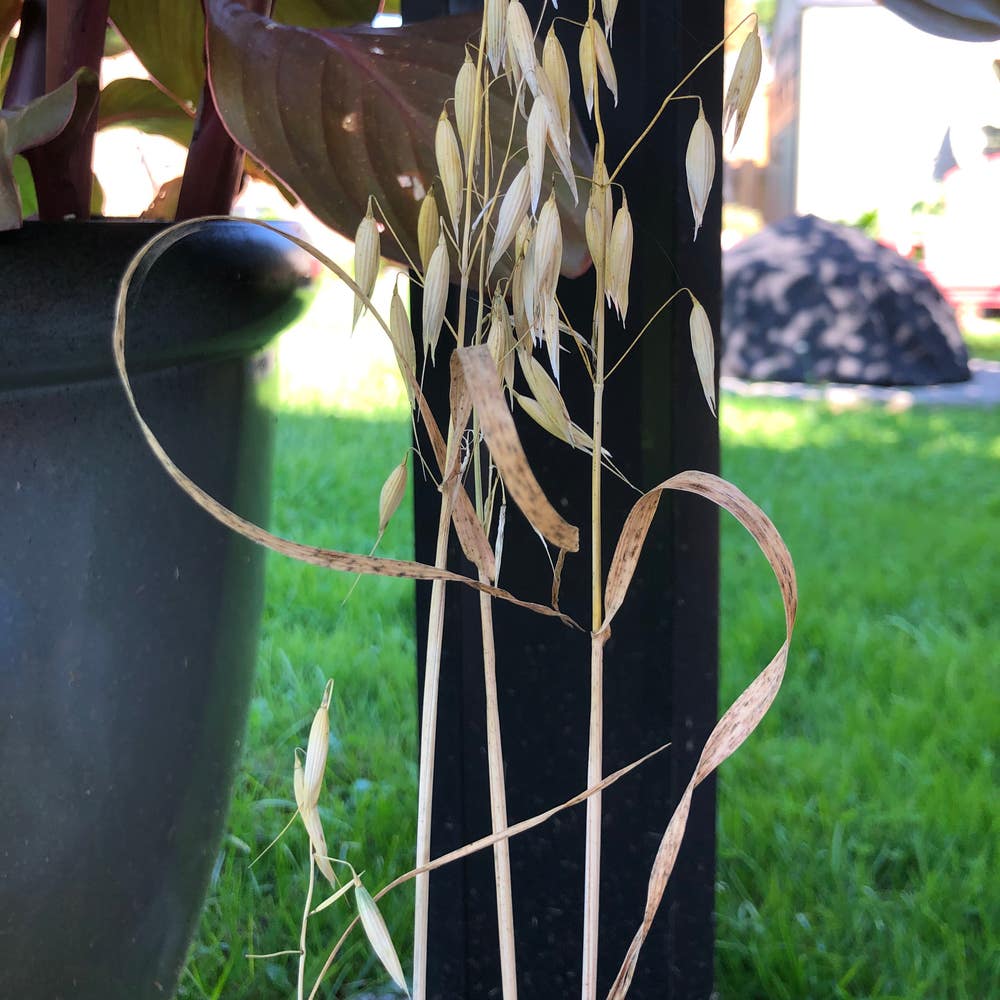
Collecting seeds from Variable Flatsedge is best done when the seed heads turn brown and dry, typically in late summer. Use a paper bag to gently shake the seeds free, ensuring you capture them all for planting.
For germination, aim for temperatures between 70°F and 85°F, with consistent moisture to encourage sprouting. Keep the soil lightly damp but not soggy to avoid rot.
✂️ Division of Rhizomes
The ideal time to divide rhizomes is in early spring or fall when the plant is not actively growing. This ensures minimal stress on the plant and promotes healthy regrowth.
To divide, carefully dig up the rhizomes and cut them into sections, ensuring each piece has at least one growing bud. Replant these sections immediately, spacing them appropriately for optimal growth.
🌿 Offsets and Cuttings
Offsets are small plants that grow around the base of the parent plant. Harvest them when they are a few inches tall and have developed their own roots.
For rooting cuttings, select healthy stems and place them in a well-draining medium, such as a mix of sand and peat. Keep the medium moist and provide indirect light until roots develop, usually within a few weeks.
This propagation knowledge will set you on the right path to expanding your Variable Flatsedge collection. Next, let's explore the lifecycle of this fascinating plant.
Lifecycle
Lifecycle Stages 🌱
Variable Flatsedge can be classified as either an annual or perennial plant, depending on the growing conditions. Understanding this classification helps in planning for its care and maintenance.
Germination Process 🌧️
Seeds of Variable Flatsedge typically germinate within 7 to 14 days. Providing the right temperature and moisture is crucial for successful germination.
Seedling Development 🌿
Once germinated, seedlings exhibit distinct leaf structures and growth patterns. These characteristics are essential for identifying young plants and ensuring they thrive.
Vegetative Growth Phase 🌳
During the vegetative growth phase, Variable Flatsedge experiences significant height increase and leaf expansion. This phase is vital for establishing a strong foundation for future growth.
Flowering and Seed Production 🌼
Flowering usually occurs in late summer, marking a critical stage in the plant's lifecycle. Following flowering, seed production takes place, ensuring the continuation of the species.
Lifespan and Growth Timeline ⏳
In optimal conditions, Variable Flatsedge has an overall lifespan of 2 to 3 years. It typically reaches full growth in about 3 to 4 months, making it a relatively fast-growing plant.
This lifecycle overview highlights the importance of understanding each stage for effective cultivation. Next, we will explore the size characteristics of Variable Flatsedge, including its mature height and spread.
Size
Mature Height and Spread 🌱
Variable Flatsedge typically reaches a height of 2 to 4 feet. Its spread can vary from 1 to 2 feet, depending on the growing conditions.
Growth Rate and Size Variability 📈
Several factors influence the growth rate of Variable Flatsedge, including light exposure, water availability, and soil quality. Additionally, size can vary significantly between different varieties of this plant.
Factors Affecting Size in Different Growing Conditions 🌍
The growing environment plays a crucial role in determining size. For instance, plants grown in containers may exhibit different growth patterns compared to those planted directly in the ground.
Humidity and temperature also impact growth. Higher humidity levels can promote more robust growth, while extreme temperatures may hinder development.
Understanding these factors can help you optimize the conditions for your Variable Flatsedge, ensuring it thrives and reaches its full potential.
Roots
Root System Characteristics 🌱
Variable Flatsedge features a fibrous and rhizomatous root system. This structure allows the plant to anchor itself securely while efficiently absorbing nutrients and water.
Root Depth and Spread 📏
Typically, the roots extend 12-18 inches deep into the soil. They can also spread beyond the plant's canopy, which helps stabilize the plant in various conditions.
Common Root-Related Issues ⚠️
Root rot is a significant concern for Variable Flatsedge, often caused by overwatering or poorly drained soil. Signs of unhealthy roots include discoloration and a mushy texture, indicating that immediate action is needed.
Identifying Healthy vs. Unhealthy Roots 🔍
Healthy roots are firm and resilient, while unhealthy roots feel soft and may appear dark. Maintaining root health is crucial for the overall vitality of the plant, as it directly impacts growth and resilience.
Recognizing Rootbound Plants and Solutions 🪴
Rootbound plants exhibit signs like stunted growth and circling roots within the pot. To remedy this, consider repotting the plant into a larger container or employing root pruning techniques to encourage healthier growth.
Understanding the root system of Variable Flatsedge is essential for successful cultivation. With proper care, you can ensure robust growth and vibrant health for your plants. Next, let’s explore the benefits of growing Variable Flatsedge in your garden.
Benefits
Top 5 Benefits 🌟
Variable Flatsedge offers numerous advantages that make it a valuable addition to any garden or landscape. Here are the top five benefits:
Aesthetic Appeal: With its lush green foliage, Variable Flatsedge enhances the beauty of landscapes, providing a natural, serene look.
Natural Water Filtration: This plant plays a crucial role in garden ponds by filtering water, improving clarity, and promoting a healthier aquatic environment.
Attracts Beneficial Wildlife: It serves as a habitat for pollinators and other beneficial wildlife, contributing to biodiversity in your garden.
Erosion Control: In wetland areas, Variable Flatsedge helps prevent soil erosion, stabilizing the ground and maintaining the ecosystem.
Historical Medicinal Uses: Traditionally, this plant has been used for various medicinal purposes, showcasing its cultural significance and versatility.
Cultural Significance 🎭
Variable Flatsedge is more than just a plant; it carries deep symbolism in various cultures. Often associated with resilience and adaptability, it reflects the ability to thrive in diverse environments.
Additionally, this plant has found its way into traditional crafts and practices. Its unique characteristics make it a favorite among artisans, further highlighting its cultural relevance.
Incorporating Variable Flatsedge into your garden not only enhances its beauty but also connects you to a rich tapestry of history and ecological importance. As you nurture this plant, you're participating in a legacy that values nature's resilience and utility.
None
Toxicity to Humans
Variable Flatsedge is generally safe for humans. It is not listed as toxic by major poison control centers, making it a low-risk plant for gardens.
However, there are a few potential minor issues to be aware of. Some individuals may experience mild skin irritation or digestive discomfort if they consume large quantities.
It's always wise to exercise caution. Monitor for any unusual symptoms after contact or ingestion, especially if you're trying this plant for the first time.
In summary, while Variable Flatsedge poses minimal risk, staying informed can help ensure a safe gardening experience. Now, let's explore how this plant interacts with our furry friends.
Toxicity to Dogs
Variable Flatsedge is generally safe for dogs. It is not listed as toxic by veterinary organizations, making it a suitable choice for pet-friendly gardens.
However, like many plants, excessive consumption can lead to mild gastrointestinal upset. It's essential to monitor your dog’s behavior around the plant to ensure they don't overindulge.
🐶 Tips for Introducing Variable Flatsedge to Homes with Dogs
Proper Placement: Position the plant in an area that is less accessible to your dog. This can help minimize any potential nibbling.
Monitoring Behavior: Keep an eye on your dog’s interaction with the plant. If they show excessive interest, consider redirecting their attention with toys or treats.
By taking these precautions, you can enjoy the beauty of Variable Flatsedge while keeping your furry friends safe.
As we explore further, let’s look into how this plant interacts with cats and other pets.
None
Problems
Common Problems 🌱
Variable Flatsedge can face several challenges that affect its growth and health. Identifying symptoms early is crucial for effective management.
Top 5 Common Issues 🌟
1. Incorrect Watering
Watering is a delicate balance. Overwatering can lead to soggy soil and root rot, while underwatering can cause stress and wilting.
2. Incorrect Light Conditions
Light plays a vital role in plant health. Too much direct sunlight can scorch leaves, while insufficient light can stunt growth.
3. Diseases
Diseases like powdery mildew and rust can plague Variable Flatsedge. These fungal infections thrive in humid conditions and can spread quickly if not addressed.
4. Root Problems
Root issues, particularly root rot, can be detrimental. This condition often arises from poor drainage and can lead to plant decline.
5. Leaf Issues
Yellowing or scorching leaves are signs of distress. These symptoms can indicate nutrient deficiencies or environmental stressors.
Understanding these common problems will help you maintain a healthy Variable Flatsedge. By monitoring your plants closely, you can take proactive steps to ensure their vitality and resilience.
None
What Eats Variable Flatsedge
🦌 Common Animals
Variable Flatsedge can attract a variety of wildlife. Common culprits include deer, rabbits, squirrels, and rodents, all of which may find the plant's lush foliage appealing.
🕵️♂️ Signs of Animal Presence and Damage
Identifying signs of animal activity is crucial for protecting your plants. Look for chewed leaves, broken stems, or even tracks around the base of the plants, which indicate that these animals have been feasting on your Variable Flatsedge.
🚫 Deterrent Methods
To keep these hungry visitors at bay, consider both chemical and organic control methods. Chemical repellents can be effective, but for a more natural approach, try using barriers like fencing or planting companion plants that deter these animals.
By understanding what eats Variable Flatsedge and how to protect it, you can ensure your plants thrive in their environment. Next, let’s explore the common problems that can affect their growth.
⚠️ Safety First
This content is for general information and may contain errors, omissions, or outdated details. It is not medical, veterinary advice, or an endorsement of therapeutic claims.
Always consult a qualified healthcare professional before using any plant as food, medicine, or supplement.
Never eat any plant (or feed one to pets) without confirming its identity with at least two trusted sources.
If you suspect poisoning, call Poison Control (800) 222-1222, the Pet Poison Helpline (800) 213-6680, or your local emergency service immediately.
Spotted an error? Please report it here.
Cultivating Variable Flatsedge successfully 🌱 is easy with Greg's tailored watering alerts and expert care tips to keep your plants thriving in any garden setting!