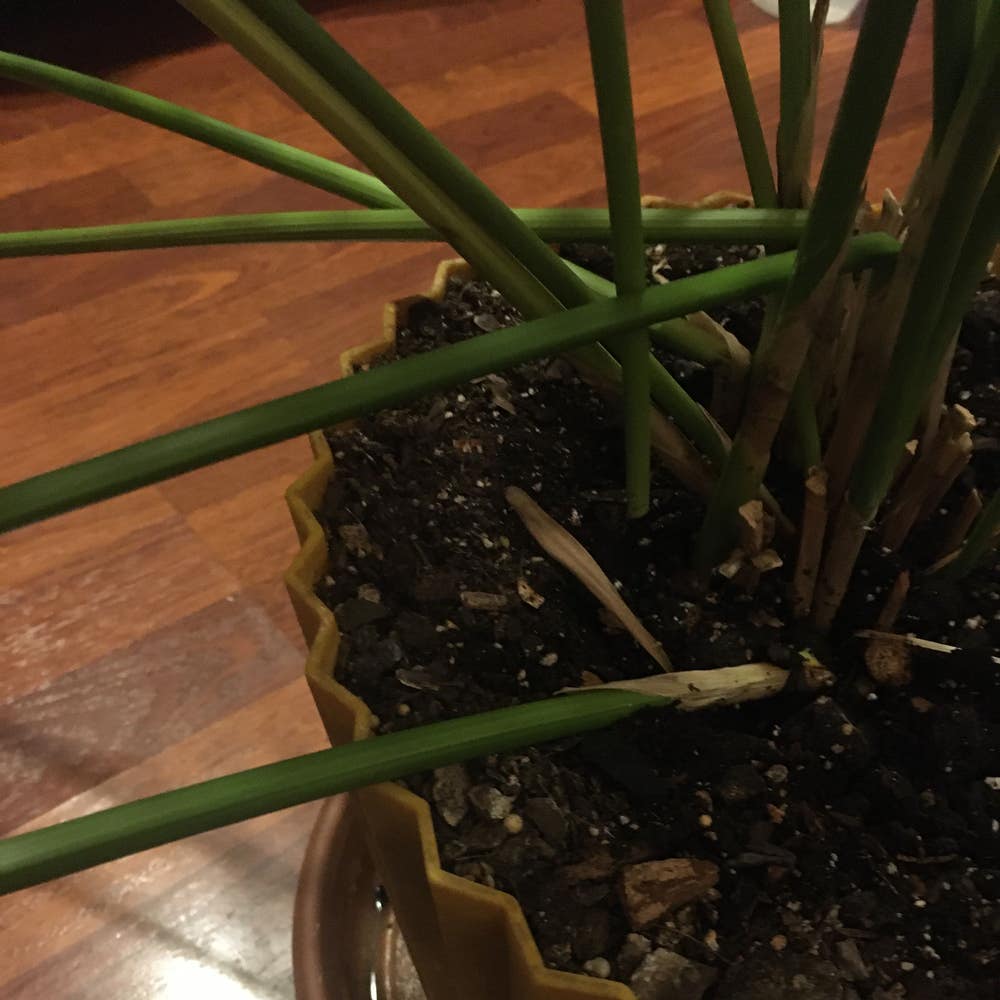
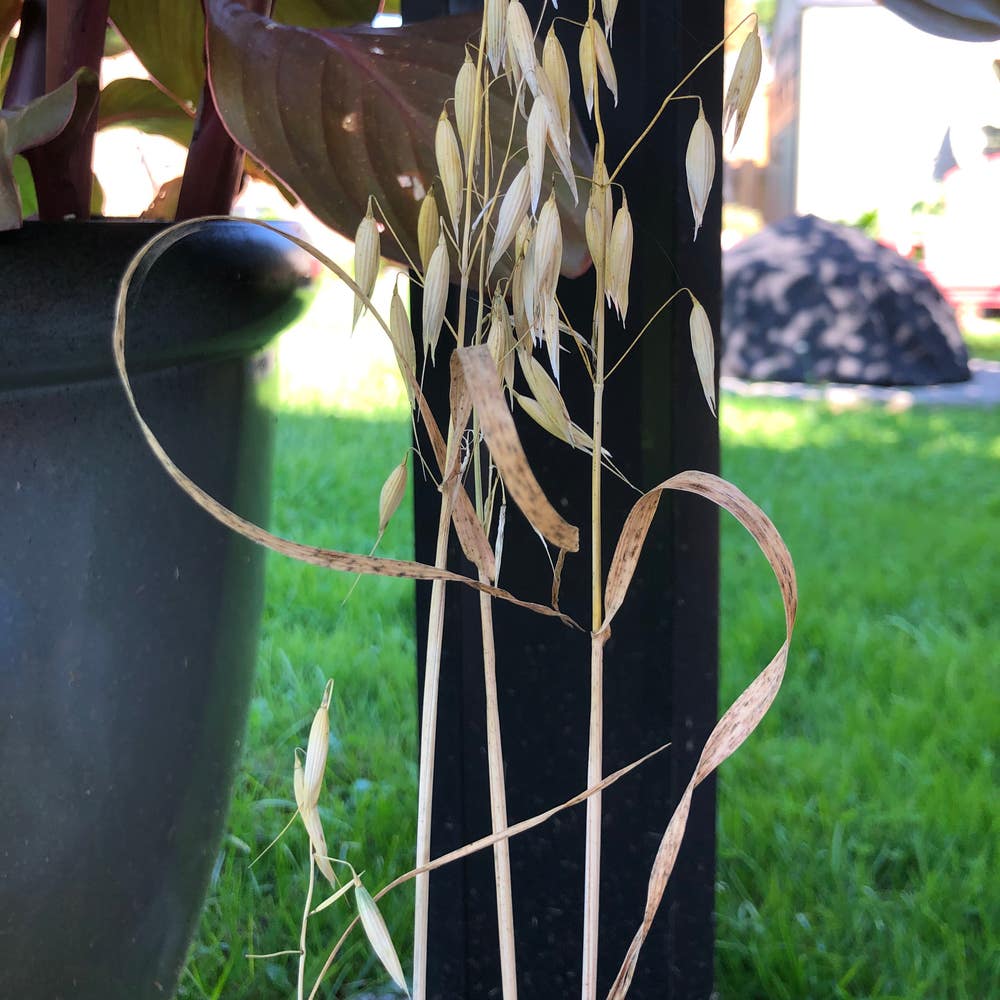
3 Tips for Healing Curling Leaves on Your Cyperus difformis 🩹
Cyperus difformis
By the Greg Editorial Team
Jan 07, 2025•4 min read
This article was created with the help of AI so we can cover more plants for you. May contain errors. See one? Report it here.
Revive your curling Cyperus difformis with these vital care tips for a thriving plant! 🌱
- 🌱 Curling leaves indicate stress from pests, nutrients, or environmental factors.
- 💧 Water quality matters; avoid chlorine and heavy metals for healthier plants.
- 🌞 Optimal light and humidity levels prevent curling; aim for bright, indirect light.
Causes of Curling Leaves
🌪️ Environmental Stress Factors
Curling leaves on your Cyperus difformis can often be traced back to environmental stress. Changes in water quality, such as chlorine, heavy metals, or high salinity levels, can significantly impact plant health.
Temperature fluctuations also play a crucial role. Ideally, your plant should thrive in temperatures between 20°C to 30°C (68°F to 86°F); extremes outside this range can lead to stress and curling.
Light exposure is another critical factor. Both insufficient and excessive light can cause leaves to curl, so finding that sweet spot is essential for your plant's well-being.
🥦 Nutrient Deficiencies
Nutrient deficiencies are another common culprit behind curling leaves. A nitrogen deficiency often manifests as yellowing and curling of older leaves, signaling that your plant needs a nutrient boost.
Potassium deficiency can lead to leaf edges curling and turning brown, while a lack of micronutrients like iron or magnesium can also contribute to this issue. Keeping an eye on your plant's nutrient levels is vital for maintaining its health.
🐜 Pest Infestations
Pest infestations can wreak havoc on your plant, causing leaves to curl. Common pests include aphids, spider mites, and mealybugs, all of which can stress your Cyperus difformis.
Look for signs of infestation, such as sticky residue, webbing, or visible insects on the plant. Early detection is key to preventing further damage and ensuring your plant stays healthy.
Diagnosing Curling Leaves
Identifying Symptoms 🌿
To effectively diagnose curling leaves on your Cyperus difformis, start with a visual inspection. Look for curling, yellowing, or browning of leaves, as these are clear indicators of distress.
Next, assess the leaf texture. Check for any wilting or a dry appearance, which can signal underlying issues that need addressing.
Assessing Environmental Conditions 🌧️
Water management is crucial for plant health. Evaluate soil moisture levels; the soil should be consistently moist but never waterlogged.
Humidity levels also play a significant role. Aim for humidity above 50%; using a hygrometer can help you measure and maintain optimal conditions.
Checking for Pests and Diseases 🐛
Inspect the undersides of leaves and stems for pests. Common culprits like aphids and spider mites can wreak havoc on your plant's health.
Additionally, look for signs of disease. Fungal growth or unusual spots on leaves can indicate a more serious problem that requires immediate attention.
By carefully diagnosing these symptoms and conditions, you can take the necessary steps to restore your plant's health and vitality. Next, let’s explore effective treatment options for curling leaves.
Treating Curling Leaves
🌊 Adjusting Watering Practices
Proper watering is crucial for your Cyperus difformis. Start by checking soil moisture; simply use your finger to test the top inch of soil.
Next, maintain consistent moisture. Water the plant when the top inch feels dry, ensuring it doesn't become too thirsty.
Lastly, avoid overwatering. Good drainage is essential to prevent root rot, which can exacerbate leaf curling.
💧 Increasing Humidity Levels
Humidity plays a significant role in plant health. One effective method is to use a humidity tray; fill a shallow tray with water and pebbles, then place the pot on top.
You can also mist the leaves lightly every day, especially in dry conditions. This simple act can help keep your plant hydrated.
Another tip is to group plants together. Clustering them creates a microenvironment with higher humidity, benefiting all the plants involved.
🌱 Fertilization Techniques
Fertilization can help address nutrient deficiencies that lead to curling leaves. Choose a balanced fertilizer, ideally a water-soluble option with equal NPK ratios.
Establish a fertilization schedule by applying the fertilizer every 4-6 weeks during the growing season. This regular feeding supports healthy growth.
Finally, keep an eye out for nutrient deficiencies. Adjust your fertilizer type based on any observed symptoms, ensuring your plant gets what it needs.
With these treatment strategies, your Cyperus difformis can bounce back from curling leaves. Next, let’s explore how to prevent leaf curl in the future.
Preventing Leaf Curl
👀 Regular Monitoring and Maintenance
Keeping a close eye on your Cyperus difformis is essential for preventing leaf curl. Conduct weekly inspections to spot any signs of curling or other health issues early on.
Adjust your care routines based on seasonal changes. For instance, increase humidity during the winter months to keep your plant thriving.
🌱 Optimal Growing Conditions
Creating the right environment is crucial for your plant's health. Use a well-draining, moisture-retentive potting mix to ensure your Cyperus difformis gets the moisture it needs without becoming waterlogged.
Light is another key factor. Provide bright, indirect light for optimal growth, as both too much and too little can lead to curling leaves.
🌦️ Seasonal Care Adjustments
As the seasons change, so should your care approach. In winter, reduce watering frequency while maintaining humidity levels to prevent stress on your plant.
During summer, increase watering and keep a vigilant eye out for pests. This proactive approach will help you catch any issues before they escalate, ensuring your plant remains healthy and vibrant.
⚠️ Safety First
This content is for general information and may contain errors, omissions, or outdated details. It is not medical, veterinary advice, or an endorsement of therapeutic claims.
Always consult a qualified healthcare professional before using any plant as food, medicine, or supplement.
Never eat any plant (or feed one to pets) without confirming its identity with at least two trusted sources.
If you suspect poisoning, call Poison Control (800) 222-1222, the Pet Poison Helpline (800) 213-6680, or your local emergency service immediately.
Spotted an error? Please report it here.
Keep your Cyperus difformis thriving 🌿 by addressing curling leaves with Greg's tailored care tips and reminders for optimal watering and pest management!