Ultimate Guide to Cyperus difformis Lifecycle
Cyperus difformis
By the Greg Editorial Team
Jan 07, 2025•6 min read
This article was created with the help of AI so we can cover more plants for you. May contain errors. See one? Report it here.
Unlock the secrets to cultivating Cyperus difformis 🌱 and witness its rapid growth from seed to stunning plant in months!
- 🌱 Optimal germination occurs at 20°C to 30°C with constant moisture and sunlight.
- 🌼 Flowering starts 8 to 12 weeks post-germination, attracting pollinators for fertilization.
- 🌊 Adaptable to water levels, Cyperus difformis thrives in submerged or saturated soils.
Germination Stage
🌱 Conditions for Germination
To kick off the lifecycle of Cyperus difformis, the germination stage requires specific conditions. The optimal temperature range for germination is between 20°C to 30°C (68°F to 86°F), which creates a warm environment for the seeds to sprout.
Moisture is crucial during this stage; the substrate should be constantly wet, ideally submerged in shallow water. Additionally, full sunlight significantly enhances germination rates, making it essential for successful seed sprouting.
⏳ Duration of Germination
Typically, seeds of Cyperus difformis germinate within a timeframe of 7 to 14 days. However, several factors can influence this duration, including soil temperature, moisture levels, and light availability.
Understanding these variables can help you create the perfect conditions for germination, setting the stage for a thriving plant. With the right care, you can witness the remarkable transformation from seed to seedling, paving the way for the next stage in its lifecycle.
Seedling Stage
🌱 Characteristics of Seedlings
As Cyperus difformis seeds germinate, they produce small, grass-like leaves that typically reach heights of 5 to 15 cm. This initial growth is crucial, as it sets the foundation for the plant's future development.
The seedlings also begin to establish a shallow root system in moist soil. This root development is essential for anchoring the plant and absorbing nutrients from its environment.
⏳ Duration of Seedling Growth
The seedling stage lasts approximately 2 to 4 weeks before the plant transitions into the vegetative growth phase. During this time, the seedlings thrive in consistently wet environments, which are vital for their healthy development.
Maintaining optimal moisture levels is key to supporting their growth. A well-hydrated substrate allows these young plants to flourish and prepare for the next stage of their lifecycle.
As we move forward, we'll explore the exciting transition into the vegetative growth stage, where Cyperus difformis really starts to show its potential.
Vegetative Growth Stage
🌱 Description of Vegetative Growth
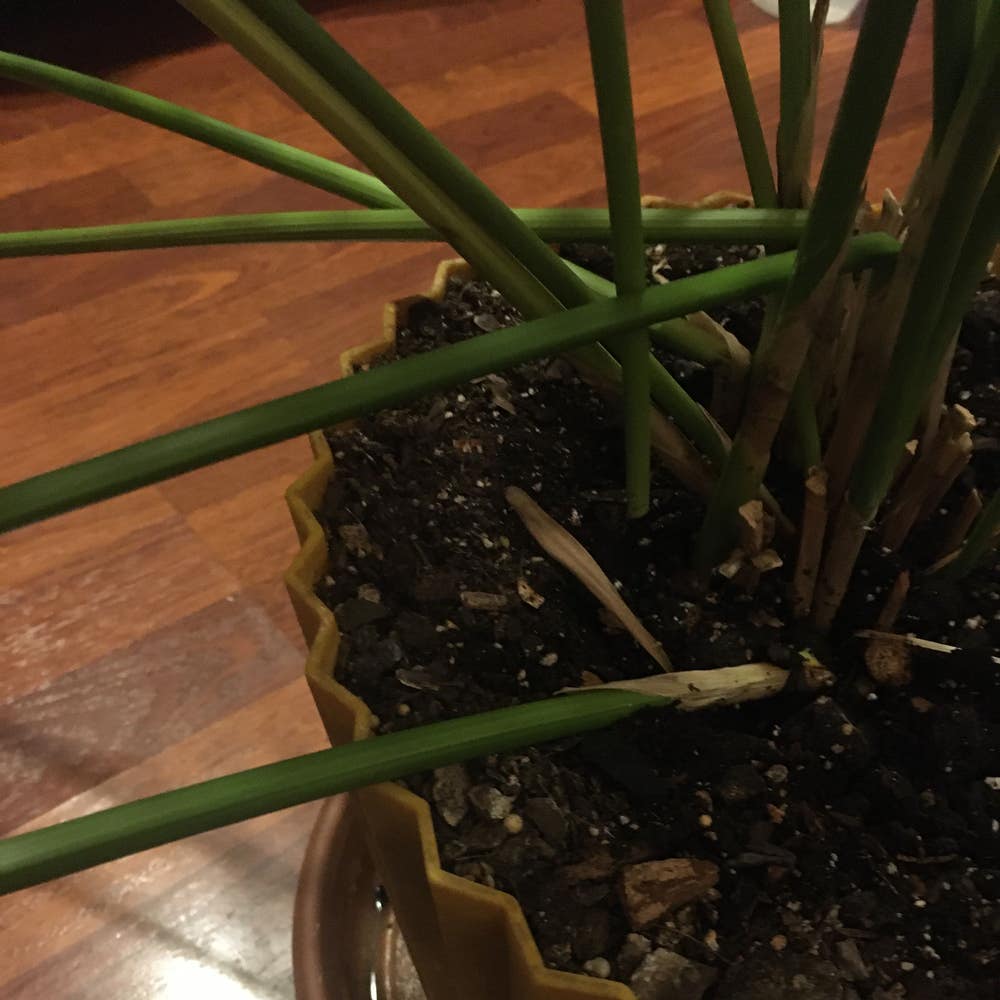
During the vegetative growth stage, Cyperus difformis exhibits rapid vertical growth. This phase is characterized by the development of triangular stems and dense foliage, creating a lush appearance.
The leaves are long and narrow, capable of reaching lengths of up to 1 meter. This impressive growth not only enhances the plant's aesthetic but also its ability to compete for sunlight in its wetland habitat.
⏳ Duration of Vegetative Growth
The vegetative growth stage typically lasts between 4 to 12 weeks. The exact duration depends on environmental conditions such as water availability and nutrient levels.
Under optimal conditions, Cyperus difformis can grow at a remarkable rate, often exceeding 30 cm per week. This rapid growth is a key factor in its success as a wetland plant, allowing it to establish quickly and dominate its surroundings.
As we transition to the next stage, it's essential to understand how these growth patterns set the stage for flowering and seed production.
Flowering and Seed Production Stage
🌼 Flower Characteristics
Cyperus difformis showcases unique flower structures that form umbrella-like clusters. These small flowers, typically yellowish-green, are not just visually appealing; they play a crucial role in the plant's reproductive success.
Pollination primarily occurs through wind, but the flowers can also attract insects, enhancing the chances of successful fertilization. This dual strategy ensures that the plant can thrive in various environmental conditions.
⏳ Duration of Flowering
Flowering generally begins about 8 to 12 weeks after germination. The peak flowering period typically occurs in late summer to early fall, lasting anywhere from 2 to 4 weeks.
During this time, the landscape can transform, as the vibrant clusters of flowers attract attention and support local ecosystems.
🌱 Process of Seed Production
Following the flowering phase, seeds develop within the flower clusters. This process is vital for the continuation of the species, as it allows for genetic diversity and adaptation to changing environments.
Seeds are dispersed primarily by water movement, enabling them to float to new locations. This natural method of dispersal helps Cyperus difformis colonize new areas effectively.
⏲️ Duration of Seed Production
Seed production can take an additional 4 to 6 weeks after flowering. During this period, the seeds mature and prepare for dispersal.
Under suitable conditions, these seeds can remain viable for several years, ensuring the plant's survival and ability to thrive in various habitats. This resilience is a testament to the adaptability of Cyperus difformis.
As we explore the growth rate and maturation of this fascinating plant, we’ll uncover how quickly it can reach full maturity and the factors that influence its growth.
Growth Rate and Maturation
How Long Until Fully Grown? 🌱
Cyperus difformis typically reaches full maturity within 3 to 6 months under optimal conditions. Factors such as water levels, nutrient availability, and light exposure significantly influence this maturation time.
How Fast Does It Grow? 🚀
This plant is known for its rapid growth, often exceeding 1 meter in height during a single growing season. Compared to other wetland plants, Cyperus difformis grows notably faster, making it a standout in its habitat.
Factors Affecting Growth Rate 🌍
Several environmental conditions can affect the growth rate of Cyperus difformis. Water quality, soil nutrients, and competition with other plants all play crucial roles in determining how quickly this species can thrive.
Seasonal variations also impact growth; colder months or drought conditions can slow down its development. Understanding these factors can help in managing and cultivating this resilient plant effectively.
As we explore the notable changes throughout the life cycle of Cyperus difformis, we’ll see how its adaptability and growth strategies contribute to its success in various environments.
Notable Changes Throughout the Life Cycle
🌱 Physical Changes During Growth Stages
As Cyperus difformis progresses from seedling to mature plant, it undergoes significant physical transformations. You'll notice an increase in height, leaf density, and stem thickness, which contribute to its robust appearance.
The development of reproductive structures marks another critical phase. This includes the formation of flowers and seeds, essential for the plant's lifecycle and propagation.
🌊 Environmental Adaptations
One of the remarkable features of Cyperus difformis is its ability to thrive in varying water levels. It can adapt to both submerged and saturated soil conditions, making it a versatile inhabitant of wetland ecosystems.
Additionally, its resilience to flooding is noteworthy. The plant's rapid growth allows it to recover quickly after water level changes, ensuring its survival in dynamic environments.
🌼 Changes in Reproductive Strategies
Cyperus difformis employs both sexual and asexual reproduction strategies. Sexual reproduction through seeds promotes genetic diversity, enabling the plant to colonize new areas effectively.
On the other hand, asexual reproduction via rhizomes allows for rapid spread and establishment in suitable habitats. This dual approach ensures the plant's persistence and adaptability in various conditions.
With these notable changes, Cyperus difformis showcases its incredible ability to thrive and reproduce, setting the stage for the next phase of its lifecycle.
⚠️ Safety First
This content is for general information and may contain errors, omissions, or outdated details. It is not medical, veterinary advice, or an endorsement of therapeutic claims.
Always consult a qualified healthcare professional before using any plant as food, medicine, or supplement.
Never eat any plant (or feed one to pets) without confirming its identity with at least two trusted sources.
If you suspect poisoning, call Poison Control (800) 222-1222, the Pet Poison Helpline (800) 213-6680, or your local emergency service immediately.
Spotted an error? Please report it here.
Cultivate Cyperus difformis like a pro 🌱 by using Greg's tailored care reminders to create the perfect environment for your thriving plant!