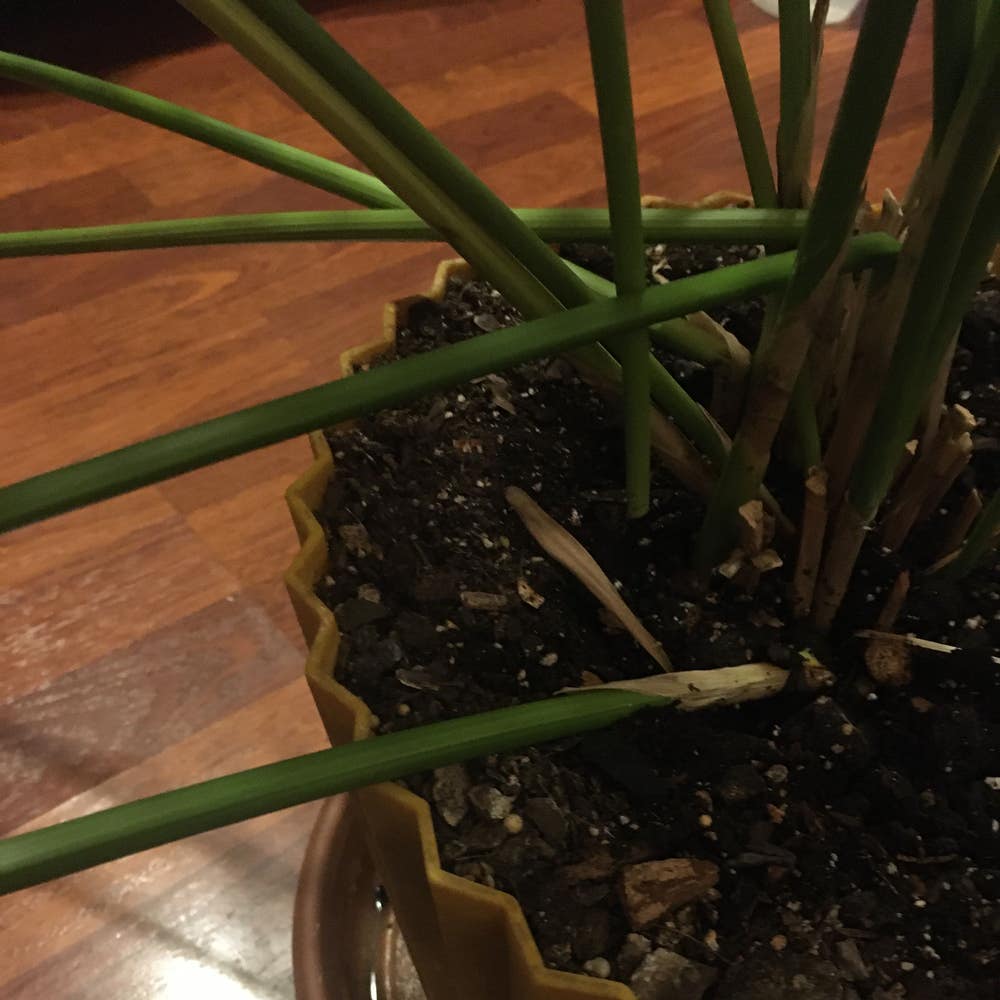
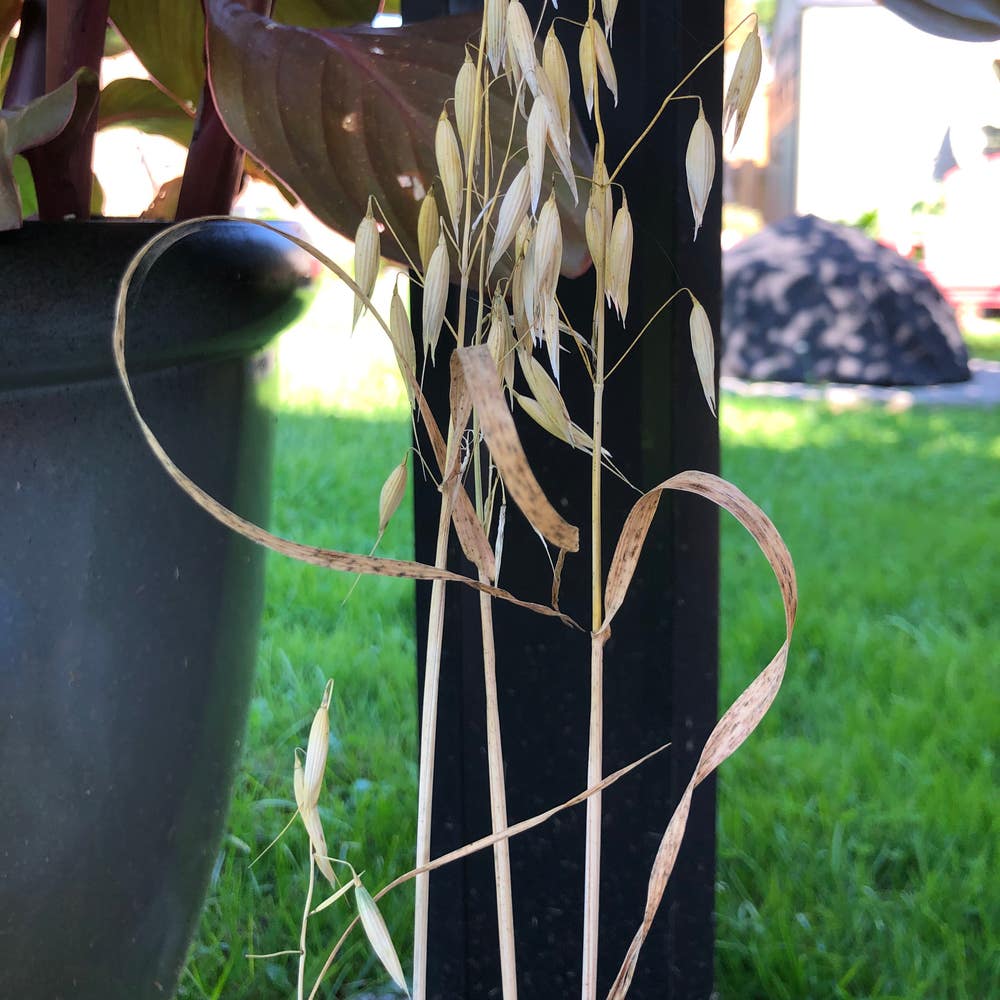
🚫 Cyperus difformis Is Not a Perennial
Cyperus difformis
By the Greg Editorial Team
Jan 07, 2025•4 min read
This article was created with the help of AI so we can cover more plants for you. May contain errors. See one? Report it here.
Transform your garden with the rapid growth and vibrant blooms of Cyperus difformis! 🌱🌼
- 🌱 Cyperus difformis is an annual, completing its lifecycle in one growing season.
- 🌼 It thrives in wet, nutrient-rich soil, reaching up to 3 feet tall.
- 🌿 Misclassified as perennial, it self-seeds but remains an annual plant.
Characteristics of Cyperus difformis
🌱 Lifecycle Stages
Cyperus difformis undergoes a fascinating lifecycle that includes four main stages: germination, growth, flowering, and death. From seed to maturity, this plant typically completes its lifecycle within a single growing season, making it a quick and dynamic addition to any garden.
🚀 Growth Rate
This annual can reach impressive heights, growing up to 3 feet in just one season. Optimal conditions for rapid growth include wet environments and nutrient-rich soil, which help it thrive and flourish.
🌿 Root System Structure
The root system of Cyperus difformis is shallow and fibrous, allowing it to absorb moisture efficiently. Unlike perennial plants, which often have deep, regenerative root systems, Cyperus difformis relies on its annual lifecycle to regenerate each season.
Understanding these characteristics can help gardeners appreciate the unique qualities of Cyperus difformis and how it fits into their planting strategies. As we delve deeper into its implications as an annual plant, we’ll explore its growth and flowering patterns next.
Implications of Annual Nature
Growth and Flowering Patterns 🌸
Cyperus difformis has a distinctive flowering cycle that typically occurs during the warm months. Blooms usually appear in late spring and can last through summer, depending on environmental conditions.
Environmental factors play a crucial role in the timing and duration of these flowers. Adequate water availability and ample sunlight can significantly enhance blooming, while drought or shade may hinder the plant's ability to flower effectively.
Lifespan Comparison ⏳
The average lifespan of Cyperus difformis is just one growing season. This contrasts sharply with perennial plants, which can live for several years, often returning each spring.
Understanding this difference is essential for gardeners. While perennials may offer long-term beauty, Cyperus difformis provides a quick, vibrant burst of life, making it a valuable addition to seasonal gardens.
Common Misconceptions
Misclassification as a Perennial 🌱
In gardening circles, Cyperus difformis often gets mistaken for a perennial plant. This confusion stems from its lush appearance and ability to thrive in wet conditions, leading many to believe it can return year after year.
However, it’s crucial to clarify that Cyperus difformis is, in fact, an annual. Understanding this classification helps gardeners make informed decisions about planting and care.
Self-Seeding Behavior 🌾
Self-seeding is a fascinating aspect of Cyperus difformis that can contribute to its misclassification. This process occurs when the plant produces seeds that germinate in the same area, creating new growth in subsequent seasons.
While self-seeding can give the illusion of perennial behavior, it’s important to note that these new plants are still annuals. They will complete their lifecycle within a single growing season, reinforcing the need for gardeners to plan accordingly.
Advantages of Cyperus difformis as an Annual
Quick Maturity Benefits 🌱
Cyperus difformis is a fast-growing plant, typically reaching maturity within 60 to 90 days. This rapid growth is a significant advantage for gardeners who want quick results and vibrant greenery in their spaces.
The short maturation period allows for multiple planting cycles within a single season. This means you can enjoy fresh blooms and lush foliage without the long wait associated with many perennials.
Flexibility in Garden Planning 🌼
One of the standout features of Cyperus difformis is its flexibility in garden planning. As an annual, it provides opportunities for seasonal rotation, allowing gardeners to experiment with different plant combinations each year.
Incorporating Cyperus difformis can enhance garden aesthetics, adding texture and height to your landscape. Its adaptability makes it a fantastic choice for creating dynamic and visually appealing garden layouts.
Transitioning to the next section, let's explore strategies for maximizing the growth and enjoyment of Cyperus difformis throughout the season.
Strategies for Enjoying Cyperus difformis
🌱 Maximizing Growth Throughout the Season
To get the most out of your Cyperus difformis, focus on proper watering and fertilization. This plant thrives in consistently moist soil, so regular watering is essential, especially during dry spells.
Fertilizing with a balanced, water-soluble fertilizer every few weeks can boost growth and flowering. Aim to plant your Cyperus difformis in late spring to ensure it has the best chance to flourish throughout the growing season.
🌼 Incorporating with Perennials
Companion planting can enhance the beauty and health of your garden. Consider pairing Cyperus difformis with perennials like daylilies or hostas, which can provide a striking contrast in texture and color.
When designing your garden layout, think about height and spacing. Position Cyperus difformis towards the back or center of flower beds to create a lush backdrop for shorter perennials, ensuring a visually appealing arrangement that draws the eye.
By following these strategies, you can enjoy the vibrant presence of Cyperus difformis while maximizing its growth potential and aesthetic appeal in your garden.
⚠️ Safety First
This content is for general information and may contain errors, omissions, or outdated details. It is not medical, veterinary advice, or an endorsement of therapeutic claims.
Always consult a qualified healthcare professional before using any plant as food, medicine, or supplement.
Never eat any plant (or feed one to pets) without confirming its identity with at least two trusted sources.
If you suspect poisoning, call Poison Control (800) 222-1222, the Pet Poison Helpline (800) 213-6680, or your local emergency service immediately.
Spotted an error? Please report it here.
Embrace the beauty of Cyperus difformis in your garden 🌿 by using Greg's tailored watering reminders to keep this annual thriving all season long!