💧 Cyperus difformis Care: Preventing and Treating Root Rot
Cyperus difformis
By the Greg Editorial Team
Jan 07, 2025•4 min read
This article was created with the help of AI so we can cover more plants for you. May contain errors. See one? Report it here.
Save your Cyperus difformis from root rot with expert watering and soil tips! 🌊🪴
- 💧 Proper watering techniques are crucial to prevent root rot in Cyperus difformis.
- 🌱 Use well-draining soil and pots with drainage holes for healthy growth.
- 🔍 Regularly inspect roots to catch early signs of root rot and take action.
Preventing Root Rot
Importance of Proper Watering Techniques 🌊
Watering is crucial for the health of your Cyperus difformis. Allow the top inch of soil to dry out between waterings to prevent excess moisture, which can lead to root rot.
Using a moisture meter can help you gauge when to water accurately. This tool takes the guesswork out of the equation, ensuring your plant gets just the right amount of hydration.
Timing your watering is also essential. Watering in the morning reduces evaporation and minimizes the risk of fungal growth, keeping your plant healthy and thriving.
Soil Selection and Drainage Solutions 🪴
Choosing the right soil is vital for preventing root rot. Lightweight, well-draining substrates, such as peat-based mixes, are recommended for optimal growth.
To enhance drainage, consider adding perlite or sand to your soil mix. These materials improve aeration, allowing excess water to escape and preventing root suffocation.
Container choice matters too. Always use pots with drainage holes to avoid water accumulation, which can be detrimental to your plant's health.
Water Quality Considerations 💧
Water quality plays a significant role in plant care. Maintain a pH level between 6.0 and 7.5 for optimal nutrient uptake, ensuring your Cyperus difformis thrives.
If you're keeping your plant in an aquarium, remember to change 10-20% of the water weekly. This practice helps maintain a healthy environment and reduces the risk of contaminants.
Regularly monitor your water for harmful substances. Testing for contaminants can help you catch potential issues before they affect your plant's health, keeping it vibrant and strong.
Treating Root Rot
Step-by-Step Treatment Process 🌱
Treating root rot in your Cyperus difformis requires a careful approach. Follow these steps to restore your plant's health.
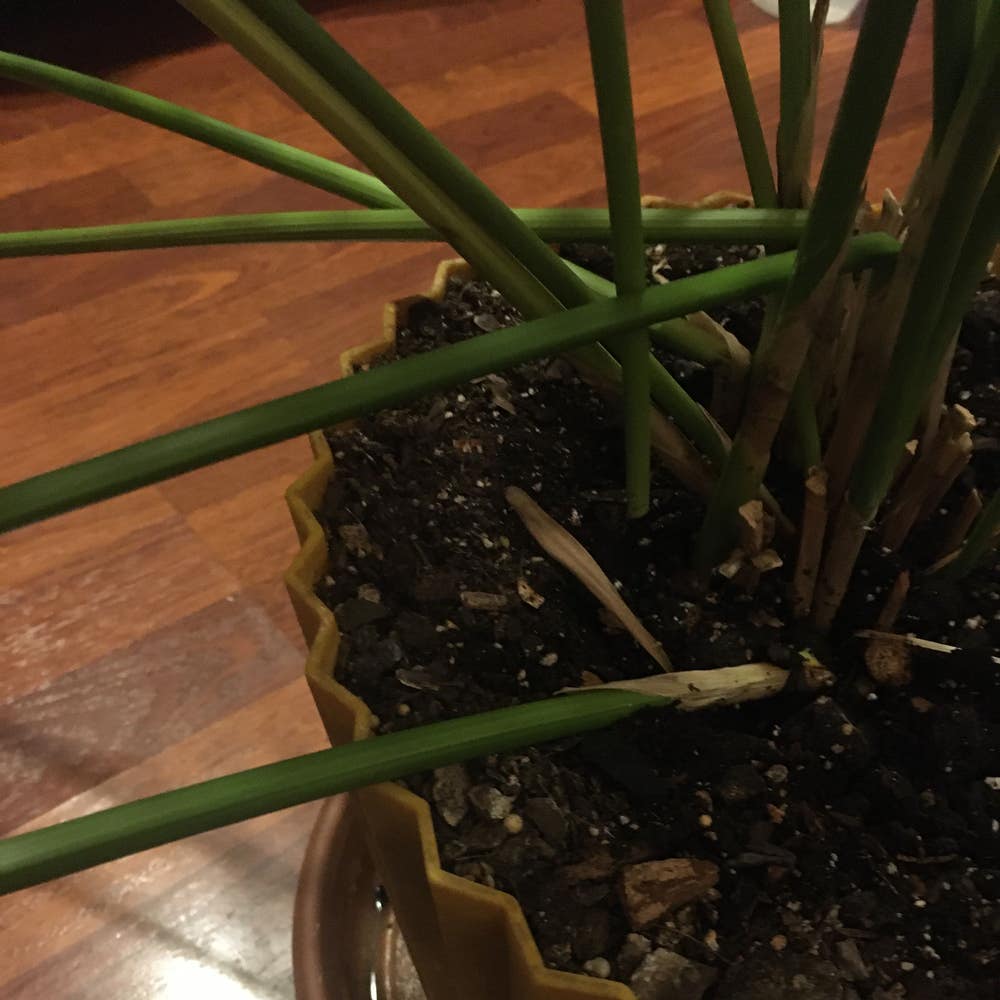
Remove the plant: Gently take out Cyperus difformis from its container. Be cautious to avoid damaging the roots during this process.
Inspect the roots: Examine the roots closely. Trim away any rotten or mushy sections to prevent further decay.
Clean the container: Disinfect the pot with a diluted bleach solution, using a 1:10 ratio. This step is crucial to eliminate any lingering pathogens.
Repot the plant: Use fresh, well-draining soil and a clean pot. This will provide a healthy environment for your plant to thrive.
Water appropriately: After repotting, allow the plant to settle. Avoid overwatering initially to give the roots time to recover.
Recommended Fungicides or Treatments 🧪
To further support your plant's recovery, consider these fungicide options.
Organic options: Neem oil or cinnamon powder can serve as effective natural fungicides. They help combat root rot without harsh chemicals.
Chemical treatments: Look for specific fungicides that target root rot pathogens. These can provide a stronger defense against severe infections.
Application methods: Drench the soil with diluted solutions according to the product instructions. This ensures even distribution and effective treatment.
Taking these steps can significantly improve your Cyperus difformis's chances of recovery. With proper care, your plant can bounce back and flourish once again.
Next, let’s explore how to monitor your plant's health to ensure it stays on the right track.
Monitoring Plant Health
🌱 Regular Checks for Root Health
To keep your Cyperus difformis thriving, inspect the roots every 2-4 weeks. Early detection of issues can save your plant from severe distress.
Look for changes in leaf color and growth patterns. Yellowing leaves or stunted growth can signal underlying problems that need attention.
🔄 Signs of Recovery from Root Rot
After addressing root rot, watch for new root growth. Healthy, white roots emerging from the base indicate that your plant is bouncing back.
Improved foliage is another positive sign. Green, upright leaves show that your Cyperus difformis is regaining its vigor.
You may also notice an increased growth rate. A noticeable uptick in height and leaf production means your plant is on the mend.
🛠️ Long-Term Care Strategies to Prevent Recurrence
Establishing a consistent watering schedule is crucial for moisture management. This helps prevent overwatering, which is a common cause of root rot.
Conduct seasonal checks to evaluate soil and water quality changes. Adapting your care routine with the seasons can significantly benefit your plant's health.
Lastly, educate yourself on aquatic plant care. Understanding the specific needs of Cyperus difformis will empower you to provide the best environment for your plant.
By staying proactive and attentive, you can ensure your Cyperus difformis remains healthy and vibrant. This sets the stage for a flourishing aquatic garden, ready to thrive in its environment.
⚠️ Safety First
This content is for general information and may contain errors, omissions, or outdated details. It is not medical, veterinary advice, or an endorsement of therapeutic claims.
Always consult a qualified healthcare professional before using any plant as food, medicine, or supplement.
Never eat any plant (or feed one to pets) without confirming its identity with at least two trusted sources.
If you suspect poisoning, call Poison Control (800) 222-1222, the Pet Poison Helpline (800) 213-6680, or your local emergency service immediately.
Spotted an error? Please report it here.
Keep your Cyperus difformis thriving 🌱 by mastering watering techniques and let Greg's personalized reminders guide you to prevent root rot effortlessly!