Cyperus difformis Is Considered a Weed 🌼
Cyperus difformis
By the Greg Editorial Team
Jan 07, 2025•7 min read
This article was created with the help of AI so we can cover more plants for you. May contain errors. See one? Report it here.
Learn to combat invasive Cyperus difformis 🌿 and safeguard your local ecosystems from its aggressive spread!
- 🌾 Cyperus difformis is an invasive weed, disrupting ecosystems and native plant growth.
- 🌊 Identifiable by triangular stems and umbrella-like flowers, it thrives in wetland areas.
- ⚠️ Effective management includes manual removal and monitoring to prevent its spread.
Plant Classification
Definition of Weeds and Invasive Species 🌱
Weeds are plants that grow where they are not wanted, often causing harm to cultivated areas. Invasive species, on the other hand, are non-native plants that spread aggressively, disrupting local ecosystems and outcompeting native flora.
Criteria for Classifying as a Weed 🏷️
To classify a plant as a weed, several criteria come into play. First, its rapid spread allows it to quickly colonize new areas, making it a formidable opponent in any garden or natural habitat.
Next, its competitive nature means it can outcompete native plants for essential resources like sunlight, water, and nutrients. Finally, the ecological impact of a weed is significant; it alters habitats and reduces biodiversity, leading to a less resilient ecosystem.
Ecological and Competitive Characteristics 🌍
Cyperus difformis, a perennial sedge, is particularly adapted to wetland environments. It forms dense stands that inhibit the growth of native vegetation, creating a challenging environment for local plant species to thrive.
This aggressive growth habit not only affects plant communities but also has cascading effects on the entire ecosystem. Understanding these characteristics is crucial for effective management and control of this invasive species.
With this knowledge, we can better appreciate the challenges posed by Cyperus difformis and take informed steps toward its management.
Identification
Key Identifying Features 🌿
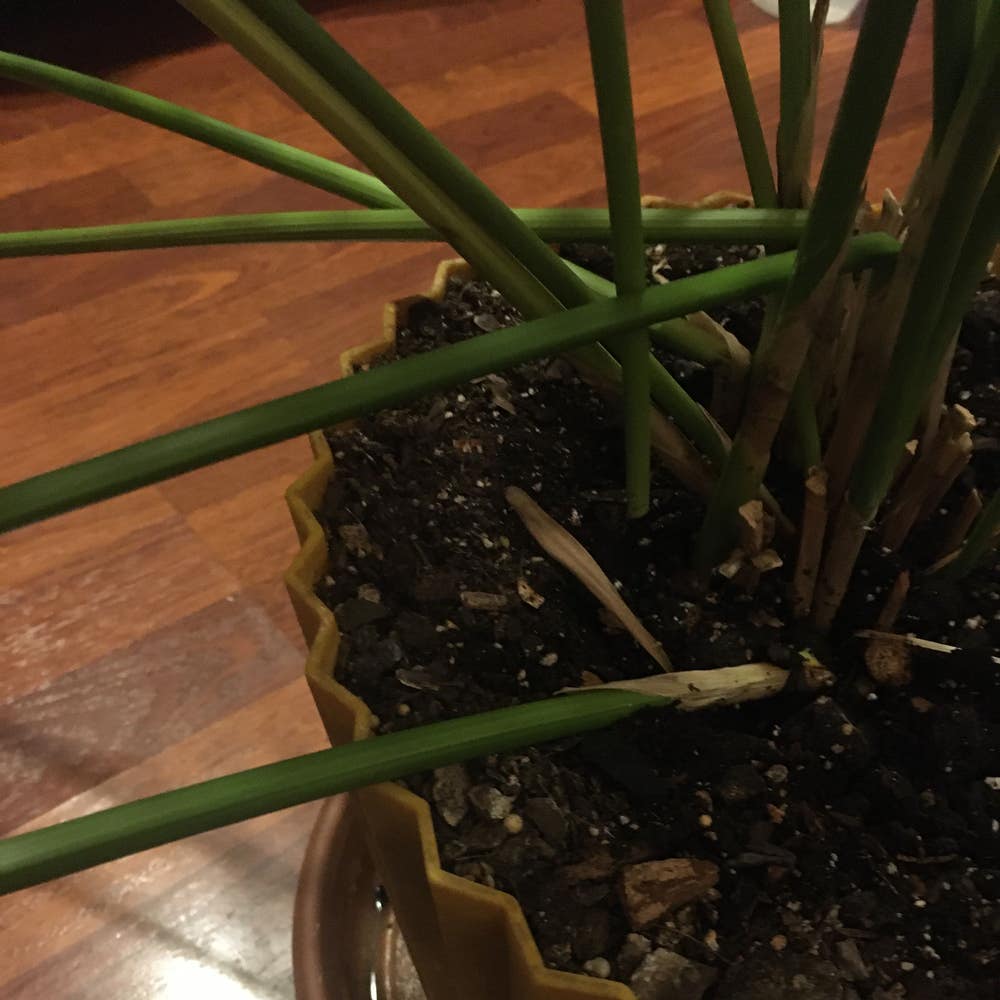
Cyperus difformis, commonly known as the ricefield sedge, has some standout characteristics that make it easy to identify. Its triangular stems are a distinctive feature, setting it apart from many other plants in the wetland ecosystem.
Another notable trait is its umbrella-like flower clusters. These unique inflorescences not only aid in identification but also contribute to the plant's overall aesthetic in its natural habitat.
Comparison with Look-Alike Plants 👀
When identifying Cyperus difformis, it's essential to distinguish it from similar species, such as Cyperus esculentus. While both belong to the same genus, Cyperus esculentus typically has a more rounded stem and different flower arrangements.
Key visual differences include the size and shape of the flower clusters and the growth habit. Familiarizing yourself with these traits can significantly enhance your ability to identify these plants accurately in the field.
As you learn to recognize these features, you'll gain a deeper appreciation for the biodiversity around you. Understanding these distinctions not only helps in identification but also in managing the spread of invasive species effectively.
Growth Habits and Spread
Typical Growth Patterns 🌱
Cyperus difformis typically grows between 1 to 3 feet tall. Its clumping habit features multiple stems emerging from a single base, creating dense patches that can quickly dominate an area.
Reproductive Strategies and Methods of Spread 🌾
This plant is a prolific reproducer, producing a high volume of seeds that contribute to its rapid colonization. Additionally, it spreads vegetatively through rhizomes and tubers, allowing it to establish new growth even when conditions are less than ideal.
Environmental Conditions that Favor Its Growth ☀️
Cyperus difformis thrives in wet, disturbed soils, making it a common sight in areas with poor drainage. It also exhibits remarkable tolerance to varying light conditions, flourishing in both full sun and partial shade, which enhances its ability to invade diverse habitats.
Understanding these growth habits and spread mechanisms is crucial for effective management and control strategies. Next, we will explore the ecological impact of Cyperus difformis on native plant communities and wildlife.
Ecological Impact
🌱 Effects on Native Plant Communities
Cyperus difformis significantly displaces native species, leading to a reduction in biodiversity. Its aggressive growth alters habitat structure, creating environments that favor its dominance over more delicate native plants.
🌿 Changes in Community Composition
As Cyperus difformis establishes itself, it often leads to monocultures. This shift not only diminishes the variety of plant life but also disrupts the intricate relationships that sustain local ecosystems.
🦉 Impact on Wildlife and Biodiversity
The spread of Cyperus difformis reduces habitat availability for native fauna. As native plants decline, so do the food sources and nesting sites that many animals rely on for survival.
🔄 Altered Interactions Within Ecosystems
The presence of this invasive sedge disrupts established food webs. As it takes over, the balance of interactions among species is thrown off, leading to unforeseen consequences for the entire ecosystem.
Understanding the ecological impact of Cyperus difformis is crucial for effective management and control. By recognizing its effects on both plant communities and wildlife, we can take informed steps to mitigate its spread and protect our native ecosystems.
Control and Management
Manual Removal Techniques and Best Practices 🌱
Manual removal is a straightforward yet effective strategy for managing Cyperus difformis.
Hand-pulling: This method works well for small infestations. Ensure you pull the entire plant, including roots, to prevent regrowth.
Digging: For larger patches, digging is essential. Remove the entire root system to minimize the chances of the plant returning.
Timing: The best time to tackle these weeds is before they set seed. This proactive approach limits their spread significantly.
Overview of Chemical Control Options 🧪
Chemical control can be an effective way to manage Cyperus difformis when manual methods are insufficient.
Herbicides: Various types are available, including selective and non-selective options. Always follow the manufacturer's instructions for application to ensure effectiveness.
Safety Precautions: When using herbicides, take care to protect surrounding plants and wildlife. Wear appropriate protective gear and follow guidelines for safe application.
Biological Control Methods and Their Effectiveness 🦠
Exploring biological control methods can offer sustainable solutions for managing this invasive species.
Natural Predators or Pathogens: Research is ongoing into potential biological control agents that could help keep Cyperus difformis in check.
Limitations: However, implementing these methods can be challenging. Factors such as the specific ecosystem and the effectiveness of the agents must be considered.
Preventive Measures to Limit the Spread 🚫
Prevention is key in managing Cyperus difformis effectively.
Regular Monitoring: Keep an eye on affected areas for early detection of new infestations. This proactive approach can save time and resources.
Best Practices: When landscaping or gardening, avoid introducing this species. Choose native plants that can outcompete Cyperus difformis instead.
Importance of Early Detection and Rapid Response ⏱️
Acting quickly is crucial when dealing with new infestations of Cyperus difformis.
- Strategies for Quick Action: Develop a plan for immediate response upon spotting new growth. The sooner you act, the easier it will be to control the spread.
By implementing these control and management strategies, you can effectively combat Cyperus difformis and protect your local ecosystems. Next, let’s explore the legal status surrounding this invasive species and the regulations in place to manage it.
Legal Status
Overview of Laws and Regulations 🌐
Cyperus difformis, often labeled as a weed, is subject to various federal and state regulations. These laws typically restrict its cultivation and sale to prevent further spread and ecological damage.
Local ordinances may also impose specific requirements for its control and removal. Understanding these regulations is crucial for landowners and gardeners to ensure compliance and protect local ecosystems.
Requirements for Removal or Control in Specific Regions 📜
Land managers and property owners must follow guidelines tailored to their regions. These guidelines often include recommended removal techniques and monitoring practices to effectively manage infestations.
Non-compliance with these regulations can lead to significant consequences, including fines or mandated control measures. Staying informed about local laws is essential for anyone dealing with Cyperus difformis.
In the next section, we will explore effective control and management strategies to combat this invasive species.
⚠️ Safety First
This content is for general information and may contain errors, omissions, or outdated details. It is not medical, veterinary advice, or an endorsement of therapeutic claims.
Always consult a qualified healthcare professional before using any plant as food, medicine, or supplement.
Never eat any plant (or feed one to pets) without confirming its identity with at least two trusted sources.
If you suspect poisoning, call Poison Control (800) 222-1222, the Pet Poison Helpline (800) 213-6680, or your local emergency service immediately.
Spotted an error? Please report it here.
Combat the spread of invasive sedges 🌿 like Cyperus difformis with Greg's expert tips on identification and management, empowering you to protect your garden and local ecosystems!