Identifying What is Eating Your Crown Cactus 🐞
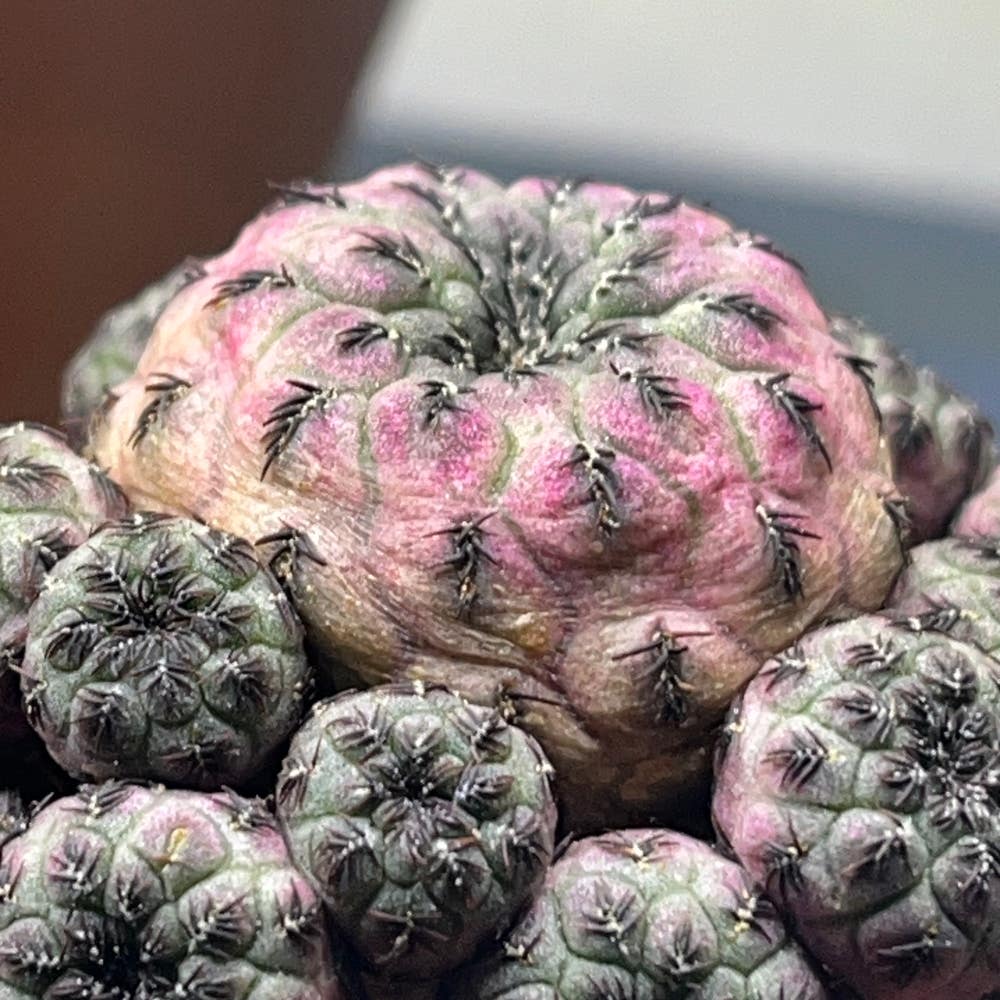
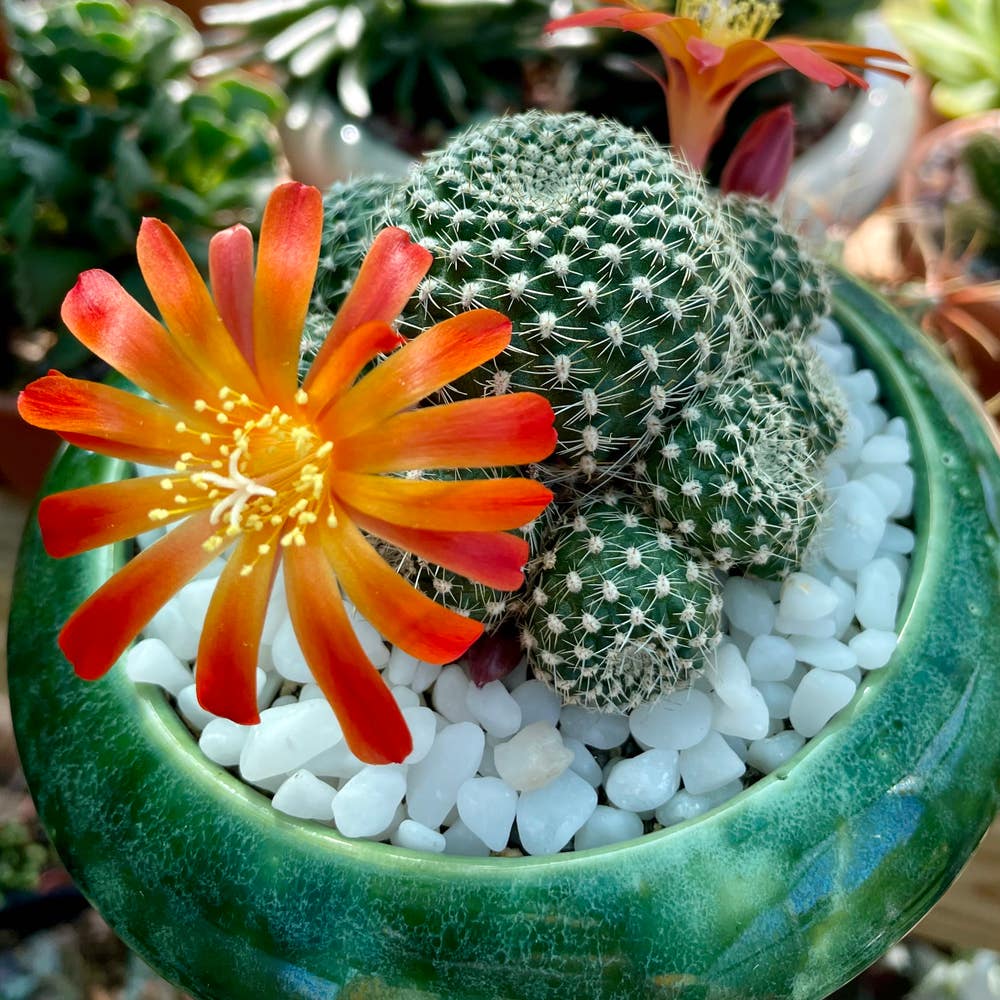
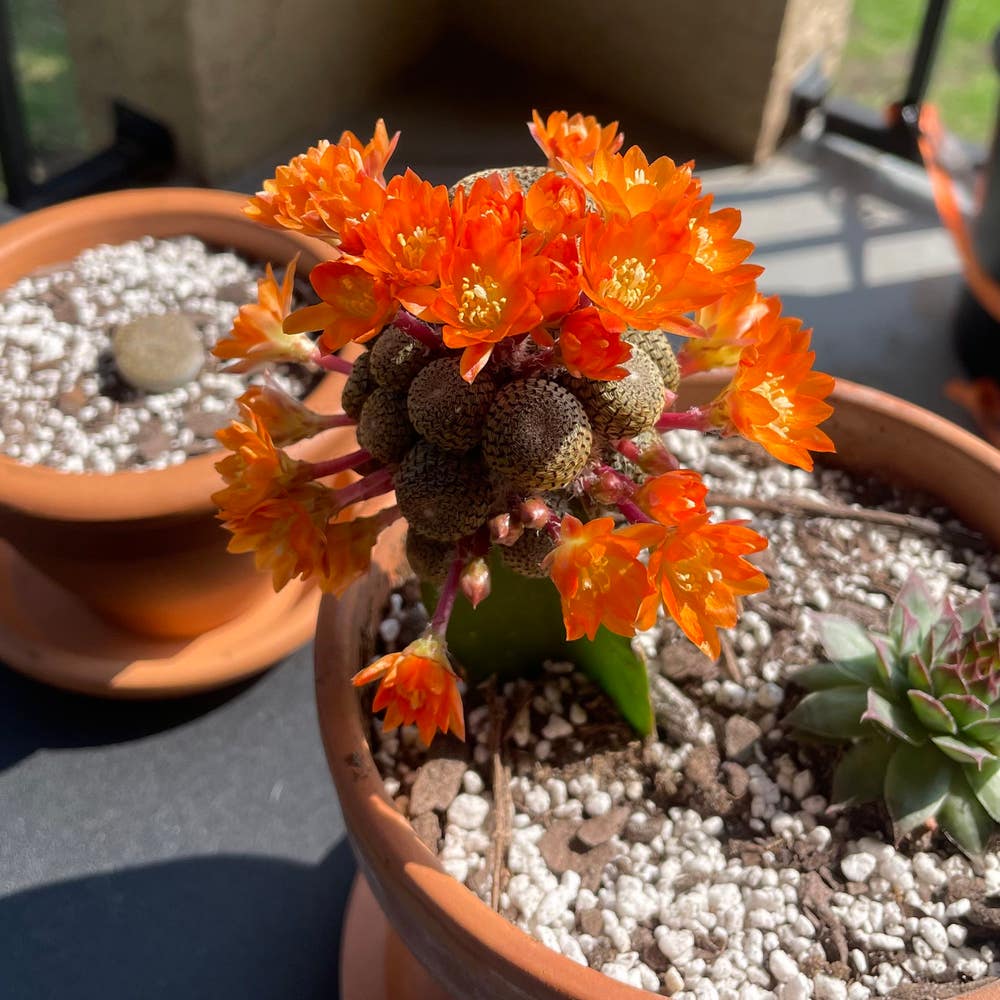
Rebutia vulpina
By the Greg Editorial Team
Sep 30, 2024•6 min read
This article was created with the help of AI so we can cover more plants for you. May contain errors. See one? Report it here.
Safeguard your crown cactus from herbivores while fostering a vibrant garden ecosystem! 🌵✨
- 🦌🌱 Identify herbivores like deer, rabbits, and squirrels threatening your crown cactus.
- 🔍 Look for signs of damage, such as hoof prints and gnaw marks, to assess risks.
- 🚫🌿 Use deterrents like repellents and barriers to protect your cactus from herbivores.
Common Herbivores Affecting Crown Cactus
🦌 Deer
Signs of presence and damage caused
Look for hoof prints near the base of your crown cactus. You might also notice leaves and young shoots stripped away, often leaving jagged edges behind.
Beneficial vs. harmful interactions
Deer are generally harmful, as they can severely damage or even kill young plants. However, they can be beneficial by aiding in seed dispersal if they consume the fruits.
Deterrent methods
To deter deer, consider using commercial repellents with strong scents. You can also plant deer-resistant species nearby or use human hair and soap shavings as organic deterrents.
🐇 Rabbits
Signs of presence and damage caused
Rabbits leave small, rounded prints in the soil. They often cause damage by cleanly cutting young shoots and flowers.
Beneficial vs. harmful interactions
Rabbits are generally harmful, as they can decimate young plants quickly. On the upside, they serve as prey for local predators, helping maintain ecosystem balance.
Deterrent methods
For easy deterrence, use bitter-tasting sprays or fence your cactus with chicken wire. You can also sprinkle cayenne pepper around the area for an organic solution.
🐿️ Squirrels
Signs of presence and damage caused
Squirrels leave scratching or gnawing marks on the cactus surface. You may also notice soil displaced around the base from their digging.
Beneficial vs. harmful interactions
Squirrels are generally harmful, causing significant damage to the cactus structure. Yet, they can be beneficial by helping in seed dispersal if they consume fruits.
Deterrent methods
Consider using commercial squirrel repellents as a chemical deterrent. Alternatively, install motion-activated sprinklers or use predator urine for an organic approach.
🐦 Birds
Signs of presence and damage caused
Look for peck marks on fruits and flowers, along with droppings near the cactus indicating feeding.
Beneficial vs. harmful interactions
Birds are generally beneficial, acting as pollinators that assist in reproduction. However, excessive feeding can damage flowers and fruits.
Deterrent methods
Non-toxic bird repellents can serve as effective chemical deterrents. For an organic method, hang reflective objects or use netting to protect your fruits.
🐭 Rodents (mice, voles, etc.)
Signs of presence and damage caused
Rodents create small burrows near the base of the cactus and leave gnaw marks on the cactus surface and roots.
Beneficial vs. harmful interactions
These rodents are generally harmful, as they can cause root damage and weaken the plant. However, they also serve as prey for local predators.
Deterrent methods
Use rodent bait stations as a chemical deterrent. Alternatively, trapping and using natural repellents like peppermint oil can be effective organic methods.
🦡 Groundhogs/Woodchucks
Signs of presence and damage caused
Look for large burrows and trails leading to the cactus. Groundhogs can cause significant damage to the base and lower parts of the plant.
Beneficial vs. harmful interactions
Groundhogs are generally harmful, capable of completely destroying a cactus in a short time. Yet, they can aerate the soil and contribute to nutrient cycling.
Deterrent methods
Commercial groundhog repellents can be used as a chemical deterrent. For a more challenging organic method, consider fencing with buried barriers to prevent digging.
Understanding these common herbivores and their interactions with your crown cactus can help you protect your plants effectively. Next, let’s explore the beneficial animals that can enhance your garden ecosystem.
Beneficial Animals Attracted to Crown Cactus
Pollinators: Bees and Butterflies 🐝🦋
Bees and butterflies are essential visitors to crown cactus flowers. Their pollination efforts not only enhance the beauty of your garden but also ensure the production of seeds.
Birds and Seed Dispersal 🐦
Birds play a crucial role in seed dispersal for crown cacti. By feeding on the fruits, they help spread seeds across the landscape, promoting new growth.
Enhancing Biodiversity 🌱
The presence of these beneficial animals significantly boosts biodiversity in your garden. A diverse ecosystem is more resilient and can better withstand pests and diseases.
Promoting Healthy Pollination 🌼
Healthy pollination leads to robust seed production. This cycle supports not just the crown cactus but the entire garden ecosystem, creating a thriving environment for all species.
Conclusion
Encouraging beneficial animals can transform your garden into a vibrant habitat. By understanding their roles, you can cultivate a space that thrives in harmony with nature.
Next, we’ll explore general protection strategies to safeguard your crown cactus from herbivores while maintaining this beneficial balance.
General Protection Strategies
🛡️ Preventive Measures for Protecting Crown Cactus
To safeguard your crown cactus, consider planting it in raised beds. This simple step can deter burrowing animals that might otherwise damage the roots.
Additionally, using protective barriers like mesh or fencing can be highly effective. These barriers create a physical shield against herbivores while allowing sunlight and rain to nourish your plants.
⚠️ Reactive Solutions for Managing Animal Interactions
Regular monitoring is crucial for early detection of herbivore activity. Keep an eye out for signs like tracks or damage to the cactus.
When you notice any issues, quick intervention is key. Addressing damage promptly can prevent further harm and help your cactus thrive.
🌱 Seasonal Variations in Animal Attraction to Crown Cactus
Be aware that animal activity tends to increase in spring and summer. During these seasons, young shoots and flowers become prime targets for hungry herbivores.
Understanding these seasonal behaviors allows you to implement timely protective measures. By being proactive, you can better shield your crown cactus from potential threats.
With these strategies in place, you can enjoy the beauty of your crown cactus while minimizing the risk of damage from herbivores. Next, let’s explore the beneficial animals that can enhance your garden ecosystem.
Ecological Role of Crown Cactus
Crown cactus plays a vital role in its ecosystem. It provides food and habitat for various species, creating a thriving environment for wildlife.
🦋 Supporting Local Wildlife
The flowers of the crown cactus attract essential pollinators like bees and butterflies. These creatures not only help in the reproduction of the cactus but also enhance the overall biodiversity of the garden.
🌱 Soil Health Contribution
Beyond supporting pollinators, crown cactus contributes to soil health. Its roots help stabilize the soil, preventing erosion and promoting nutrient cycling.
⚖️ Balancing Plant Damage and Ecosystem Health
While herbivores may damage the cactus, they also play a role in the ecosystem. Maintaining a diverse garden ecosystem is crucial, as it allows for natural checks and balances among species.
🛡️ Protecting Plants While Encouraging Diversity
It's essential to protect your crown cactus from herbivores without disrupting the ecosystem. Implementing thoughtful strategies ensures that both the plants and the wildlife can thrive together.
In summary, the crown cactus is more than just a beautiful plant; it's a cornerstone of its ecosystem. Understanding its ecological role helps us appreciate the delicate balance between protecting our plants and fostering a vibrant environment.
⚠️ Safety First
This content is for general information and may contain errors, omissions, or outdated details. It is not medical, veterinary advice, or an endorsement of therapeutic claims.
Always consult a qualified healthcare professional before using any plant as food, medicine, or supplement.
Never eat any plant (or feed one to pets) without confirming its identity with at least two trusted sources.
If you suspect poisoning, call Poison Control (800) 222-1222, the Pet Poison Helpline (800) 213-6680, or your local emergency service immediately.
Spotted an error? Please report it here.
Safeguard your crown cactus from pesky herbivores with Greg's personalized tips and reminders 🌵, ensuring it thrives while supporting a balanced ecosystem!