👑 Crown Cactus Growth: Height vs. Width
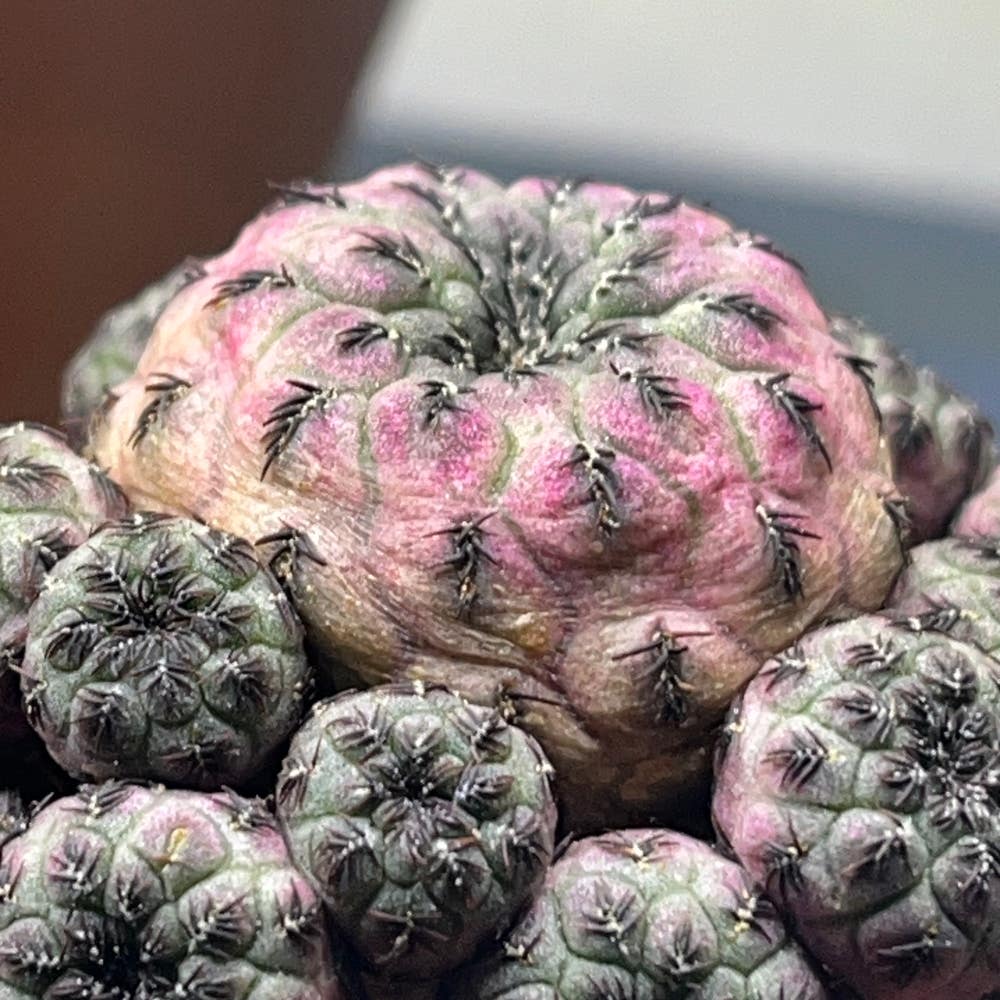
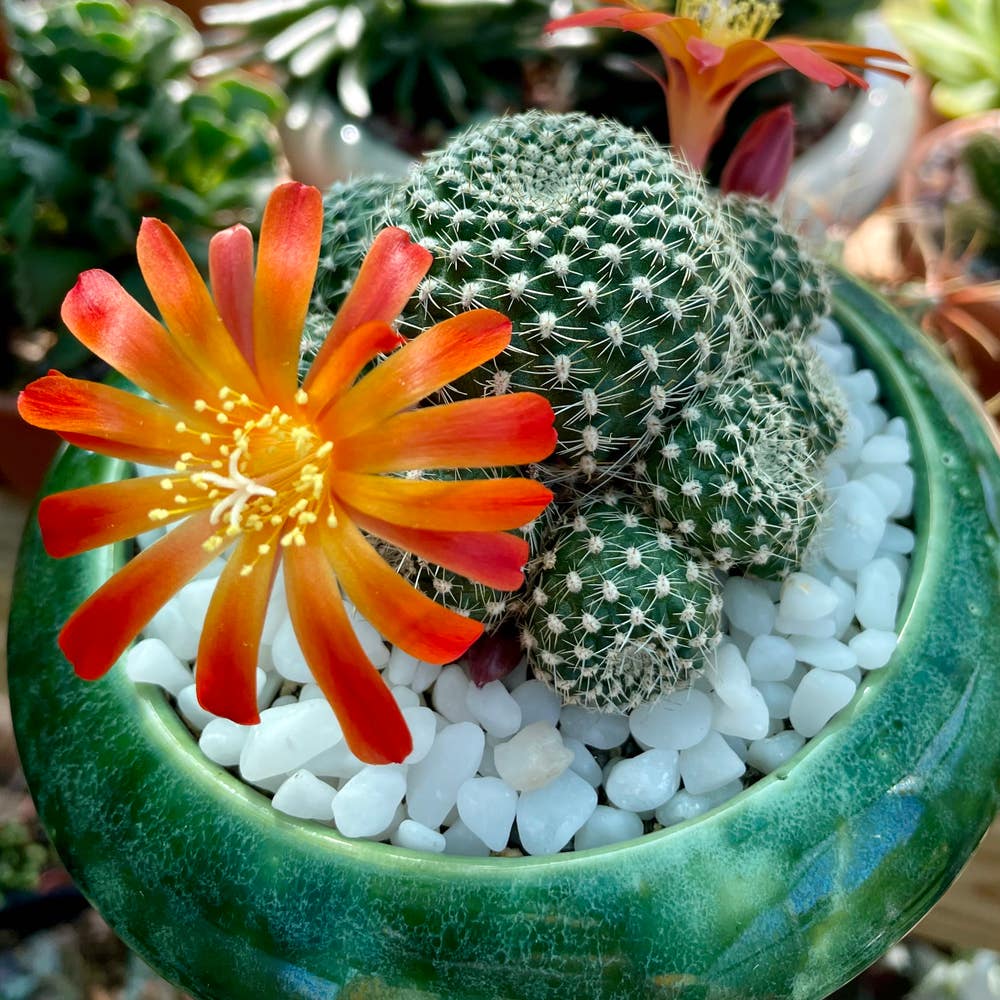
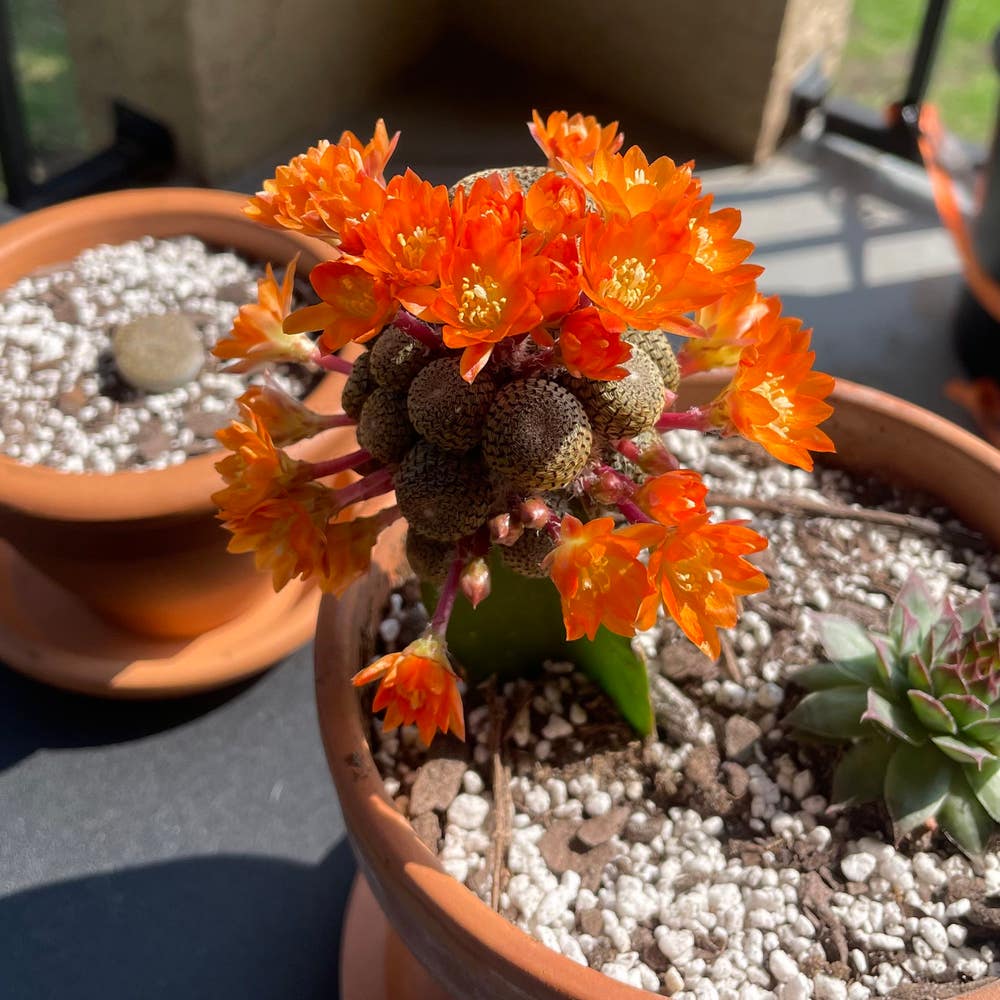
Rebutia vulpina
By the Greg Editorial Team
Sep 30, 2024•5 min read
This article was created with the help of AI so we can cover more plants for you. May contain errors. See one? Report it here.
Master crown cactus care 🌵 to unlock their stunning growth potential and fit them perfectly in your space!
- 🌵 Crown cacti grow 12-24 inches tall and 6-12 inches wide; size varies by variety.
- ☀️ Full sun exposure (6-8 hours daily) is crucial for optimal crown cactus growth.
- 🌱 Well-draining soil and proper pot size enhance growth and prevent rot.
Mature Height and Width
Typical Dimensions 🌵
Crown cacti are known for their impressive stature. On average, they reach a mature height of 12 to 24 inches (30 to 60 cm) and a width of 6 to 12 inches (15 to 30 cm).
Growth Rate and Time to Maturity ⏳
These resilient plants typically grow at a rate of 1 to 3 inches (2.5 to 7.5 cm) per year when conditions are just right. Expect them to reach their full size in about 5 to 10 years, depending on the variety and care provided.
Size Variability Among Different Varieties 📏
Different varieties of crown cacti exhibit notable size differences.
- Common Variety: Grows to about 12-18 inches tall and 6-8 inches wide.
- Dwarf Variety: Stays compact at 4-6 inches tall and 3-4 inches wide.
Factors influencing these size variations include genetic differences, environmental conditions, and care practices. Understanding these elements can help you choose the right variety for your space and preferences.
As you explore the fascinating world of crown cacti, consider how these dimensions play a role in their overall care and growth potential. Next, we’ll dive into the factors that affect their size, giving you insights to optimize your cactus-growing experience.
Factors Affecting Size
🌤️ Environmental Conditions
Light Exposure
Crown cacti thrive in full sun, requiring 6 to 8 hours of direct light daily. Insufficient light can stunt growth and reduce flowering, leaving your cactus less vibrant than it could be.
Temperature and Humidity
These cacti prefer a cozy temperature range of 70°F to 100°F (21°C to 38°C). They thrive in low humidity; too much moisture can lead to rot, which is a common pitfall for many growers.
🪴 Soil Type and Drainage
A well-draining cactus mix or sandy loam is ideal for crown cacti. Poor drainage can cause root rot, severely limiting growth and overall health.
🌍 Container vs. Ground Planting
Growing crown cacti in containers can restrict their size due to pot constraints. In contrast, planting them in the ground allows for larger growth, provided the conditions are right.
Understanding these factors can significantly influence your cactus's growth potential. Next, we’ll explore the various crown cactus varieties and their unique growth characteristics.
Varieties and Their Growth Potential
🌱 Dwarf Varieties
Dwarf crown cacti are compact and low-growing, making them perfect for small spaces. These varieties typically reach heights of just 4 to 6 inches, yet they still produce vibrant flowers that enhance their aesthetic appeal.
Their small stature doesn’t compromise their beauty. In fact, the colorful blooms can brighten up any nook, adding a touch of nature to your home or garden.
🌵 Giant Varieties
On the other end of the spectrum, giant crown cacti can soar up to 6 feet tall. These impressive specimens not only dominate the landscape but also produce large, showy blooms that can significantly influence their growth patterns.
Their towering presence makes them a striking focal point in any garden. With proper care, these giants can thrive and become a centerpiece that draws admiration from all who see them.
Understanding the differences between dwarf and giant varieties can help you choose the right cactus for your space. Whether you prefer the compact charm of dwarf varieties or the dramatic height of giants, each offers unique beauty and growth potential.
As we explore further, we’ll look into how to control the size of these fascinating plants to fit your gardening needs.
Controlling Size
✂️ Pruning Techniques
To keep your crown cactus in check, timing is crucial. Prune in early spring, just before new growth starts.
- Remove dead or damaged sections to promote healthy growth.
- Trim to maintain desired height and width for a balanced appearance.
- Always use clean, sharp tools to prevent infection and ensure a smooth cut.
🌱 Other Methods to Control Growth
Pot Size
The size of your pot plays a significant role in your cactus's growth. Smaller pots can restrict growth, so choose wisely.
For optimal growth, select a pot that is 1-2 inches larger than the root ball. This allows for adequate space without overwhelming the plant.
🌾 Soil Amendments
Soil quality is another key factor in controlling size. Using gritty soil mixes enhances drainage, which is essential for healthy roots.
Be cautious with nutrient-rich soil; while it can lead to faster growth, it may also result in a larger size than desired. Balance is key to achieving your ideal crown cactus dimensions.
With these techniques, you can effectively manage the size of your crown cactus, ensuring it thrives in your space. Next, let’s explore the fascinating varieties of crown cacti and their unique growth potentials.
Comparative Growth Analysis
Height vs. Width in Different Conditions 🌱
Understanding how height and width of crown cacti vary under different conditions is crucial for optimal growth. Light and temperature play significant roles in shaping these dimensions.
In full sun, crown cacti tend to grow taller, reaching their maximum height potential. Conversely, inadequate light can lead to a squat, wider appearance as the plant stretches toward the light source.
Temperature also affects growth patterns. Warmer conditions generally promote taller growth, while cooler temperatures can stunt height, leading to a more compact form.
Case Studies of Size Variability 📊
Example 1: Full Sun vs. Partial Shade
Crown cacti thrive in full sun, often reaching heights of 24 inches. In contrast, those grown in partial shade may only achieve 12 to 18 inches, demonstrating how light exposure directly impacts growth.
Example 2: Sandy Soil vs. Clay Soil
Soil type significantly influences growth as well. Crown cacti planted in sandy soil typically exhibit better drainage and can grow taller, while those in clay soil may struggle, resulting in stunted height and wider growth due to poor drainage.
These observations highlight the importance of environmental factors in determining the growth characteristics of crown cacti. Understanding these dynamics can help you cultivate healthier plants that meet your aesthetic and space needs.
⚠️ Safety First
This content is for general information and may contain errors, omissions, or outdated details. It is not medical, veterinary advice, or an endorsement of therapeutic claims.
Always consult a qualified healthcare professional before using any plant as food, medicine, or supplement.
Never eat any plant (or feed one to pets) without confirming its identity with at least two trusted sources.
If you suspect poisoning, call Poison Control (800) 222-1222, the Pet Poison Helpline (800) 213-6680, or your local emergency service immediately.
Spotted an error? Please report it here.
Unlock the full potential of your crown cacti 🌵 with Greg's tailored care tips and reminders, ensuring they thrive in the perfect conditions for stunning growth!