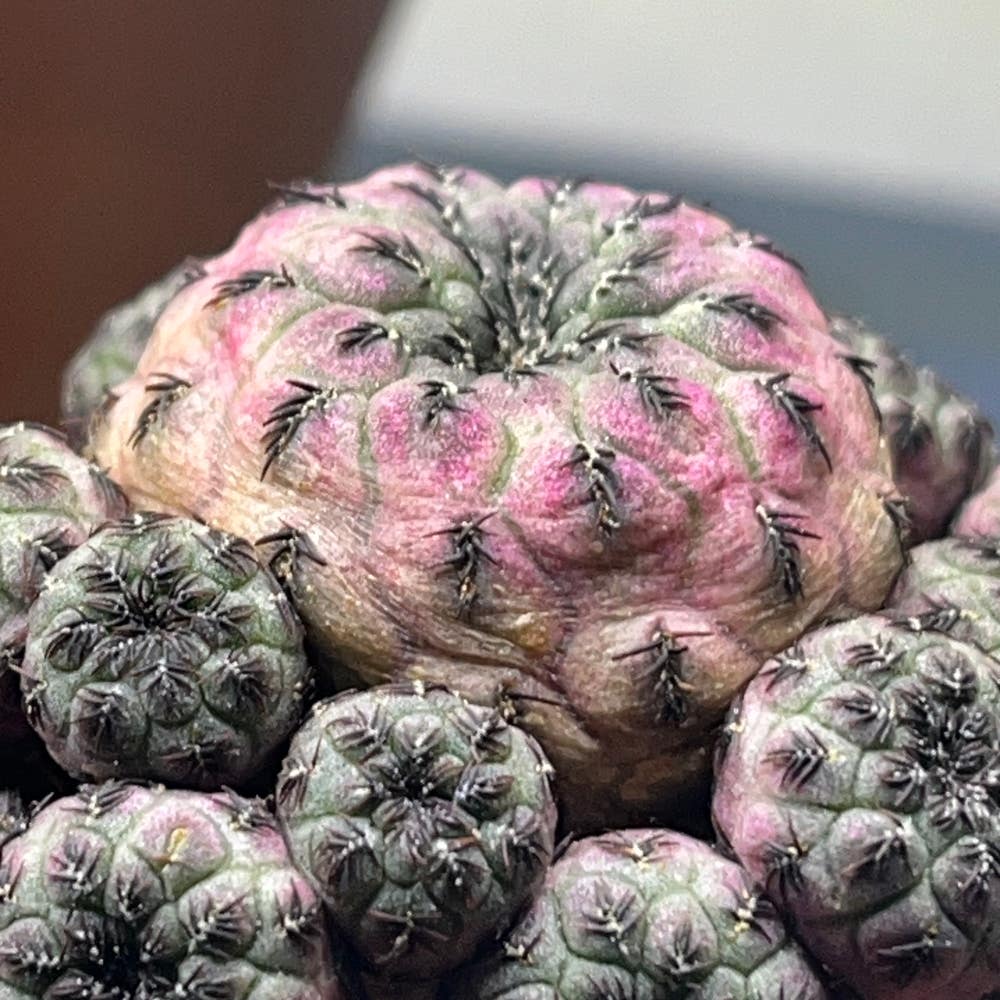
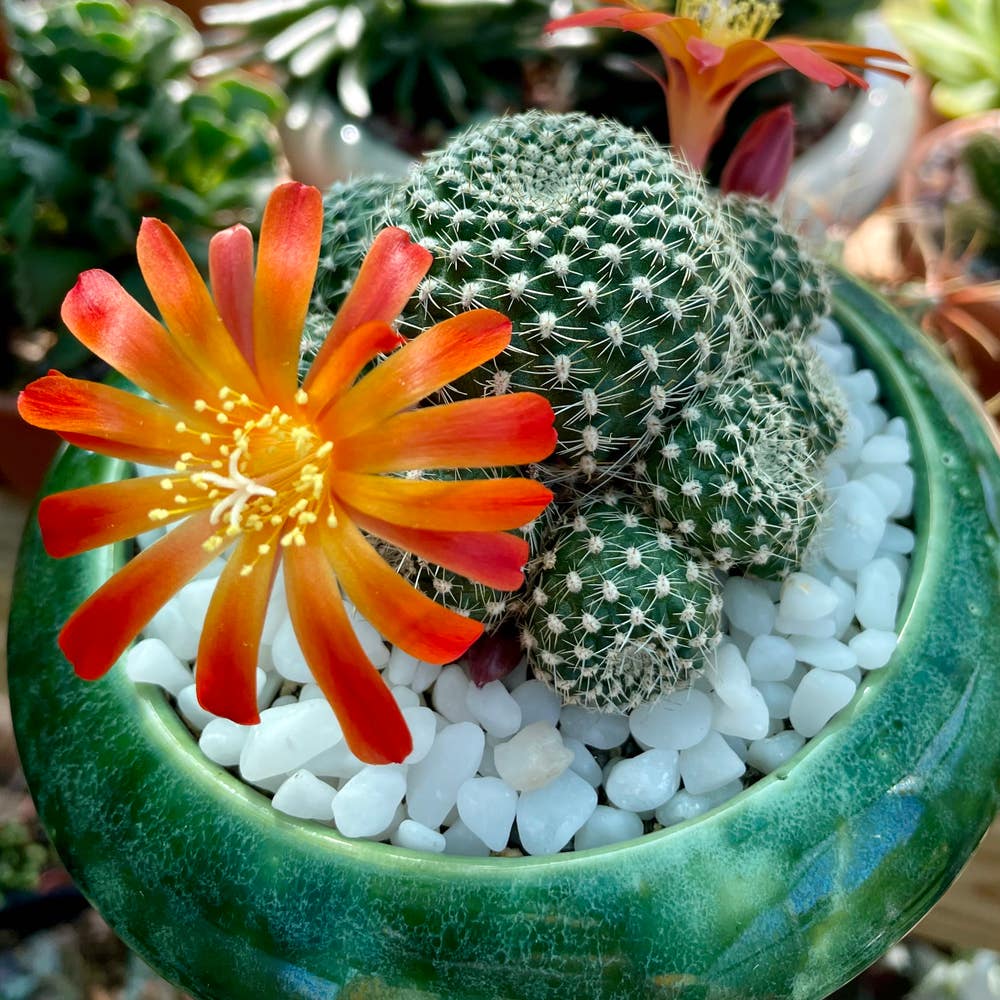
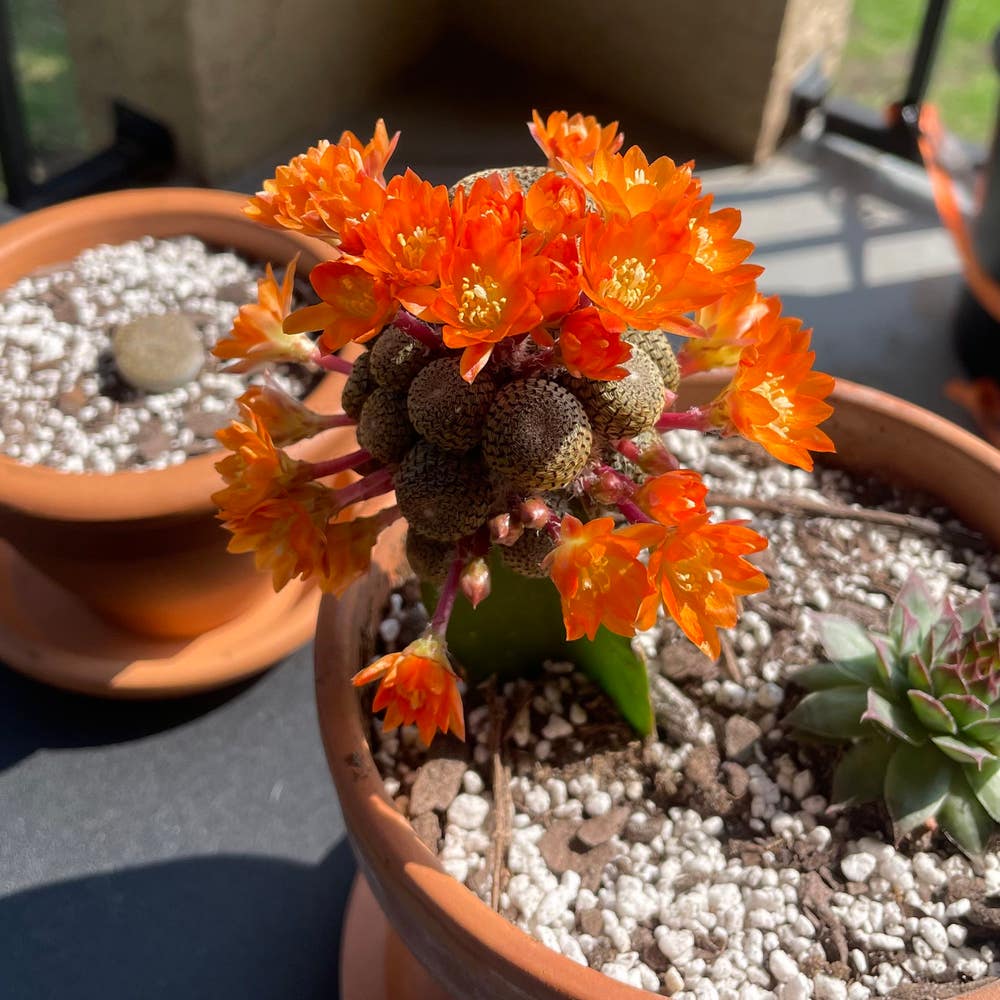
🌵 How to Fix Black Spots on Your Crown Cactus
Rebutia vulpina
By the Greg Editorial Team
Sep 30, 2024•4 min read
This article was created with the help of AI so we can cover more plants for you. May contain errors. See one? Report it here.
Transform your crown cactus care 🌵 by learning to prevent and treat pesky black spots effectively!
- 🌱 Black spots arise from fungi, bacteria, pests, or environmental stress.
- 💧 Overwatering and poor drainage lead to root rot and black spots.
- ☀️ Proper light and air circulation prevent sunburn and fungal growth.
Causes of Black Spots
🦠 Fungal Infections
Fungal infections are a primary culprit behind black spots on your crown cactus. Common pathogens like Fusarium and Botrytis thrive in conditions of high humidity, poor air circulation, and overwatering.
🦠 Bacterial Infections
Bacterial infections can also lead to unsightly spots. Look for water-soaked areas that may eventually turn black, often caused by Erwinia species, which can severely impact cactus health.
🐞 Pest Infestations
Pests like scale insects and mealybugs are notorious for causing leaf spots. Signs of infestation include sticky residue, webbing, and the visible presence of pests on your plant.
🌪️ Environmental Stress
💧 Overwatering
Overwatering is a common issue that manifests as wilting, yellowing leaves, and black spots due to root rot. Ensuring well-draining soil is crucial to prevent water accumulation.
☀️ Sunburn
Sunburn can also lead to black or brown spots, particularly on the side of the cactus exposed to direct sunlight. Gradual acclimatization to sunlight is essential to avoid sudden exposure to intense light.
Understanding these causes can help you take proactive measures to keep your crown cactus healthy and vibrant. Next, we’ll explore how to diagnose and treat these pesky black spots effectively.
Diagnosis and Treatment
🌱 Step-by-Step Diagnosis Process
Inspecting for Pests
Start by examining the undersides of leaves and stems for any pests. Look for sticky residue or webbing, which can indicate an infestation.
Using a magnifying glass can help you spot tiny pests that might otherwise go unnoticed. This close inspection is crucial for identifying the problem early.
Checking Soil Moisture Levels
Next, check the soil moisture by inserting a finger or moisture meter into the soil up to 2 inches deep. Dry soil suggests under-watering, while soggy soil indicates overwatering.
Understanding soil moisture is vital for maintaining your cactus's health. Adjust your watering routine based on these observations.
Evaluating Light Exposure
Observe your cactus's location to determine if it’s receiving too much or too little light. Adjust its position according to sunlight patterns throughout the day.
Proper light exposure is essential for preventing black spots. A well-placed cactus thrives and stays healthy.
🌟 Treatment Options for Black Spots
Fungicide Application
For fungal infections, consider applying fungicides that contain copper or sulfur. Always follow the label instructions for frequency and dosage to ensure effectiveness.
This treatment can help eliminate the fungal pathogens causing the black spots. Regular application may be necessary for persistent issues.
Adjusting Watering Practices
To combat overwatering, water only when the top 2 inches of soil are dry. Using a pot with drainage holes is crucial to prevent water accumulation.
Proper watering practices can significantly improve your cactus's health. This simple adjustment can make a world of difference.
Improving Air Circulation
Ensure adequate spacing between your plants to improve air circulation. If indoors, consider using a fan to enhance airflow around your cactus.
Good air circulation helps prevent fungal growth and keeps your cactus healthy. A little breeze can go a long way!
Removing Affected Leaves
If you notice severely affected areas, use sterilized pruning shears to cut them away. Dispose of the cuttings properly to prevent spreading any infection.
Removing infected parts can help your cactus recover faster. It’s a proactive step toward restoring its health.
By following these diagnosis and treatment steps, you can effectively manage black spots on your crown cactus. Next, let's explore prevention strategies to keep your cactus thriving.
Prevention Strategies
🌱 Best Practices for Care
Proper Watering Techniques
Watering your crown cactus correctly is crucial. Allow the soil to dry out completely between waterings to prevent black spots and root rot.
Healthy, firm leaves are a sign of proper watering. If you notice any black spots, it might be time to reassess your watering habits.
Ideal Light Conditions
Crown cacti thrive in bright, indirect sunlight for 6-8 hours daily. Gradually acclimatize your cactus to direct sunlight to avoid sunburn.
Too much direct light can lead to brown or black spots, so monitor its exposure closely.
Soil Selection and Drainage
Choosing the right soil is essential for cactus health. A cactus mix or a blend of sand and perlite works best to ensure proper drainage.
Always use pots with drainage holes to prevent waterlogging, which can lead to fungal infections.
🌦️ Seasonal Care Tips
Adjusting Care During Different Seasons
As seasons change, so should your care routine. In winter, reduce watering frequency since the plant enters dormancy.
Conversely, during the summer growing season, you can slightly increase watering to support growth.
Monitoring for Signs of Stress
Regular inspections are key to maintaining a healthy cactus. Check for changes in leaf color, texture, and overall health.
If you notice any signs of stress, act quickly to address the issue. Early intervention can prevent more severe problems down the line.
By following these prevention strategies, you can keep your crown cactus thriving and free from black spots. Next, let’s explore how to diagnose and treat any issues that may arise.
⚠️ Safety First
This content is for general information and may contain errors, omissions, or outdated details. It is not medical, veterinary advice, or an endorsement of therapeutic claims.
Always consult a qualified healthcare professional before using any plant as food, medicine, or supplement.
Never eat any plant (or feed one to pets) without confirming its identity with at least two trusted sources.
If you suspect poisoning, call Poison Control (800) 222-1222, the Pet Poison Helpline (800) 213-6680, or your local emergency service immediately.
Spotted an error? Please report it here.
Keep your crown cactus spot-free 🌟 by using Greg's tailored reminders for watering and light exposure, ensuring it thrives in its perfect environment!