👑 Growth Rate of Crown Cactus
Rebutia vulpina
By the Greg Editorial Team
Sep 30, 2024•3 min read
This article was created with the help of AI so we can cover more plants for you. May contain errors. See one? Report it here.
Unlock the secrets of crown cactus growth 🌵 and nurture it from seed to stunning bloom with expert care tips!
- 🌱 Crown cactus seeds germinate in 2-4 weeks with ideal temperature and moisture.
- ☀️ Optimal growth requires bright, indirect light for seedlings and full sun for adults.
- ⏳ Full maturity takes 5-10 years, influenced by care and environmental factors.
Life Cycle of Crown Cactus
🌱 Germination Stage
Duration of Germination
Germination typically takes about 2-4 weeks. Factors like temperature and moisture levels can significantly affect this timeframe.
Conditions for Successful Germination
For optimal germination, maintain a temperature range of 70°F to 85°F (21°C to 29°C). Use a well-draining cactus mix and provide indirect sunlight to prevent overheating.
🌿 Seedling Stage
Characteristics of Seedlings
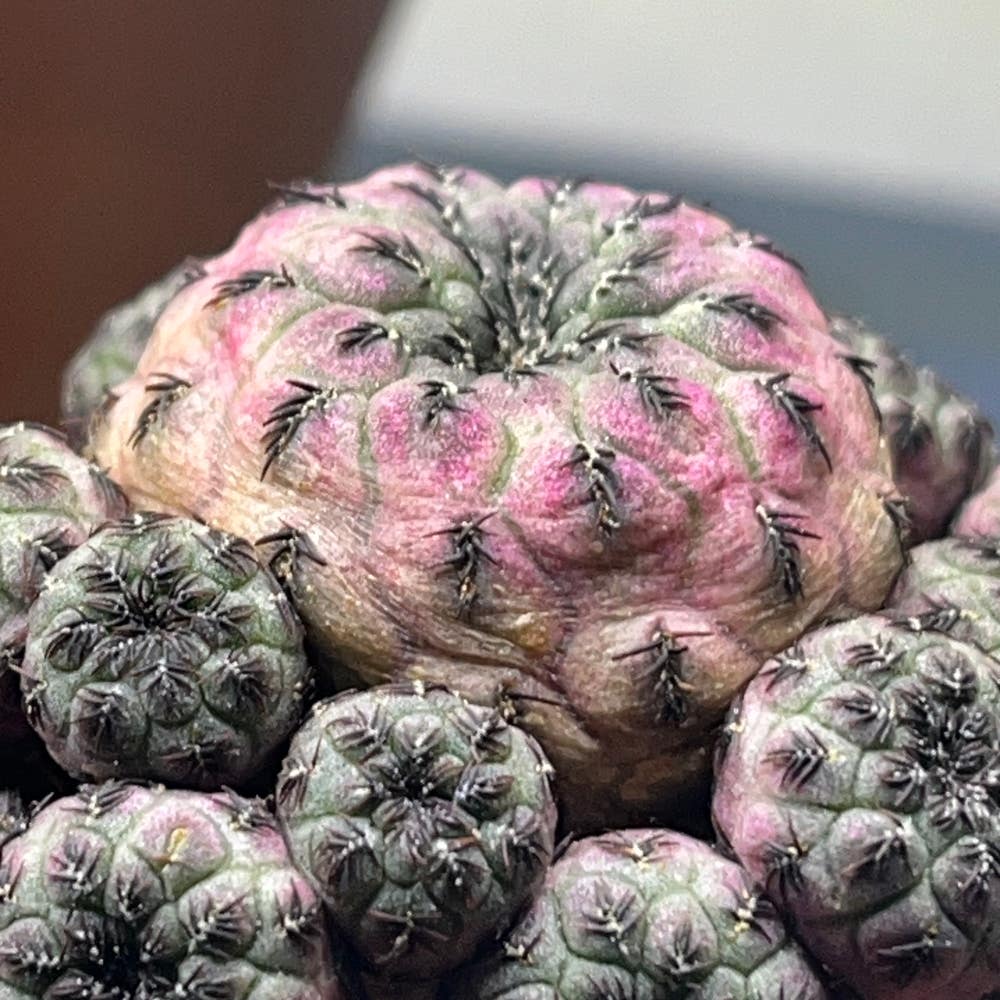
Seedlings usually stand 1-2 inches tall, appearing small, spiny, and green with a smooth texture. Their unique look sets the stage for their growth journey.
Duration and Care During This Stage
This stage lasts around 4-6 months. Light watering is essential, allowing the soil to dry between sessions, and they require bright, indirect light for 12-14 hours daily.
🌵 Vegetative Growth Stage
Growth Patterns and Duration
The vegetative growth stage can last from 1-3 years, depending on the conditions. Under optimal circumstances, expect a growth rate of approximately 1-3 inches per year.
Environmental Needs for Optimal Growth
Crown cacti thrive in well-draining, sandy soil, benefiting from occasional fertilization. Water moderately, ensuring the soil dries completely between waterings, and provide full sun exposure for at least 6 hours daily.
🌸 Flowering Stage
Timing of Flowering
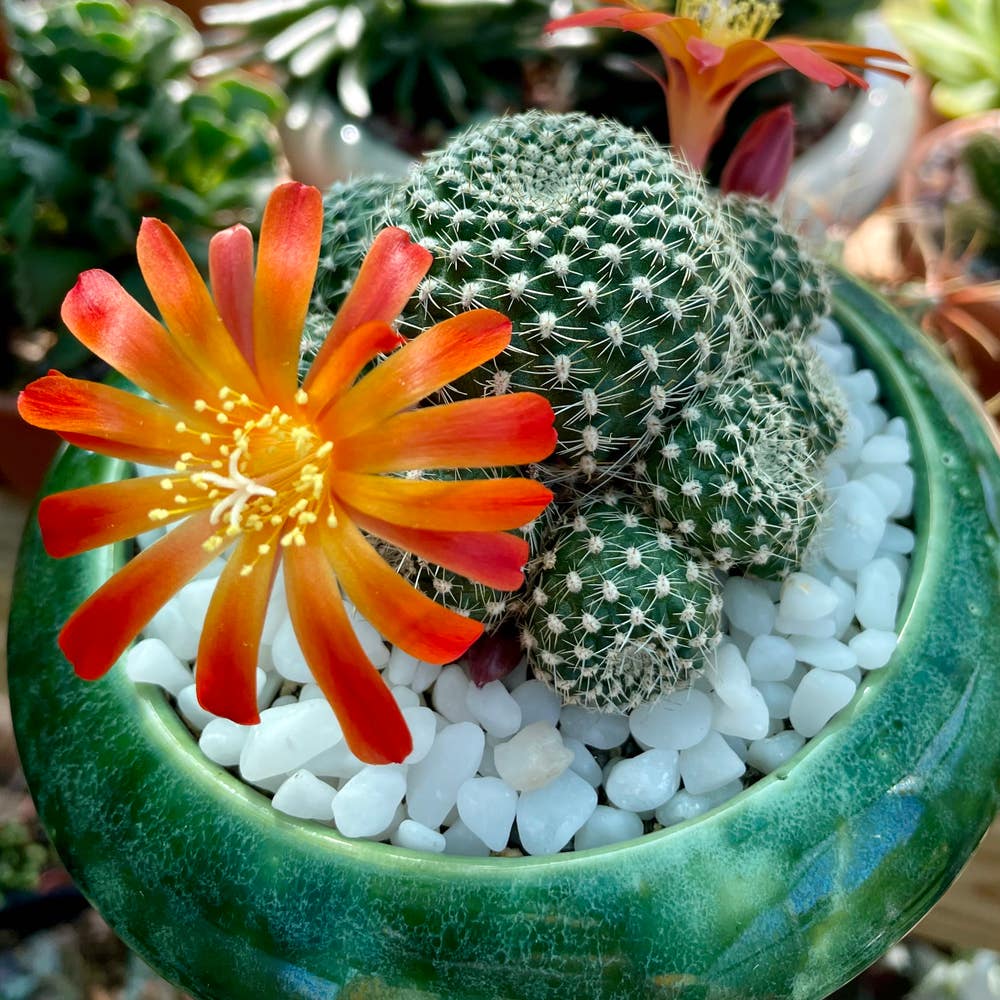
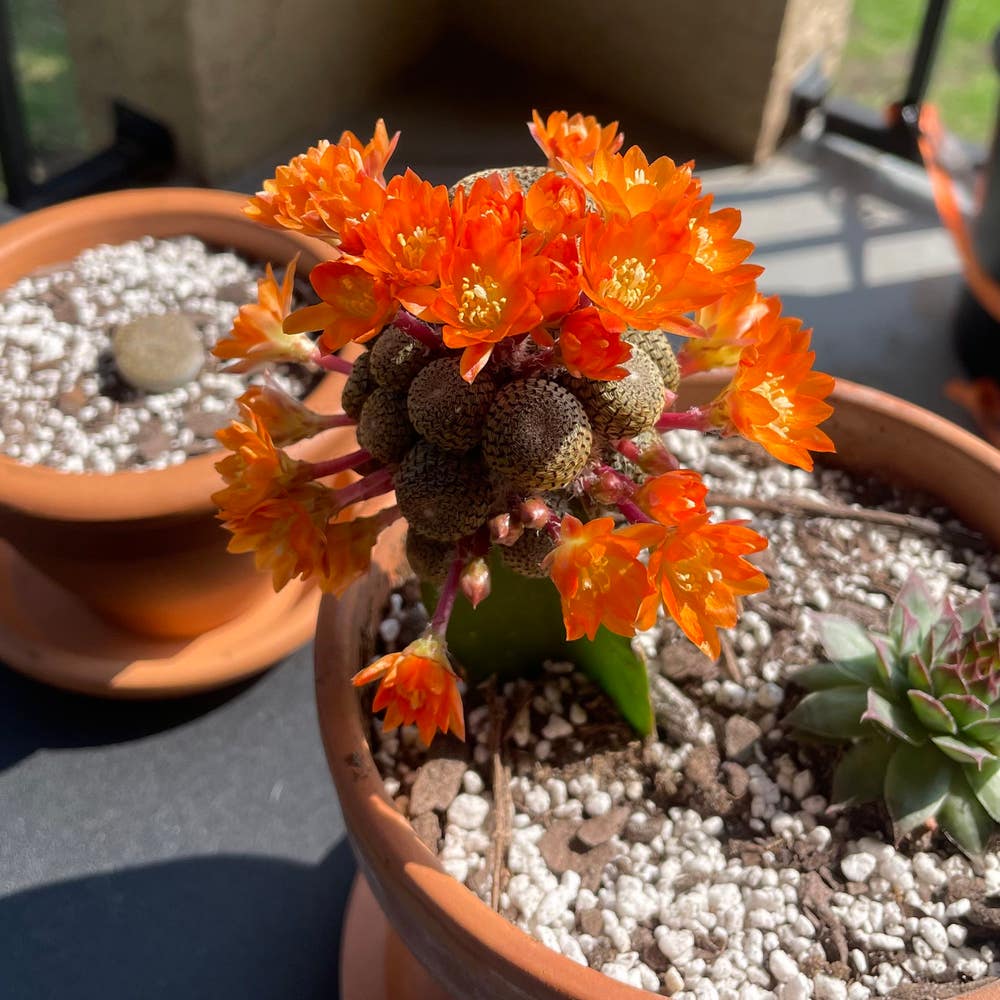
Crown cacti typically flower from late spring to early summer. They usually reach flowering age between 3-5 years old.
Conditions Required for Flowering
Warm conditions above 70°F (21°C) are crucial for flowering. Full sun exposure encourages blooming, and a balanced fertilizer during the growing season supports healthy growth.
🌱 Seed Production Stage
Process of Seed Production
Crown cacti can self-pollinate or rely on insect assistance for pollination. Their flower structure has unique adaptations to attract pollinators effectively.
Duration and Conditions for Seed Maturation
Seeds mature within 4-6 weeks post-pollination. Warm, dry conditions are essential to prevent rot during this critical phase.
⏳ Growth Rate and Lifespan
How Long Until Crown Cactus is Fully Grown?
On average, it takes about 5-10 years for a crown cactus to reach full maturity, influenced by care and environmental conditions.
Factors Influencing Growth Rate
Growth rates are affected by temperature, humidity, and soil quality. Care practices like watering frequency, fertilization, and light exposure also play significant roles.
Overall Lifespan of Crown Cactus
Crown cacti can live anywhere from several years to several decades. Proper care can extend their lifespan considerably.
🔄 Notable Changes Throughout Life Cycle
Physical Changes During Each Growth Stage
As they mature, crown cacti exhibit increased size, thicker spines, and vibrant flowers. Color changes from dark green to lighter shades also occur as they grow.
Changes in Care Requirements as the Plant Matures
Watering frequency decreases as the plant grows larger. Additionally, fertilization needs will adjust based on the growth stage and season.
🔄 Reproductive Cycle
Timing and Conditions for Successful Reproduction
Successful reproduction requires warm temperatures, adequate sunlight, and moisture. Aligning pollination with the flowering period yields the best results.
This comprehensive overview of the life cycle of crown cactus highlights the fascinating journey from germination to maturity. Understanding these stages can enhance your care practices, ensuring your crown cactus thrives beautifully.
⚠️ Safety First
This content is for general information and may contain errors, omissions, or outdated details. It is not medical, veterinary advice, or an endorsement of therapeutic claims.
Always consult a qualified healthcare professional before using any plant as food, medicine, or supplement.
Never eat any plant (or feed one to pets) without confirming its identity with at least two trusted sources.
If you suspect poisoning, call Poison Control (800) 222-1222, the Pet Poison Helpline (800) 213-6680, or your local emergency service immediately.
Spotted an error? Please report it here.
Nurture your crown cactus from seedling to stunning bloom 🌼 with Greg's tailored care tips and watering reminders that ensure optimal growth every step of the way!