🌵 How to Fix Curling Leaves on Your Crown Cactus
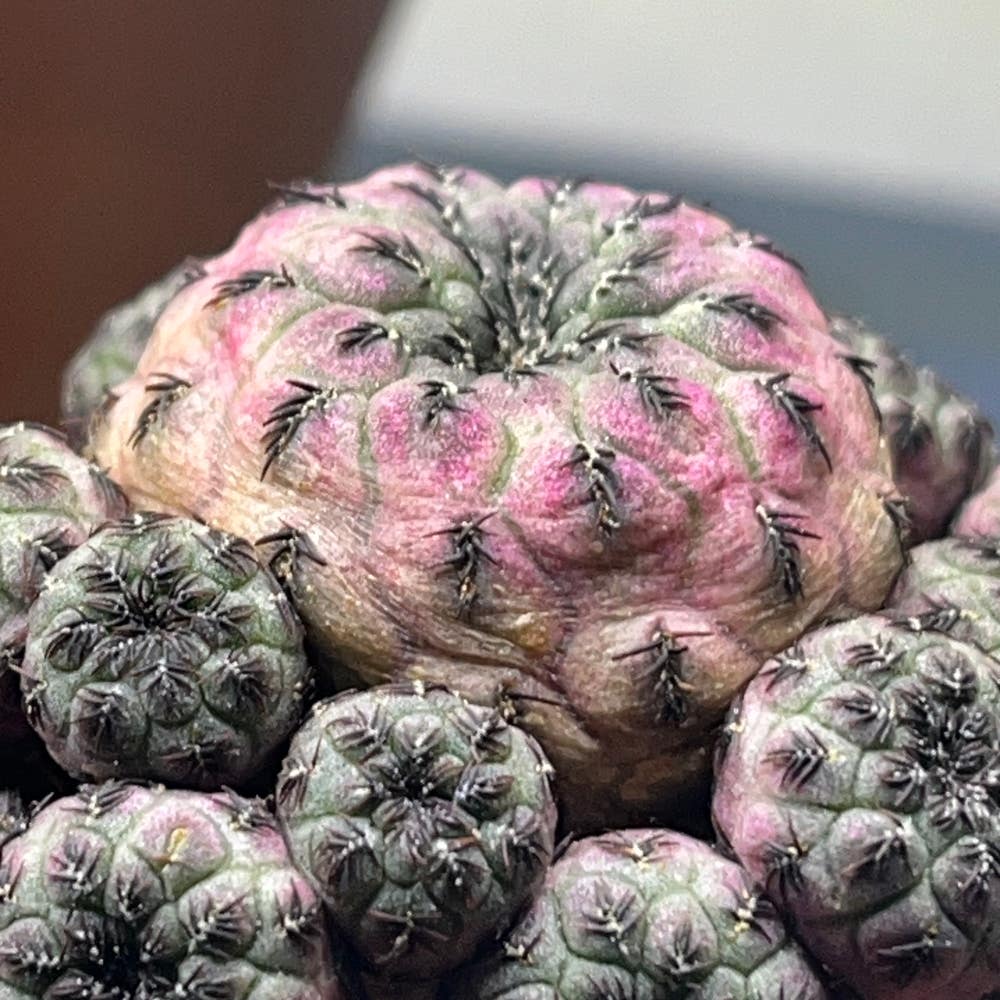
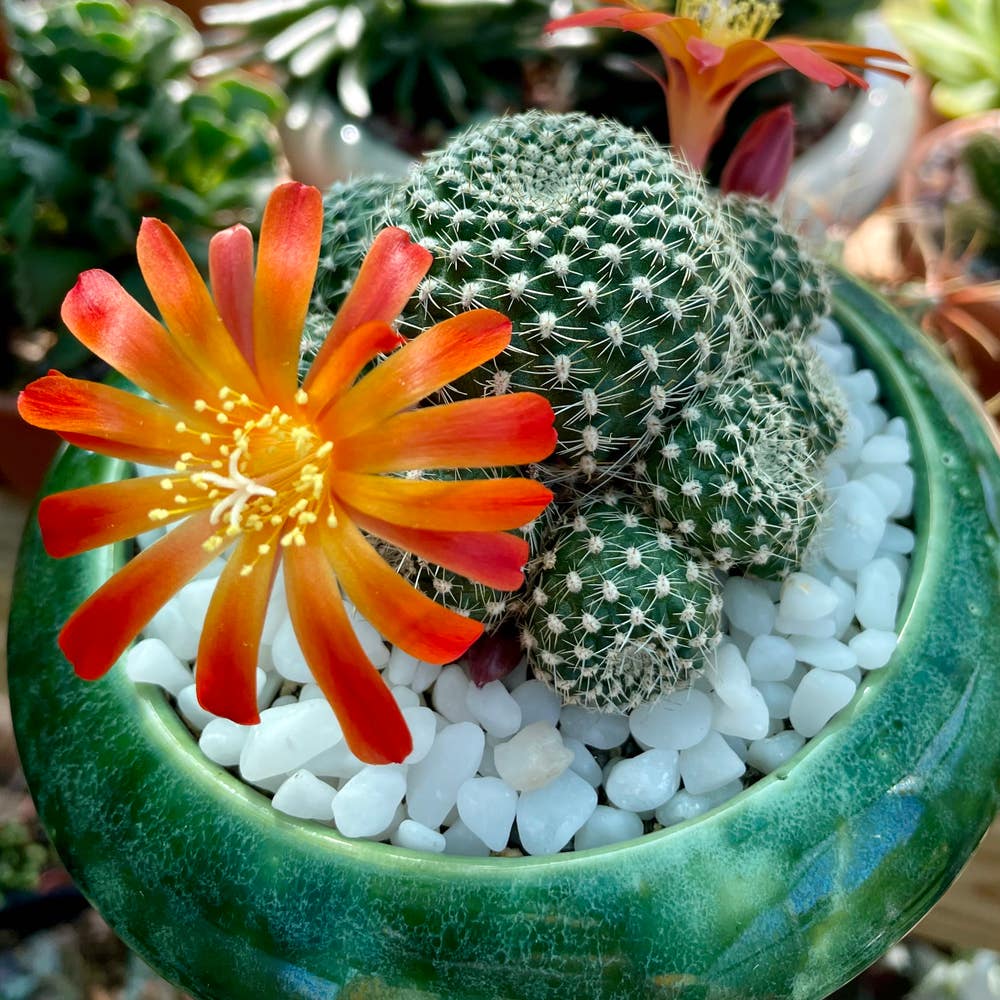
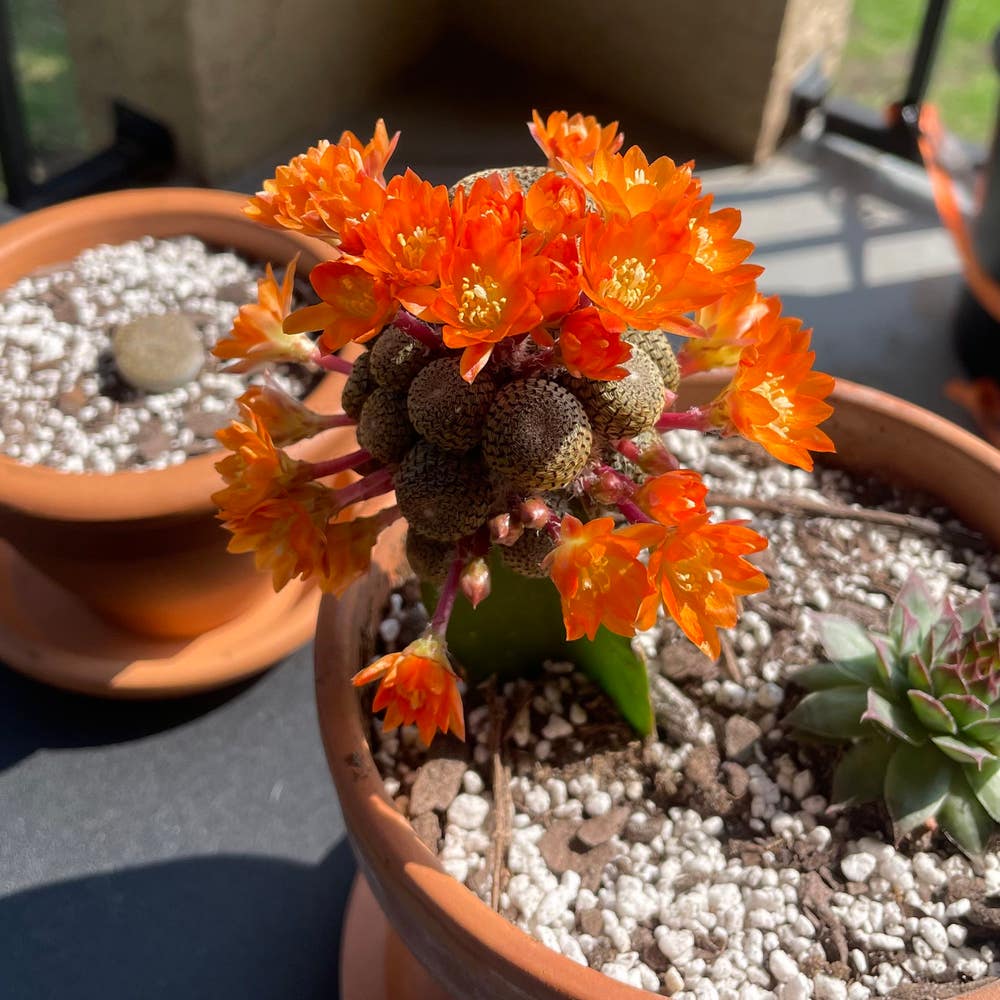
Rebutia vulpina
By the Greg Editorial Team
Sep 30, 2024•5 min read
This article was created with the help of AI so we can cover more plants for you. May contain errors. See one? Report it here.
Unlock the secrets to reviving your Crown Cactus from curling leaves and ensure its vibrant health! 🌱
- 💧 Curling leaves indicate watering issues; adjust for over or underwatering.
- ☀️ Excess sunlight causes sunburn; provide bright, indirect light for health.
- 🐛 Pests like mealybugs weaken plants; inspect regularly and treat promptly.
Causes of Curling Leaves
💧 Overwatering and Its Effects
Overwatering is a common culprit behind curling leaves on your Crown Cactus. Symptoms include soft, mushy leaves and yellowing, which can lead to root rot and ultimately, leaf curling.
🚰 Underwatering and Its Effects
Conversely, underwatering can also cause issues. Look for wrinkled, shriveled leaves, which indicate stunted growth and can lead to curling as the plant struggles to survive.
☀️ Sunburn and Light Exposure Issues
Excessive direct sunlight can result in sunburn, manifesting as brown patches and curling leaves. It's crucial to monitor light exposure to keep your cactus healthy.
🐜 Pest Infestations
Pests can wreak havoc on your Crown Cactus, leading to curling leaves.
Common Pests
- Mealybugs: These pests appear as white, cotton-like clusters on leaves, sucking the sap and weakening the plant.
- Spider mites: Look for fine webbing and stippled leaves, which indicate these tiny invaders are present.
🥦 Nutrient Deficiencies
Nutrient deficiencies can also contribute to curling leaves.
Key Nutrients
- Potassium: This nutrient is essential for maintaining leaf health and overall vigor.
- Magnesium: Important for photosynthesis, a lack of magnesium can lead to curling and discoloration.
🌪️ Environmental Stress Factors
Environmental conditions play a significant role in the health of your Crown Cactus.
- Temperature fluctuations: The ideal temperature range is between 20°C to 30°C (68°F to 86°F). Extreme changes can stress the plant.
- Humidity levels: Low humidity can negatively affect leaf health, causing curling and other issues.
Understanding these causes is the first step in addressing curling leaves on your Crown Cactus. By identifying the root of the problem, you can take effective action to restore your plant's health. Next, let's explore how to diagnose curling leaves effectively.
Diagnosing Curling Leaves
🌿 Identifying Symptoms of Curling Leaves
Curling leaves on your Crown Cactus can signal various issues. Look for visual signs like changes in leaf shape and discoloration, which are often the first indicators of distress.
🔍 Differentiating Between Causes
To pinpoint the problem, differentiate between overwatering and underwatering. Overwatered cacti typically exhibit soft, mushy leaves, while underwatered ones show wrinkling and shriveling.
Observing soil moisture levels is crucial. A quick finger test can reveal whether the soil is too dry or too wet, guiding your next steps.
🐛 Recognizing Signs of Pests and Diseases
Regular visual inspections are essential for early detection of pests and diseases. Look for common signs such as white, cotton-like clusters from mealybugs or fine webbing from spider mites.
Understanding the importance of early detection can save your cactus from severe damage. Catching these issues early allows for timely intervention and better recovery chances.
Solutions for Curling Leaves
🌊 Adjusting Watering Practices
To tackle curling leaves, start by checking the soil moisture. Use a moisture meter or simply test with your finger to gauge how dry the soil is.
Next, adjust your watering frequency. Allow the soil to dry out completely between waterings to prevent overwatering, which can lead to root rot.
Look for signs of proper watering, such as firm leaves and healthy growth. These indicators show your cactus is thriving.
☀️ Improving Light Conditions
Light conditions play a crucial role in your cactus's health. Aim for bright, indirect sunlight to keep your Crown Cactus happy.
If your cactus isn't getting enough light, consider adjusting its placement. Moving it to a brighter spot or using sheer curtains can help filter the light effectively.
🐜 Treating Pest Infestations
Pests can be a sneaky cause of curling leaves. Start by confirming the presence of pests through careful inspection.
Once identified, treat infestations with neem oil or insecticidal soap. These methods are effective and relatively easy to apply.
Don't forget to monitor your cactus regularly after treatment. Keeping an eye out for any returning pests will help maintain its health.
🌱 Fertilizing for Nutrient Deficiencies
Nutrient deficiencies can also lead to curling leaves. Choose the right fertilizer, opting for a balanced NPK or a cactus-specific formula.
Apply fertilizer every 4-6 weeks during the growing season. This will ensure your cactus gets the nutrients it needs to flourish.
Watch for signs of improvement, such as new growth and healthier leaves. These are great indicators that your fertilization efforts are paying off.
🌡️ Environmental Adjustments
Environmental factors can significantly impact your cactus's well-being. Maintain a temperature range of 20°C to 30°C (68°F to 86°F) for optimal growth.
Humidity levels are equally important. Consider using a humidity tray or a room humidifier to create a more suitable environment for your Crown Cactus.
By addressing these key areas, you can effectively combat curling leaves and promote a healthier, happier cactus. Next, let’s explore preventative measures to keep your Crown Cactus thriving in the long run.
Preventative Measures
Best Practices for Crown Cactus Care 🌵
Proper watering is crucial for your Crown Cactus. Aim to strike a balance—avoid both overwatering and underwatering to keep those leaves healthy.
Selecting the right soil is equally important. A well-draining cactus mix will help prevent root rot and promote strong growth.
Regular Monitoring for Pests and Diseases 🐞
Stay proactive by inspecting your cactus weekly. Early detection of pests or diseases can save your plant from serious damage.
Keep a record of any changes in your plant's health. This documentation will help you identify patterns and address issues promptly.
Seasonal Care Tips to Prevent Curling Leaves 🍂
Adjust your care routine with the changing seasons. Different weather conditions can affect your cactus's needs.
In winter, reduce watering frequency. Your cactus will require less moisture during its dormant phase.
Proper Potting and Soil Selection 🪴
Choose a pot with drainage holes to prevent water accumulation. The right size pot allows for healthy root growth.
Soil composition matters too. A well-draining mix is essential for maintaining root health and preventing curling leaves.
By following these preventative measures, you can keep your Crown Cactus thriving and vibrant. Next, let’s explore how to diagnose curling leaves effectively.
⚠️ Safety First
This content is for general information and may contain errors, omissions, or outdated details. It is not medical, veterinary advice, or an endorsement of therapeutic claims.
Always consult a qualified healthcare professional before using any plant as food, medicine, or supplement.
Never eat any plant (or feed one to pets) without confirming its identity with at least two trusted sources.
If you suspect poisoning, call Poison Control (800) 222-1222, the Pet Poison Helpline (800) 213-6680, or your local emergency service immediately.
Spotted an error? Please report it here.
Keep your Crown Cactus thriving 🌵 by using Greg's tailored watering reminders and expert tips to tackle curling leaves and ensure vibrant growth!