🌵 How to Cure Yellow Leaves on Your Crown Cactus
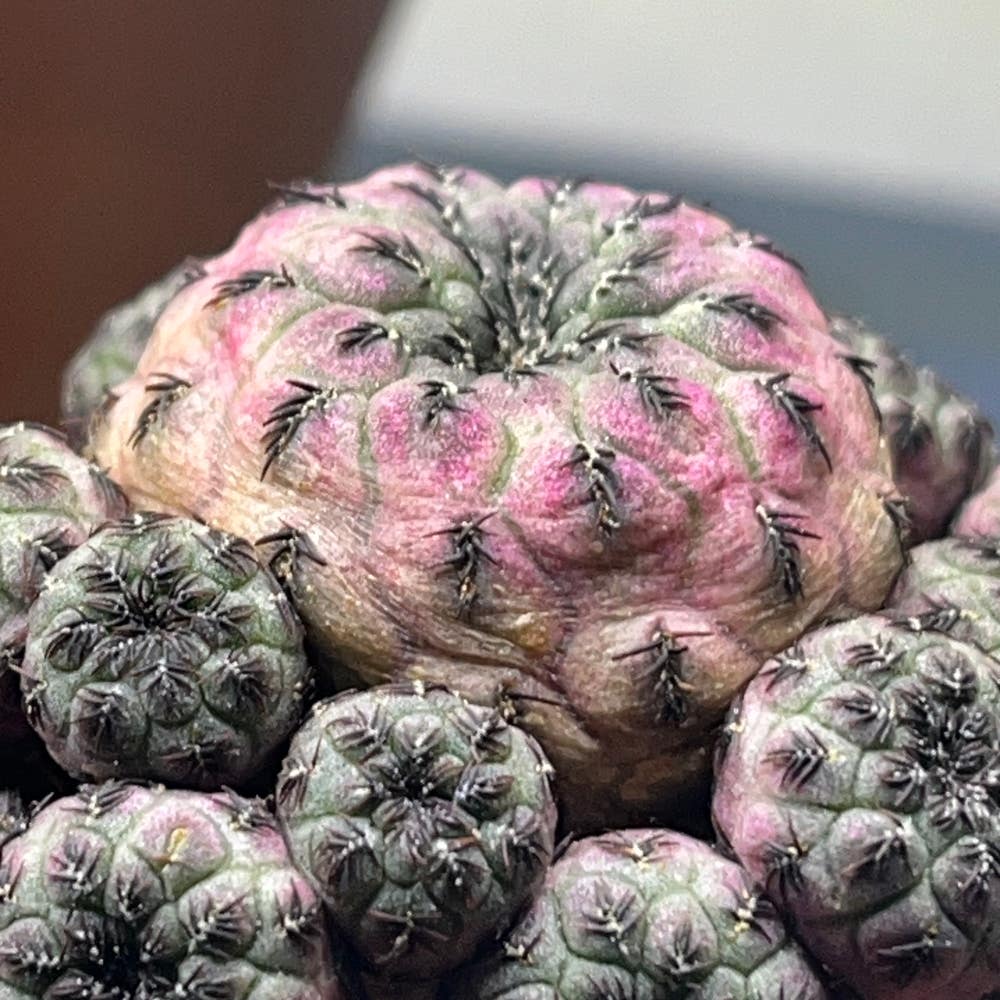
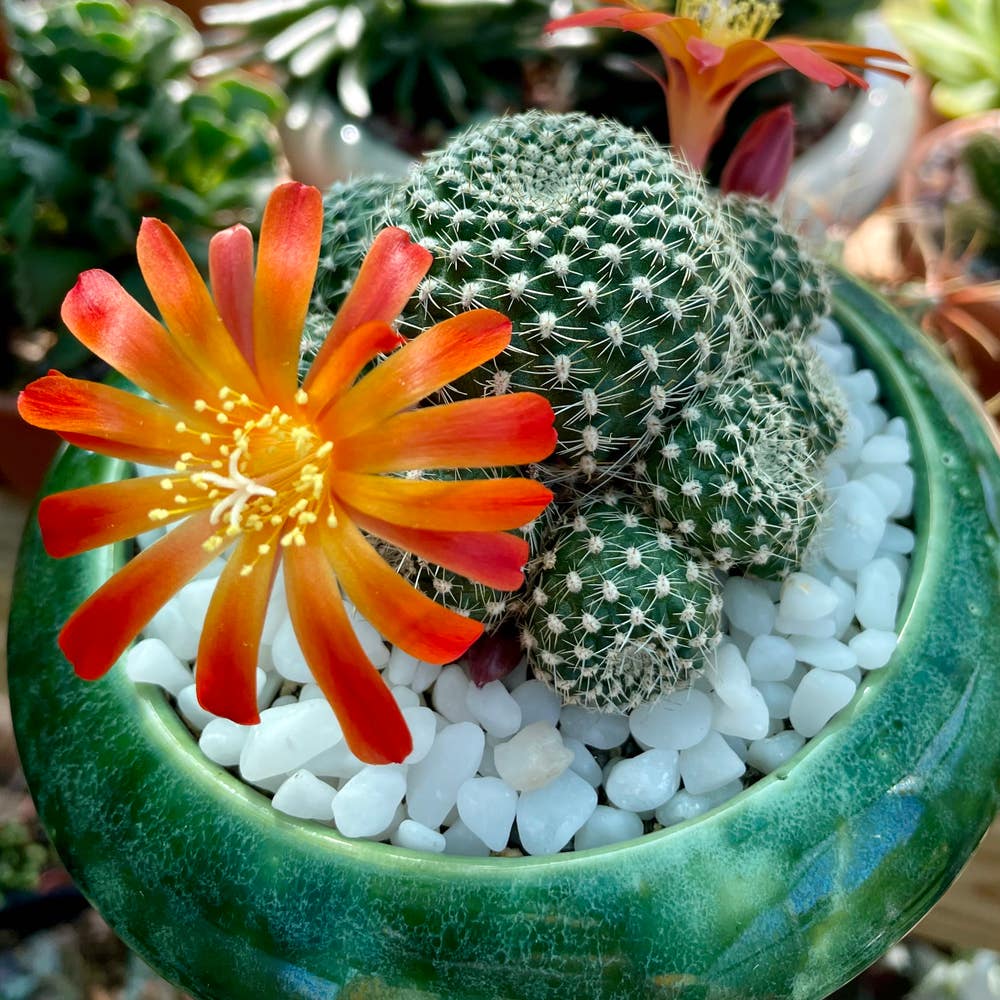
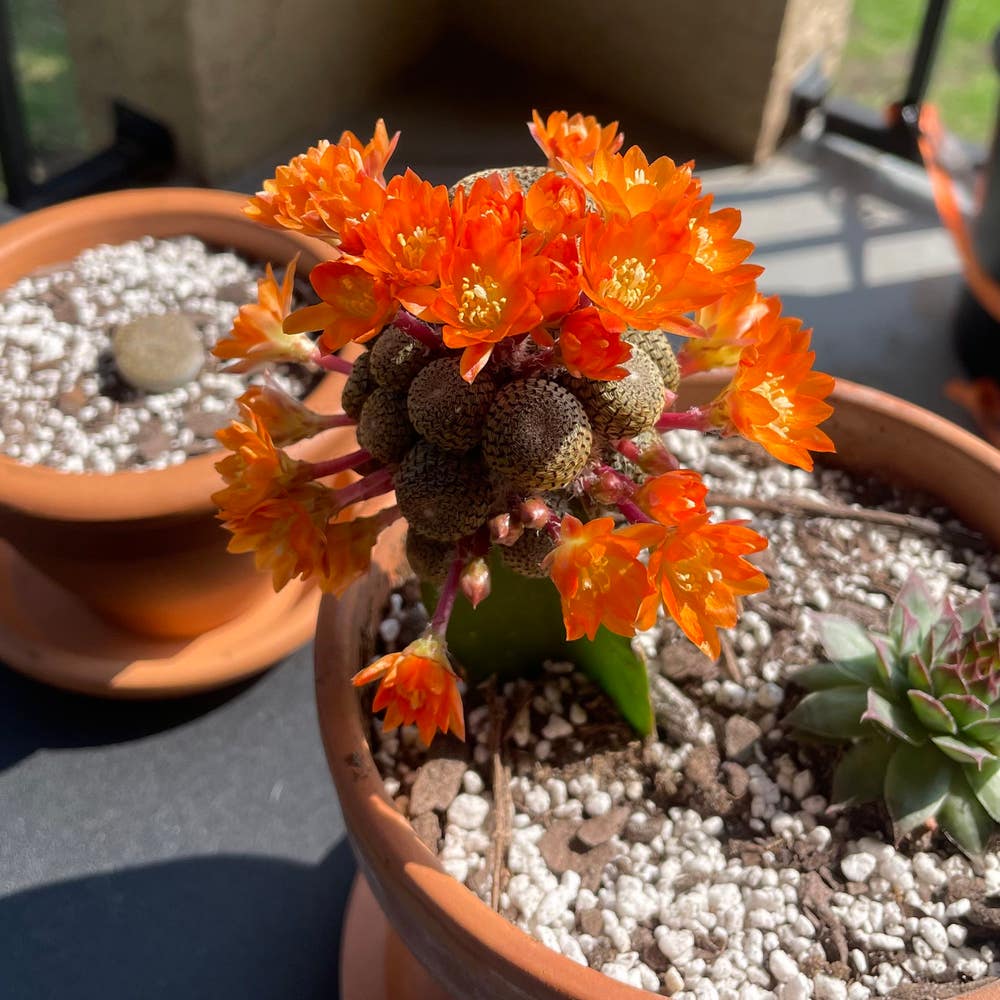
Rebutia vulpina
By the Greg Editorial Team
Sep 30, 2024•5 min read
This article was created with the help of AI so we can cover more plants for you. May contain errors. See one? Report it here.
Transform your crown cactus's yellow leaves 🌵 into vibrant growth with these essential care tips and insights!
- 🌵 Yellow leaves indicate overwatering, underwatering, or nutrient deficiencies—assess your care routine.
- 💧 Improve drainage and adjust watering to combat yellowing and prevent root rot.
- 🌞 Ensure 6-8 hours of bright, indirect light for optimal crown cactus health.
Causes of Yellow Leaves
💧 Overwatering Signs and Solutions
Overwatering is a common culprit behind yellow leaves on your crown cactus. Look for yellow leaves that feel mushy, indicating excess moisture, and inspect the roots for dark, mushy areas—classic signs of root rot.
To remedy overwatering, allow the soil to dry out completely before watering again. Improving soil drainage is crucial; consider using a cactus mix or adding perlite to enhance airflow and moisture retention.
🚰 Underwatering Signs and Solutions
On the flip side, underwatering can also lead to yellow leaves. If your cactus has yellow leaves that appear dry and shriveled, or if the soil is pulling away from the pot edges, it’s time to reassess your watering habits.
To combat underwatering, water your cactus thoroughly until water drains from the bottom. Establishing a consistent watering schedule will help keep your plant hydrated and healthy.
🌱 Nutrient Deficiency Identification
Nutrient deficiencies can manifest as yellowing leaves, particularly in older foliage, along with stunted growth. If your cactus seems to be struggling, it might be lacking essential nutrients.
Using a balanced cactus fertilizer during the growing season can provide the necessary nutrients. Additionally, conducting a soil test can help identify specific deficiencies, allowing you to tailor your care.
🌡️ Environmental Stress Factors
Environmental stress can significantly impact your cactus's health. Temperature fluctuations and low humidity levels are common stressors, especially in indoor settings.
To maintain a healthy environment, aim for stable temperatures between 70°F and 90°F. Increasing humidity with a pebble tray or humidifier can also help your cactus thrive.
Understanding these causes of yellow leaves is vital for effective care. By addressing overwatering, underwatering, nutrient deficiencies, and environmental stress, you can restore your crown cactus to its vibrant self. Next, let’s explore treatment options to tackle these issues head-on.
Treatment Options
Immediate Actions to Take 🌱
If you notice yellow leaves on your crown cactus, the first step is to assess your watering practices. Adjusting your watering routine can often resolve the issue quickly.
Consider removing any affected leaves to prevent further problems. This helps the plant focus its energy on healthy growth.
Soil Amendments and Repotting 🌍
Repotting may be necessary if you suspect root rot or if the soil has become compacted. A well-draining cactus soil mixed with perlite is ideal for promoting healthy root development.
This combination ensures that excess moisture drains away, reducing the risk of yellowing leaves.
Watering Adjustments 💧
Establishing a consistent watering schedule is crucial, especially as seasons change. This helps your cactus thrive and prevents over or underwatering.
For added convenience, consider using the Greg plant care app for AI-powered reminders. It can help you stay on track with your watering routine.
Fertilization Techniques 🌼
The best time to fertilize your crown cactus is during the growing season, which typically spans spring and summer. Using a balanced NPK fertilizer diluted to half strength will provide the nutrients your plant needs without overwhelming it.
Regular fertilization during this period can significantly enhance your cactus's health and vibrancy.
By implementing these treatment options, you can effectively address yellow leaves and promote a thriving crown cactus. Next, we’ll explore preventive measures to keep your cactus healthy in the long run.
Preventive Measures
Best Practices for Watering 🌊
Water your crown cactus only when the top 1-2 inches of soil feel dry. This simple practice helps prevent overwatering, which is a common cause of yellow leaves.
Ensure your pots have drainage holes. This allows excess water to escape, reducing the risk of root rot and keeping your cactus healthy.
Ideal Soil Conditions 🌱
Use a cactus-specific soil mix for optimal drainage. These mixes are designed to provide the right balance of moisture retention and airflow.
Consider amending your soil with perlite or sand. These materials enhance drainage, ensuring your cactus roots stay healthy and free from excess moisture.
Proper Sunlight Exposure ☀️
Aim for 6-8 hours of bright, indirect light daily. This exposure is crucial for your cactus to thrive and maintain its vibrant color.
Avoid direct sunlight during peak hours. Too much intense light can lead to sunburn, causing further stress to your plant.
Seasonal Care Tips 🍂
Adjust your watering frequency based on seasonal growth patterns. Cacti typically need more water during their active growing season in spring and summer.
Keep an eye on temperature and humidity changes throughout the seasons. Monitoring these factors helps you provide the best environment for your crown cactus.
By following these preventive measures, you can significantly reduce the chances of yellow leaves and promote a healthier, more vibrant crown cactus. Next, let’s explore the treatment options available if your cactus shows signs of distress.
When to Seek Professional Help
Signs That Indicate a Serious Issue 🌵
If your crown cactus continues to show yellow leaves despite your best care efforts, it’s time to take a closer look. Persistent yellowing can signal deeper problems, such as severe root rot or pest infestations.
Look for dark, mushy roots when inspecting the plant. This is a clear indication of root rot, which can be detrimental if not addressed promptly.
Consulting with a Plant Specialist 🧑🌾
When should you consider reaching out to a professional? If you notice ongoing issues that don’t improve with standard care, a plant specialist can provide valuable insights.
Expert advice can be a game-changer for your cactus’s long-term health. They can diagnose specific problems and recommend tailored solutions that you might not have considered.
Taking these steps can help ensure your crown cactus thrives, leaving you with a vibrant and healthy plant.
⚠️ Safety First
This content is for general information and may contain errors, omissions, or outdated details. It is not medical, veterinary advice, or an endorsement of therapeutic claims.
Always consult a qualified healthcare professional before using any plant as food, medicine, or supplement.
Never eat any plant (or feed one to pets) without confirming its identity with at least two trusted sources.
If you suspect poisoning, call Poison Control (800) 222-1222, the Pet Poison Helpline (800) 213-6680, or your local emergency service immediately.
Spotted an error? Please report it here.
Revive your crown cactus and banish yellow leaves 🌵 with Greg's tailored watering reminders and expert tips that ensure your plant thrives in its perfect environment!