Best Tips for Dropping Leaves on Crown Cactus 🌵
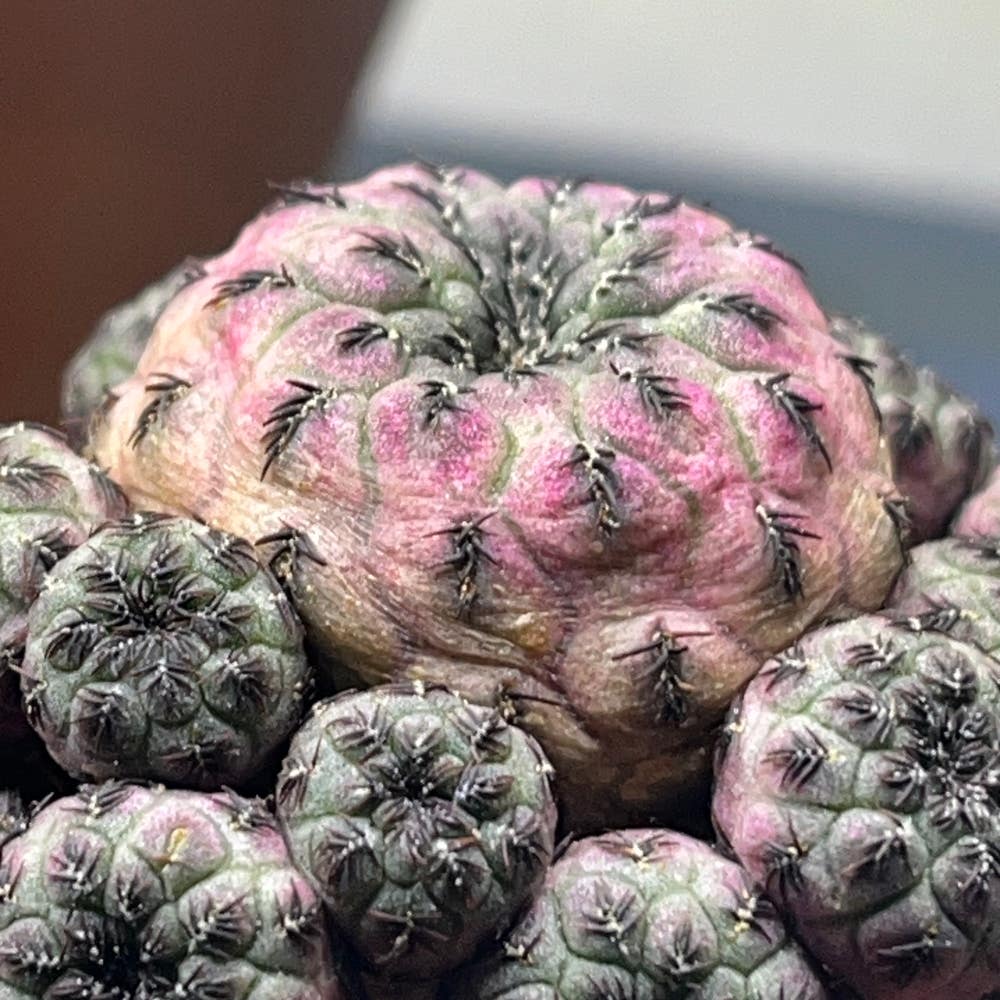
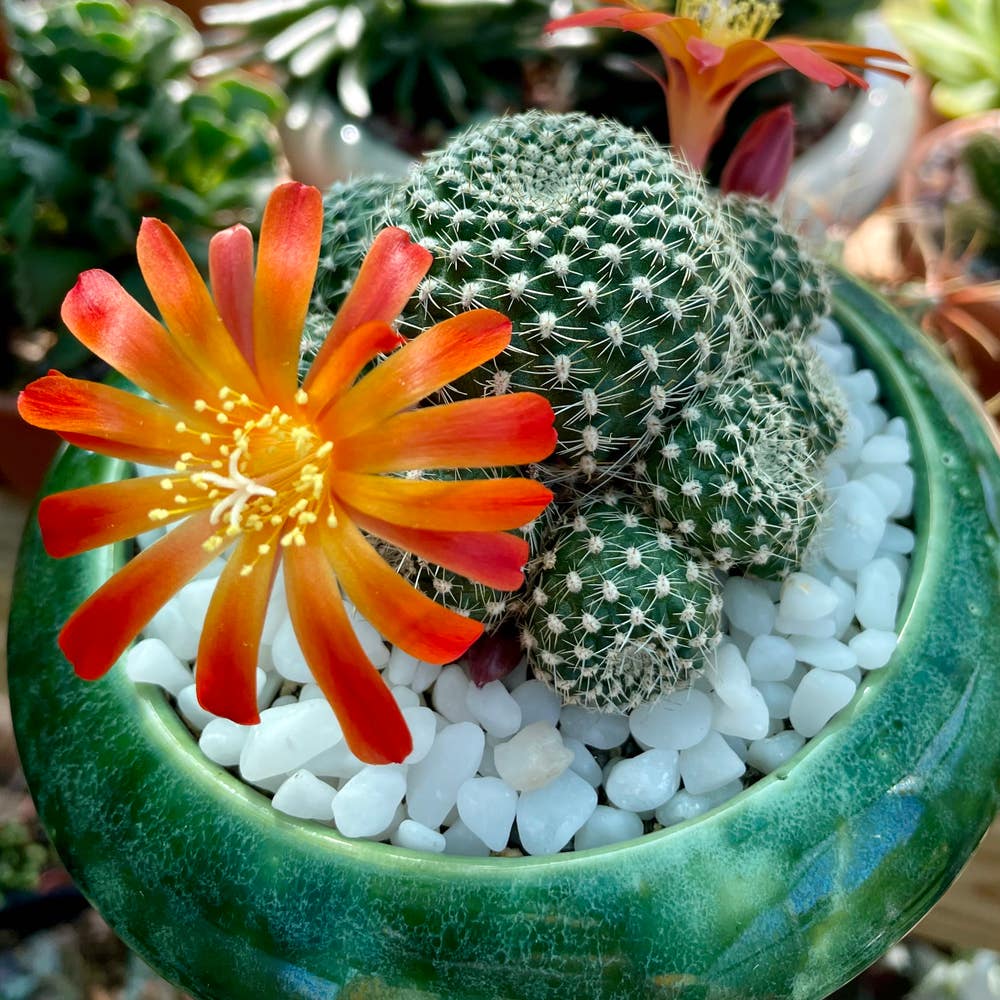
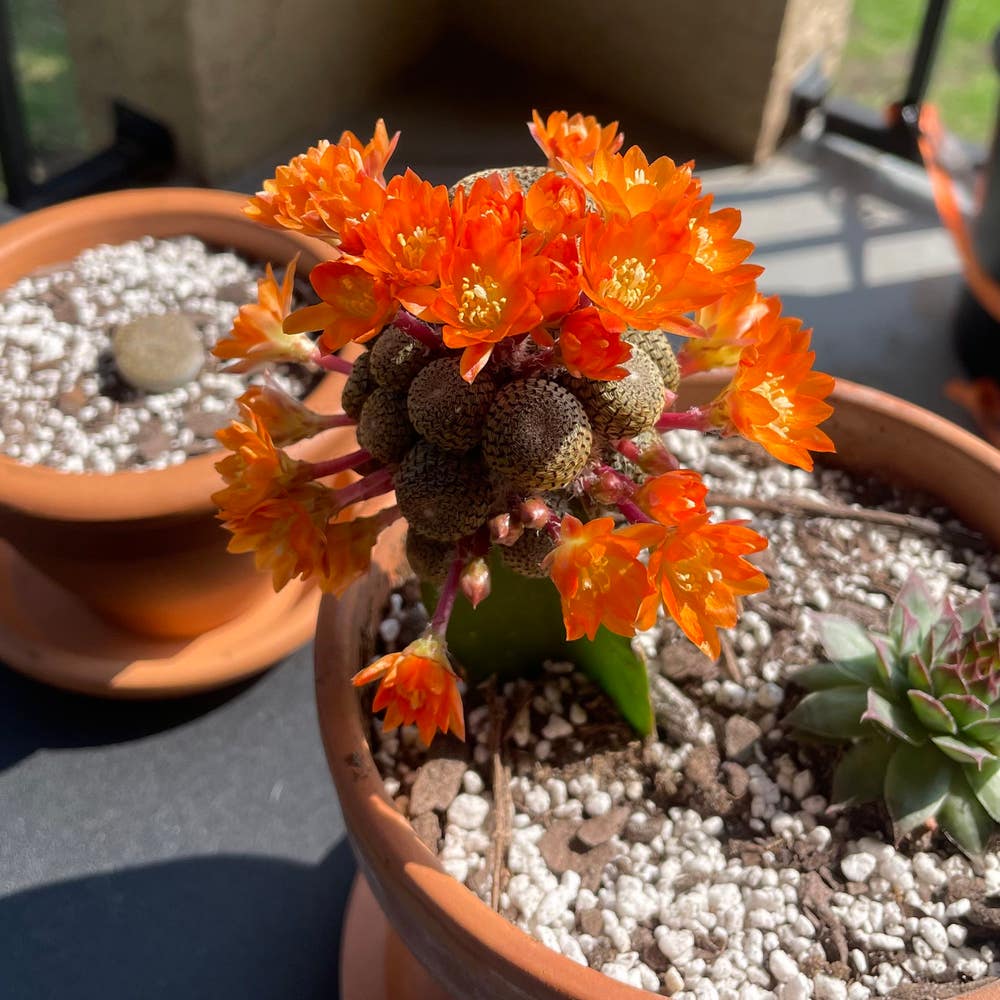
Rebutia vulpina
By the Greg Editorial Team
Sep 30, 2024•7 min read
This article was created with the help of AI so we can cover more plants for you. May contain errors. See one? Report it here.
Transform your crown cactus care 🌵 with essential tips to prevent leaf drop and ensure vibrant growth!
- 💧 Overwatering and underwatering are primary causes of leaf drop in crown cacti.
- 🌡️ Temperature extremes can stress crown cacti, leading to leaf drop.
- 🐛 Regular pest inspections are essential for maintaining healthy crown cacti.
Causes of Leaf Drop
💧 Overwatering and Its Effects
Overwatering is a common issue for crown cacti, often indicated by yellowing leaves, a mushy texture, and root rot. Excess moisture creates an environment ripe for fungal infections, which can lead to leaf drop.
To combat overwatering, allow the soil to dry out completely before rewatering. This simple action can significantly improve your cactus's health.
🚰 Underwatering and Its Effects
On the flip side, underwatering can also cause leaf drop. Signs include shriveled leaves, dry soil, and stunted growth, as the plant conserves resources when water is scarce.
To remedy this, water thoroughly when the top inch of soil feels dry. This ensures your cactus receives the hydration it needs to thrive.
🐛 Pest Infestations
Common Pests
Pests can wreak havoc on your crown cactus. Mealybugs appear as white, cotton-like masses on leaves and can lead to leaf drop. Spider mites, identifiable by fine webbing and stippled leaves, weaken the plant significantly.
Control Methods
Regular inspections are crucial; check for pests weekly to catch any infestations early. If you find pests, treatment options like insecticidal soap or neem oil can help restore your cactus's health.
🦠 Fungal and Bacterial Diseases
Fungal and bacterial diseases, such as root rot and bacterial blight, can also cause leaf drop. Symptoms include dark spots, wilting, and, of course, leaf loss.
To prevent these issues, use sterilized soil and avoid overhead watering. These practices can help keep your cactus healthy and vibrant.
🌡️ Environmental Stress
Temperature Effects
Crown cacti thrive in a temperature range of 70°F to 90°F (21°C to 32°C). Extreme heat or cold can stress the plant, leading to leaf drop.
To mitigate this, keep your cactus in a stable environment, away from drafts. This small adjustment can make a big difference in its well-being.
💨 Humidity and Airflow
Airflow is essential for preventing fungal growth and promoting healthy leaves. Aim for low to moderate humidity levels, avoiding overly humid conditions that can stress your cactus.
By ensuring proper airflow and humidity, you create an optimal environment for your crown cactus to flourish.
As you navigate these causes of leaf drop, remember that understanding your plant's needs is key to its health. Next, we’ll explore the symptoms to look for, helping you identify issues before they escalate.
Symptoms to Look For
🌱 Early Signs of Leaf Drop
One of the first indicators that your crown cactus may be in distress is yellowing leaves. This often points to potential overwatering or a nutrient deficiency that needs addressing.
Another alarming sign is the sudden dropping of leaves. This can signal stress or disease, and it’s crucial to act quickly to determine the underlying cause.
🚨 Other Symptoms Accompanying Leaf Drop
Wilting or shriveling leaves often accompany underwatering. When the plant lacks sufficient moisture, it conserves resources by shedding leaves.
Discoloration, such as dark spots or browning edges, may indicate disease or pest issues. Keeping an eye out for these symptoms can help you catch problems early and maintain a healthy cactus.
Recognizing these signs is vital for effective crown cactus care. By staying vigilant, you can ensure your plant thrives and avoid more severe issues down the line.
Crown Cactus Care
🌊 Watering Guidelines
Proper Watering Techniques
Watering your crown cactus is crucial for its health. Aim to water every 2-3 weeks during the growing season, ensuring you soak the soil deeply until water drains from the bottom of the pot.
Signs of Overwatering vs. Underwatering
Recognizing the signs of overwatering is essential. If the soil remains soggy and the leaves become mushy, you may be overwatering. Conversely, if the soil is dry and the leaves appear shriveled, it’s a sign of underwatering.
☀️ Light and Temperature Requirements
Ideal Light Conditions
Crown cacti thrive in bright, indirect light. Avoid direct sunlight, as it can scorch the leaves; instead, look for signs of inadequate light, such as stretching or leaning towards light sources.
Temperature Ranges and Their Impact
Maintaining an optimal temperature range of 70°F to 90°F (21°C to 32°C) is vital. Fluctuations outside this range can stress the plant, potentially leading to leaf drop.
🪴 Soil and Potting Considerations
Best Soil Types for Crown Cactus
Choosing the right soil is key to preventing root rot. A well-draining cactus mix is essential, and consider adding perlite or sand to enhance drainage.
Importance of Drainage in Potting
Select pots with drainage holes to prevent water accumulation. Repot your crown cactus every 2-3 years or when it becomes root-bound to ensure it has enough space to grow.
By following these care guidelines, you can help your crown cactus thrive and minimize the risk of leaf drop. Next, let’s explore how to prevent leaf drop through best practices and environmental adjustments.
Preventing Leaf Drop
🌱 Best Practices for Maintenance
Regular Monitoring for Pests and Diseases
Regularly checking your crown cactus is crucial. Aim for weekly inspections to catch any signs of pests or diseases early.
Prompt treatment is key to preventing escalation. If you notice anything unusual, address it immediately to keep your cactus healthy.
Seasonal Care Adjustments
Adjusting your care routine with the seasons can make a big difference. Increase watering frequency during the growing season and cut back in winter.
Fertilization is also important. Use a diluted cactus fertilizer during active growth to provide essential nutrients.
🌍 Environmental Adjustments
Creating an Optimal Growing Environment
Placement matters when it comes to your cactus's health. Position it near a window with filtered light for the best growth.
Avoid drafts by keeping your cactus away from air conditioning or heating vents. Stability in its environment helps prevent stress.
Importance of Humidity and Airflow
Airflow is vital for preventing fungal growth. If necessary, use fans to maintain circulation and avoid stagnant air.
Control humidity levels by keeping them low to moderate. This balance is essential for optimal health and leaf retention.
By implementing these practices, you can significantly reduce the risk of leaf drop in your crown cactus. Next, let’s dive into troubleshooting leaf drop issues effectively.
Troubleshooting Leaf Drop
🕵️♂️ Step-by-Step Diagnosis
Diagnosing leaf drop in your crown cactus starts with a few simple checks.
- Check soil moisture: Use a moisture meter or your finger to test the soil's dampness.
- Inspect for pests: Look closely at the leaves and stems for any signs of unwanted guests.
- Evaluate light exposure: Ensure your cactus is getting the right amount of light for optimal growth.
🔍 Identifying Specific Issues Based on Symptoms
Understanding the symptoms can help pinpoint the problem quickly.
- Yellowing leaves: This often indicates overwatering or a nutrient deficiency.
- Wilting leaves: If your cactus is wilting, it might be a sign of underwatering or pest damage.
⚗️ Treatment Options
Once you've identified the issue, it's time to take action.
Remedies for Overwatering and Pest Control
- For overwatering: Allow the soil to dry out completely and adjust your watering schedule accordingly.
- For pests: Apply insecticidal soap or neem oil to tackle any infestations effectively.
🦠 How to Treat Diseases Affecting Crown Cactus
If your cactus is suffering from diseases, specific treatments can help.
- For root rot: Remove any affected roots and repot the cactus in fresh, well-draining soil.
- For bacterial blight: Isolate the plant and apply appropriate treatments to prevent further spread.
By following these steps, you can effectively troubleshoot leaf drop and restore your crown cactus to health. Next, let’s explore some best practices for preventing leaf drop in the first place.
⚠️ Safety First
This content is for general information and may contain errors, omissions, or outdated details. It is not medical, veterinary advice, or an endorsement of therapeutic claims.
Always consult a qualified healthcare professional before using any plant as food, medicine, or supplement.
Never eat any plant (or feed one to pets) without confirming its identity with at least two trusted sources.
If you suspect poisoning, call Poison Control (800) 222-1222, the Pet Poison Helpline (800) 213-6680, or your local emergency service immediately.
Spotted an error? Please report it here.
Keep your crown cactus thriving and vibrant 🌵 with Greg's tailored care reminders and expert tips to prevent leaf drop and ensure optimal health!