How Can You Tell If A Straw-colored Flatsedge Is Dying?
Cyperus strigosus
By the Greg Editorial Team
Mar 12, 2024•3 min read
This article was created with the help of AI so we can cover more plants for you. May contain errors. See one? Report it here.
- Wilting, yellowing, or browning are SOS signals of water stress.
- Sun stress and temperature troubles manifest as faded, scorched, or dropped leaves.
- Root rot, mold, and pests threaten Flatsedge; sniff soil, check for critters.
When Water Woes Wilt Your Flatsedge
🚰 Spotting the Signs
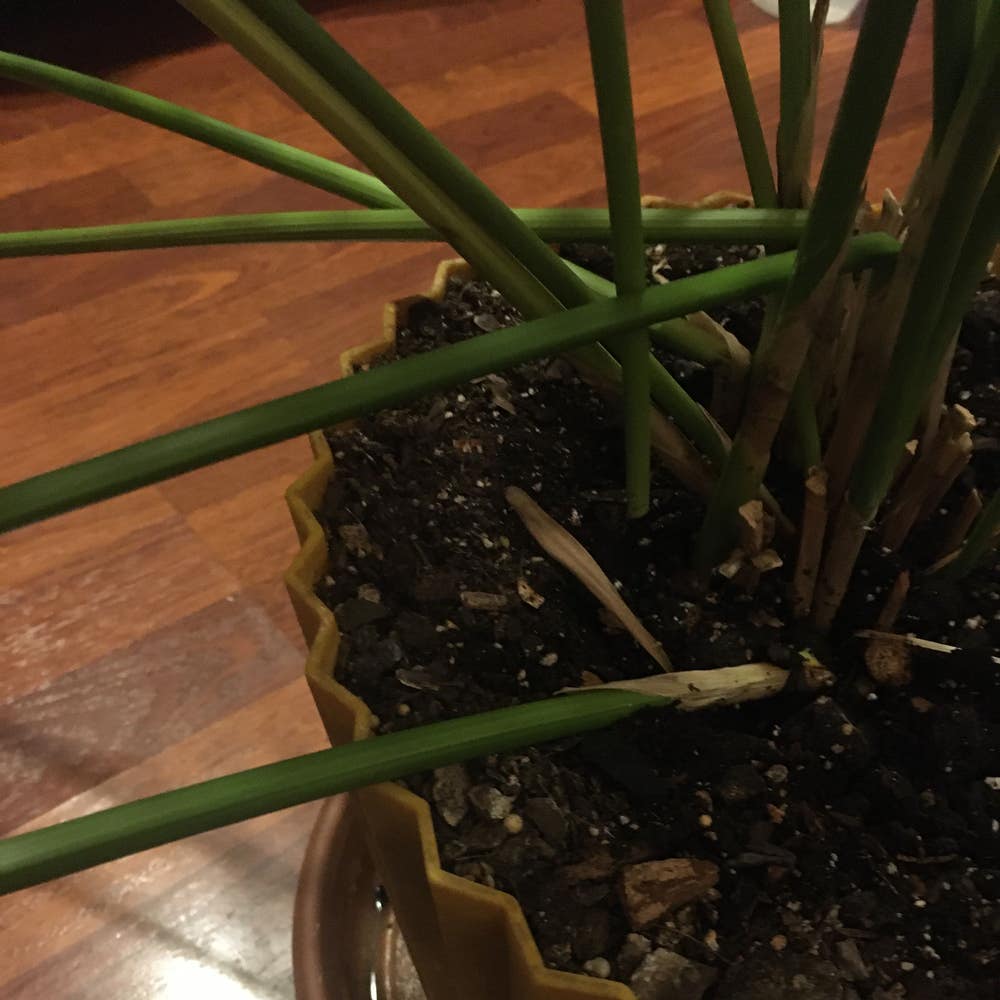
Wilting and yellowing leaves are your flatsedge's way of waving a white flag at overwatering. If the stems feel more like a soggy sponge than a sturdy stalk, you've gone overboard with the H2O. On the flip side, browning tips and leaves that fold in on themselves are the plant's equivalent of a parched throat, signaling a serious need for water.
🚰 Finding the Balance
To hit the watering sweet spot, stick your finger into the soil up to the second knuckle—if it's dry, it's time to water. Ensure proper drainage to avoid waterlogged roots; a plant sitting in water is a plant gasping for air. Establish a watering schedule that's less of a strict routine and more of a responsive ritual, adapting to your plant's changing needs with the seasons.
Light and Temperature: The Goldilocks Zone
🌞 Sunburn and Shade
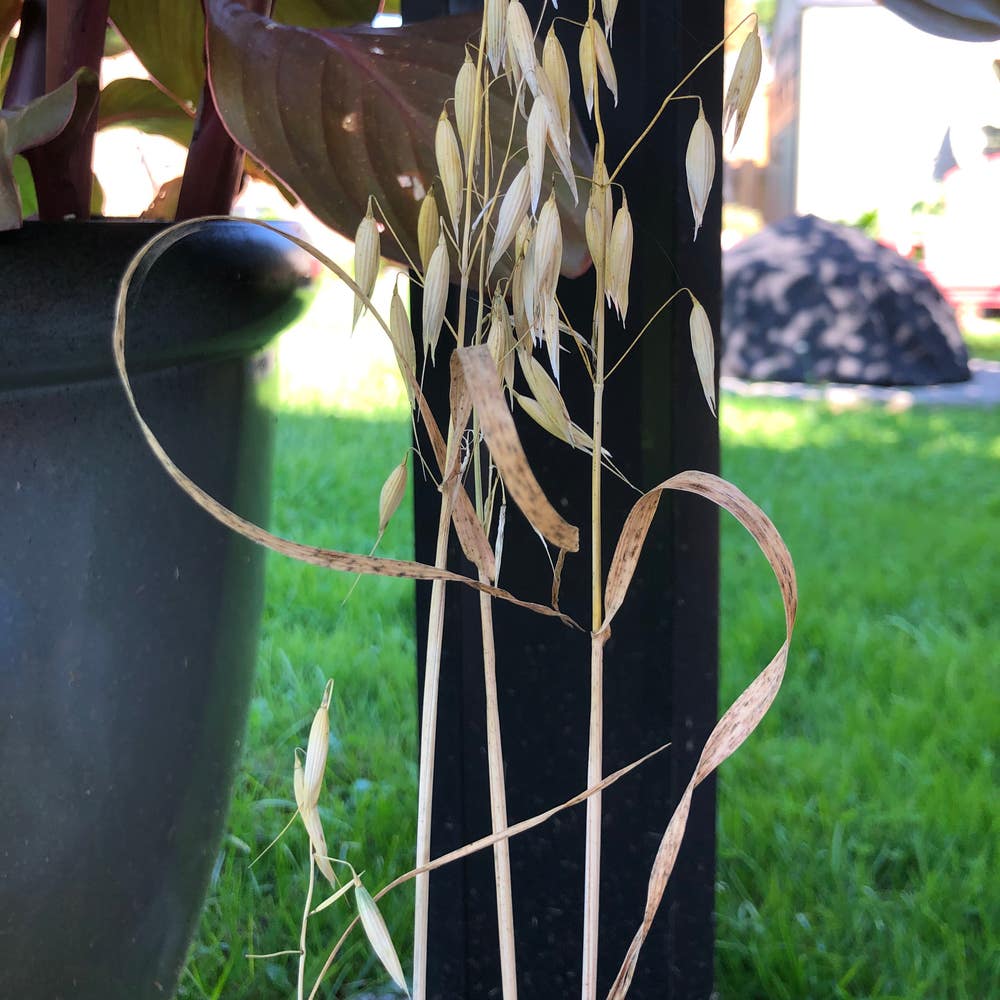
Faded leaves on your Straw-colored Flatsedge? That's sun stress. The plant's once vibrant greens can turn pale, a clear sign it's had too much light. Leggy growth is another red flag; it means your plant is reaching for the sun, literally stretching itself thin for more light. And if you spot leaf scorching—think of brown, crispy leaf edges—your Flatsedge is shouting for shade.
🔥 Too Hot, Too Cold
Leaf curling is the Flatsedge's way of saying "I'm too hot!" It's a visual cue that temperatures are higher than comfortable. Browning leaves? That's your plant's version of a heatstroke. And if leaves are dropping like flies, it's not just being dramatic—it's too cold. Keep your Flatsedge away from drafts and maintain a steady temperature to avoid these temperature-induced performances.
The Unseen Enemy: Root Rot and Fungus Among Us
🦠 Sniffing Out Root Rot
Root rot is the silent killer in the plant world. If your Straw-colored Flatsedge is wilting and the soil smells like a swamp, you've got trouble. The roots will be a mushy, brown mess, a clear sign of rot. Immediate action is crucial to save your plant.
🍄 Fungal Foes
Mold and fungus on your Flatsedge are like unwanted squatters. Look for fuzzy growths or yellowing leaves as signs of an infestation. These issues often arise from excess moisture and poor air circulation. To combat these invaders, improve airflow and consider a fungicide, but only after identifying the specific problem.
Bug Off! Dealing with Pests
🐜 Pests Parade
Spider mites are tiny acrobats, spinning webs finer than your grandma's lace. Mealybugs masquerade as tiny cotton balls, and aphids gossip in clusters under leaves. Spot these pests and you're looking at the troublemakers behind droopy, discolored leaves.
🌿 Natural Defenses
Neem oil and insecticidal soap are your plant's knights in shining armor. Apply with precision to evict these unwelcome guests. Don't forget to roll out the red carpet for natural predators like ladybugs and lacewings; they're the unpaid interns of pest control. Regular plant check-ups are your best defense—get nosy and turn those leaves over.
⚠️ Safety First
This content is for general information and may contain errors, omissions, or outdated details. It is not medical, veterinary advice, or an endorsement of therapeutic claims.
Always consult a qualified healthcare professional before using any plant as food, medicine, or supplement.
Never eat any plant (or feed one to pets) without confirming its identity with at least two trusted sources.
If you suspect poisoning, call Poison Control (800) 222-1222, the Pet Poison Helpline (800) 213-6680, or your local emergency service immediately.
Spotted an error? Please report it here.
Ensure your Straw-colored Flatsedge stays resilient 🛡️ with Greg's custom watering plans and a community ready to tackle any pest or sun stress signs.