How to Know When to Repot a Straw-colored Flatsedge?
Cyperus strigosus
By the Greg Editorial Team
Mar 12, 2024•5 min read
This article was created with the help of AI so we can cover more plants for you. May contain errors. See one? Report it here.
- Roots peeking out? Time to repot your Flatsedge.
- 🌱 Terracotta or plastic? Choose based on moisture needs.
- Monitor post-repotting for a happy, healthy Flatsedge.
Spot the Clues: When Your Flatsedge Needs a New Home
🌱 Root Tango: Tangled Roots and Visible Roots at the Bottom
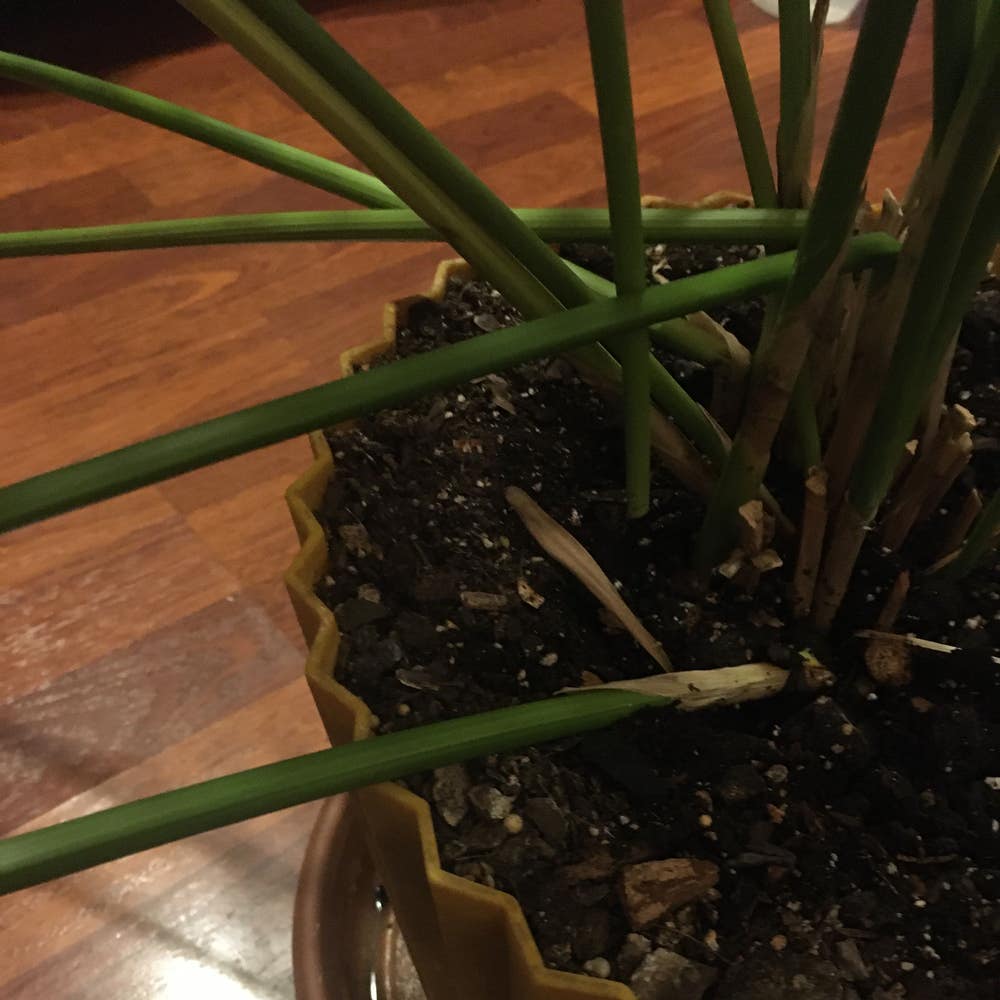
Roots making a break for it through the pot's drainage holes? That's your Straw-colored Flatsedge's way of waving a white flag. When the roots are more tangled than last year's Christmas lights, it's time to consider a new abode for your green buddy.
💧 Thirsty Much?: Watering Frequency and Drainage Problems
If you find yourself watering your Flatsedge more often than you check your social media, drainage might be the issue. Overwatering can lead to a soggy situation where roots are drowning rather than drinking. Conversely, if the water runs through faster than a gossip, the soil might be too compacted or the roots too crowded.
🌿 Growth Spurt: Slowed Growth and Crowded Leaves
When your Flatsedge's growth hits a snail's pace, it's not just being lazy. Crowded leaves jostling for space are a telltale sign that your plant is ready to move on up to a bigger pot. Don't let your plant live in a cramped studio apartment when it's dreaming of a spacious loft.
Choosing the Right Pot: Material Matters
🌱 Terracotta vs. Plastic: Pros and Cons for Flatsedge
Terracotta is the breathable option, championing air flow and moisture control. Its porous nature is a boon for preventing root rot, but it's a heavyweight and can break if you so much as look at it wrong. It also dries out faster, which means more work for the forgetful waterer. On the flip side, plastic is the featherweight champion—easy to move and won't shatter in a frost. It's budget-friendly but holds onto moisture like a grudge, raising the stakes for overwatering.
🚫 The Perils of Poor Porosity: Materials to Avoid
No drainage holes? Walk away. Pots without proper drainage are a death sentence for your plant's roots. Ceramic pots can be a stylish choice, but they're often less porous than terracotta, meaning they can hold too much moisture if not monitored closely. Avoid materials that don't allow your Flatsedge to breathe unless you're prepared for constant vigilance.
📏 Size and Fit: Selecting the Right Pot Size
Size matters. A pot too large invites soil to stay wet and sullen, a breeding ground for root rot. Too small, and your Flatsedge's roots will be fighting for space like commuters on a rush-hour train. Aim for a pot that's just right—one that gives your plant room to grow but doesn't let it swim in excess soil. Remember, it's not just about the room at the top; it's the party in the pot that counts.
The Repotting Rundown: A Step-by-Step Guide
🌱 Prep Work: Gathering Supplies and Preparing the Workspace
Before you get your hands dirty, let's get organized. You'll need a new pot—an upgrade in size with a drainage hole is non-negotiable. Snag some fresh potting mix, a trowel, pruning shears, and a cover for the drainage hole—think coffee filter or mesh. Cleanliness is next to plant-godliness, so make sure everything is spotless to prevent unwanted pests or diseases.
🌿 Gentle Extraction: Removing Your Flatsedge Safely
Time to evict your Flatsedge from its snug pot. Water it first; this makes the breakup easier. Tilt the pot and coax the plant out by the base, supporting the root ball. If it's clinging on for dear life, tap the pot's edges. No yanking—this isn't a game of tug-of-war.
🌱 Root Health Check: Inspecting and Pruning the Roots
Now, play root detective. Healthy roots are firm and white. If you spot any that are mushy or darker than your morning coffee, snip them off. Circling roots? Give them a little untangle. Use clean cuts—think of it as a precision haircut for your plant's underground tendrils.
🌿 Homecoming: Planting in the New Pot
It's moving day for your Flatsedge. Add a base layer of soil to the new pot and nestle your plant in at the same depth it was before. Fill in with more soil, but don't pack it down like you're stuffing a suitcase. Water it gently to settle the soil and eliminate air pockets. No fertilizer—let's not overwhelm it on the first day in its new home.
Post-Repotting Care: Helping Your Flatsedge Settle In
💦 The First Watering: When and How Much
Immediately after repotting, give your Straw-colored Flatsedge a good soak. This isn't a time for a light sprinkle; you want to ensure the water reaches the roots to help them form a bond with their new soil. But after this initial baptism, ease up. Let the top inch of soil dry out before you even think about watering again. Overzealous watering is the quickest way to drown your plant's good vibes.
🌞 Location, Location, Location: Finding the Ideal Spot
Your Flatsedge isn't craving a beach vacation; it needs stability. Find a spot with bright, indirect light where it won't be blasted by the midday sun or shoved into a dark corner. Think steady temperatures and no drafts. This isn't just a plant preference; it's a survival tactic.
👀 Monitoring and Adjusting: What to Watch Out For
Keep a close eye on your plant like it's the newest gossip. Yellow leaves? Might be stress. No new growth? It's probably still settling in. If your plant looks more down than a teenager after a breakup, reassess your care strategy. Remember, this is a period of adjustment. Your Flatsedge isn't being picky; it's just trying to get its bearings in a new home.
⚠️ Safety First
This content is for general information and may contain errors, omissions, or outdated details. It is not medical, veterinary advice, or an endorsement of therapeutic claims.
Always consult a qualified healthcare professional before using any plant as food, medicine, or supplement.
Never eat any plant (or feed one to pets) without confirming its identity with at least two trusted sources.
If you suspect poisoning, call Poison Control (800) 222-1222, the Pet Poison Helpline (800) 213-6680, or your local emergency service immediately.
Spotted an error? Please report it here.
Recognize the perfect moment to repot your Straw-colored Flatsedge and ensure its growth with Greg's 🌱 timely reminders and tailored post-repot care tips.