💧 Why Are My Straw-colored Flatsedge Leaves Droopy?
Cyperus strigosus
By the Greg Editorial Team
Mar 12, 2024•5 min read
This article was created with the help of AI so we can cover more plants for you. May contain errors. See one? Report it here.
- Under/overwatering leads to droopiness, adjust watering based on plant feedback.
- Sunlight and temperature stability are key to preventing droopy leaves.
- Regular monitoring and care help catch early signs of distress.
Spotting the Signs of Droopy Leaves
🌱 Visual cues: Identifying droopy leaves in Straw-colored Flatsedge
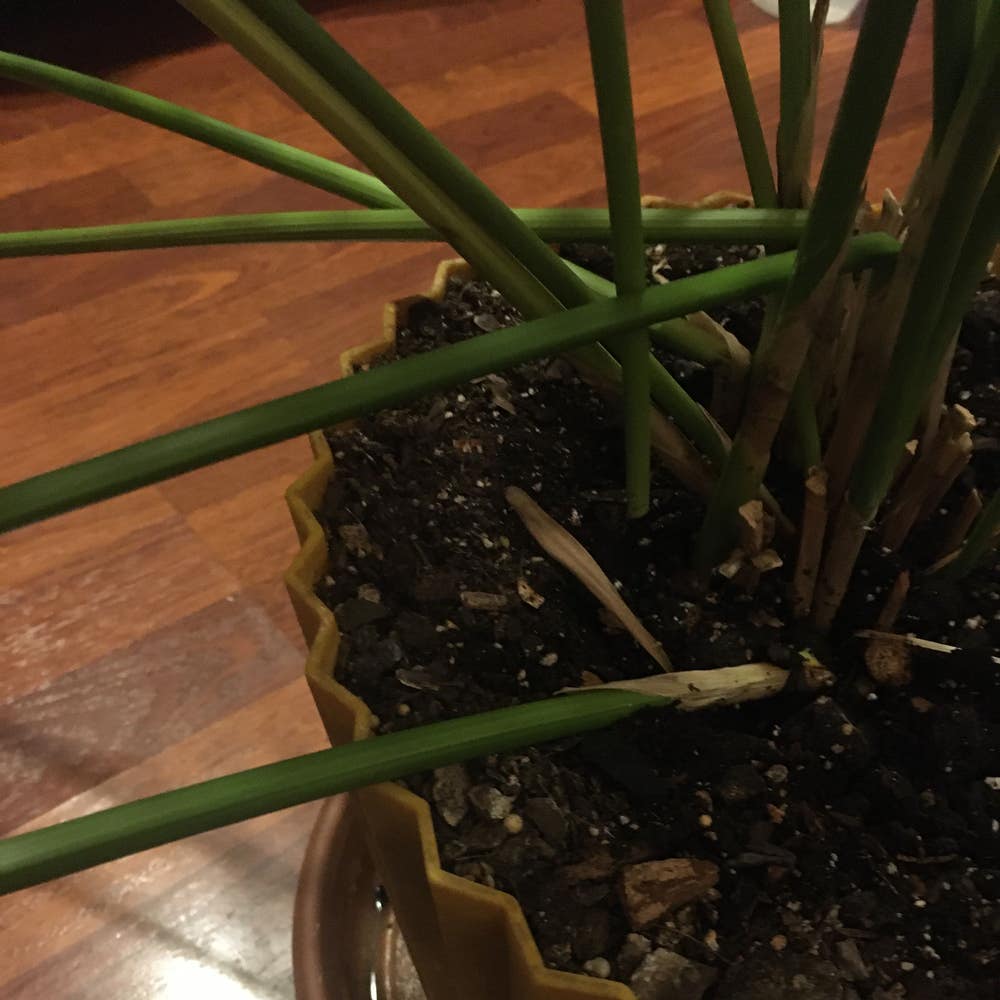
Droopy leaves in Straw-colored Flatsedge hang like limp handshakes, signaling distress. They might start off with a slight sag and progress to a full-on slump. Look for leaves that have lost their usual upright confidence and seem to be reaching for the ground.
🚩 Beyond the droop: Other symptoms to watch for
Yellowing, spotting, or curling leaves are the plant's version of a distress flare. If the leaves feel like a dry cracker to the touch, it's a cry for water. Conversely, a soft, mushy feel at the base could mean too much love in the watering department. Regular check-ups are your best defense; catching these signs early can mean the difference between a quick fix and a full-blown plant crisis.
Zeroing in on the Culprits
💧 Thirsty Roots: The Underwatering Connection
Spotting the Signs of Thirst
Leaves hanging lower than a teenager's jeans? Underwatering could be the issue. Look for soil that's drier than a stand-up comedian's wit. If it crumbles like a poorly constructed cookie, it's time to up the hydration game.
Fine-tuning Your Watering Routine
Consistency is key. Think of watering like your favorite TV show; don't miss an episode. Adjust the schedule based on the plant's feedback—perky leaves post-watering are a thumbs up.
💦 Drowning in Excess: The Overwatering Paradox
Recognizing Root Rot and Other Soggy Scenarios
Yellow leaves are the red flags of overwatering. If the soil feels more like a swamp than a garden, you've gone overboard. Check for roots that are softer than a politician's promise; they're a sign of rot.
Balancing Moisture for Happy Roots
Drainage isn't just a buzzword; it's a lifeline. Make sure your pots have holes like a good block of Swiss cheese. Aim for soil that's moist but not soggy—think of a well-wrung-out towel.
☀️ Light Starvation: When Straw-colored Flatsedge Craves More Sun
The Link Between Light and Leaf Perkiness
Droopy leaves could be shouting for sunlight. If your plant's getting less light than a deep-sea fish, it's time to relocate. Leaves should be basking in the sun, not hiding in the shade.
Finding the Sweet Spot for Sunlight Exposure
Sunlight is like the plant's coffee—it needs the right amount to wake up. Too little and it's dozing off; too much and it's an insomniac. Find a spot where the light is bright but not blinding.
🔥 Feeling the Heat (or Chill): Temperature's Role in Droopiness
Identifying Temperature Stress in Your Plant
If your plant's leaves are wilting like a forgotten salad, check the thermostat. Extreme temperatures can make your plant more dramatic than a teen's first breakup.
Creating a Cozy Climate for Straw-colored Flatsedge
Keep your plant away from drafts and heat sources. It craves a stable environment like a hermit craves solitude. Aim for a temperature that's as consistent as a metronome.
Reviving Droopy Leaves
💧 The Watering Workaround: Adjusting Your Approach to Hydration
Crafting the perfect watering schedule starts with observing your plant's response post-watering. Leaves perking up? You've nailed it. Still droopy? Time to tweak. Seasons change, and so does your plant's thirst—water less in cool weather, more when it's hot. Use room-temp water to avoid root shock.
🛠 Tools and Techniques for Moisture Management
Ditch the guesswork with a moisture meter, or go old-school with the finger test. The soak and dry method is your friend—let the soil dry a bit between waterings. This encourages roots to grow strong as they search for moisture. And remember, consistency is key, but not rigidity—adjust as needed.
☀️ Let There Be Light: Illuminating Solutions for Droopy Leaves
Rearranging for radiant results might just be the ticket. If your Straw-colored Flatsedge is looking a bit lackluster, it might be craving more light. Move it to a sunnier spot, but watch out for leaf burn.
💡 Light Hacks for Indoor Gardeners
No sunny windowsill? No problem. Artificial grow lights can be a game-changer, providing the full spectrum of light without the risk of sunburn. It's all about mimicking that sweet spot of natural sunlight.
🌡 Temperature Tactics: Stabilizing Your Plant's Environment
Insulating against the elements means keeping your plant away from drafts and sudden temperature changes. Think cozy, stable conditions.
🌬 Seasonal Strategies for Temperature Control
As the seasons turn, so should your attention to temperature. A plant cozy in summer might shiver in winter. Adjust its location or the room temperature to keep it comfortable year-round.
Keeping Leaves Lively: Prevention Strategies
🔄 The Rhythm of Routine: Establishing Consistent Care
Consistency is the backbone of plant health. For Straw-colored Flatsedge, this means sticking to a care routine that doesn't miss a beat.
- Watering: Check the soil moisture regularly and water when the top inch feels dry.
- Lighting: Ensure the plant receives ample but not excessive sunlight.
- Pruning: Keep the foliage trimmed to promote air circulation and deter pests.
- Seasonal Adjustments: Tweak your care practices as the seasons change, because what works in summer may not fly in winter.
👀 Vigilant Vigilance: Monitoring for Early Warning Signs
Observation is your first line of defense. Regularly inspect your Straw-colored Flatsedge for any changes that could signal trouble.
- Visual Checks: Look out for yellowing leaves or signs of wilting.
- Texture Tells: A change in leaf texture can be a red flag for deeper issues.
- Pest Patrol: Keep an eye out for unwanted critters and deal with infestations promptly.
Adaptation is crucial. If you spot something amiss, don't hesitate to tweak your care tactics. It's about being proactive, not reactive. Keep a log of what you observe and the actions you take; it's like having a plant diary that could lead to a breakthrough in your care strategy.
⚠️ Safety First
This content is for general information and may contain errors, omissions, or outdated details. It is not medical, veterinary advice, or an endorsement of therapeutic claims.
Always consult a qualified healthcare professional before using any plant as food, medicine, or supplement.
Never eat any plant (or feed one to pets) without confirming its identity with at least two trusted sources.
If you suspect poisoning, call Poison Control (800) 222-1222, the Pet Poison Helpline (800) 213-6680, or your local emergency service immediately.
Spotted an error? Please report it here.
Nurture your Straw-colored Flatsedge back to health with consistent care 🌱 using Greg's tailored watering reminders and light metering tools.