Why Are There Brown Spots on My Straw-colored Flatsedge?
Cyperus strigosus
By the Greg Editorial Team
Mar 12, 2024•5 min read
This article was created with the help of AI so we can cover more plants for you. May contain errors. See one? Report it here.
- Fungal and bacterial infections are primary causes of brown spots.
- Environmental stress like watering and light affects spot formation.
- Prevent spots with consistent care, including proper watering and pruning.
Spotting the Trouble: Recognizing Brown Spots
🕵️♂️ Visual Clues
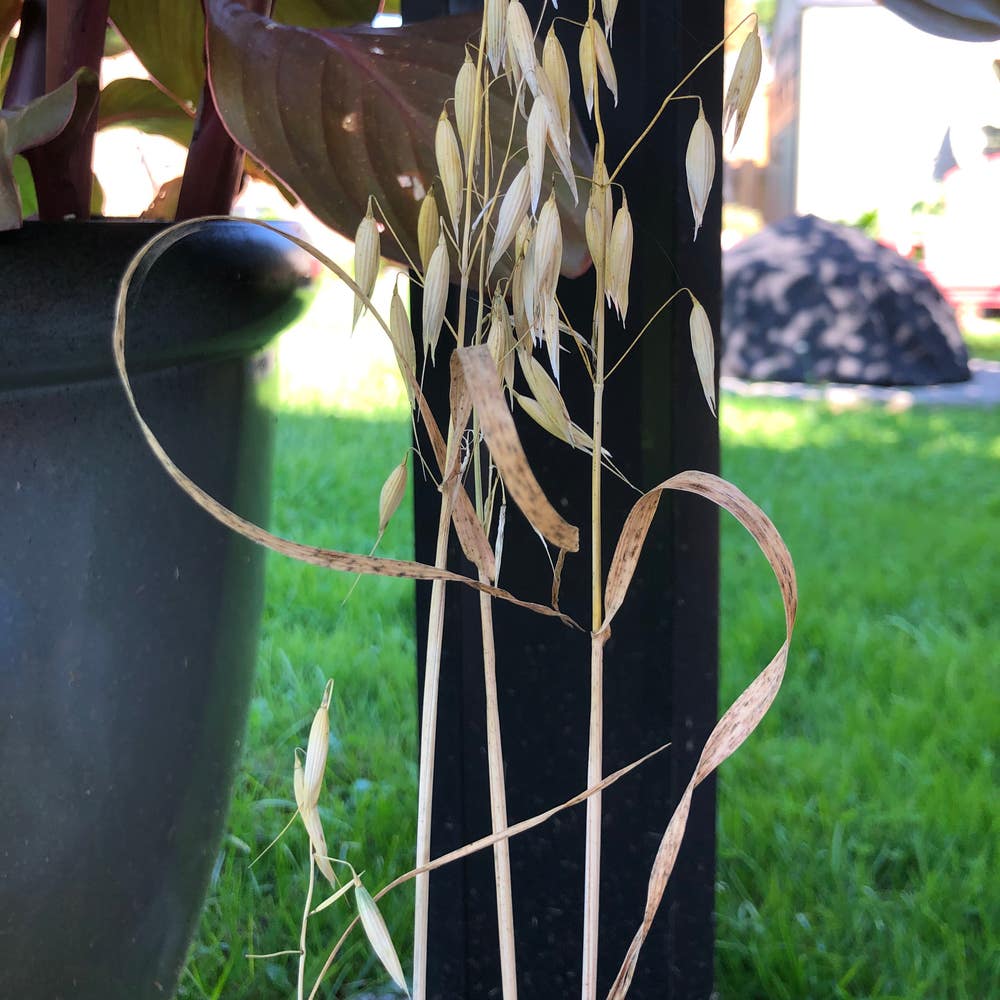
Brown spots on Straw-colored Flatsedge can range from subtle shadows to conspicuous patches. These spots may appear dry or exhibit a wet lesion-like quality, sometimes surrounded by a yellow halo. Their location on the leaf, whether at the edges or the center, provides vital clues to their nature.
Beyond the Spots
Other symptoms often accompany brown spots, such as changes in leaf texture or an increase in spot size and quantity. A plant's overall health may also decline, with symptoms like wilting or stunted growth. These additional signs can help pinpoint the underlying cause of the brown spots.
Rooting Out the Causes
🍄 Fungal Foes
Fungal infections are the culprits behind those unsightly brown spots on Straw-colored Flatsedge. Leaf Spot Disease and Powdery Mildew are the usual suspects. They leave a calling card of circular lesions, sometimes with a powdery or bull's-eye pattern. High humidity and poor air circulation are their best friends, creating the perfect storm for these fungi to thrive.
To spot them, look for raised or spreading spots on the leaves. These can vary in size and color, often appearing tan to black. They may also present with a wet appearance, concentric rings, or a yellow halo.
🦠 Bacterial Bullies
Bacterial infections manifest as water-soaked lesions with a distinctive edge, often red or yellow. They spread through touch or water droplets, thriving in overwatered conditions with poor drainage. Unlike their fungal counterparts, bacterial spots can appear slimy, signaling a bacterial invasion.
Pseudomonas leaf spot is a common bacterial bully, turning the serene environment of your plant into a landscape dotted with brown spots.
🌿 Environmental Stress
Environmental factors play a significant role in the health of your Straw-colored Flatsedge. Overwatering isn't just a sign of overzealous plant parenting—it's an invitation for fungal and bacterial infections. Poor drainage is their plus-one, ensuring the party in your soil goes all night long.
Direct sunlight can lead to leaf scorch, while insufficient light leaves your plant vulnerable and pale. Temperature swings and improper humidity levels are like the DJ, bouncer, and bartender of this garden club, setting the vibe for your plant's health.
Remember, a stressed plant is more susceptible to infections, so keeping your Straw-colored Flatsedge happy is the best defense against both fungal and bacterial foes.
Healing the Spots: Treatment Strategies
🌿 Combating Fungal and Bacterial Invaders
Fungicides are the first line of defense against the fungal invaders causing brown spots on your Straw-colored Flatsedge. Copper-based options are popular, acting as a barrier to prevent further spread. However, they're not a cure-all; think of them as a plant's suit of armor rather than a healing potion. For those leaning towards a greener approach, neem oil or a hydrogen peroxide mixture can be effective alternatives. Always spot test any treatment to avoid causing more harm than good and follow the label's instructions as if your plant's life depends on it—because it does.
Bacterial infections require a different tactic. Copper compounds and targeted bactericides are the weapons of choice here. Use them judiciously, with the precision of a surgeon, to avoid collateral damage to your plant. Remember, the goal is to treat the plant, not overwhelm it.
🌱 Correcting Environmental Conditions
Adjusting the care of your Straw-colored Flatsedge can often alleviate those stress-induced brown spots. Ensure the plant is getting adequate sunlight and dry air, as these conditions are like a natural disinfectant. Improving air circulation is also key—think of it as giving your plant room to breathe.
Watering practices often need a tune-up; overwatering invites fungal growth like throwing a party and forgetting to uninvite the neighborhood troublemaker. Water at the base of the plant and only when the soil feels dry to the touch. And don't forget to prune affected areas with sterilized tools—precision is key to stopping the spread of disease.
Maintaining a clean environment is the unsung hero in the fight against brown spots. Keep fallen debris cleared and consider it part of your plant's personal hygiene routine.
Keeping the Spots at Bay: Prevention Tips
🌱 Cultural Practices
Vigilance is key in preventing brown spots on Straw-colored Flatsedge. Sterilize your tools regularly; treat them like surgical instruments. Prune strategically to remove potential disease hotspots. New plants should be quarantined to prevent the spread of infections.
Watering should mimic a gentle rain, avoiding the leaves to reduce the risk of fungal growth. Fertilizer should be used sparingly; it's a supplement, not a meal. Ensure the soil is well-draining to prevent root rot and discourage fungal habitats.
🕵️ Monitoring and Maintenance
Regular plant check-ups are non-negotiable. Catching issues early is crucial. Maintain consistent watering and lighting conditions to avoid stressing the plant. Clean tools are a must—always sterilize before use.
Air circulation should be on your checklist; stagnant air is a breeding ground for trouble. Isolate new plants to ensure they're disease-free before introducing them to your garden. Prune regularly to maintain airflow and remove any diseased foliage.
Pest management is critical; keep an eye out for critters and deal with them promptly. Remember, a healthy plant is less likely to succumb to brown spots. Stay consistent with care to cultivate a resilient Straw-colored Flatsedge.
⚠️ Safety First
This content is for general information and may contain errors, omissions, or outdated details. It is not medical, veterinary advice, or an endorsement of therapeutic claims.
Always consult a qualified healthcare professional before using any plant as food, medicine, or supplement.
Never eat any plant (or feed one to pets) without confirming its identity with at least two trusted sources.
If you suspect poisoning, call Poison Control (800) 222-1222, the Pet Poison Helpline (800) 213-6680, or your local emergency service immediately.
Spotted an error? Please report it here.
Banish those pesky brown spots on your Straw-colored Flatsedge by using Greg's PlantVision 🔍 to identify issues and get custom care advice, ensuring your plant stays healthy and vibrant.