What Is The Best Way To Water a Straw-colored Flatsedge?
Cyperus strigosus
By the Greg Editorial Team
Mar 12, 2024•3 min read
This article was created with the help of AI so we can cover more plants for you. May contain errors. See one? Report it here.
- Visual cues and touch tests guide when to water flatsedge.
- Bottom watering and proper drainage prevent overwatering issues.
- Seasonal adjustments and pot choice affect watering frequency.
When to Water Your Flatsedge
💧 Signs Your Plant is Thirsty
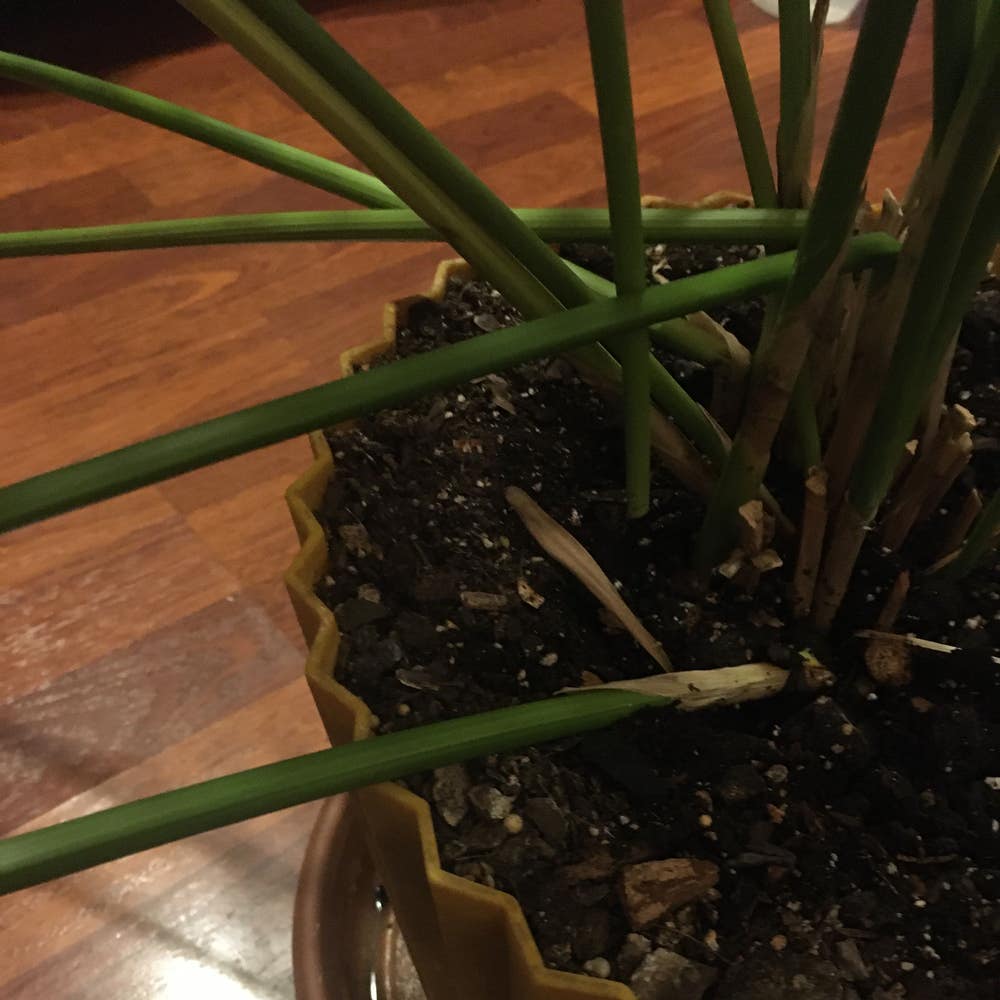
Visual cues are your first hint that your flatsedge is parched. If the blades are folding like origami or looking thinner, it's time to grab the watering can. Soil dryness tests are your go-to method for accuracy. Stick your finger a couple of inches into the dirt—if it feels like a dry summer day, water is due. Pots feeling lighter than your last paycheck? That's another telltale sign of thirst.
How Often to Water
General guidelines suggest watering when the soil is dry, but keep in mind that seasons are the mood swings of nature. During summer, your flatsedge might be as thirsty as a marathon runner, while in winter, it's more like a hibernating bear. Adjust your watering frequency accordingly, and always look for signs like soil pulling away from the pot or leaves wilting—these are your flatsedge's way of saying, "Hey, I could use a drink!"
Perfecting Your Watering Technique
💧 Direct vs. Bottom Watering
Direct watering is the go-to for many, but it's a bit like playing darts with your plant's hydration—sometimes you hit the bullseye, sometimes you miss. Bottom watering, on the other hand, is like a trust fund for moisture; it builds up reserves slowly and surely. For flatsedge, bottom watering promotes deep root growth and prevents the dreaded soggy soil syndrome. Just remember to drain any excess water to avoid root rot.
🚰 Adjusting Water Quantity
How much is too much? Think of watering your flatsedge like filling a gas tank—stop before it overflows. The amount varies, but a good rule of thumb is to water until it starts to seep out of the drainage holes. Then, take a beat. Let the soil dry out between waterings to the point where it's dry an inch below the surface. This encourages the flatsedge to drink deeply but not too often, striking a balance between drought and drenched.
Soil and Pot Dynamics
🌱 Choosing the Right Soil Mix
The right soil mix is crucial for straw-colored flatsedge. Opt for a blend that balances drainage with moisture retention. Organic matter like compost can increase water efficiency, especially in sandy soils. Avoid dense, heavy soils that can suffocate roots and impede water flow.
🏺 The Role of Pots in Watering
Terracotta and ceramic pots excel in moisture management due to their porous nature, which helps prevent waterlogging. Container size matters too; smaller pots dry out quicker, necessitating more frequent watering, while larger ones retain moisture longer. Always choose pots with drainage holes to avert the dreaded root rot.
Adapting to Environmental Changes
🌦️ Seasonal Adjustments
Seasons shift and so must your watering strategy for straw-colored flatsedge. In the summer, your plant is like a marathon runner in peak season—hydrate accordingly. As autumn rolls in, balance is key; think Goldilocks—not too much, not too little. Winter whispers for a slowdown; less is more as your plant dozes off. Springtime? Gradually increase watering as your plant shakes off its slumber and stretches towards the sun.
Reading Your Plant's Health
Stay sharp—your flatsedge will communicate its needs. Yellowing leaves or a wilted demeanor scream overwatering, while crispy tips are a cry for more moisture. If the soil feels like a parched desert, it's time to water; if it's damp like a sponge, hold off. Trust your touch and keep those eyes peeled for your plant's silent signals. Remember, you're not just a plant owner; you're a plant partner.
⚠️ Safety First
This content is for general information and may contain errors, omissions, or outdated details. It is not medical, veterinary advice, or an endorsement of therapeutic claims.
Always consult a qualified healthcare professional before using any plant as food, medicine, or supplement.
Never eat any plant (or feed one to pets) without confirming its identity with at least two trusted sources.
If you suspect poisoning, call Poison Control (800) 222-1222, the Pet Poison Helpline (800) 213-6680, or your local emergency service immediately.
Spotted an error? Please report it here.
Ensure your Straw-colored Flatsedge is never thirsty 🌿 with Greg's custom watering reminders, tailored to your plant's needs and home environment!