How Much Humidity Does My Straw-colored Flatsedge Need?
Cyperus strigosus
By the Greg Editorial Team
Mar 12, 2024•4 min read
This article was created with the help of AI so we can cover more plants for you. May contain errors. See one? Report it here.
- Ideal RH for Flatsedge: Mimic wetland conditions with moist to wet settings.
- Monitor with hygrometer: Keep tabs on humidity to prevent folding blades or rot.
- Adjust with devices: Use humidifiers, pebble trays, or dehumidifiers as needed.
Dialing in the Right Humidity for Your Straw-colored Flatsedge
🌾 What Straw-colored Flatsedge Loves
Straw-colored Flatsedge thrives in moist to wet conditions, typically found in its native sunny wetlands. To replicate this, aim for a relative humidity (RH) range that mimics these natural habitats. While specific RH numbers are elusive, observing the plant's response to your home's conditions is key.
🌡️ When Humidity Goes High or Low
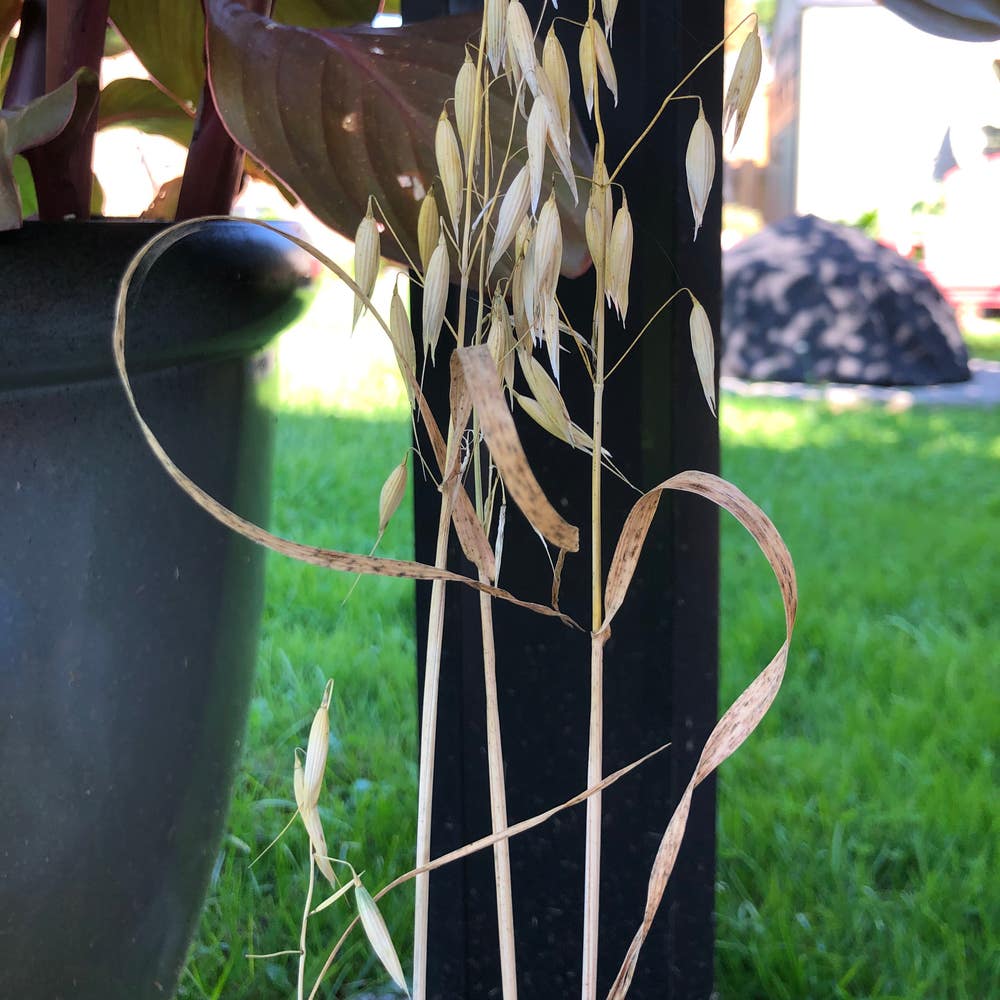
Low humidity may cause the plant's blades to fold along their centers, appearing thinner. This is a sign the plant is not getting enough moisture from the air. On the other hand, excessive humidity can lead to a different set of problems, such as black spots or a mushy base, indicating too much moisture. Keep an eye out for these symptoms and adjust your humidity strategies accordingly.
Making Sense of Humidity for Your Plant
🌿 Relative Humidity and Your Flatsedge
Relative humidity (RH) is the percentage that measures water vapor in the air relative to the maximum it can hold at a given temperature. For your Straw-colored Flatsedge, RH is a big deal. Too low, and the leaves might crisp up like overcooked bacon. Too high, and you're setting the stage for a fungal free-for-all. It's about finding that humidity sweet spot where your Flatsedge can thrive.
📏 Measuring Up
To avoid playing a guessing game with your plant's health, you'll want to invest in a hygrometer. This nifty tool will become your go-to for real-time RH readings. Place it near your plant, but dodge direct sunlight or drafts, which can throw off the accuracy. If you notice your Flatsedge's leaves looking as sad as a forgotten birthday, or perhaps a bit too perky, like they've had too much coffee, it's time to check the RH and make necessary adjustments. Remember, consistency is key—your Flatsedge craves stability like a hermit craves solitude.
Boosting Humidity: Straw-colored Flatsedge Edition
🌴 Creating a Tropical Haven
Humidifiers are the go-to gadget for creating a rainforest-like atmosphere. They pump out a fine mist, increasing the air moisture to levels your Straw-colored Flatsedge will adore. Placement is key; position the humidifier close enough to affect the plant's environment but not so close that it turns your living space into a steam room.
Pebble trays are a classic hack for upping humidity. Just fill a tray with water, add a layer of pebbles, and place your plant on top. The water evaporates, wrapping your Flatsedge in a gentle, moist embrace. Remember, the pot should sit above the water to avoid soggy roots.
🌿 Group Therapy
Grouping plants together isn't just for aesthetics; it's a strategic move for moisture. Each plant releases water vapor, which accumulates to create a communal humid zone. It's like a microclimate mixer where everyone's sipping on the same moist air.
Space-saving tip: If your urban jungle is tight on space, think vertically. Shelving units can help you cluster plants without eating up your floor space. Just ensure there's enough room for air to circulate, preventing that dreaded fungal fiesta.
When There's Too Much Moisture in the Air
🌬️ Clearing the Air
High humidity can turn your plant's paradise into a moldy mess. To combat this, a dehumidifier is your go-to gadget. It's the gatekeeper, ensuring the air around your Straw-colored Flatsedge isn't saturated with unwanted moisture.
Remember, it's not about turning your home into a desert. Adjust the dehumidifier to maintain a comfortable humidity level for your plant, avoiding the extremes that could stress it out. Keep an eye on the humidity readings; it's a balancing act.
💨 Ventilation and Air Flow
Stale air is the enemy. Crack a window or get a fan going to mimic a gentle breeze. This isn't just for your plant's well-being; it's a necessity. An open window or a strategically placed fan can make all the difference, ensuring your Flatsedge isn't suffocating in stagnant air.
📍 Plant Placement Perfection
Location is everything. Keep your Straw-colored Flatsedge away from high-moisture areas like the kitchen or bathroom. Instead, find a spot where air circulates naturally, perhaps near an occasionally opened window or in a room with good airflow.
Remember, every space is unique. A small room might need more help to reduce humidity than a large, airy one. Tailor your approach to the size and layout of your plant's environment, and you'll strike the right balance.
⚠️ Safety First
This content is for general information and may contain errors, omissions, or outdated details. It is not medical, veterinary advice, or an endorsement of therapeutic claims.
Always consult a qualified healthcare professional before using any plant as food, medicine, or supplement.
Never eat any plant (or feed one to pets) without confirming its identity with at least two trusted sources.
If you suspect poisoning, call Poison Control (800) 222-1222, the Pet Poison Helpline (800) 213-6680, or your local emergency service immediately.
Spotted an error? Please report it here.
Keep your Straw-colored Flatsedge thriving 🌿 by using Greg to monitor and adjust your plant's humidity, ensuring it's just right.