☀️ How to Cure Yellow Leaves on Your Silver Star Helichrysum
Helichrysum 'Weshechrsisti' PPAF
By the Greg Editorial Team
Oct 04, 2024•5 min read
This article was created with the help of AI so we can cover more plants for you. May contain errors. See one? Report it here.
Transform yellowing leaves into lush greenery 🌱 with these vital tips for nurturing your Silver Star Helichrysum!
- 🌱 Yellow leaves indicate nutrient deficiencies, especially nitrogen and iron.
- 💧 Overwatering or underwatering causes yellowing; maintain a consistent watering schedule.
- ☀️ Ensure 6-8 hours of sunlight daily to prevent stretching and yellow leaves.
Causes of Yellow Leaves
🌱 Nutrient Deficiencies
Nitrogen Deficiency
Nitrogen deficiency is a common issue that manifests as general yellowing of older leaves and stunted growth. This nutrient is vital for chlorophyll production, which directly impacts the plant's vigor and health.
Iron Deficiency
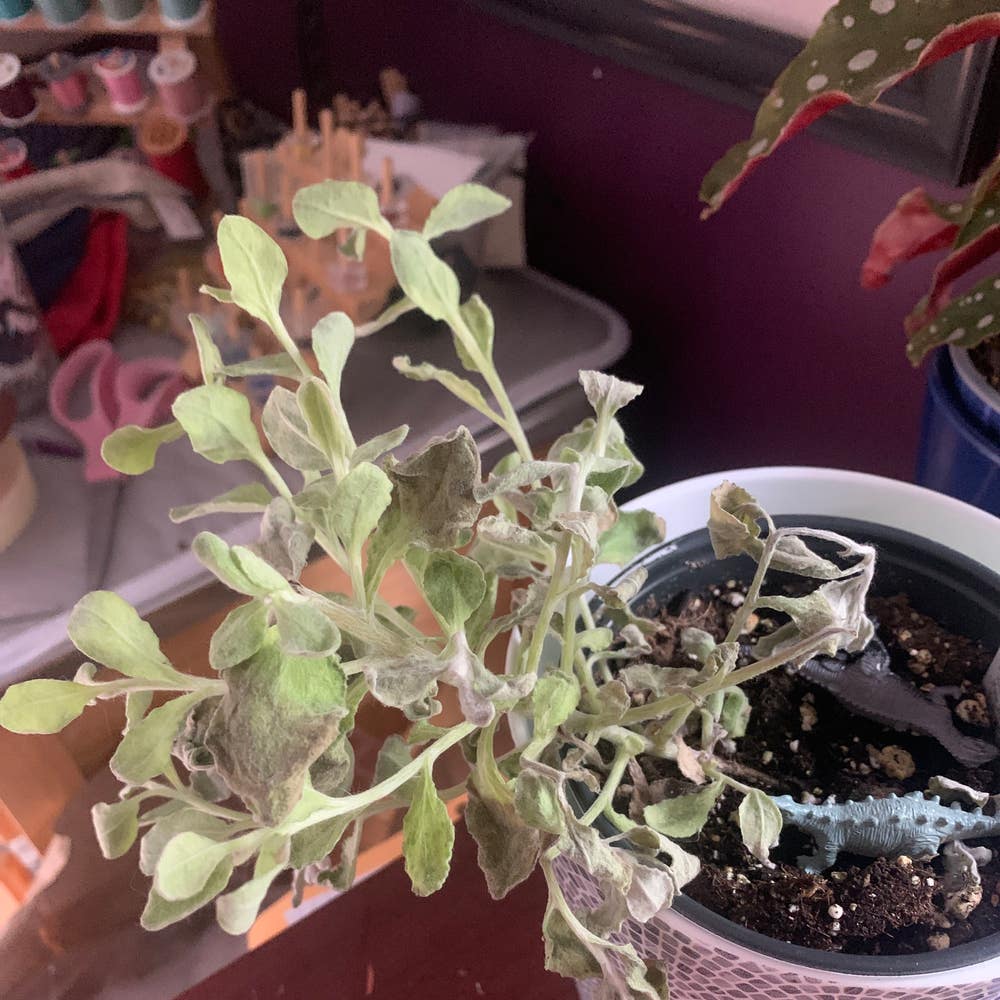
Iron deficiency presents itself through yellowing between leaf veins, while the veins themselves remain green, a condition known as interveinal chlorosis. Iron plays a crucial role in photosynthesis and enzyme function, making its presence essential for a thriving Silver Star Helichrysum.
💧 Watering Issues
Overwatering Effects
Overwatering can lead to yellowing leaves, wilting, and even root rot. Since Silver Star Helichrysum is sensitive to excess moisture, maintaining proper watering practices is crucial for healthy root development.
Underwatering Effects
On the flip side, underwatering results in dry, crispy leaves, yellowing, and potential leaf drop. Insufficient water stresses the plant, causing it to exhibit these distress signals.
🌞 Environmental Factors
Light Exposure
Insufficient sunlight can cause yellowing leaves, as the plant stretches towards available light. Silver Star Helichrysum thrives in full sun, requiring 6 to 8 hours of direct sunlight daily to flourish.
Temperature Stress
Extreme temperatures can also lead to yellowing leaves. Ideally, this plant prefers a temperature range of 20°C to 30°C (68°F to 86°F) for optimal growth and health.
Understanding these causes is the first step in addressing yellow leaves on your Silver Star Helichrysum. Next, we will explore how to diagnose these issues effectively.
Diagnosing Yellow Leaves
👀 Visual Symptoms to Look For
When diagnosing yellow leaves on your Silver Star Helichrysum, start by assessing the overall plant appearance. Look for uniformity in yellowing and check the leaf texture for any irregularities.
Next, identify specific leaf patterns. Pay attention to whether older leaves are yellowing more than new growth, as this can indicate different underlying issues.
💧 How to Assess Soil Moisture
To determine if your plant is getting the right amount of water, follow these simple steps:
- Insert a finger 1-2 inches into the soil.
- Check for moisture: Dry soil suggests underwatering, while soggy soil indicates overwatering.
- For more precise readings, consider using a moisture meter.
🐛 Identifying Pests and Diseases
Pests can also contribute to yellowing leaves, so be vigilant. Common culprits include aphids, spider mites, and whiteflies.
Look for signs of infestation, such as sticky residue, webbing, or visible insects on the leaves. Additionally, keep an eye out for fungal diseases; signs of mold or rot are especially concerning in damp conditions.
By carefully observing these symptoms, you can effectively diagnose the cause of yellow leaves and take appropriate action. This proactive approach sets the stage for healthier plants and a more vibrant garden.
Next, let’s explore how to treat those yellow leaves effectively.
Treating Yellow Leaves
🌊 Adjusting Watering Practices
Establishing a consistent watering schedule is crucial for your Silver Star Helichrysum. Check the soil moisture regularly to determine when to water.
Water deeply but infrequently to encourage robust root growth. This method helps the plant develop a strong foundation, making it more resilient.
Allow the soil to dry out between waterings to prevent root rot. This practice ensures that your plant gets the right balance of moisture.
🌱 Fertilization Techniques
Using a balanced fertilizer rich in nitrogen and iron can significantly improve your plant's health. Apply it during the growing season—spring and summer—every 4-6 weeks for optimal results.
Always follow the package instructions for dosage to avoid over-fertilization. Too much fertilizer can do more harm than good, leading to further yellowing.
🪴 Soil Amendments for Drainage
Incorporating perlite or sand into the soil can enhance drainage. This is particularly important for Silver Star Helichrysum, which is sensitive to excess moisture.
Ensure that your pots have drainage holes to prevent water accumulation. Proper drainage is essential for maintaining healthy roots.
🐞 Pest Management Strategies
For pest control, consider using insecticidal soap or neem oil. These options are effective and less harmful to beneficial insects.
Introducing beneficial insects like ladybugs can help manage aphid populations naturally. Regular inspections for early signs of pest issues can save your plant from significant damage.
By implementing these treatment strategies, you can restore your Silver Star Helichrysum to its vibrant self. Next, let’s explore how to prevent yellow leaves from occurring in the first place.
Preventing Yellow Leaves
Best Practices for Watering 🌊
Watering your Silver Star Helichrysum correctly is crucial. Start by watering early in the morning to minimize evaporation and ensure your plant gets the moisture it needs.
Use the "soak and dry" method. This means watering thoroughly and then allowing the soil to dry out completely before the next watering. This approach encourages healthy root growth and prevents overwatering.
Ideal Soil Conditions 🌱
The right soil can make all the difference. Use well-draining soil with a pH of 6.0 to 7.0 to keep your plant thriving.
Consider a cactus or succulent mix for optimal drainage. This type of soil helps prevent water accumulation, which can lead to yellow leaves.
Proper Sunlight Exposure ☀️
Light is essential for your plant's health. Position your Silver Star Helichrysum in areas that receive full sun for at least 6 hours daily.
Don't forget to rotate your pots occasionally. This ensures even light exposure, helping all sides of the plant grow uniformly.
Seasonal Care Tips 🍂
Adjusting your care routine with the seasons is key. Water less frequently in winter when the plant's growth slows down.
Additionally, protect your plants from extreme weather conditions. Shield them from frost or heat waves to maintain their health and vibrancy.
By following these preventive measures, you can keep your Silver Star Helichrysum looking lush and green. Next, let’s explore how to treat yellow leaves effectively if they do appear.
⚠️ Safety First
This content is for general information and may contain errors, omissions, or outdated details. It is not medical, veterinary advice, or an endorsement of therapeutic claims.
Always consult a qualified healthcare professional before using any plant as food, medicine, or supplement.
Never eat any plant (or feed one to pets) without confirming its identity with at least two trusted sources.
If you suspect poisoning, call Poison Control (800) 222-1222, the Pet Poison Helpline (800) 213-6680, or your local emergency service immediately.
Spotted an error? Please report it here.
Revive your Silver Star Helichrysum's vibrancy 🌟 by using Greg's tailored care tips and reminders to meet its unique needs for sunlight, watering, and nutrients!