⭐ 10 Facts About Silver Star Helichrysum Lifecycle
Helichrysum 'Weshechrsisti' PPAF
By the Greg Editorial Team
Oct 04, 2024•4 min read
This article was created with the help of AI so we can cover more plants for you. May contain errors. See one? Report it here.
Cultivate stunning Silver Star Helichrysum 🌼 by mastering its growth stages for a vibrant garden transformation!
- 🌱 Silver Star Helichrysum germinates in 7-14 days under optimal conditions.
- ☀️ Full sun exposure of 6-8 hours is essential for healthy growth.
- 🌼 Flowering lasts 4-6 weeks, attracting pollinators and enhancing garden beauty.
Germination Stage
🌱 Duration of Germination
The germination period for Silver Star Helichrysum typically spans 7 to 14 days. For optimal results, maintain a temperature between 70°F to 75°F (21°C to 24°C).
🌿 Conditions for Successful Germination
To ensure successful germination, focus on the following conditions:
Soil Type
Use well-draining sandy or loamy soil. This type of soil helps prevent waterlogging, which can hinder seed development.
Moisture Level
Keep the soil consistently moist, but avoid overwatering. Too much moisture can lead to rot, while too little can stall germination.
Light Exposure
Provide indirect sunlight to prevent overheating. Direct sunlight can scorch the delicate seeds and impede their growth.
By paying attention to these factors, you can set the stage for a healthy start to your Silver Star Helichrysum's lifecycle. This foundational stage is crucial for the plant's future growth and development.
Next, we’ll explore the seedling stage, where the plant begins to show its unique characteristics.
Seedling Stage
🌱 Characteristics of Seedlings
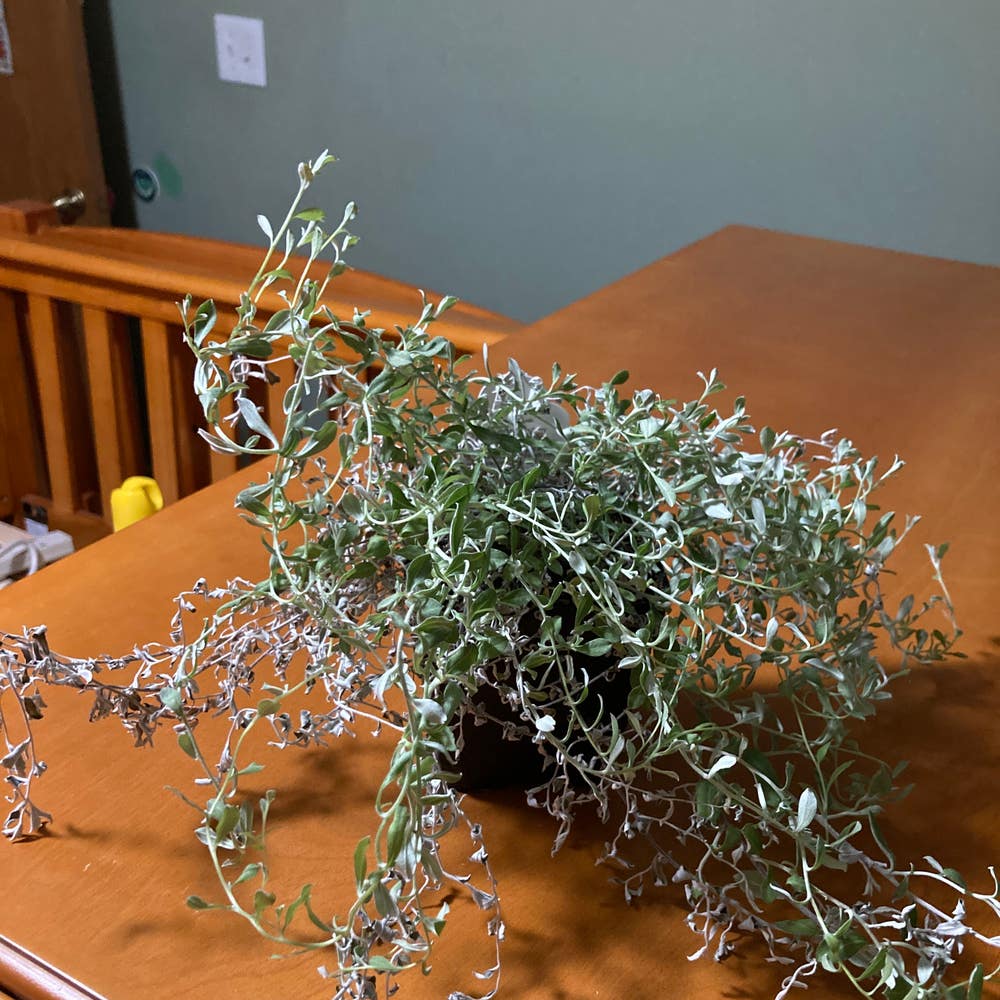
The seedlings of Silver Star Helichrysum are a sight to behold. They feature small, delicate leaves that shimmer with a silvery hue, giving them a unique charm.
At this stage, they typically stand about 2-4 inches tall. Their root systems are just beginning to establish, laying the groundwork for future growth.
⏳ Duration of the Seedling Stage
This stage usually lasts between 2 to 4 weeks. You’ll know your seedlings are ready for transplanting when they develop 2-3 sets of true leaves.
As you nurture these young plants, keep an eye on their growth. The transition from seedling to a more robust plant is an exciting part of the lifecycle.
In the next section, we’ll explore the vegetative growth stage, where these seedlings will flourish into bushy plants.
Vegetative Growth Stage
🌱 Description of Vegetative Growth
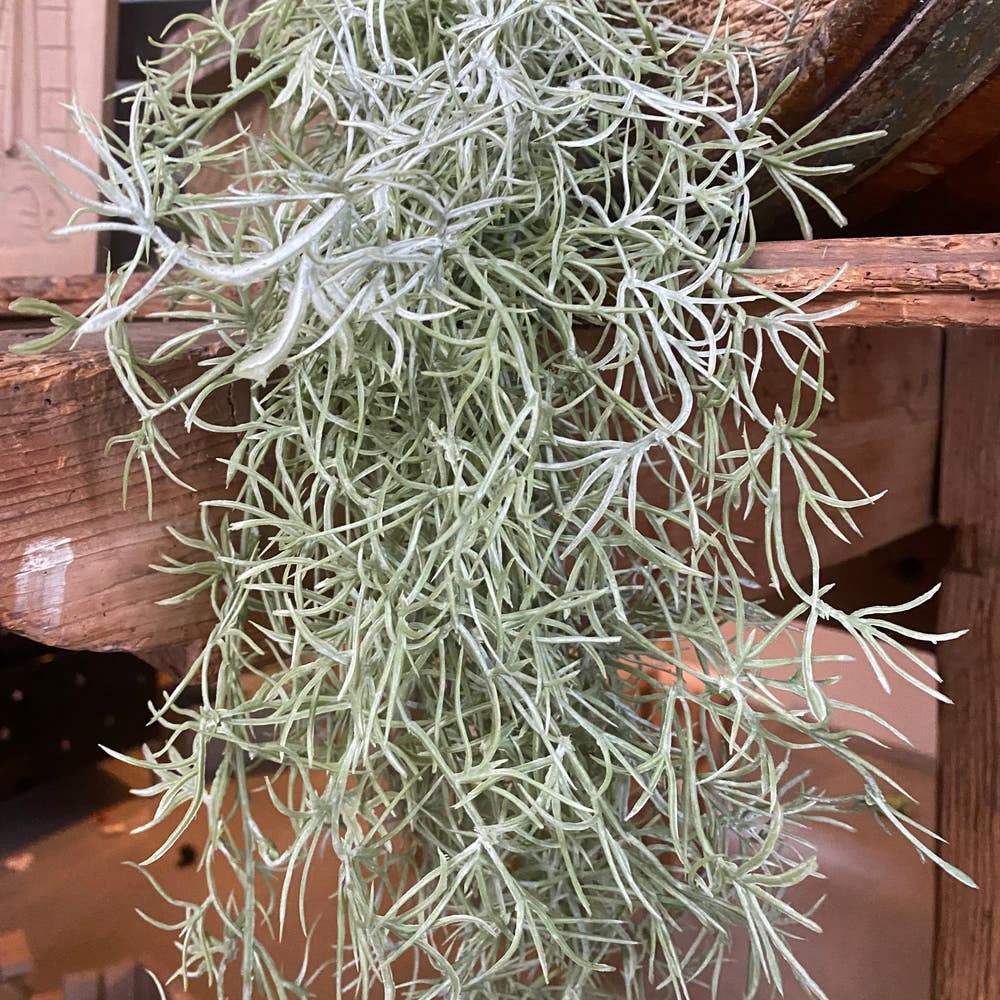
During the vegetative growth stage, Silver Star Helichrysum showcases a bushy appearance, characterized by dense foliage. This stage sees the plant grow to an impressive height of 12-18 inches.
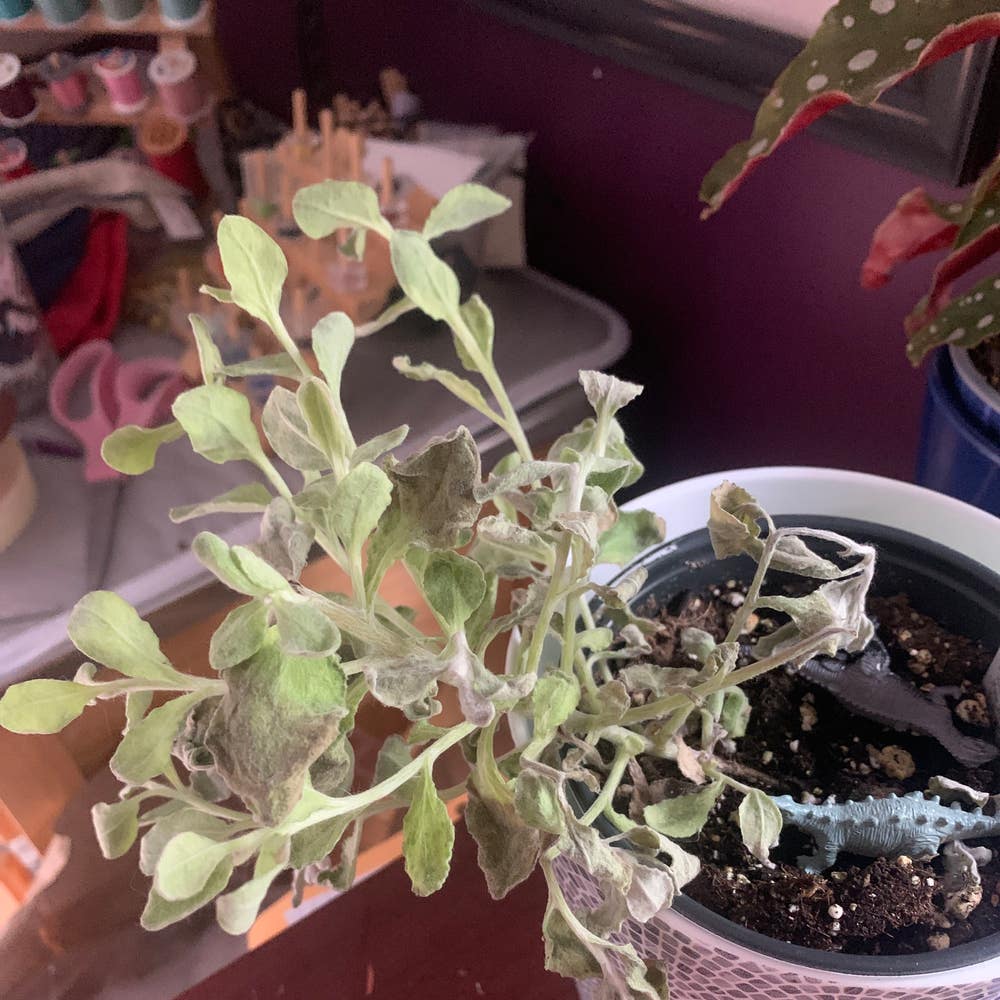
The leaf texture evolves significantly, transitioning from soft, delicate leaves to a more textured surface as the plant matures. This change not only enhances its visual appeal but also indicates a healthy, thriving plant.
⏳ Duration and Conditions for Optimal Growth
The vegetative growth stage typically lasts between 4 to 8 weeks. To ensure optimal growth, the plant requires full sun exposure, ideally receiving 6-8 hours of sunlight daily.
Watering needs are moderate; it's essential to allow the soil to dry out between waterings. This balance prevents overwatering, which can hinder growth and lead to root issues.
As the plant flourishes in this stage, it sets the foundation for the upcoming flowering phase, where its vibrant blooms will soon take center stage.
Flowering Stage
Timing of Flowering 🌼
The flowering stage of the Silver Star Helichrysum typically occurs from late spring to early summer. This vibrant display lasts for about 4 to 6 weeks, showcasing the plant's beauty at its peak.
Characteristics of Flowers 🌻
During this stage, the flowers burst forth in a vibrant yellow hue, making them a magnet for pollinators. These small, daisy-like blooms are not only visually appealing but also long-lasting, adding a splash of color to any garden.
The flowering stage is crucial for the plant's lifecycle, as it sets the stage for seed production. Understanding this phase helps gardeners appreciate the beauty and function of the Silver Star Helichrysum in their landscapes.
As we transition to the next stage, let's explore how this plant produces seeds and the conditions necessary for their maturation.
Seed Production Stage
🌼 Process of Seed Production
Pollination is a crucial step in the seed production of Silver Star Helichrysum. Primarily facilitated by insects, this process leads to the formation of seeds within the flower heads.
After pollination, seeds begin to develop in the flower heads. This transformation is vital for the continuation of the plant's lifecycle.
⏳ Duration and Conditions for Seed Maturation
The maturation of seeds typically takes about 4-6 weeks after flowering. During this period, dry and sunny conditions are essential to ensure seed viability.
Proper environmental conditions help the seeds develop fully, preparing them for the next generation.
📈 Overall Lifespan and Growth Rate
From seed to full maturity, Silver Star Helichrysum usually takes around 6-12 months. Several factors influence this timeline, including soil quality, water availability, and light exposure.
As the plant matures, notable changes occur in its foliage texture and color. You'll see a transition from vegetative growth to flowering and seed production, emphasizing its reproductive cycle in later stages.
This plant can live for several years, showcasing its resilience and adaptability. Understanding these stages not only enhances your gardening skills but also deepens your appreciation for this remarkable plant.
Next, we will explore the fascinating characteristics of the flowering stage, where beauty and function come together.
⚠️ Safety First
This content is for general information and may contain errors, omissions, or outdated details. It is not medical, veterinary advice, or an endorsement of therapeutic claims.
Always consult a qualified healthcare professional before using any plant as food, medicine, or supplement.
Never eat any plant (or feed one to pets) without confirming its identity with at least two trusted sources.
If you suspect poisoning, call Poison Control (800) 222-1222, the Pet Poison Helpline (800) 213-6680, or your local emergency service immediately.
Spotted an error? Please report it here.
Master the lifecycle of Silver Star Helichrysum 🌱 with Greg's personalized watering plans and reminders, ensuring your plants flourish from seed to vibrant bloom!