Ultimate Guide to Root Rot in Silver Star Helichrysum
Helichrysum 'Weshechrsisti' PPAF
By the Greg Editorial Team
Oct 04, 2024•6 min read
This article was created with the help of AI so we can cover more plants for you. May contain errors. See one? Report it here.
Revive your Silver Star Helichrysum from root rot with these essential tips for thriving plants! 🌱
- 🌱 Key symptoms of root rot include yellowing leaves, wilting, and stunted growth.
- 🔍 Inspect roots for dark, mushy areas and foul odors to identify root rot.
- 💧 Prevent root rot by using well-draining soil and adjusting your watering frequency.
Identifying Root Rot Symptoms
👀 Visual Signs
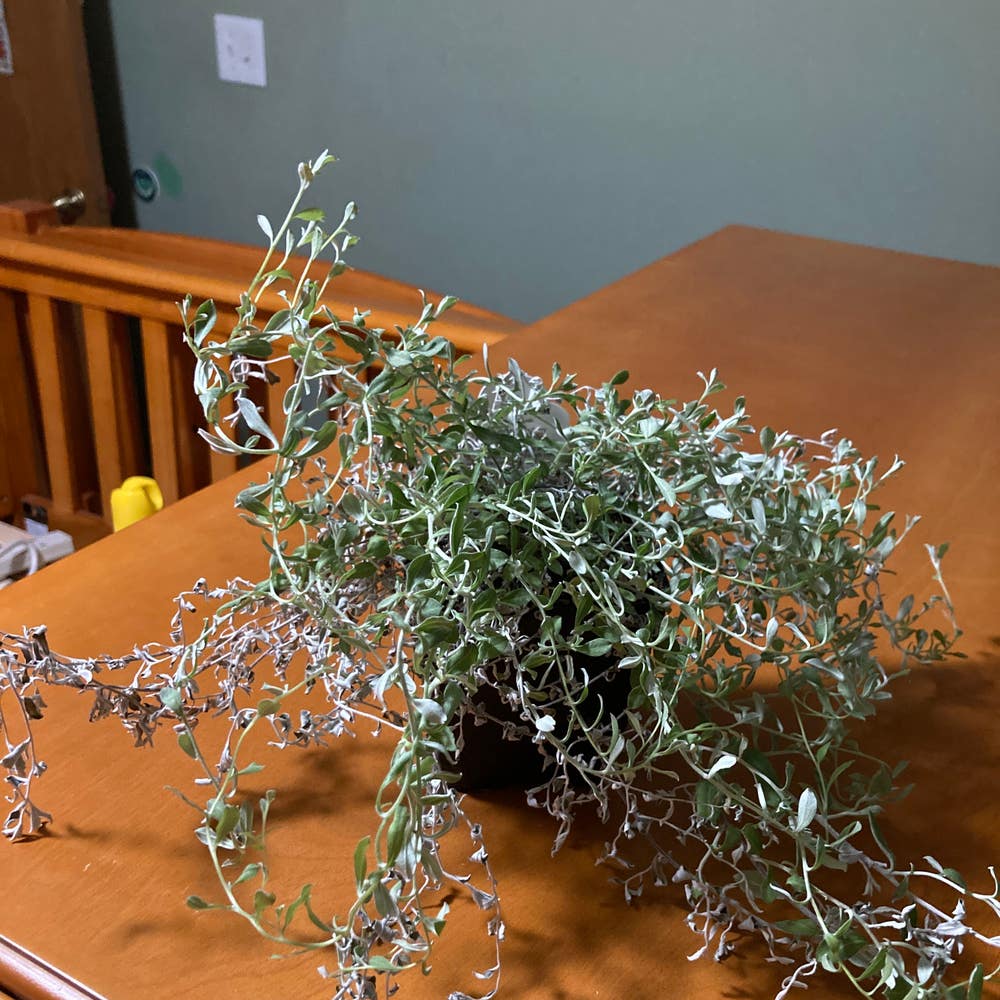
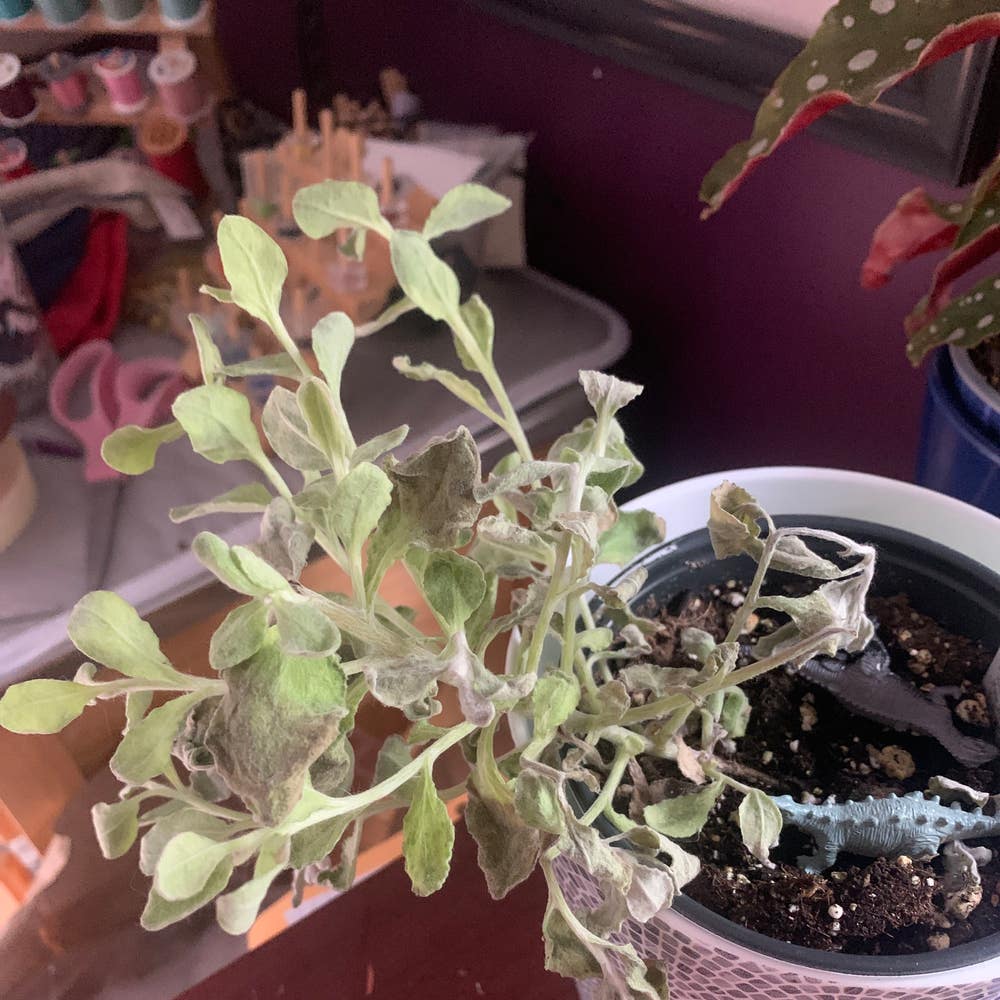
Recognizing root rot starts with observing your Silver Star Helichrysum. Yellowing leaves often signal a nutrient deficiency, indicating that something is off with the roots.
Wilting can be misleading; if your plant is wilting despite adequate watering, it may be losing turgor pressure due to root issues. Additionally, stunted growth is a clear sign of overall decline in plant vigor, suggesting that the roots are struggling.
🔍 Root Inspection Techniques
To diagnose root rot accurately, you need to inspect the roots. Start by safely removing the plant from its pot; gently loosen the soil around the edges to avoid damaging the roots.
Look for unhealthy roots—they should be dark, mushy, or emit a foul smell. This visual inspection is crucial for early detection, allowing you to take action before the problem escalates.
⚠️ Distinguishing from Other Issues
Root rot can easily be confused with other plant issues. For instance, pests or nutrient deficiencies can present similar symptoms, but there are key differences.
Symptoms and root appearance vary significantly. While pests may cause leaf damage, root rot typically shows unhealthy roots. Accurate diagnosis is essential for effective treatment, so pay close attention to these differences.
Understanding these signs will empower you to act swiftly, ensuring your Silver Star Helichrysum remains healthy and vibrant. Next, we’ll explore how to prevent root rot from occurring in the first place.
Preventing Root Rot
🌊 Importance of Proper Soil Drainage
Well-draining soil is crucial for the health of your Silver Star Helichrysum. Look for soil that is light and airy, allowing excess water to escape easily.
Aeration plays a vital role in preventing root rot. It ensures that air reaches the roots, promoting healthy growth and reducing the risk of fungal infections.
To improve drainage, consider adding amendments like perlite or coarse sand. These materials enhance soil structure, allowing for better water flow and root health.
🪴 Recommended Potting Mixes
For an ideal potting mix, combine perlite, sand, and compost. This blend offers excellent drainage while providing essential nutrients.
If you're feeling adventurous, try this DIY potting mix recipe: mix equal parts of perlite, sand, and compost. This combination will create a perfect environment for your Helichrysum.
Commercial potting mixes are also available, specifically designed for plants like Helichrysum. Look for those labeled as "well-draining" or "cactus mix" for optimal results.
💧 Watering Practices
Watering frequency is key for Silver Star Helichrysum. Generally, allow the top inch of soil to dry out before watering again.
To determine when to water, check the soil moisture levels. Stick your finger into the soil; if it feels dry, it’s time to water.
For effective watering, consider deep watering rather than surface watering. This technique encourages roots to grow deeper, enhancing overall plant health.
By following these practices, you can significantly reduce the risk of root rot and keep your Silver Star Helichrysum thriving. Next, let’s explore how to treat root rot if it does occur.
Treating Root Rot
🌱 Step-by-Step Guide
Assess the extent of root damage: Start by carefully examining your Silver Star Helichrysum. Look for signs of decay or discoloration in the roots.
Remove the plant from its pot and inspect roots: Gently take the plant out of its pot, being cautious not to damage the roots further. This step is crucial for a thorough inspection.
Trim away affected roots using sterilized tools: Use sterilized scissors or pruning shears to cut away any dark, mushy, or foul-smelling roots. This helps prevent the spread of rot.
Allow the plant to dry for a few hours before repotting: Let the plant sit in a shaded area to dry out slightly. This helps the remaining healthy roots recover before replanting.
🪴 How to Repot
Choose a clean pot with drainage holes: Select a pot that’s free from contaminants and has adequate drainage. This is vital for preventing future root rot.
Prepare a well-draining potting mix: Use a mix that includes components like perlite and sand to enhance drainage. This will create an environment less conducive to rot.
Position the plant in the new pot and fill with soil: Place the plant in the center of the new pot and gently fill around it with your prepared mix. Ensure the roots are well-covered but not buried too deep.
Water lightly to settle the soil, avoiding overwatering: After repotting, give the plant a light watering. This helps settle the soil without saturating it.
🧪 Recommended Treatments
Types of fungicides effective against root rot pathogens: Look for fungicides specifically designed to combat root rot. Products containing ingredients like azoxystrobin or propiconazole are often effective.
Application methods and timing for best results: Follow the manufacturer’s instructions for application. Typically, applying fungicide after repotting can help protect the plant during recovery.
Organic alternatives for treating root rot: If you prefer organic options, consider using neem oil or a baking soda solution. These can help manage root rot without harsh chemicals.
By following these steps, you can effectively treat root rot and give your Silver Star Helichrysum a fighting chance. Next, let’s explore how to monitor recovery and adjust care practices to ensure your plant thrives.
Post-Treatment Care
Monitoring Recovery 🌱
After treatment, keep an eye out for signs of recovery. Look for new growth and improved leaf color, which indicate that your Silver Star Helichrysum is bouncing back.
Regular inspections are crucial during this phase. Check the plant frequently to ensure it’s responding well to the care adjustments you’ve made.
Adjusting Care Practices 🔧
To prevent root rot from recurring, consider modifying your watering schedule. This means watering less frequently but more deeply, allowing the soil to dry out between sessions.
Maintaining optimal environmental conditions is also key. Ensure your plant has adequate light and temperature to thrive.
Don’t forget to perform regular soil checks. This will help you confirm that drainage remains effective and that the roots are not sitting in water.
Signs of Successful Recovery 🌟
Indicators of a healthy root system include firm, white roots. These are a good sign that your plant is regaining strength.
You should also notice an overall improvement in the plant's appearance and vigor. A resilient plant will show better tolerance to environmental stressors after treatment.
With these steps, you can nurture your Silver Star Helichrysum back to health and enjoy its vibrant beauty once again. Next, we’ll explore how to effectively treat root rot when it strikes.
⚠️ Safety First
This content is for general information and may contain errors, omissions, or outdated details. It is not medical, veterinary advice, or an endorsement of therapeutic claims.
Always consult a qualified healthcare professional before using any plant as food, medicine, or supplement.
Never eat any plant (or feed one to pets) without confirming its identity with at least two trusted sources.
If you suspect poisoning, call Poison Control (800) 222-1222, the Pet Poison Helpline (800) 213-6680, or your local emergency service immediately.
Spotted an error? Please report it here.
Keep your Silver Star Helichrysum thriving 🌱 by mastering root rot prevention with Greg's tailored watering reminders and expert soil tips for a resilient plant!