5 Ways to Protect Silver Star Helichrysum from Bugs 🐛
Helichrysum 'Weshechrsisti' PPAF
By the Greg Editorial Team
Oct 04, 2024•7 min read
This article was created with the help of AI so we can cover more plants for you. May contain errors. See one? Report it here.
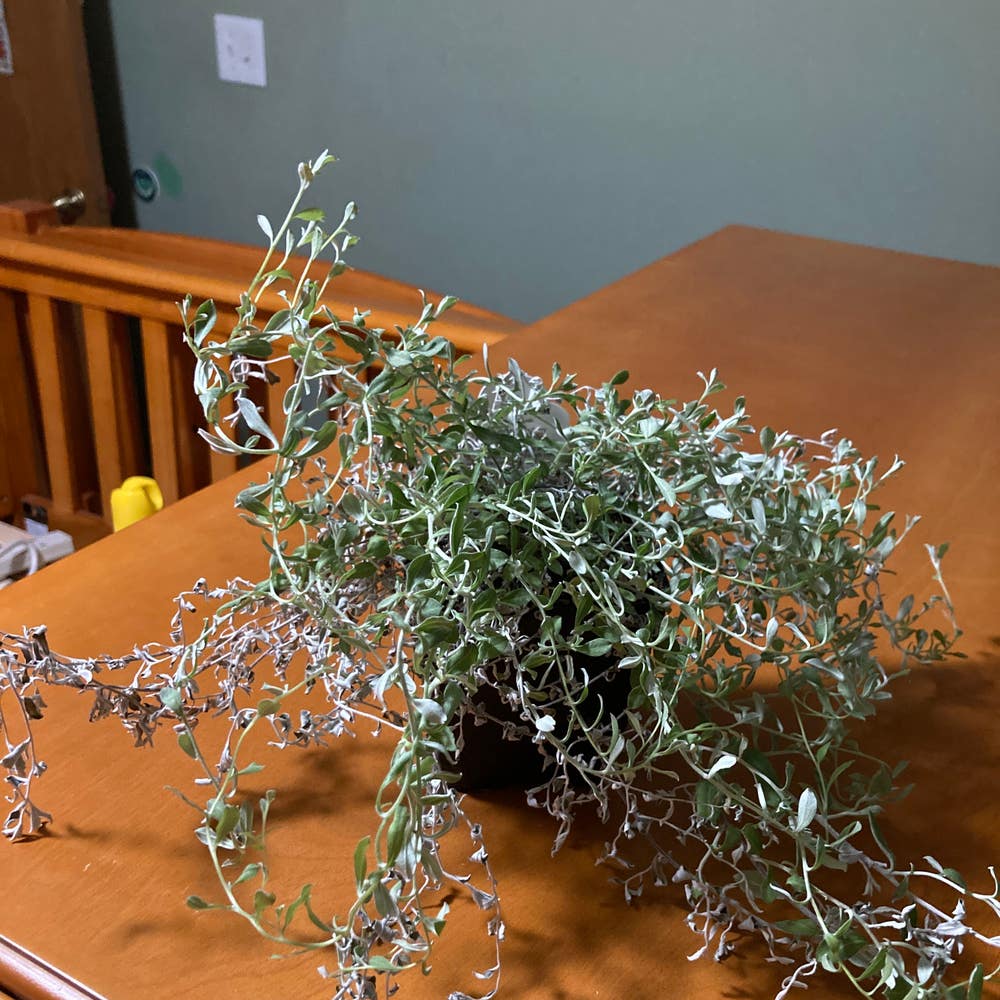
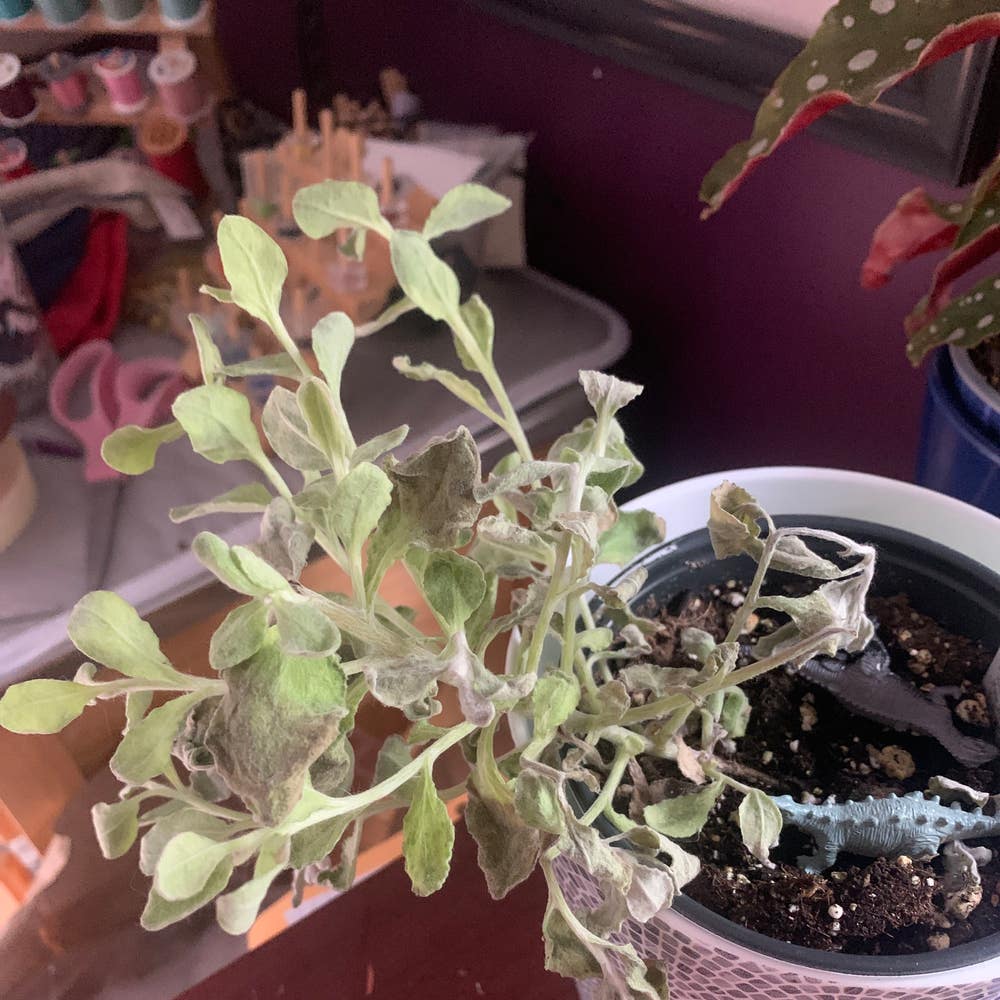
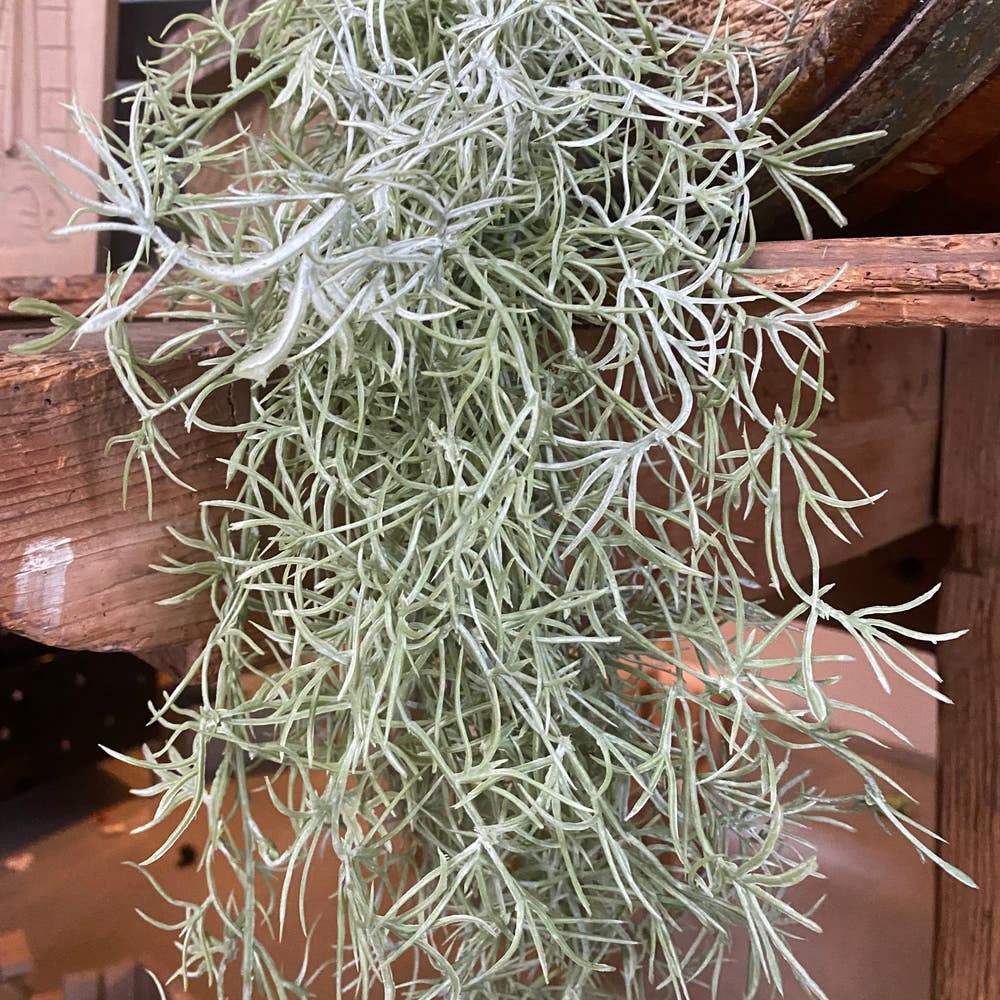
Safeguard your Silver Star Helichrysum from pests and cultivate a vibrant garden with these expert tips! 🌱
- 🐛 Identify common pests like spider mites and aphids to protect Silver Star Helichrysum.
- 🌱 Use organic solutions such as neem oil for effective pest control without chemicals.
- 🔍 Regular monitoring and early detection are key to preventing larger pest infestations.
Common Pests
🕷️ Spider Mites
Identification
Spider mites are tiny, spider-like pests that can appear red or green. You might notice fine webbing on the leaves, which is a telltale sign of their presence.
Damage Caused
These pests can cause yellowing and stippling of leaves, leading to premature leaf drop. If left unchecked, they can significantly weaken your Silver Star Helichrysum.
Treatment Options
For chemical treatment, consider using miticides specifically designed for spider mites. On the organic side, neem oil, insecticidal soap, and increasing humidity can help manage their population.
🐢 Scale Insects
Identification
Scale insects are small, oval-shaped pests that often have a waxy coating, appearing in brown or white. Sticky leaves are another indicator, as they excrete honeydew.
Damage Caused
These insects suck sap from the stems and leaves, weakening the plant and stunting its growth. Their feeding can lead to significant health issues for your Silver Star Helichrysum.
Treatment Options
Chemical options include systemic insecticides that target scale insects effectively. For an organic approach, rubbing alcohol on a cotton swab or insecticidal soap can be quite effective.
🐛 Mealybugs
Identification
Mealybugs have a distinctive white, cottony appearance on stems and leaf joints. You may also notice a sticky residue, known as honeydew, around the affected areas.
Damage Caused
These pests sap plant juices, which can lead to wilting. Additionally, their presence can encourage the growth of sooty mold, further harming your plant.
Treatment Options
Chemical treatments involve insecticides that target soft-bodied insects. Alternatively, organic solutions like neem oil and diatomaceous earth can help keep mealybugs at bay.
🐜 Aphids
Identification
Aphids are small, soft-bodied insects that can be green, black, or yellow. They often cluster on new growth and the undersides of leaves.
Damage Caused
These pests can cause curling leaves and stunted growth. They are also known to transmit plant viruses, which can be detrimental to your Silver Star Helichrysum.
Treatment Options
For chemical control, broad-spectrum insecticides can be effective. On the organic side, introducing ladybugs or using neem oil and insecticidal soap can help manage their numbers.
🦋 Whiteflies
Identification
Whiteflies are tiny, moth-like insects that fly away when disturbed. They lay eggs on the undersides of leaves, which can be a nuisance.
Damage Caused
These pests can cause yellowing leaves and reduced vigor in your plant. Their honeydew secretion can also lead to sooty mold, further compromising plant health.
Treatment Options
Chemical treatments specifically designed for whiteflies can be effective. Alternatively, yellow sticky traps and insecticidal soap are good organic options.
🐞 Weevils
Identification
Weevils are small, elongated beetles with distinctive snouts. You may notice small holes in leaves, indicating their presence.
Damage Caused
These pests chew on leaves and roots, leading to significant plant stress. Their feeding can severely impact the overall health of your Silver Star Helichrysum.
Treatment Options
For chemical control, targeted insecticides for beetles are recommended. On the organic side, handpicking and neem oil can help manage weevil populations.
🦟 Fungus Gnats / Fruit Flies
Identification
Fungus gnats are small, dark flies often seen flying around the soil. Their larvae are tiny, white, and live in the soil, feeding on roots.
Damage Caused
The larvae can cause root damage, leading to stunted growth and yellowing leaves. This can be particularly harmful to your Silver Star Helichrysum.
Treatment Options
Chemical options include soil drench insecticides. For organic solutions, allowing the soil to dry out and introducing beneficial nematodes can effectively control their population.
By understanding these common pests and their impacts, you can take proactive steps to protect your Silver Star Helichrysum. Next, let’s explore how to enhance the plant's natural resistance against these pests.
Pest Resistance
Natural Resistance Characteristics 🌿
Silver Star Helichrysum boasts strong essential oils that act as a natural deterrent against various pests. These oils not only repel unwanted visitors but also contribute to the plant's overall health.
Additionally, its drought tolerance plays a crucial role in reducing pest prevalence. When plants are resilient to dry conditions, they become less appealing to pests that thrive in moist environments.
Pests Less Likely to Affect 🐞
Certain pests tend to steer clear of Silver Star Helichrysum due to its unique characteristics. For instance, aphids and mealybugs are less likely to infest this plant, thanks to its robust essential oils and drought-resistant traits.
Understanding these natural resistances can empower you as a gardener. By choosing plants with inherent pest resistance, you can create a thriving garden ecosystem with fewer chemical interventions.
This knowledge sets the stage for effective prevention strategies, ensuring your Silver Star Helichrysum remains healthy and vibrant.
Prevention Strategies
🛡️ Preventative Measures
Regular monitoring is your first line of defense against pests. By keeping a close eye on your Silver Star Helichrysum, you can catch any signs of trouble early.
Healthy soil is crucial for plant vitality. Ensure you're watering appropriately and providing the right nutrients to keep your plant strong and resilient.
🧼 Plant Hygiene and Inspection
Cleanliness is key! Regularly remove fallen leaves and debris around your plant to minimize pest habitats. This simple act can significantly reduce the chances of infestations.
Don't forget to inspect the undersides of leaves and stems. Pests often hide there, so a quick check can save you from bigger problems down the line.
By implementing these strategies, you can create a robust environment for your Silver Star Helichrysum, making it less inviting for pests. Next, let’s explore general pest management techniques to further safeguard your plant.
General Pest Management
🌱 Integrated Pest Management (IPM) Principles
Integrated Pest Management (IPM) is a holistic approach that combines biological, cultural, and chemical practices to manage pests effectively. By understanding pest life cycles, you can implement targeted strategies that minimize damage while promoting a healthier environment for your Silver Star Helichrysum.
🚨 Early Detection and Intervention
Timely action is crucial in pest management. Early detection can prevent minor issues from escalating into full-blown infestations, saving your plants from significant harm. Regularly inspecting your plants allows you to catch problems before they spiral out of control.
🌍 Benefits of IPM
- Sustainability: IPM promotes long-term pest control solutions that are environmentally friendly.
- Cost-Effectiveness: By reducing reliance on chemical treatments, you can save money while maintaining plant health.
- Biodiversity: Encouraging natural predators helps maintain a balanced ecosystem in your garden.
🛠️ Practical Steps for Implementation
- Monitor Regularly: Keep an eye on your plants for any signs of pests or damage.
- Identify Pests: Knowing what you're dealing with is half the battle. Use visual cues to differentiate between pests.
- Choose Your Methods: Decide whether to use biological, cultural, or chemical methods based on the pest and the severity of the infestation.
By adopting these IPM principles, you can create a proactive pest management strategy that keeps your Silver Star Helichrysum thriving. This approach not only protects your plants but also fosters a healthier garden ecosystem.
🔄 Transition to Next Topic
With a solid understanding of pest management, let’s explore how to distinguish between similar pests to ensure you’re addressing the right issues effectively.
Distinguishing Between Similar Pests
🕵️♂️ Identification Tips
Identifying pests accurately is crucial for effective management. For instance, aphids and mealybugs may seem similar at first glance, but they have distinct features.
Aphids are small, soft-bodied insects that can be green, black, or yellow. They often cluster on new growth and the undersides of leaves.
In contrast, mealybugs have a white, cottony appearance and are usually found on stems and leaf joints. Their sticky residue, known as honeydew, is another telltale sign.
👀 Visual Cues
When it comes to visual cues, color and shape play a significant role. Aphids are typically more elongated and can vary in color, while mealybugs are oval and covered in a waxy coating.
Behavior also helps in identification. Aphids tend to move quickly, while mealybugs are more sedentary, often clinging to the same spot.
By paying attention to these details, you can effectively distinguish between these pests and take appropriate action. This knowledge empowers you to protect your Silver Star Helichrysum from unwanted invaders.
Next, let’s explore the natural resistance characteristics of Silver Star Helichrysum and how they can help in pest management.
⚠️ Safety First
This content is for general information and may contain errors, omissions, or outdated details. It is not medical, veterinary advice, or an endorsement of therapeutic claims.
Always consult a qualified healthcare professional before using any plant as food, medicine, or supplement.
Never eat any plant (or feed one to pets) without confirming its identity with at least two trusted sources.
If you suspect poisoning, call Poison Control (800) 222-1222, the Pet Poison Helpline (800) 213-6680, or your local emergency service immediately.
Spotted an error? Please report it here.
Keep your Silver Star Helichrysum bug-free 🐞 by using Greg's tailored pest alerts and expert care tips to catch issues early and maintain a thriving garden!