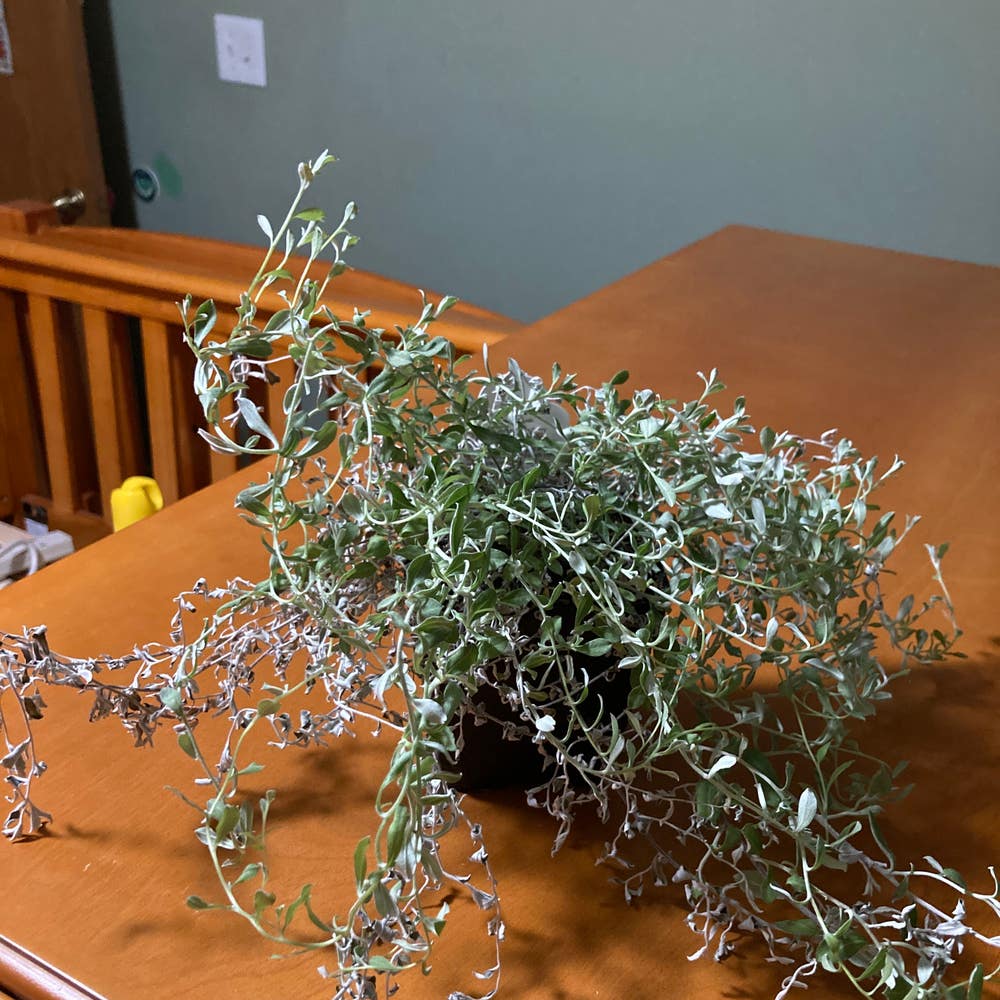
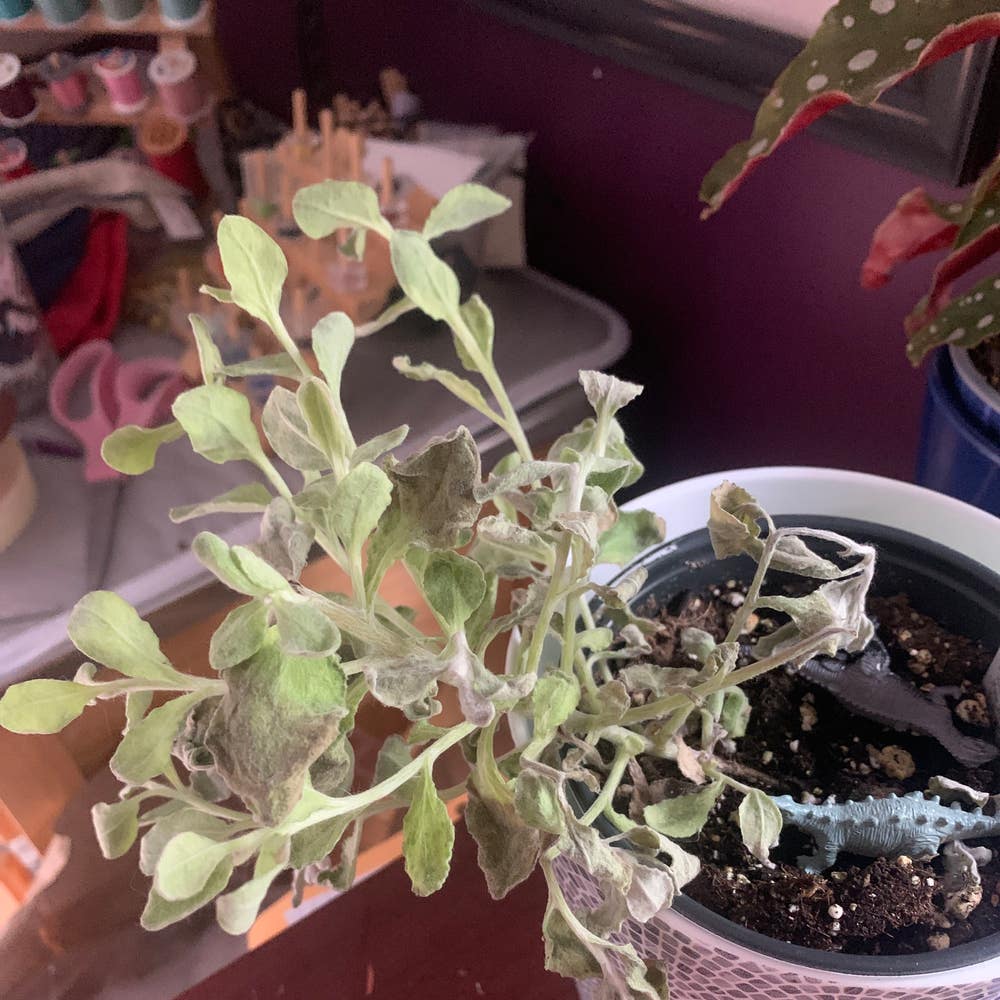
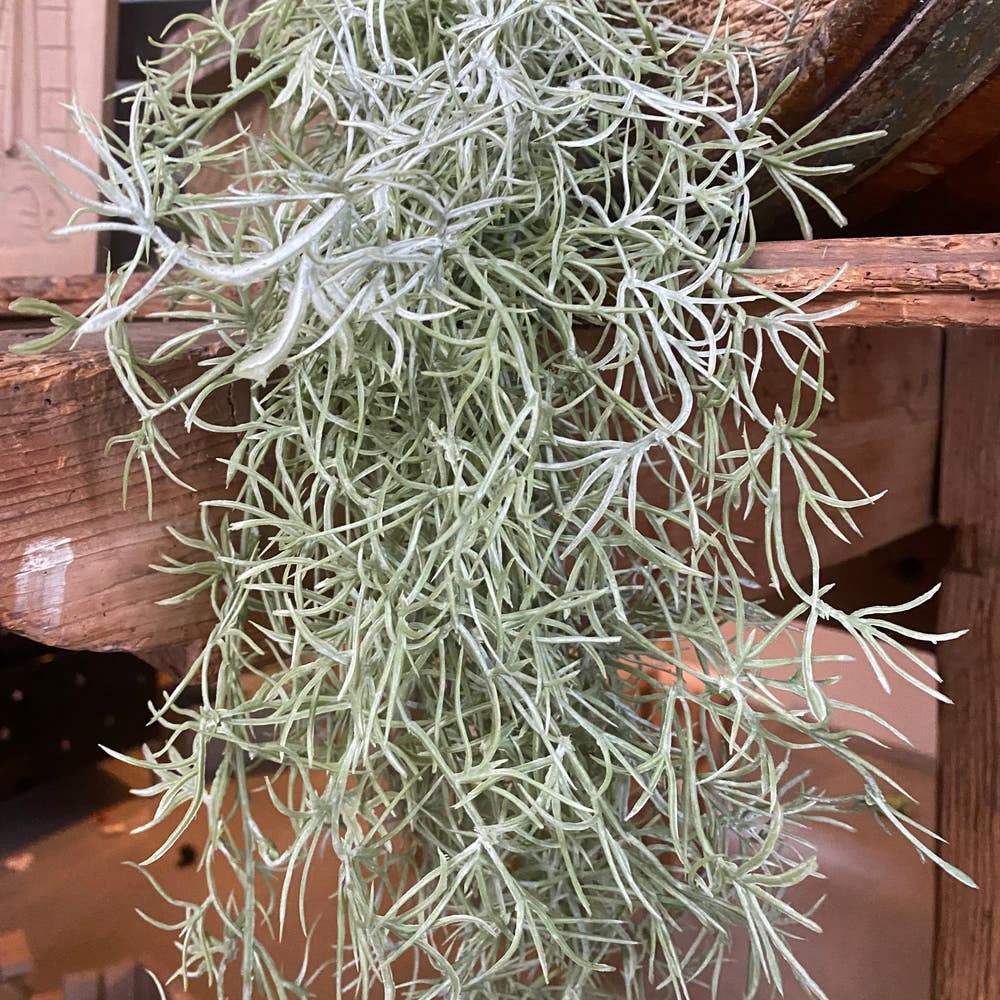
Dealing with Droopy Leaves on Your Silver Star Helichrysum 😢
Helichrysum 'Weshechrsisti' PPAF
By the Greg Editorial Team
Oct 04, 2024•4 min read
This article was created with the help of AI so we can cover more plants for you. May contain errors. See one? Report it here.
Revive your Silver Star Helichrysum 🌱 and watch it flourish with these simple care and recovery tips!
- 💧 Overwatering causes droopy leaves; look for yellowing and mushy roots.
- 🌞 Ensure 6-8 hours of sunlight daily to prevent leaf droop and pale leaves.
- 🌱 Nutrient deficiencies like nitrogen or magnesium can lead to yellowing; fertilize accordingly.
Diagnosing the Problem
💧 Overwatering: Signs and Solutions
Overwatering is a common issue for Silver Star Helichrysum. Look for yellowing leaves and dark, mushy roots, which indicate root rot.
To remedy this, allow the soil to dry out completely before rewatering. Repotting in well-draining soil can also improve drainage and prevent future problems.
🌵 Underwatering: Signs and Solutions
Underwatering can lead to crispy leaf edges and drooping leaves. These signs suggest your plant is thirsty and needs immediate attention.
Water thoroughly until moisture drains from the bottom of the pot. Establishing a consistent watering schedule using the Greg plant care app can help you stay on track.
🥦 Nutrient Deficiencies: Identifying and Correcting
Nutrient deficiencies can stunt your plant's growth. Common signs include yellowing leaves from nitrogen deficiency and interveinal chlorosis, which indicates a magnesium shortage.
To address these issues, use balanced fertilizers that include micronutrients. Conducting soil tests can also help you determine the specific nutrient levels your plant needs.
🐛 Pest Infestations: How to Spot and Treat
Pests can wreak havoc on your Helichrysum. Keep an eye out for small green aphids on leaves and fine webbing from spider mites.
Treat infestations with neem oil or insecticidal soap. Regular inspections can help you catch these pests early, preventing more extensive damage.
🌡️ Environmental Stress Factors: Temperature and Humidity
Temperature and humidity play crucial roles in your plant's health. The ideal temperature range for Silver Star Helichrysum is between 20°C to 30°C (68°F to 86°F).
Signs of environmental stress include leaf drop in cold temperatures and curling leaves in high humidity. Maintain stable conditions and consider using a humidity meter to monitor your plant's environment effectively.
With these diagnostic tips, you'll be better equipped to identify and address issues affecting your Silver Star Helichrysum. Next, let's explore preventive measures to keep your plant thriving.
Preventive Measures
Proper Watering Techniques for Helichrysum 🌊
Watering your Silver Star Helichrysum correctly is crucial. Allow the top inch of soil to dry out between waterings to prevent overwatering.
Water deeply to encourage robust root growth. It's essential to avoid letting the plant sit in water, as this can lead to root rot.
Soil Selection and Drainage Tips 🪴
Choosing the right soil is vital for your plant's health. A well-draining potting mix with perlite is recommended to ensure proper aeration.
For optimal drainage, use pots with drainage holes. You can also add gravel or sand to your mix to enhance soil aeration.
Ideal Light Conditions for Healthy Growth ☀️
Helichrysum thrives in full sun, requiring 6-8 hours of light daily. If you notice stretching stems or pale leaves, your plant may not be getting enough light.
Position your Helichrysum in a bright location or consider using grow lights to meet its light needs.
Seasonal Care Adjustments 🍂
As seasons change, so should your care routine. Adjust your watering and fertilization practices based on seasonal conditions.
Keep an eye on temperature and humidity, especially during the winter months, to ensure your plant remains healthy and vibrant.
By implementing these preventive measures, you can help your Silver Star Helichrysum thrive and avoid droopy leaves. Next, let’s explore how to treat and recover your plant when issues arise.
Treatment and Recovery
Step-by-Step Guide to Reviving Droopy Leaves 🌱
Reviving your Silver Star Helichrysum starts with a careful assessment of your watering schedule. Adjust it as needed to ensure your plant isn't over or under-watered.
Next, inspect your plant for any pests. If you spot any, treat them promptly to prevent further damage.
After addressing watering and pests, fertilize your plant with a balanced nutrient solution. This will provide the essential nutrients needed for recovery.
Finally, ensure your Helichrysum receives proper light exposure and is kept at an ideal temperature. These factors are crucial for its revival.
Recommended Fertilizers and Nutrients 🌿
When it comes to fertilizers, balanced NPK options like 10-10-10 work wonders for your plant.
For those who prefer organic solutions, fish emulsion or compost tea can be excellent choices.
Apply these fertilizers every 4-6 weeks during the growing season to keep your plant thriving.
Pest Control Methods Specific to Helichrysum 🐞
For pest control, consider introducing beneficial insects like ladybugs. They can help manage pest populations naturally.
If you prefer DIY solutions, homemade insecticidal soap is effective against common pests.
For severe infestations, you may need to resort to selective insecticides. Always follow the instructions carefully to protect your plant.
Monitoring and Adjusting Care After Treatment 🔍
After treatment, regularly check your plant's leaf health and moisture levels. This will help you catch any issues early.
Be prepared to adjust your care based on how your Helichrysum responds. Consistent monitoring is key to ensuring a successful recovery.
With these steps, your Silver Star Helichrysum can bounce back beautifully, ready to thrive in your care. Next, let’s explore preventive measures to keep your plant healthy in the long run.
⚠️ Safety First
This content is for general information and may contain errors, omissions, or outdated details. It is not medical, veterinary advice, or an endorsement of therapeutic claims.
Always consult a qualified healthcare professional before using any plant as food, medicine, or supplement.
Never eat any plant (or feed one to pets) without confirming its identity with at least two trusted sources.
If you suspect poisoning, call Poison Control (800) 222-1222, the Pet Poison Helpline (800) 213-6680, or your local emergency service immediately.
Spotted an error? Please report it here.
Revive your Silver Star Helichrysum and keep those leaves perky 🌿 by using Greg for tailored watering reminders and expert tips that ensure your plant thrives!