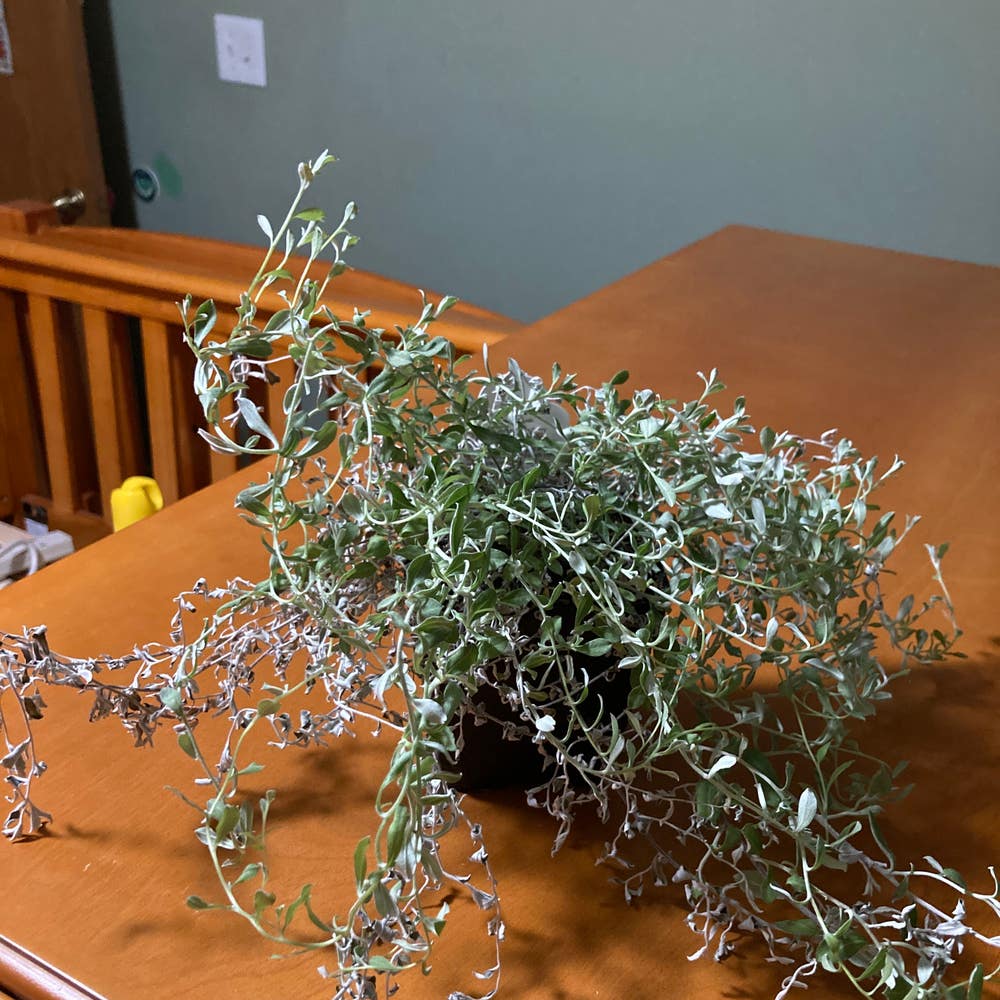
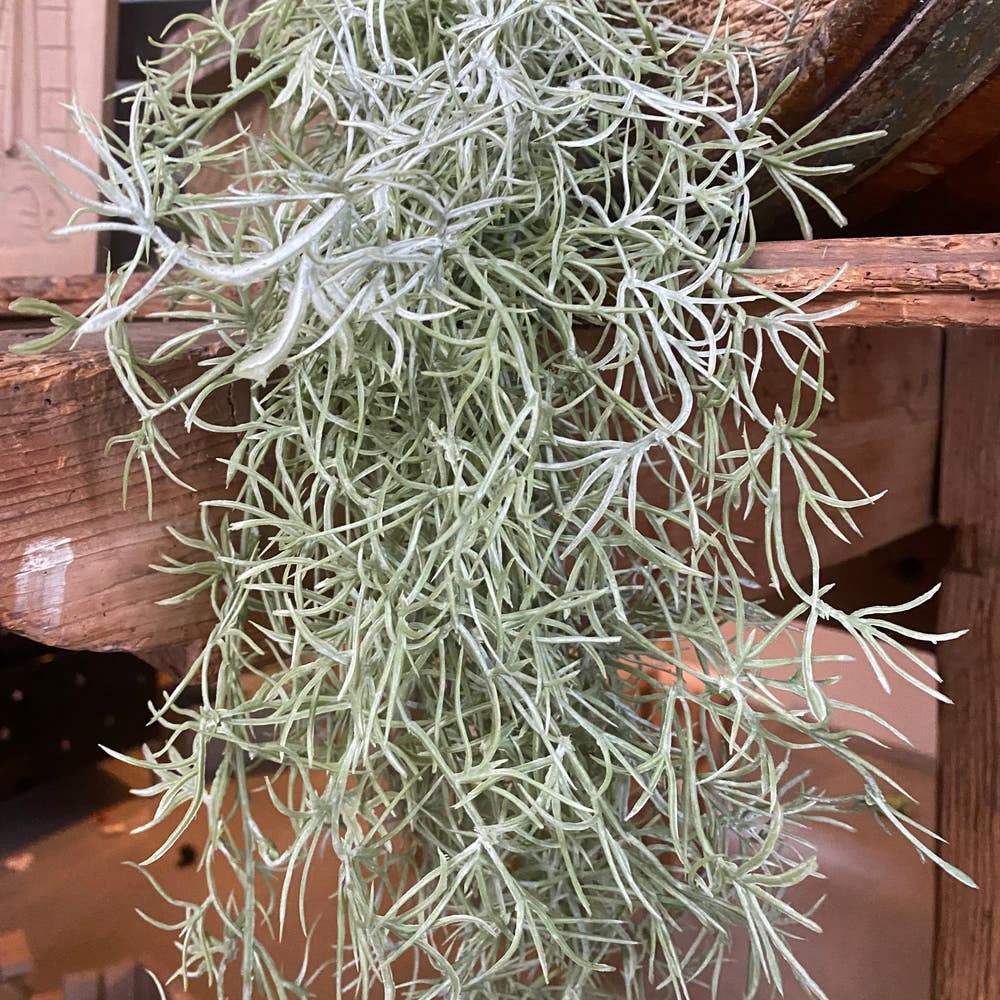
🌟 Understanding Why Your Silver Star Helichrysum Is Wiling
Helichrysum 'Weshechrsisti' PPAF
By the Greg Editorial Team
Oct 04, 2024•6 min read
This article was created with the help of AI so we can cover more plants for you. May contain errors. See one? Report it here.
Transform your wilting Silver Star Helichrysum 🌱 into a thriving beauty with these essential care tips!
- 💧 Wilting in Silver Star Helichrysum often signals water or heat stress.
- 🌡️ Check soil moisture and environmental conditions to prevent wilting issues.
- 🌱 Prune damaged leaves and adjust care for optimal recovery and growth.
Common Causes of Wilting Leaves
💧 Water Stress
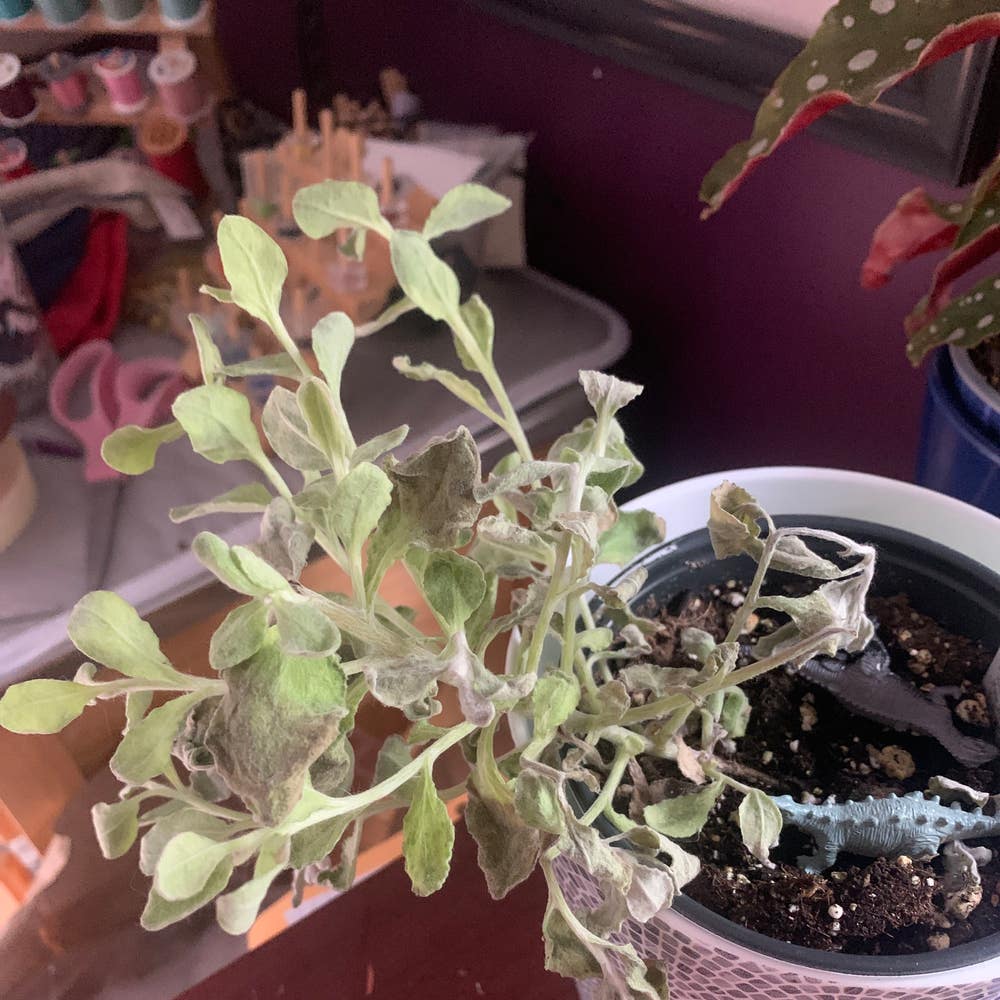
Wilting leaves can often signal water stress in your Silver Star Helichrysum. Look for drooping leaves, dry soil, and curling foliage as key symptoms.
Infrequent watering or excessive drainage can lead to dehydration. Monitoring soil moisture is crucial for this drought-tolerant plant to thrive.
🌡️ Heat Stress
Heat stress is another common culprit behind wilting. Symptoms include wilting during peak sunlight hours, leaf scorch, and browning edges.
High temperatures without adequate hydration can cause significant stress. Understanding the plant's native habitat helps you manage its exposure to heat effectively.
🦠 Disease-Related Wilting
While less common, disease-related wilting can occur. Symptoms to watch for include yellowing leaves, mushy stems, and sudden wilting.
This issue is typically linked to root rot or fungal infections, but it's rare in Silver Star Helichrysum. Environmental factors are usually more significant contributors to wilting than diseases.
Understanding these causes will empower you to take action and restore your plant's health. Next, we’ll explore how to diagnose wilting effectively.
Diagnosing Wilting
🕵️♂️ Step-by-Step Guide to Diagnose Wilting
Check soil moisture: Insert your finger 1-2 inches into the soil. This simple test helps you determine if the soil is dry or overly saturated.
Assess environmental conditions: Evaluate the temperature and humidity levels around your plant. Also, note any recent changes in location or care routine that could affect its health.
Inspect leaves and stems: Look closely for signs of pests or disease. Check for discoloration or unusual textures that may indicate underlying issues.
🔍 Signs to Look For
Leaf color changes: Watch for yellowing or browning leaves, which can signal stress.
Texture changes: Feel for softness or crispiness in the leaves, as these can indicate dehydration or disease.
Growth patterns: Stunted growth or abnormal leaf drop are red flags that your plant needs attention.
By following these steps, you can effectively diagnose the wilting of your Silver Star Helichrysum. Understanding these signs not only helps you address current issues but also empowers you to provide better care moving forward.
Solutions for Wilting Leaves
💧 Addressing Water Stress
Water stress is a common issue for Silver Star Helichrysum. To combat this, consider implementing bottom watering, which allows roots to absorb moisture gradually.
Water your plant when the top inch of soil feels dry. This simple technique ensures that your plant receives the hydration it needs without the risk of overwatering.
Using well-draining soil is crucial to prevent waterlogging. This type of soil helps maintain the right moisture balance, promoting healthy root growth.
☀️ Managing Heat Stress
Heat stress can lead to wilting, especially during peak sunlight hours. Relocate your plant to a shaded area during these times to protect it from excessive heat.
Additionally, increase watering frequency during hot spells. Ensure the soil remains moist but not soggy, striking the right balance for your plant's needs.
🦠 Solutions for Disease-Related Wilting
While disease-related wilting is less common, it’s still important to be vigilant. Start by inspecting your plant regularly; remove any affected leaves and stems to prevent the spread of potential issues.
If necessary, apply appropriate fungicides. However, this is rarely needed for Silver Star Helichrysum, as environmental factors usually play a larger role in wilting.
🌱 Techniques for Reviving a Wilted Plant
Reviving a wilted plant can be straightforward. Begin with bottom watering by placing the pot in a shallow tray of water for about 30 minutes. This allows the roots to soak up moisture effectively.
Next, consider a temporary relocation to a cooler, shaded area for a few days. This can help your plant recover from heat stress.
Finally, prune any damaged leaves. Trimming away wilted or dead foliage encourages new growth and revitalizes your plant.
With these solutions, you can effectively address wilting in your Silver Star Helichrysum and help it thrive once again. Now, let’s explore preventive measures to minimize the risk of wilting in the future.
Preventive Measures
Best Practices to Minimize Wilting Risk 🌱
Regular monitoring of soil moisture is essential for your Silver Star Helichrysum. Check the soil frequently to ensure it’s not too dry or overly saturated.
Establishing a consistent watering schedule based on seasonal changes can make a significant difference. Adjust your routine as temperatures fluctuate to keep your plant happy and healthy.
Environmental Adjustments 🌍
Proper drainage in pots is crucial to prevent root rot. Ensure your containers have adequate holes to allow excess water to escape.
Using mulch can help retain soil moisture while preventing overheating. A layer of mulch not only keeps the roots cool but also reduces the frequency of watering.
By implementing these preventive measures, you can significantly reduce the risk of wilting in your Silver Star Helichrysum. With a little attention and care, your plant will thrive, showcasing its stunning silvery foliage.
Next, let’s explore when it might be time to seek help from local experts or online communities.
Seeking Help
🌱 When to Consult a Local Nursery or Plant Expert
If your Silver Star Helichrysum shows persistent wilting despite your best efforts, it’s time to seek professional advice. Unfamiliar symptoms, like unusual discoloration or unexpected growth patterns, may indicate underlying disease or pest issues that require expert intervention.
💻 Utilizing Online Plant Care Communities
Online platforms like Greg can be invaluable for plant care support. Engage with fellow enthusiasts to share experiences, ask questions, and receive tailored advice that can help you navigate your plant's challenges effectively.
Connecting with a community not only provides solutions but also fosters a sense of camaraderie among plant lovers.
As you explore these resources, remember that seeking help is a proactive step toward nurturing your plant back to health. With the right guidance, your Silver Star Helichrysum can flourish once again.
Encouragement and Reassurance
Message of Hope for Plant Owners 🌱
Wilting can be disheartening, but remember that it's often reversible with the right care. Your Silver Star Helichrysum is resilient, and with a little attention, it can bounce back beautifully.
Knowledge is your best ally in nurturing this plant. Understanding its needs and being proactive can make all the difference in its health and vitality.
With dedication, your plant can thrive again, showcasing its stunning silvery foliage. Embrace the journey of plant care; it’s rewarding to see your efforts pay off.
Stay optimistic, and keep learning! Your Silver Star Helichrysum is waiting to flourish under your care.
⚠️ Safety First
This content is for general information and may contain errors, omissions, or outdated details. It is not medical, veterinary advice, or an endorsement of therapeutic claims.
Always consult a qualified healthcare professional before using any plant as food, medicine, or supplement.
Never eat any plant (or feed one to pets) without confirming its identity with at least two trusted sources.
If you suspect poisoning, call Poison Control (800) 222-1222, the Pet Poison Helpline (800) 213-6680, or your local emergency service immediately.
Spotted an error? Please report it here.
Revive your Silver Star Helichrysum and watch it thrive again 🌱 with Greg's tailored care reminders and supportive plant community to keep your green friend happy and healthy!