✨ How to Fix Dropping Leaves on Your Silver Star Helichrysum
Helichrysum 'Weshechrsisti' PPAF
By the Greg Editorial Team
Oct 04, 2024•6 min read
This article was created with the help of AI so we can cover more plants for you. May contain errors. See one? Report it here.
Keep your Silver Star Helichrysum thriving 🌱 by mastering essential care tips to prevent leaf drop and ensure vibrant growth!
- 💧 Overwatering and underwatering cause leaf drop; maintain a consistent watering schedule.
- 🌞 Optimal light and temperature (20°C-30°C) are crucial for healthy Silver Star Helichrysum.
- 🐛 Regular pest inspections prevent infestations; use neem oil for effective management.
Causes of Leaf Drop
💧 Overwatering and Its Effects
Overwatering is a common culprit behind leaf drop in Silver Star Helichrysum. Symptoms include yellowing leaves, mushy stems, and root rot, which can lead to severe health issues for your plant.
Excess moisture suffocates roots and creates a breeding ground for fungal infections. Ensuring well-draining soil is essential to prevent these problems.
🚰 Underwatering and Dehydration
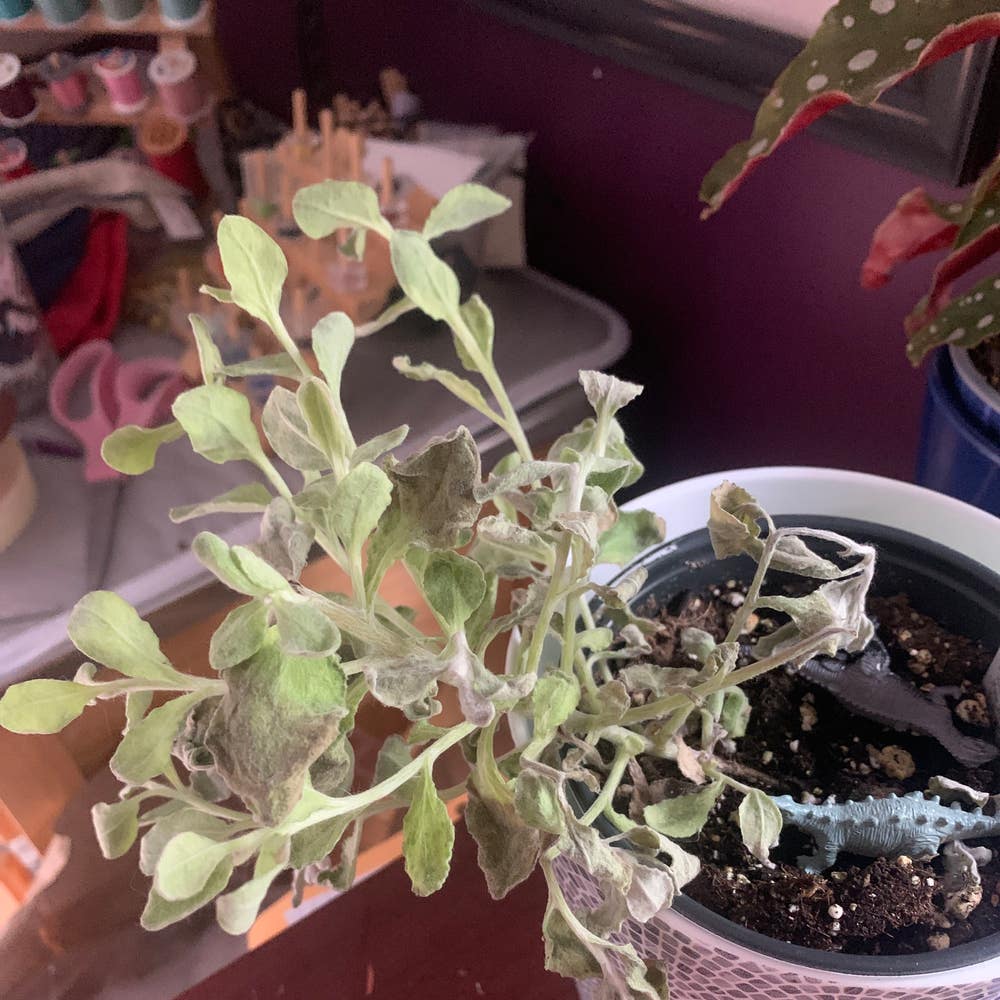
On the flip side, underwatering can also cause your plant to shed leaves. Look for crispy, brown leaf edges and drooping leaves as key indicators of dehydration.
When the soil pulls away from the pot edges and feels dry and crumbly, it's a sign that your Helichrysum is stressed and needs water.
🐛 Pest Infestations
Pests like aphids, spider mites, and mealybugs can wreak havoc on your Silver Star Helichrysum. Symptoms include discoloration, webbing, and a sticky residue on leaves.
Early detection is crucial; regular inspections can help prevent severe infestations that lead to leaf drop.
🌡️ Environmental Stress Factors
Temperature
Silver Star Helichrysum thrives in temperatures between 20°C to 30°C (68°F to 86°F). Extreme heat or cold can trigger leaf drop, so keep an eye on temperature fluctuations.
Humidity
Moderate humidity levels are preferred for optimal growth. If humidity is too high or too low, you may notice leaf curling or browning.
🌱 Soil Quality and Drainage Issues
The composition of your soil plays a vital role in your plant's health. A well-draining soil mix prevents waterlogging, which can lead to root rot.
Signs of poor drainage include persistent soggy soil and symptoms of root rot. To improve drainage, consider adding perlite or sand to your soil mix.
Understanding these causes of leaf drop will empower you to take action and keep your Silver Star Helichrysum thriving. Next, let’s explore how to diagnose leaf drop effectively.
Diagnosing Leaf Drop
🌿 Identifying Symptoms
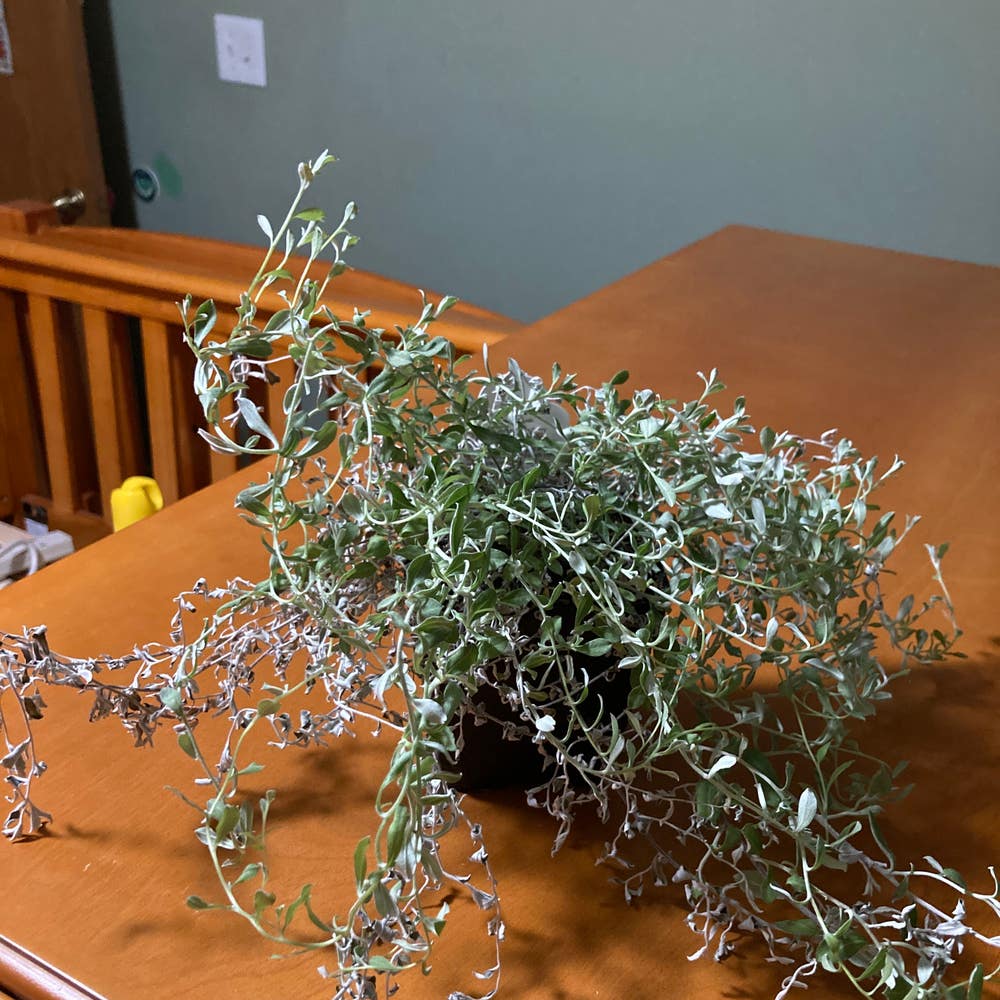
When diagnosing leaf drop in your Silver Star Helichrysum, start by observing the visual signs. Look for yellowing, browning, or wilting leaves, as these are clear indicators of distress.
Pay attention to the patterns of leaf loss. A sudden drop of multiple leaves suggests a more serious issue, while a gradual decline may indicate a less urgent problem.
🏥 Assessing Plant Health and Environment
Next, assess the overall vigor of your plant. Check the growth rate and the color of the leaves; vibrant green leaves usually signal good health.
Evaluate the environmental conditions as well. Ensure that your Helichrysum receives adequate light exposure and that the temperature remains stable.
🐛 Checking for Pests and Diseases
Inspect your plant for pests and diseases regularly. Look under the leaves and at stem joints for any signs of infestation.
Identifying diseases early is crucial. Watch for signs of fungal infections or bacterial blight, which can quickly escalate if left unchecked.
💧 Evaluating Watering Practices
Review your watering schedule to ensure it aligns with your plant's needs. Consider both the frequency and the amount of water you provide.
Soil moisture testing is essential. Use a moisture meter or perform a finger test to gauge whether the soil is too dry or overly saturated.
By systematically diagnosing these aspects, you can pinpoint the cause of leaf drop and take appropriate action. This proactive approach sets the stage for healthier plants and a thriving garden.
Preventing Leaf Drop
🌊 Best Watering Practices
To keep your Silver Star Helichrysum thriving, it's crucial to master your watering routine. Allow the top inch of soil to dry out before giving it a drink; this helps prevent overwatering.
Deep watering is another effective technique. It encourages roots to grow deeper, making your plant more resilient.
🌱 Ideal Soil Conditions
The right soil mix is essential for healthy growth. A recommended blend is 50% potting soil, 30% perlite, and 20% sand.
Maintaining a slightly acidic to neutral pH (between 6.0 and 7.0) is vital. This balance ensures your plant can absorb nutrients effectively.
☀️ Proper Light Exposure and Temperature Control
Silver Star Helichrysum loves the sun! Aim for full sun exposure, ideally 6-8 hours daily, to promote vibrant growth.
Temperature management is equally important. Keep your plant away from drafts and extreme fluctuations to minimize stress.
🐞 Regular Pest Management Strategies
Preventing pests is easier than dealing with an infestation. Use neem oil or insecticidal soap as preventive measures to keep your plant safe.
Regular checks every few weeks can help catch any issues early. Staying vigilant ensures your Helichrysum remains healthy and vibrant.
By implementing these preventive strategies, you can significantly reduce the chances of leaf drop. Next, let's explore how to treat leaf drop effectively when it occurs.
Treating Leaf Drop
Step-by-Step Guide to Remedy Overwatering 🌊
Assess Soil Moisture: Start by checking the soil moisture using a moisture meter or your finger. This will help you determine if the soil is too wet.
Adjust Schedule: If the soil is consistently moist, reduce your watering frequency and the amount of water you give. This simple change can make a big difference.
Improve Drainage: If overwatering persists, consider repotting your Helichrysum in a well-draining mix. This will help prevent future waterlogging.
Addressing Underwatering Issues 💧
Check Soil Moisture: Ensure the soil is consistently moist but not soggy. This balance is crucial for your plant's health.
Increase Frequency: Gradually increase your watering frequency to rehydrate the plant. Be careful not to overdo it.
Monitor Recovery: Keep an eye out for signs of new growth. This indicates that your plant is bouncing back.
Pest Control Methods 🐛
Organic Options: Use neem oil, insecticidal soap, or diatomaceous earth to combat pests. These methods are effective and environmentally friendly.
Physical Removal: Hand-pick pests or use a strong water spray to dislodge them. Regular inspections can help keep infestations at bay.
Soil Amendment Techniques 🌱
Adding Perlite or Sand: Mix in perlite or sand to improve soil aeration. This will enhance drainage and promote healthier roots.
Repotting if Necessary: If drainage issues persist, consider repotting in a container with drainage holes. This is essential for preventing root rot.
Rehabilitating Stressed Plants 🌼
Providing Optimal Conditions: Ensure your Helichrysum receives adequate light and temperature. This will help it recover from stress.
Regular Monitoring: Keep an eye on leaf health and growth patterns. Regular checks will help you catch any issues early.
By following these steps, you can effectively treat leaf drop and restore your Silver Star Helichrysum to its vibrant self. Next, let’s explore how to ensure long-term care for a healthy plant.
Long-term Care for Healthy Helichrysum
🌱 Fertilization Schedule
To keep your Silver Star Helichrysum thriving, a balanced, slow-release fertilizer is essential during the growing season. Aim to fertilize every 4-6 weeks to provide the nutrients your plant craves.
🔍 Monitoring Plant Health Regularly
Routine checks are crucial for early detection of any issues. Consider keeping a care journal to document growth patterns and care practices, helping you spot trends and adjust your approach as needed.
Regular monitoring not only ensures your plant remains healthy but also deepens your connection with it. Embrace the journey of nurturing your Helichrysum, and you'll be rewarded with vibrant foliage and blooms.
With these practices in place, your Helichrysum will flourish, setting the stage for a thriving garden. Next, let’s explore how to treat leaf drop effectively.
⚠️ Safety First
This content is for general information and may contain errors, omissions, or outdated details. It is not medical, veterinary advice, or an endorsement of therapeutic claims.
Always consult a qualified healthcare professional before using any plant as food, medicine, or supplement.
Never eat any plant (or feed one to pets) without confirming its identity with at least two trusted sources.
If you suspect poisoning, call Poison Control (800) 222-1222, the Pet Poison Helpline (800) 213-6680, or your local emergency service immediately.
Spotted an error? Please report it here.
Keep your Silver Star Helichrysum thriving 🌟 by using Greg's personalized care reminders and moisture monitoring to master the art of balanced watering and pest management!