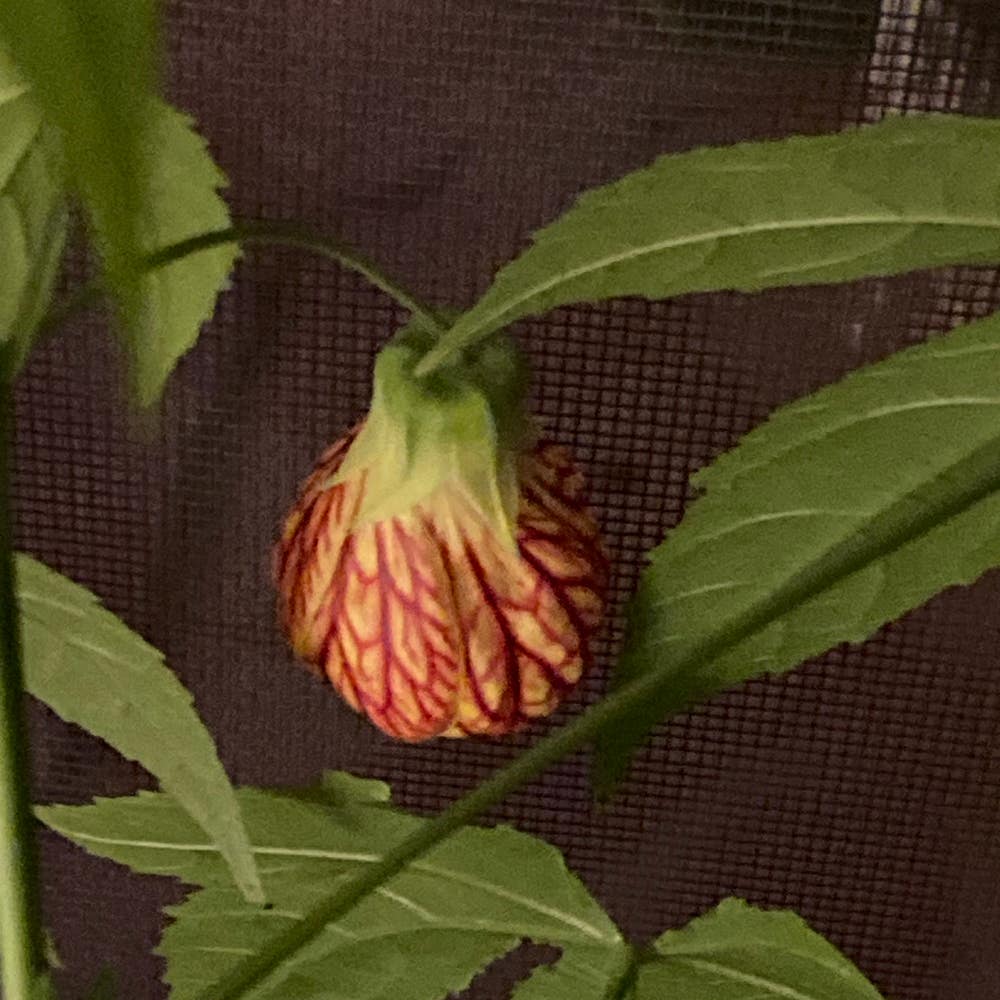
Why Are My Savitzii Flowering Maple Leaves Falling Over?
Abutilon 'Savitzii'
By the Greg Editorial Team
Apr 24, 2024•3 min read
This article was created with the help of AI so we can cover more plants for you. May contain errors. See one? Report it here.
- Early detection prevents drooping in Savitzii Flowering Maple.
- Overwatering and nutrient imbalances lead to leaf issues.
- Combat pests with regular inspection and proper treatment.
Spotting the Telltale Signs
🚩 Recognizing Early Symptoms
Early detection is crucial in preventing your Savitzii Flowering Maple from succumbing to droop. Leaves that seem less vibrant or start to sag are your first hints that something's amiss. It's like your plant's subtle way of waving a white flag.
🍂 When Leaves Speak: Interpreting What They Tell You
Leaves falling over are more than just an aesthetic concern; they're a distress signal. Discoloration, spots, or changes in texture are the leaves' way of crying out for attention. It's your cue to become a plant detective—inspect closely, because these visual cues are the breadcrumbs leading to the root of the problem.
The Root of the Problem: Care Mistakes
💦 Overwatering Woes
Overzealous watering is a silent killer for the Savitzii Flowering Maple. Yellow, mushy leaves are a distress signal; they indicate you've crossed the line into overwatering territory. If the soil feels like a wet sponge, it's time to ease up on the hydration.
🍽️ Feeding Faux Pas
Nutrient imbalances can leave your plant's leaves limp and lifeless. Older leaves losing their luster could signal a nitrogen shortage, while crispy leaf tips might point to a lack of potassium. Distorted new growth? That's a classic sign of calcium deficiency. Remember, moderation is key when feeding your plant.
Pests and Pathogens: Unwanted Guests
🐛 Common Culprits
Your Savitzii Flowering Maple might be under attack. Aphids, spider mites, and mealybugs are the usual suspects, each leaving their own brand of chaos. Aphids suck the life out of leaves, spider mites spin their fine webs, and mealybugs leave a sticky mess. Fungal issues like powdery mildew or leaf spots can also cause your leaves to droop, manifesting as unsightly patches or powdery coatings.
🛡️ Fight Back: Treatment and Prevention
Vigilance is your first weapon. Regularly inspect your plant, especially the undersides of leaves. If you spot pests, insecticidal soap or horticultural oil can be your knights in shining armor. For fungal foes, improve air circulation and consider a fungicide if necessary. Prevention is key—keep the area around your plant clean and avoid wetting the leaves when watering. If you resort to chemicals, follow the instructions like your plant's life depends on it—because it does. Keep these products out of reach of children and pets.
Fine-Tuning Your Plant Care Routine
💧 Watering Wisdom
Watering your Savitzii Flowering Maple isn't rocket science, but it does need a personal touch. Ditch the calendar; your plant's thirst can't be scheduled like a dentist appointment. Feel the soil—if it's dry an inch down, it's time to water. Think of it as a plant's way of saying, "I could use a drink."
Moisture meters aren't cheating; they're tools for the precision-obsessed plant parent. And remember, overwatering is the fast track to droopy leaves. So, if the soil feels like a damp towel, hold off on the H2O.
🌱 Nutrient Know-How
Choosing the right fertilizer is like picking a multivitamin—it should suit your plant's specific needs. A balanced fertilizer can be a game-changer, but don't go overboard. It's a bit like seasoning food; too little and it's bland, too much and it's ruined.
Keep an eye out for signs of improvement after feeding. If your Savitzii perks up, you've nailed it. If not, it's time to adjust the dosage. It's all about striking that delicate balance to keep your plant's leaves firm and fabulous.
⚠️ Safety First
This content is for general information and may contain errors, omissions, or outdated details. It is not medical, veterinary advice, or an endorsement of therapeutic claims.
Always consult a qualified healthcare professional before using any plant as food, medicine, or supplement.
Never eat any plant (or feed one to pets) without confirming its identity with at least two trusted sources.
If you suspect poisoning, call Poison Control (800) 222-1222, the Pet Poison Helpline (800) 213-6680, or your local emergency service immediately.
Spotted an error? Please report it here.
Keep your Savitzii Flowering Maple standing tall 🌿 with Greg's tailored watering schedules and pest alerts, ensuring your plant's leaves never droop from neglect!