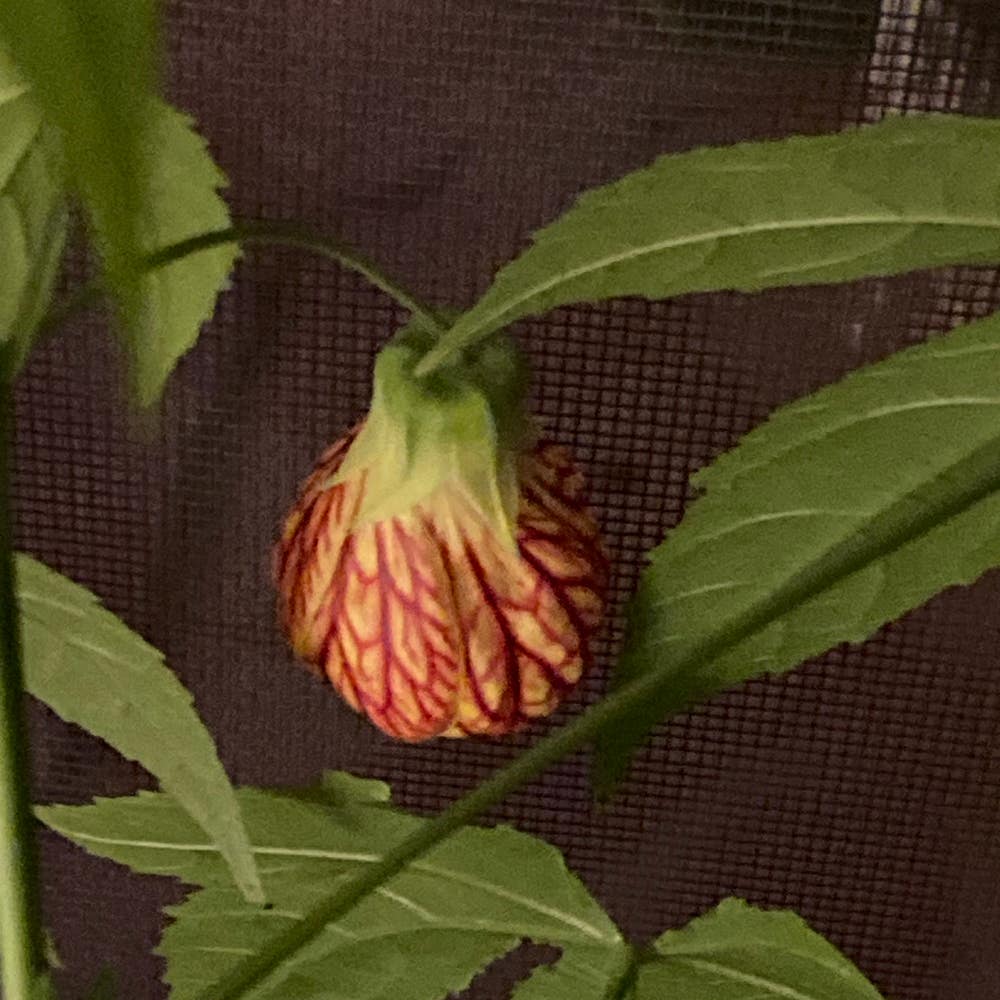
Propagating My Savitzii Flowering Maple: Step-by-Step Guide
Abutilon 'Savitzii'
By the Greg Editorial Team
Apr 24, 2024•5 min read
This article was created with the help of AI so we can cover more plants for you. May contain errors. See one? Report it here.
- 🌱 Choose healthy stems and use rooting hormone for successful stem cuttings.
- 💧 Change water weekly in water propagation to prevent bacterial growth.
- 🌤️ Provide consistent care post-propagation for thriving new plants.
Snip & Dip: Stem Cuttings
🌱 Choosing Your Champion Stem
In the spring or early summer, when your Savitzii Flowering Maple is in its growth prime, that's your cue to select a stem. Go for one that's robust and pest-free, with a few leaves to spare. Make sure your cutting tools are sterilized; think surgical cleanliness to avoid any nasty infections.
🌿 Prepping Your Cuttings
Once you've got your champion stem, it's time to get it ready for the big leagues. Trim off the lower leaves to prevent rot and give the cut end a dip in rooting hormone. This isn't just busywork—it's like a growth steroid for your cuttings.
🌱 Planting and Nurturing Cuttings
Plant your prepped cutting in a well-draining soil mix—a trifecta of perlite, peat, and pine bark works wonders. Keep the soil moist, but not waterlogged; think of it as a spa, not a swamp. Provide bright, indirect light and maintain a cozy temperature to encourage your cuttings to settle in and grow.
🛠 Troubleshooting Stem Cuttings
If you're staring at a cutting that's more stick than sprout, don't panic. Check if you've used rooting hormone; it's the pep talk your cutting might be missing. Ensure the soil is just right—not too dry, not too wet. If you're still stuck, consider switching up the medium. Sometimes, all it takes is a change of scenery to kickstart growth.
Just Add Water: Water Propagation
💧 Getting Started with Water Propagation
To kick off water propagation, select a clear vessel to easily monitor root development. Snip a healthy stem cutting just below a node, ensuring no leaves will be submerged. Use tepid, filtered water to avoid shocking the cutting. Remember, only the nodes should take a bath.
🌱 Root Watching: Monitoring Growth
Keep an eye on your aquatic nursery. Change the water once or twice a week to prevent bacterial takeover. If you spot roots getting a grubby film, give them a gentle scrub during the water swap. Roots should be a few inches long before graduating to soil, with bonus points if they've started branching out.
🌿 Transition Time: Moving to Soil
When roots hit the 3-5cm mark, it's time for a change of scenery. Prep your pot with well-draining soil and gently nestle the cutting in. Water sparingly at first—let the roots hustle for moisture, encouraging them to toughen up. Transitioning too soon? That's a rookie mistake; patience is key.
🛠 Troubleshooting Water Propagation
Murky water? That's a red flag for bacteria. If your cuttings start looking more like a science experiment gone wrong, it's time to refresh that H2O. Algae crashing the party? Rinse the roots and consider covering the container to block out excess light. Keep it clean, keep it clear, and you'll be in the clear.
Aerial Acrobatics: Air Layering
🌱 Setting the Stage for Air Layering
To kickstart air layering, select a robust branch that screams potential. Ensure it's healthy and has a bit of girth, hinting at its readiness for independence. With a sharp blade, perform a surgical strike: two parallel cuts about an inch apart around the stem. Strip away the bark between these incisions to expose the inner layer, creating a wound that will call forth roots.
🌿 Creating the Perfect Microclimate
Next, craft a snug microclimate. Take sphagnum moss that's been soaked and wrung out, forming a pad to hug the wounded area. Dust it with rooting hormone to give it an edge. Then, swaddle the moss pad with clear plastic wrap, securing this mini greenhouse with twist ties or string. It's a delicate balance—keep the moss damp but not drenched to ward off rot and maintain a cozy environment for roots to flourish.
🌱 The Big Split: Separating the New Plant
Patience is key. Over weeks to months, you'll be on root watch. When you see a tangle of white roots through the plastic, it's showtime. Sever the new plant below the roots with a clean cut. Pot it up with the reverence of a gardener welcoming a newborn. It's a moment of triumph, so feel free to do a little dance of joy.
🌿 Troubleshooting Air Layering
Troubleshooting is part of the air layering dance. If you notice a lack of condensation or the moss turning into a desert, it's a red flag—time to re-moisten. On the flip side, if it's more swamp than moss, dial back the waterworks. And if the roots are shy to show up, patience is your ally. Sometimes nature likes to take its sweet time.
Post-Propagation Care
🌱 The First Few Weeks
After the excitement of propagation, the real work begins. Your Savitzii Flowering Maple cuttings are like infants in their formative stage, requiring vigilant care to ensure they thrive.
Watering
Keep the soil consistently moist but not waterlogged to avoid the dreaded root rot. It's a fine line to walk, but your plant's future depends on it.
Feeding
Hold off on fertilizing initially. Your cuttings are too delicate for a full meal. When it's time, opt for a half-strength, water-soluble fertilizer to gently encourage growth.
Light and Temperature
Place your cuttings in a warm, bright area, avoiding direct sunlight. Think of it as sunbathing under a parasol – protection is key.
Growing Up: Transplanting and Beyond
Once your cuttings sport new leaves, it's a sign they're ready for the big move.
Transplanting
Start with a drainage layer to prevent waterlogging. Choose a nutrient-rich potting mix, ideally pre-fertilized, to support growth in these early stages.
Long-Term Success
As your plants settle into their new homes, gradually introduce them to their preferred light conditions. Monitor closely and adjust care as needed, ensuring your Savitzii Flowering Maple cuttings mature into resilient adults.
⚠️ Safety First
This content is for general information and may contain errors, omissions, or outdated details. It is not medical, veterinary advice, or an endorsement of therapeutic claims.
Always consult a qualified healthcare professional before using any plant as food, medicine, or supplement.
Never eat any plant (or feed one to pets) without confirming its identity with at least two trusted sources.
If you suspect poisoning, call Poison Control (800) 222-1222, the Pet Poison Helpline (800) 213-6680, or your local emergency service immediately.
Spotted an error? Please report it here.
Successfully propagate your Savitzii Flowering Maple by following this guide, and count on Greg 🌿 to provide timely reminders for watering and transitioning your flourishing cuttings!