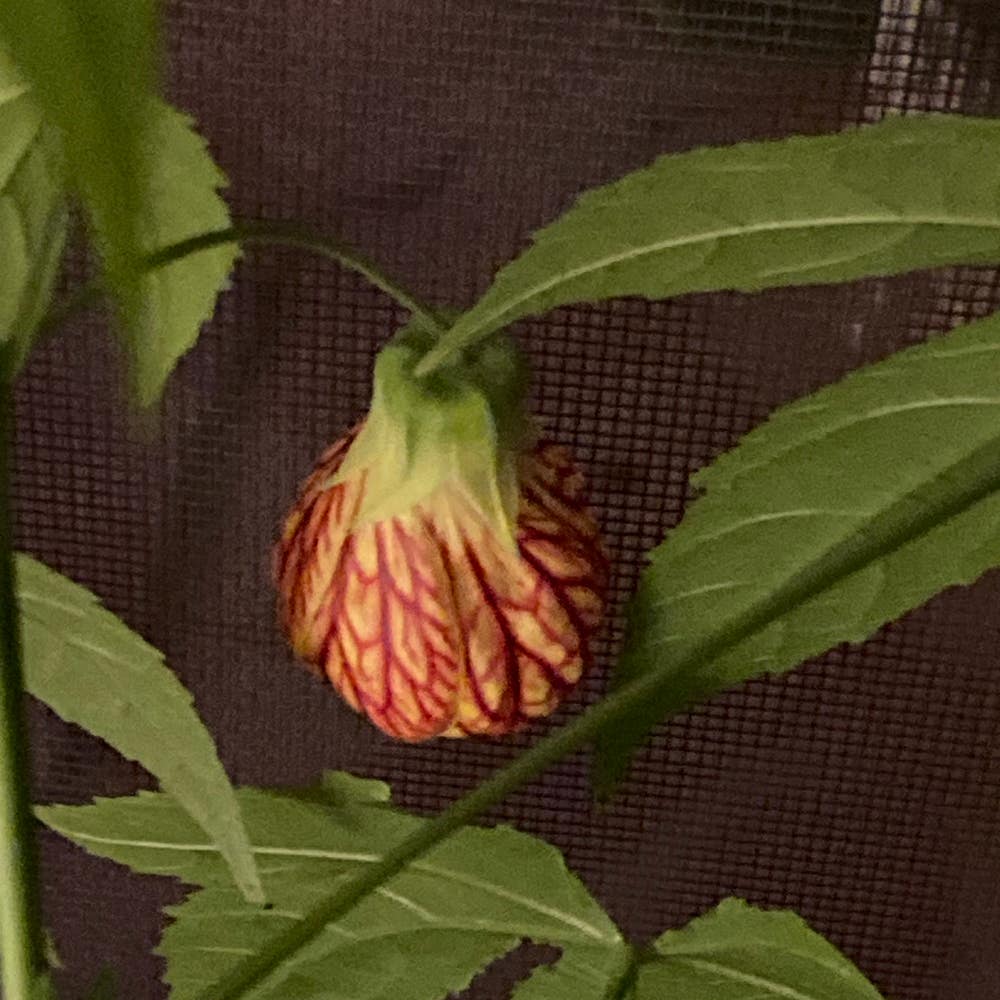
How to Prune Savitzii Flowering Maple
Abutilon 'Savitzii'
By the Greg Editorial Team
Apr 24, 2024•3 min read
This article was created with the help of AI so we can cover more plants for you. May contain errors. See one? Report it here.
- Late winter pruning promotes health and aesthetics.
- Use sharp tools like secateurs and loppers for clean cuts.
- Prune post-bloom to boost flowering and shape growth.
Best Time to Prune Your Flowering Maple
🌸 Seasonal Timing for Pruning
Pruning your Savitzii Flowering Maple isn't a whimsical decision; timing is key. The consensus among gardeners is that late winter to early spring is the golden window. This period, when the plant is dormant, minimizes stress and sap loss. It's like the plant's own version of a reset button, preparing it for a season of vigorous growth.
🚩 Recognizing the Signs for Pruning
Keep an eye out for visual cues: yellowing leaves, overcrowded branches, or lackluster growth. These are your plant's way of waving a white flag, signaling it's time for a trim. Remember, pruning isn't just about aesthetics; it's a health check-up for your maple. Prune when the plant is most resilient, typically as spring approaches, to encourage new growth and maintain a manageable size.
Selecting Your Pruning Tools
🛠️ Choosing the Right Tools
Pruning your Savitzii Flowering Maple requires precision. For most cuts, bypass secateurs are your best bet—they work like a charm for clean, close snips. When you're up against thicker branches, loppers are the muscle you need, providing the leverage to cut through with ease. For the hardcore jobs, a pruning saw is your go-to; it slices through wood effortlessly, leaving a smooth cut that promotes quick healing.
🧰 Tool Maintenance
Sharpness is crucial. Blunt tools are about as helpful as a screen door on a submarine. After each use, clean your tools with a wire brush, sharpen the blades with a stone, and disinfect with alcohol to prevent disease spread. Keep them dry to avoid rust and store them safely—this preserves their edges and your fingers. Regular maintenance isn't just busywork; it's the backbone of effective pruning.
Pruning Techniques for a Thriving Maple
🌳 The Art of Selective Pruning
Selective pruning isn't just snipping away; it's about strategic thinking. Aim to enhance the tree's natural shape and promote healthy growth. Look for branches that are out of place, like those sticking out at odd angles or disrupting the tree's symmetry. Snip these first to maintain that pleasing aesthetic.
🪓 Dealing with Dead or Diseased Branches
Spotting dead or diseased branches is a no-brainer; they're your tree's cry for help. Act promptly to prevent decay from spreading. Use clean, sharp tools to make precise cuts, avoiding damage to the surrounding healthy tissue. Remember, it's like surgery for your tree—precision is key.
💐 Encouraging Flowering Through Pruning
To boost flowering, it's all about timing and technique. Prune right after blooming to avoid cutting off next year's buds. Focus on thinning out crowded areas to let light and air in, which encourages healthy blooms. It's a delicate dance between cutting back and fostering growth, so keep your moves calculated.
Shaping Your Savitzii for Show
🌱 Training for Direction and Form
Visual impact is key when training your Savitzii Flowering Maple. To guide its growth, snip above a leaf node in the direction you want new branches to take. This encourages the plant to fill out and enhances its natural shape.
🖼 Creating Your Desired Aesthetic
For a bushier appearance, prune leggy branches back to a leaf node. If you're after a more tailored look, visualize the final shape and make strategic cuts to direct growth. Remember, each cut influences future growth patterns, so plan with the end in mind.
⚠️ Safety First
This content is for general information and may contain errors, omissions, or outdated details. It is not medical, veterinary advice, or an endorsement of therapeutic claims.
Always consult a qualified healthcare professional before using any plant as food, medicine, or supplement.
Never eat any plant (or feed one to pets) without confirming its identity with at least two trusted sources.
If you suspect poisoning, call Poison Control (800) 222-1222, the Pet Poison Helpline (800) 213-6680, or your local emergency service immediately.
Spotted an error? Please report it here.
Keep your flowering maple in top shape ✂️ with Greg's personalized pruning reminders, making sure it's healthy and beautifully sculpted just as you envision.