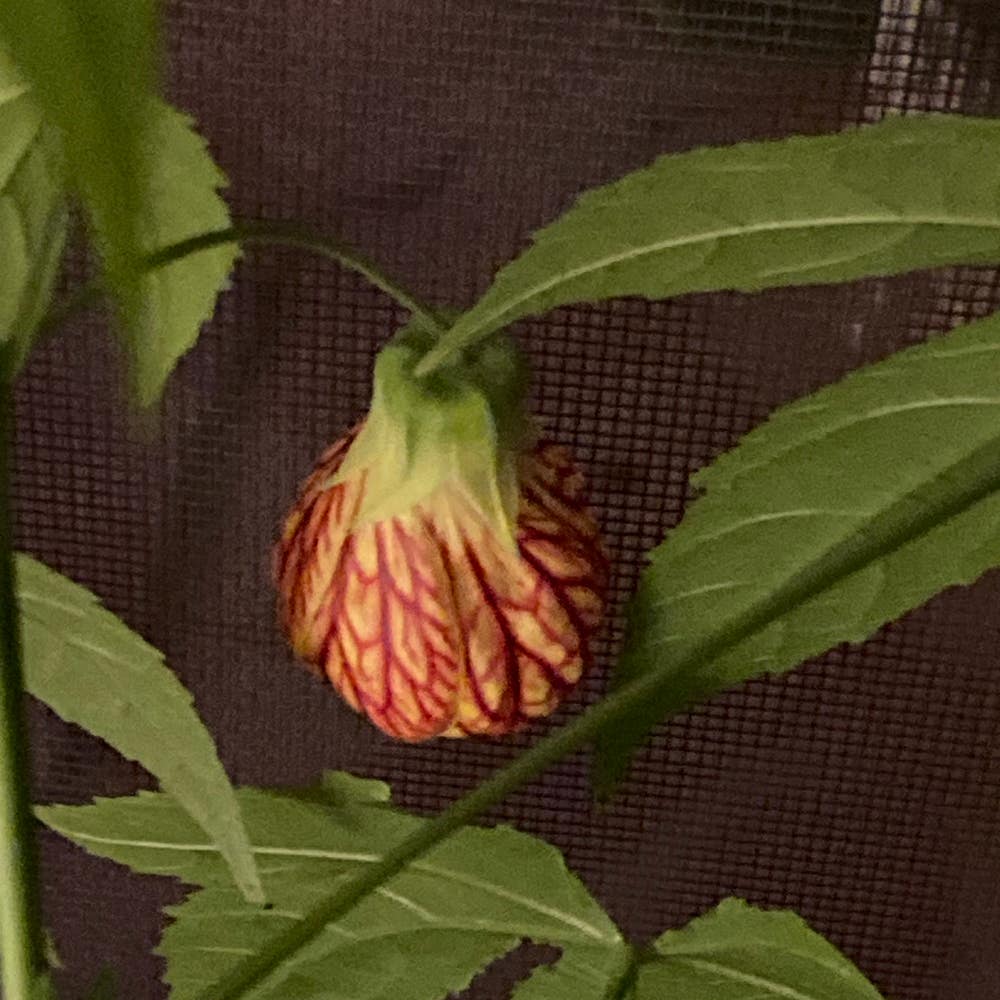
Introduction to Abutilon 'Savitzii'
Abutilon 'Savitzii'
By the Greg Editorial Team
Jan 23, 2025•11 min read
This article was created with the help of AI so we can cover more plants for you. May contain errors. See one? Report it here.
- 🌞 Abutilon 'Savitzii' needs 4-6 hours of sunlight for optimal growth.
- 🌱 Use well-draining soil with pH 6.0-7.0 for best nutrient access.
- 🌿 Prune in late winter for bushier growth and monitor for pests regularly.
How to Grow
Choosing a Location 🌞
Abutilon 'Savitzii' thrives in full sun to partial shade, requiring 4-6 hours of sunlight daily. When deciding between outdoor or container growth, consider drainage and exposure to wind, as these factors significantly impact plant health.
Soil Preparation 🌱
For optimal growth, use well-draining, fertile soil enriched with organic matter. Aim for a pH level between 6.0 and 7.0, which is slightly acidic to neutral, ensuring your plant has the best nutrient access.
Planting Techniques 🌿
When planting, ensure the root ball is level with the soil surface to promote healthy growth. For outdoor planting, space your plants 2-3 feet apart to allow for adequate air circulation and growth.
Watering Requirements 💧
Water your Abutilon when the top inch of soil feels dry to the touch. Be vigilant for signs of overwatering, like yellowing leaves, or underwatering, which can cause wilting.
Fertilizing Schedule 🌼
Use a balanced NPK fertilizer (10-10-10) every 4-6 weeks during the growing season to keep your plant nourished. If your Abutilon is in a container, increase feeding frequency due to limited soil nutrients.
Pruning Methods ✂️
Prune your plant in late winter or early spring, just before new growth begins. Pinching back the tips encourages bushier growth, giving your plant a fuller appearance.
Ongoing Care 🛡️
Regularly monitor your plant for pests and diseases to catch any issues early. In cooler climates, be prepared to protect your Abutilon from frost, ensuring it remains healthy through seasonal changes.
With these tips, you'll be well on your way to cultivating a vibrant Abutilon 'Savitzii' that adds beauty to your garden. Next, let’s explore how to propagate this lovely plant for even more greenery!
Propagation
🌱 Seed Propagation Steps
Seed propagation is a straightforward way to expand your Abutilon 'Savitzii' collection. Start by collecting seeds from mature flowers, then soak them in water for 24 hours before planting.
Next, sow the seeds about 1/4 inch deep in a seed-starting mix. This method is easy and rewarding, making it perfect for beginners.
✂️ Cutting Propagation Steps
For those looking for a moderate challenge, cutting propagation is a great option. Begin by taking 4-6 inch cuttings from healthy stems.
Remove the lower leaves and dip the cut end in rooting hormone. Finally, plant the cuttings in a well-draining medium and keep them moist to encourage root development.
🌿 Layering Techniques
Layering is another effective propagation method. Select a low branch, bend it to the ground, and cover it with soil, leaving the tip exposed.
Roots will develop at the buried section, and you can separate the new plant once it’s established. This technique is moderately difficult but can yield beautiful results.
With these propagation methods, you can easily multiply your Abutilon 'Savitzii' and enjoy its vibrant blooms in various spots around your garden. Next, let’s explore the lifecycle of this stunning plant.
Lifecycle
Life Cycle Stages 🌱
Abutilon 'Savitzii' is typically treated as a perennial in warmer climates. However, in cooler regions, it may behave like an annual, completing its life cycle in a single growing season.
Germination Process 🌱
Germination is a crucial phase, taking about 7-14 days under optimal conditions, ideally at a temperature of 70°F (21°C). This period is vital for establishing a strong foundation for the plant.
Seedling Stage Development 🌱
Once germinated, seedlings require about 4-6 weeks to develop before they are ready for transplanting. During this time, they build resilience and strength for their next growth phase.
Vegetative Growth Phase 🌿
In the vegetative growth phase, Abutilon 'Savitzii' exhibits a moderate growth rate. Expect lush foliage to develop over several months, creating a vibrant display in your garden.
Flowering and Seed Production 🌸
Flowering typically begins in late spring and can last until fall. After the flowering period, seeds mature in late summer, allowing for propagation and continued growth.
Lifespan and Growth Timeline ⏳
This plant reaches full maturity in approximately 1-2 years. With a moderate growth rate, you’ll see a steady increase in size and flowering, making it a rewarding addition to your garden.
As you nurture your Abutilon 'Savitzii', understanding its lifecycle will help you provide the best care possible. Next, let’s explore how to maximize its growth potential through proper care and maintenance.
Size
Mature Height and Spread 🌱
Abutilon 'Savitzii' typically reaches a mature height of 3 to 6 feet. Its spread can range from 2 to 4 feet, making it a versatile choice for various garden settings.
Growth Rate Specifics 📈
Under optimal conditions, expect an average growth rate of 12 to 24 inches per year. This steady growth allows for a lush, vibrant display in your garden.
Size Variability Based on Conditions 🌦️
Several factors can influence the size of your Abutilon 'Savitzii'. Light exposure, water availability, and soil quality all play crucial roles in determining how large your plant will grow.
Container plants often exhibit smaller sizes due to limited root space. If you're growing in pots, be mindful that your plant may not reach its full potential compared to those planted directly in the ground.
With proper care and attention, you can enjoy the full beauty of this stunning plant, whether in a garden bed or a container. Understanding its size dynamics helps you plan your garden layout effectively.
Roots
Root System Characteristics 🌱
Abutilon 'Savitzii' features a fibrous root system that provides excellent stability and nutrient uptake. This robust structure is essential for the plant's overall health and growth.
Depth and Spread of Roots 📏
Typically, the roots extend to a depth of 12-18 inches. They can also spread beyond the plant's canopy, allowing for efficient nutrient absorption.
Common Root-Related Issues ⚠️
One of the most common problems is root rot, which occurs due to overwatering. Signs include wilting and mushy roots, indicating that immediate action is needed.
Solutions for Root Rot 💧
To combat root rot, improve drainage by ensuring pots have adequate holes and consider adjusting your watering schedule. Allow the soil to dry out between waterings to promote healthy root growth.
Identifying Healthy vs. Unhealthy Roots 🔍
Healthy roots are firm and exhibit a white or light tan color. In contrast, unhealthy roots appear dark, mushy, or may even emit a foul smell.
Recognizing and Addressing Rootbound Conditions 🪴
If you notice roots growing out of drainage holes or circling the pot, your plant may be rootbound. The best solutions are to repot into a larger container or prune the roots to encourage new growth.
Understanding the root system of Abutilon 'Savitzii' is crucial for its care. With proper attention to root health, you can ensure your plant thrives beautifully.
Next, let’s explore the benefits of this stunning plant and why it deserves a spot in your garden.
Benefits
Top 5 Benefits 🌟
Abutilon 'Savitzii' is not just a pretty face in the garden; it offers a range of benefits that make it a must-have for any plant enthusiast.
Attractive Ornamental Plant
With its vibrant flowers, this plant adds a splash of color to any landscape, making it a stunning focal point.Attracts Pollinators
Its blooms are a magnet for bees and butterflies, enhancing garden biodiversity and supporting local ecosystems.Versatile for Gardening
Whether in garden beds or containers, Abutilon 'Savitzii' adapts beautifully, allowing for creative landscaping options.Landscaping Uses
Use it to create colorful borders or as a standout feature in your garden design, bringing life and vibrancy to your outdoor space.Symbolism
This plant represents resilience and beauty across various cultures, adding a layer of meaning to your gardening efforts.
Incorporating Abutilon 'Savitzii' into your garden not only beautifies your space but also supports wildlife and enriches your gardening experience. Its multifaceted benefits make it a worthwhile addition to any plant collection.
Next, let’s explore the best companion plants that thrive alongside Abutilon 'Savitzii' to maximize your garden's potential.
Companion Plants
🌱 Concept of Companion Planting
Companion planting is a gardening strategy that enhances diversity, improves pest management, and boosts overall plant health. By pairing compatible plants, you can create a thriving ecosystem in your garden.
🌼 Best Companion Plants
Certain plants work exceptionally well with Abutilon 'Savitzii':
Marigolds: These vibrant flowers are known for their pest-repellent properties, helping to keep harmful insects at bay.
Nasturtiums: Not only do they attract beneficial insects, but they also deter aphids, making them a great companion.
Herbs like Basil: These herbs share similar care needs with Abutilon and act as natural pest deterrents.
🚫 Plants to Avoid
When planning your garden, steer clear of heavy feeders. These plants can compete for nutrients, potentially stunting the growth of your Abutilon 'Savitzii'.
By selecting the right companions, you can create a flourishing garden that supports the health and beauty of your Abutilon. This thoughtful approach not only enhances your garden's aesthetics but also promotes a balanced ecosystem.
Next, let’s explore the common problems you might encounter while growing Abutilon 'Savitzii' and how to tackle them effectively.
Problems
Common Problems 🌱
1. Incorrect Watering
Watering is crucial for Abutilon 'Savitzii', and getting it wrong can lead to serious issues. Overwatering often results in yellowing leaves, while underwatering causes wilting.
To remedy this, adjust your watering frequency based on the moisture level of the soil. Always check the top inch of soil; if it's dry, it's time to water.
2. Incorrect Light Conditions
Light conditions play a significant role in the health of your plant. If your Abutilon is growing leggy or showing scorched leaves, it’s likely not receiving the right amount of sunlight.
Consider relocating your plant to a spot that offers the appropriate light exposure. Ideally, aim for full sun to partial shade.
3. Incorrect Temperature
Temperature fluctuations can stunt growth, especially in cooler conditions. If your plant is struggling, it might be due to exposure to frost or extreme heat.
To protect your Abutilon, provide shelter from cold drafts and consider using frost cloths during chilly nights.
4. Diseases
Diseases such as powdery mildew, rust, and black rot can plague your plant. These issues often arise from poor air circulation or overly humid conditions.
To combat these diseases, improve air circulation around your plant and apply fungicides as needed. Regular monitoring can help catch these problems early.
5. Leaf Issues
Leaf problems can manifest as yellowing, scorching, or fuzzy growth. These symptoms often indicate underlying issues with watering or light conditions.
Assess your plant's environment and make necessary adjustments to ensure it thrives. A little attention can go a long way in maintaining healthy foliage.
By staying vigilant and addressing these common problems, you can ensure your Abutilon 'Savitzii' remains vibrant and healthy. Next, let’s explore the fascinating world of pests that may affect your plant.
Bugs
Potential Pest Issues 🐜
While Abutilon 'Savitzii' is generally pest-resistant, it can still fall prey to a few pesky invaders. Keeping an eye out for these common pests is essential for maintaining the plant's health.
Identification of Common Pests 🔍
- Spider Mites: Look for fine webbing and stippled leaves, which indicate their presence.
- Mealybugs: These pests appear as cotton-like masses on stems and leaves, making them easy to spot.
Damage Caused by Pests ⚠️
Pests can cause significant damage, leading to leaf discoloration, stunted growth, and overall decline in plant vigor. Early detection is key to preventing serious issues.
Effective Treatment Options 💊
For treatment, neem oil or insecticidal soap works wonders against soft-bodied insects. Regular monitoring and prompt action can help keep infestations at bay, ensuring your Abutilon thrives.
As you care for your plant, remember that vigilance is your best ally against pests. With a little attention, you can enjoy the beauty of Abutilon 'Savitzii' without the worry of unwelcome guests.
What Eats
🦌 Common Animals
Abutilon 'Savitzii' can attract a variety of hungry critters. Deer, rabbits, and squirrels are particularly fond of nibbling on its lush foliage.
👀 Signs of Animal Presence
Keep an eye out for telltale signs of these munching marauders. Chewed leaves, droppings, and tracks near your plants can indicate their presence.
⚠️ Types of Damage
When these animals feast on your Abutilon, it can lead to stunted growth and reduced flowering. This not only affects the plant's health but also diminishes its visual appeal.
🚧 Deterrent Methods
To protect your plants, consider using fencing or netting. These barriers can effectively keep larger animals at bay.
For smaller pests, organic repellents like garlic or hot pepper sprays can work wonders. Regularly applying these can help maintain the beauty of your garden while keeping unwanted diners away.
With a little vigilance and some protective measures, you can enjoy the vibrant blooms of Abutilon 'Savitzii' without the worry of wildlife interference.
⚠️ Safety First
This content is for general information and may contain errors, omissions, or outdated details. It is not medical, veterinary advice, or an endorsement of therapeutic claims.
Always consult a qualified healthcare professional before using any plant as food, medicine, or supplement.
Never eat any plant (or feed one to pets) without confirming its identity with at least two trusted sources.
If you suspect poisoning, call Poison Control (800) 222-1222, the Pet Poison Helpline (800) 213-6680, or your local emergency service immediately.
Spotted an error? Please report it here.
Cultivate a thriving Abutilon 'Savitzii' 🌼 with Greg's tailored watering reminders and expert care tips to ensure your plant flourishes beautifully in your garden!