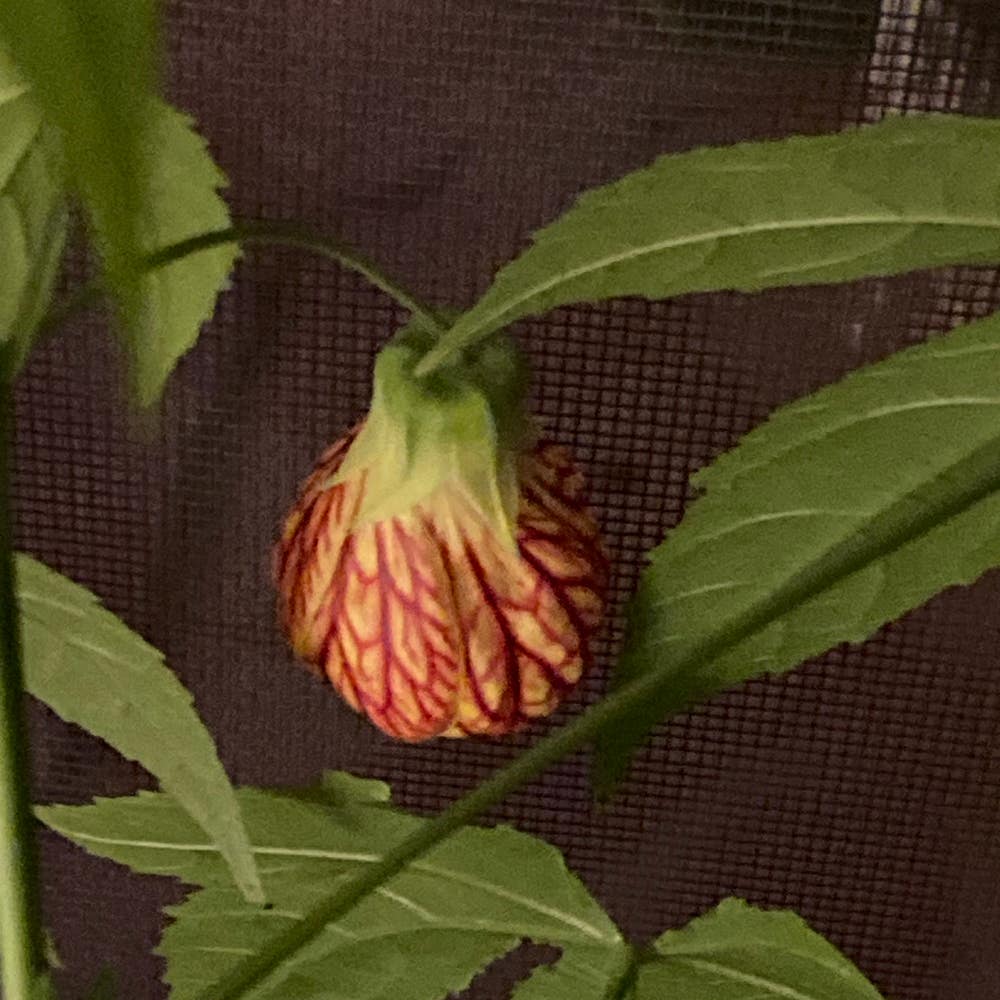
Black Spots on My Savitzii Flowering Maple Leaves
Abutilon 'Savitzii'
By the Greg Editorial Team
Apr 24, 2024•5 min read
This article was created with the help of AI so we can cover more plants for you. May contain errors. See one? Report it here.
- Black spots signal issues like fungal, bacterial infections, or sunburn.
- Early detection is crucial; inspect leaves' undersides and textures.
- Prevent with care: Adjust watering, airflow, and sunlight exposure.
Spotting the Trouble: Recognizing Black Spots
👀 Visual Red Flags
Black spots on Savitzii Flowering Maple leaves are visual alarms, not just imperfections. These spots can be tiny specks or large blotches, sometimes with a distinct edge or concentric rings. A yellow halo might encircle them, hinting at a more serious issue than meets the eye.
🌍 Location, Location, Location
Check everywhere—black spots are sneaky, often starting their invasion on the undersides of leaves. They don't shy away from the limelight either, potentially showing up on leaf edges or taking center stage. Flip those leaves like you're flipping pancakes during your routine inspections.
🤲 Texture Tells
Some spots are raised and rough, akin to a scab, while others might be sunken, as if the leaf's vitality is compromised. If the leaf's texture changes or you notice the spots are spreading, it's time to play plant detective.
🎨 Color Clues
Not all spots are a true black. Some may have a brownish tinge or sport peculiar halos. Consistency in appearance is key; chaotic splatter patterns are red flags, while uniform markings might just be harmless quirks.
📏 Size and Quantity
Keep an eye on the number and size of the spots. A magnifying glass can be your best friend here, helping you spot subtle differences that could indicate the nature of the spots.
🚨 Early Detection: Your Plant's Lifeline
Catching these spots early is crucial. Think of it as nipping it in the bud before your plant sends out an SOS. Regular inspections are non-negotiable. If you're unsure what you're looking at, seek expert advice from a plant pathologist or your local nursery guru.
Playing Detective: What's Causing the Black Spots?
🍄 Fungal Foes: Overwatering and Waterlogged Soil
Fungal infections love a good swamp. If your Savitzii's soil feels like a wet sponge, it's time to rethink your watering schedule. Black spots with a crusty texture are the calling card of these moisture-loving intruders.
🦠 Bacterial Bullies: Poor Airflow and Humidity Havoc
Stagnant air is a bacteria's best friend. Look for water-soaked spots that turn your plant's leaves into a bacterial playground. If your Savitzii's leaves feel like they've been dunked in water, it's a sign to get the air moving.
🌞 Sun Scorch: When Leaves Get Too Much Sun
Sunburn isn't just for beachgoers. Dry, crispy spots on the leaves? That's your Savitzii telling you it's had too much fun in the sun. If the black spots are on the tips or edges, it's time to throw some shade.
The Battle Plan: Treating Those Black Spots
💧 Drying Out: Adjusting Your Watering Tactics
Watering your Savitzii Flowering Maple is like checking your phone's battery; only water when necessary. Overwatering invites fungi to the party, so let the soil dry out between sessions. Aim to water early in the morning, giving leaves time to dry under the sun's watchful eye.
💨 Air It Out: Boosting Circulation and Cutting Humidity
Good air circulation is the invisible hero here. Space out your plants or introduce a fan to create a gentle breeze. This isn't about reenacting a wind tunnel test; it's about disrupting the still, moist air that bacteria and fungi adore. Think of it as setting up a no-fly zone for pathogens.
🌿 Shady Solutions: Protecting Leaves from Harsh Sunlight
Your plant needs sunlight, but like a pale beachgoer, too much can lead to a sunburn. Find that sweet spot of light exposure; bright but indirect is the key. If your Savitzii is basking in the sun's full glory, consider relocating it or using a sheer curtain to filter the intensity. Remember, it's about giving your plant a comfortable glow, not a tan.
Keeping the Spots at Bay: Prevention Strategies
Prevention is your Savitzii's best defense. Let's dive into habit-forming strategies to keep those black spots in the history books.
👀 Regular Monitoring: Your Plant's Personal Bodyguard
Regular check-ups are non-negotiable. Like a hawk, watch for early signs of trouble. Isolate new plants quicker than you'd skip a bad movie sequel.
💧 Watering Wisdom: The Art of Hydration
Water wisely. Aim for the base, avoiding the leaves like they're lava. Early morning watering is key, letting any stray droplets evaporate with the sunrise.
💨 Airflow and Humidity: Creating a Healthy Microclimate
Ensure good air circulation; it's like giving your plant room to dance. Stagnant air is a no-go. Use a fan or place your plant where the air naturally moves.
🌱 Soil and Pot Sterility: The Unsung Heroes
Keep it clean. Sterilize your pots and tools like they're going into the operating room. Dirty tools are a big no-no, like double-dipping at a party.
🌞 Environmental Control: The Art of Balance
Lighting is crucial. Aim for bright, indirect light, avoiding the extremes of Sunburn City and Growth Stagnation. Adjust care with the seasons, like updating your wardrobe.
🌿 Integrated Pest Management: The Eco-Warrior's Toolkit
Embrace Integrated Pest Management (IPM) techniques. It's the eco-friendly way to keep your plant healthy without an arsenal of chemicals.
🧹 Plant Hygiene: Cleanliness is Next to Godliness
Keep fallen leaves and debris cleared. It's not just tidying; it's breaking the cycle of infection. Think of it as denying the bad guys a place to crash.
Remember, proactive beats reactive. With these tactics, your Savitzii will be as spot-free as a freshly cleaned window.
⚠️ Safety First
This content is for general information and may contain errors, omissions, or outdated details. It is not medical, veterinary advice, or an endorsement of therapeutic claims.
Always consult a qualified healthcare professional before using any plant as food, medicine, or supplement.
Never eat any plant (or feed one to pets) without confirming its identity with at least two trusted sources.
If you suspect poisoning, call Poison Control (800) 222-1222, the Pet Poison Helpline (800) 213-6680, or your local emergency service immediately.
Spotted an error? Please report it here.
Banish those black spots 🛡️ on your Savitzii Flowering Maple by leveraging Greg's tailored care reminders to nip potential issues in the bud for vibrant, healthy leaves.